Table of contents
WHAT IS ANXIETY?
Anxiety is a natural response to stress and part of our body’s built-in alarm system. It helps us stay alert and avoid danger—triggering the ‘fight or flight’ response when we face a threat. In healthy amounts, anxiety can improve focus and performance. However, when it becomes overwhelming, persistent, or disconnected from actual danger, it may develop into an anxiety disorder—a common and treatable mental health condition.
HOW COMMON IS ANXIETY
An estimated 4% of the global population currently experience an anxiety disorder. In 2019, 301 million people in the world had an anxiety disorder, making anxiety disorders the most common of all mental disorders.
TYPES OF ANXIETY DISORDERS
Anxiety manifests in different forms. Here are some common types:
- Generalised anxiety disorder: characterised by excessive and uncontrollable worry about various aspects of life, including work, health, or social situations;
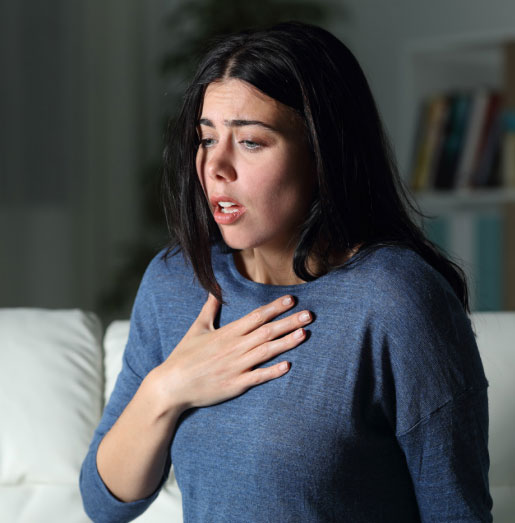
- Panic disorder: involves recurrent and unexpected panic attacks, which are intense periods of fear or discomfort, often accompanied by physical symptoms such as heart palpitations, sweating, or dizziness;
- Social anxiety disorder: a fear of social situations, where individuals may experience significant distress or embarrassment over the possibility of being judged, leading to avoidance of those situations;
- Specific phobias: intense, irrational fears of specific objects or situations, such as heights, spiders, or flying;
- Agoraphobia: fear of being in situations where escape might be difficult, leading to avoidance of places like crowded areas, public transportation, or unfamiliar places;
- Separation anxiety disorder: often seen in children, it involves excessive fear or anxiety about being separated from a primary caregiver or loved one.
SIGNS AND SYMPTOMS OF ANXIETY
Anxiety can manifest both mentally and physically. Common symptoms include:
- Persistent worry or fear: excessive concern about everyday matters;
- Restlessness: feeling on edge or not being able to relax;
- Fatigue: chronic tiredness, even after a full night’s sleep;
- Difficulty concentrating: trouble focusing on tasks due to racing thoughts;
- Physical symptoms: rapid heartbeat, sweating, muscle tension, dizziness, and headaches;
- Avoidance behaviour: staying away from situations or places that trigger anxiety.
HOW SERIOUS IS ANXIETY
The intensity of anxiety can vary by person and situation:
- Mild anxiety may cause temporary discomfort but the symptoms are manageable;
- Moderate anxiety may make it difficult to focus, socialise, or perform tasks, leading to avoidance of triggers and some impairment in daily activities;
- Severe anxiety can cause significant distress, physical symptoms, leading to daily impairment in work, relationships, and functioning.
HOW CAN ANXIETY BE MANAGED
Anxiety disorders are treatable, and many people recover with the right treatment. Effective options include:
- Cognitive Behavioural Therapy (CBT): a highly effective therapy that helps individuals recognise and change negative thought patterns contributing to anxiety;
- Medication: antidepressants (SSRIs or SNRIs) and anti-anxiety medications (benzodiazepines or beta-blockers) can help treat symptoms;
- Lifestyle changes: regular physical activity, good sleep hygiene, stress management techniques, and relaxation exercises can help reduce anxiety;
- Mindfulness and meditation: these techniques can help calm the mind and reduce stress levels.
HOW TO SUPPORT SOMEONE WITH ANXIETY
If you know someone with anxiety, you can help by:
- Be understanding and have patience: anxiety can be difficult to control, so offer encouragement and listen without judgment;
- Avoid minimising their feelings: don’t tell them to ‘just relax’ or ‘get over it.’ Anxiety isn’t something people can simply will away;
- Encourage professional help: gently suggest therapy or an evaluation if they haven’t already sought help;
- Promote healthy coping strategies: encourage regular exercise, relaxation techniques, and healthy sleep habits;
- Do not reinforce avoidance behaviours: avoiding triggers doesn’t help overcome the anxiety, it only encourages further impairment in daily activities.
When to seek help
If anxiety causes significant distress or affects daily life, seeking help is essential. Early intervention leads to better outcomes.
Get help at FV Hospital
At FV Hospital, we offer comprehensive care for those living with anxiety. Our team of mental health specialists is here to support you with personalised treatment plans and therapy options.
You are not alone. Help is available.
Source of references:
World Health Organization (WHO)
National Institute of Mental Health (NIMH)
American Academy of Child & Adolescent Psychiatry (AACAP)
American Psychiatric Association (APA)