Table of contents
WHAT IS ATTENTION-DEFICIT/HYPERACTIVITY DISORDER (ADHD)?
ADHD is a common and long-term neurodevelopmental condition that affects millions of children. It often continues into adulthood. ADHD is not just about being hyperactive; it involves difficulties with attention, impulse control, and organisation. It can impact daily life, school performance, work productivity, and relationships.
TYPES OF ADHD
ADHD is classified into 3 types based on symptom presentation:
- Predominantly inattentive type:
- Difficulty maintaining focus and attention;
- Often forgetful and easily distracted;
- Struggles with organising tasks and following through on responsibilities.
- Predominantly hyperactive-impulsive type:
- Frequent fidgeting and excessive movement;
- Impulsive behaviour, such as interrupting others or making hasty decisions;
- Difficulty staying seated or waiting their turn.
- Combined type:
- A mix of inattentive and hyperactive-impulsive symptoms;
- This is the most common form of ADHD, where individuals exhibit both sets of symptoms.
HOW COMMON AND HOW SERIOUS IS ADHD?
- ADHD is a common mental disorders. It affects 5–8% of children and adolescents globally.
- Boys are diagnosed more often because they tend to exhibit hyperactive-impulsive symptoms.
- Girls are less often diagnosed because they may have inattentive symptoms and try harder to compensate for them.
- Symptoms can range from mild to significant, impacting daily life differently for each individual.
- Without proper management, ADHD can contribute to academic struggles, relationship difficulties, and workplace challenges.
DIAGNOSIS AND TREATMENT
ADHD is diagnosed through clinical evaluations, including interviews, behaviour assessments, and rating scales. Early diagnosis and intervention can improve outcomes.
HOW CAN ADHD BE MANAGED?
- Medication: stimulants and non-stimulant options are used to treat symptoms.
- Behavioural therapy: teaches coping strategies for impulse control and targets behaviours that often accompanies ADHD.
- Lifestyle changes: proper sleep, a healthy diet, and structured routines helps manage symptoms.
- Support at school and work: tailored accommodations can help individuals lessen their impairment.
When to seek help
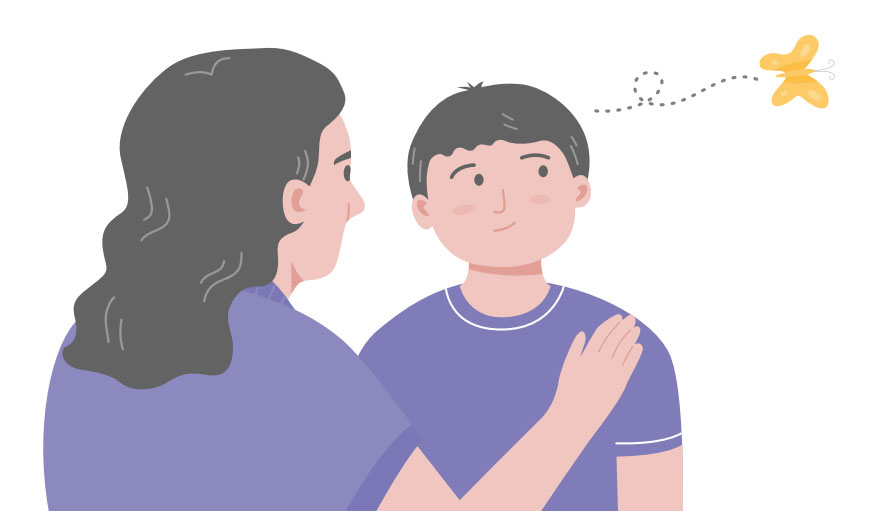
If you’re concerned that your child shows signs of ADHD, see your paediatrician or family healthcare professional. Your healthcare professional can do a medical evaluation to check for other causes of your child’s symptoms. Then if needed, your child may be referred to a mental health specialist.
Get help at FV Hospital
If you or a loved one shows signs of ADHD, our mental health specialists at FV Hospital can provide assessment, diagnosis, and treatment. We offer expert guidance to help individuals manage ADHD effectively.
You are not alone. Help is available.
Source of references:
World Health Organization (WHO)
National Institute of Mental Health (NIMH)
American Academy of Child & Adolescent Psychiatry (AACAP)
American Psychiatric Association (APA)