Table of contents
Getting vaccinated is an important way to keep ourselves safe and healthy from serious and life-threatening diseases. The best way to protect ourselves is by making sure we get all recommended vaccines on time.
How does vaccination work?
Vaccination works by exposing our bodies to key parts of bacteria or viruses, called antigens, in a safe way so our immune system can develop an immune response. Later, if we are exposed to that same bacterium or virus, our immune system will be able to respond more quickly to:
- Prevent us from getting the disease;
- Prevent us from getting seriously ill if we do get the disease.
Why adults need to get vaccinated
- Immunity can fade: childhood vaccines do not always provide lifelong protection. Booster doses are required for lasting defence against illnesses such as tetanus and whooping cough.
- Protection from serious illnesses: conditions including influenza, pneumonia, shingles, hepatitis B and HPV-related cancers pose a greater risk in adulthood. Vaccination reduces this risk significantly.
- Safeguarding your community: staying up to date helps protect vulnerable people—such as infants, older adults and those with weakened immune systems—through herd immunity.
- Proven safety: vaccines are extensively tested, closely monitored, and carry only mild side-effects in most cases.
- Pregnant women: some diseases can be especially dangerous if someone becomes infected while pregnant, such as German measles (rubella), chickenpox (varicella), whooping cough (pertussis) and flu (influenza).
Vaccines for adults
Influenza (Flu) vaccine: everyone aged 6 months and older is recommended to get an influenza vaccine every year. Flu is a very contagious infection of the airways. It is especially serious for older people. It can cause serious illness and even death in otherwise healthy people. The strains of the influenza virus can change from year to year, so the vaccines may be updated from one season to the next. That’s why it’s important for people to get the vaccine every year.
Pneumococcal vaccine: pneumococcal disease is a bacterial infection. It can cause pneumonia, bloodstream infection and meningitis (inflammation of the membranes around the brain). Pneumococcal vaccines must be routinely given to adults aged 65 and older. It is also given to younger adults if they have certain medical conditions that put them at a higher risk for disease, such as immunosuppression.
Herpes zoster (Shingles) vaccine: shingles is a painful blistering rash caused by reactivation of the chickenpox virus. It can also cause severe nerve pain that can last for months. Shingles can happen to anyone who has had chickenpox but is most common in adults aged 50 years and older.
Hib vaccine (Haemophilus influenzae type b): although typically given in childhood, a single dose of Hib vaccine is also recommended for adults with certain medical conditions or those who were never vaccinated. It helps prevent severe infections such as meningitis and epiglottitis in high-risk individuals, particularly those with compromised immunity.
Tdap vaccine (Tetanus, Diphtheria, Pertussis): the Tdap combination vaccine protects adults from 3 potentially serious bacterial infections—tetanus, diphtheria, and pertussis (whooping cough). Whooping cough can cause serious complications, particularly in children under 12 months old, including brain damage, pneumonia and sometimes death.
The Tdap vaccine should be given during every pregnancy, even if you’ve received it before. This vaccine is ideally given between 27 and 32 weeks of pregnancy to protect your newborn from whooping cough (pertussis). Whooping cough is particularly dangerous for young infants before they are old enough to be vaccinated themselves. Partners, grandparents, carers and other adults who have contact with babies should also have the whooping cough vaccine to protect the baby from infection.
MMR vaccine (Measles, Mumps, Rubella): the MMR vaccine is recommended for adults who have not been previously immunised, particularly women planning to become pregnant. A full course of 2 doses provides lifelong protection and helps prevent outbreaks of these contagious diseases.
Varicella (Chickenpox) vaccine: chickenpox is often mild but can be much more severe in adults, leading to complications like pneumonia and encephalitis. Adults who have never had chickenpox or been vaccinated are encouraged to receive two doses of the vaccine. Women planning pregnancy who have not been diagnosed with chickenpox or who have not received chickenpox vaccine should be vaccinated at least one month before becoming pregnant.
Hepatitis B vaccine: the hepatitis B vaccine protects against a viral infection that can cause lifelong liver problems, including cirrhosis and cancer. The full course provides long-term protection and is delivered over 3 doses.
Hepatitis A vaccine: hepatitis A is a viral infection transmitted through contaminated food or water, and can cause acute liver failure, especially in older adults or those with pre-existing liver disease. The vaccine is recommended for people travelling to high-risk areas, individuals with chronic liver conditions, and those working in food service or sanitation. 2 doses provide long-lasting immunity.
HPV vaccine (Human Papillomavirus): the HPV vaccine protects against several strains of the human papillomavirus that are linked to cervical, vulvar, vaginal and anal cancers, as well as genital warts. 1 to 3 doses, depending on age, offer strong, lasting protection. The HPV vaccine used at FV Hospital is called Gardasil®9. It is the most effective of all HPV vaccines.
Who should get the HPV vaccine?
- All adolescents and young adults up to 26 years of age who have not previously received the vaccine.
- Adults between 27 and 45 years of age may also decide to get the vaccine.
Adults with compromised immunity
People who are immunocompromised have an increased risk of severe illness or death from many vaccine-preventable diseases. A person can be immunocompromised as a result of:
- A congenital condition
- A medical condition, or
- Following immunosuppressive medical treatment.
The vaccination history of people who are immunocompromised needs to be assessed carefully and a plan made for future vaccinations. Live vaccines may be contraindicated in immunocompromised people due to the risk of adverse events or vaccine-related disease.
RECOMMENDED SCHEDULE FOR SPECIAL POPULATIONS
| Group | Vaccines | Number of doses |
| Adult over 50 | Herpes zoster (Shingles) vaccine | 1 or 2 (*) |
| Adult over 65 | Pneumococcal vaccine | 1 or 2 (**) |
| Hepatitis B vaccine | 3 | |
| Pregnant women | Tdap vaccine (Tetanus, Diphtheria, Pertussis) | 1 |
| MMR vaccine (Measles, Mumps, Rubella) | 2 | |
| Varicella (Chickenpox) vaccine (at least one month before becoming pregnant) | 2 | |
| Adults with chronic illnesses such as heart disease, lung disease (including asthma), diabetes, sickle cell or other chronic blood disease, alcoholism, or chronic liver disease | Influenza (Flu) vaccine | 1 |
| Hepatitis B vaccine | 3 | |
| Hib vaccine | 1 | |
| Varicella (Chickenpox) vaccine | 2 | |
| Pneumococcal vaccine | 1 or 2 (**) |
(*) depending on the type of vaccine
(**) depending on individual risk factors
COMMON SIDE-EFFECTS
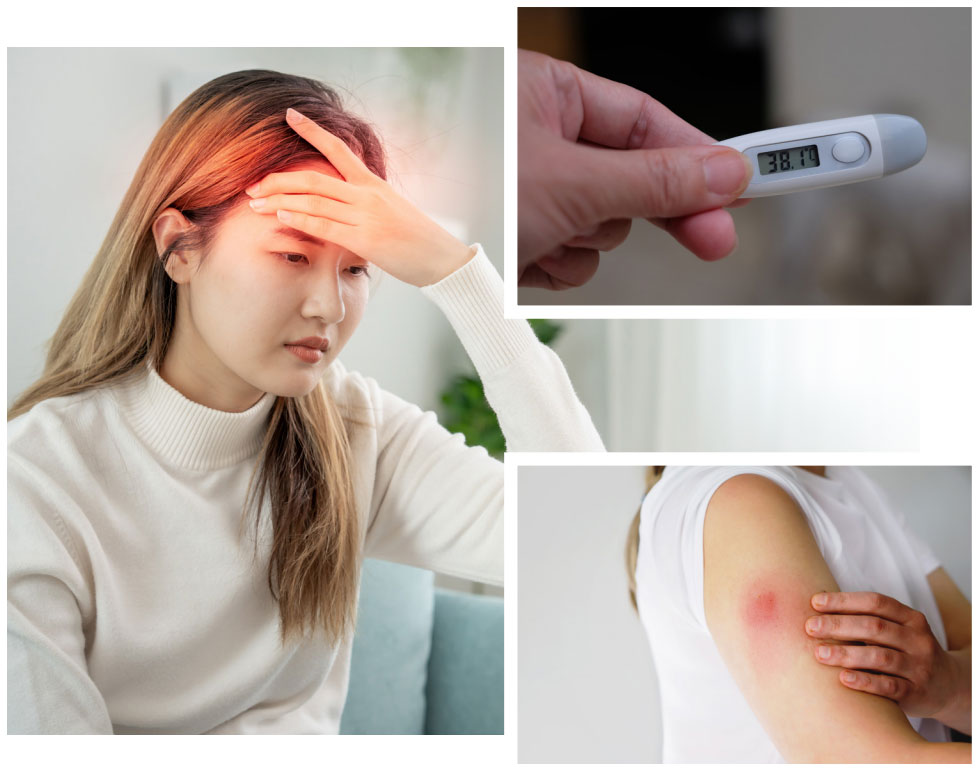
You may experience mild side-effects following vaccination. Most side-effects last no more than a couple of days and are part of the immune system’s natural response to the vaccine.
Common reactions include:
- Pain, swelling and redness at the injection site
- Headache
- Fatigue
- Mild fever
- Muscle, body aches.
Serious reactions to vaccines are rare. If you have a reaction you think is severe or unexpected, contact our Preventive Medicine Centre straight away.
WHY CHOOSE FV HOSPITAL FOR VACCINATION?
- Consultation with experienced doctors.
- Caring and well-trained nurses make your vaccination as gentle as possible.
- Comfortable and hygienic facilities.
- Holistic care from consultation to follow-up.
- Internationally-sourced vaccines stored in JCI-standard cold chain system.
- Accredited by JCI (Joint Commission International), the gold standard in patient safety.
INQUIRIES and APPOINTMENT
FV Preventive Medicine Centre
FV Hospital – 6 Nguyen Luong Bang, Tan My Ward, Ho Chi Minh City
(028) 35 11 36 60
preventive.medicine@fvhospital.com
www.fvhospital.com