Table of contents
WHAT IS AUTISM SPECTRUM DISORDER (ASD)?
ASD is a developmental condition that affects an individual’s ability to communicate, socialise, and behave appropriately. It is considered a ‘spectrum’ because the condition can have a wide range of symptoms and different levels of impairments. People with ASD may experience challenges with social interactions, difficulty with communication, and have restricted or repetitive behaviours.
UNDERSTANDING ASD
ASD is an umbrella term that covers a wide range of conditions that were once considered distinct but have now been merged into one overarching diagnosis with varying levels of impact on individuals. These previously recognised conditions may still be used informally:
- Autistic disorder (classic autism): individuals often have significant communication difficulties, intellectual challenges, and repetitive behaviours;
- Asperger syndrome: milder symptoms, such as challenges with social interactions and communication, without significant language delays;
- Pervasive developmental disorder: used when an individual shows some signs of autism but does not meet the full criteria for autism or Asperger syndrome;
- Childhood disintegrative disorder: a rare and serious condition where a child shows typical development and then regresses, losing previously acquired skills, especially in language and motor skills.
COMMON SYMPTOMS OF ASD
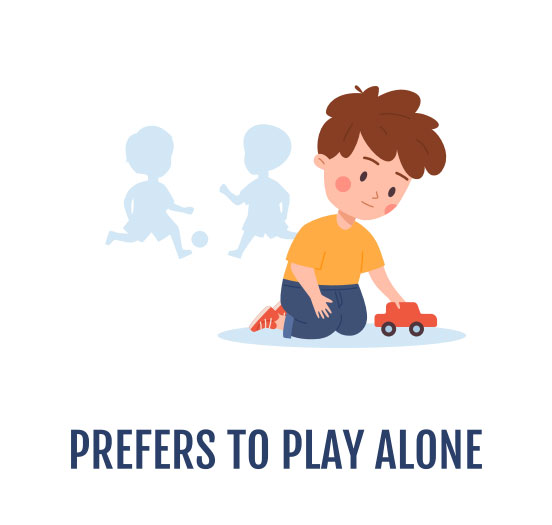
Symptoms of ASD can vary significantly from person to person but commonly include:
- Early childhood signs include not making eye contact, not responding when being called by name, and not pointing to things;
- Difficulties with social interactions, such as understanding emotions, sharing interests, or forming or maintaining relationships;Repetitive behaviours, such as hand-flapping and rocking, or engaging in the same activities or routines repeatedly;
- Intense focus or interest in specific subjects or activities;
- Heightened or reduced responses to sensory stimuli like lights, sounds, textures, or smells.
HOW COMMON AND SERIOUS IS ASD?
Autism affects approximately 1 in 100 children around the world, though prevalence rates may vary worldwide. The levels of ASD can range from mild to substantial, with some individuals requiring significant support in daily life, while others may be independent and high functioning.
HOW CAN ASD BE MANAGED?
Early diagnosis and intervention can greatly improve outcomes, as children who receive early support tend to develop better communication, social, and adaptive skills.
- Behavioural therapy: Applied Behaviour Analysis (ABA) can improve communication and reduce challenging behaviours;
- Speech and language therapy: focuses on improving communication skills, both verbal and non-verbal;
- Occupational therapy: helps manage sensory sensitivities and improve motor skills and daily living tasks;
- Social skills training: helps individuals improve social interaction and build relationships;
- Medication: medications may be prescribed for associated symptoms like anxiety, irritability or aggression; though, there is no medication to cure autism.
When to seek help
Children as young as 6 months old can show signs of ASD, and a diagnosis can be made by the time the child is 1.5 years old. For adult who have difficulties with communication and social interactions, seeking a professional evaluation can help clarify whether these challenges reflect ASD or another condition, and can lead to support and interventions that significantly improve daily functioning and quality of life.
Get help at FV Hospital
At FV Hospital, our mental health specialists provide comprehensive diagnostic services and therapies for individuals with autism. If you or a loved one needs support, we are here to help.
You are not alone. Help is available.
Source of references:
World Health Organization (WHO)
National Institute of Mental Health (NIMH)
American Academy of Child & Adolescent Psychiatry (AACAP)
American Psychiatric Association (APA)