Table of contents
WHAT IS DEPRESSION?
Depression is more than just feeling sad or having a rough few days. It’s a serious mental health condition that affects one’s mood, thinking, and daily functioning. While sadness is a normal emotional response that helps us slow down and reflect after loss or disappointment, sadness that persists beyond its helpful role becomes depression. It brings ongoing feelings of hopelessness, emptiness, and disinterest in life. Left untreated, it can significantly affect work, relationships, and overall well-being.
HOW COMMON AND SERIOUS IS DEPRESSION?
Depression is a common mental health disorders. Approximately 5% of school age children will experience depression. Approximately 1 in 6 people will experience depression at some point in their life. It is estimated that more than 300 million people worldwide suffer from depression.
TYPES OF DEPRESSION
Depression comes in several forms with unique features. Here are some common types:
- Major depressive disorder: a serious form characterised by persistent feelings of sadness and hopelessness, changes in sleep and appetite, difficulty with focus, and a lack of interest in activities;
- Persistent depressive disorder: chronic low mood lasting for at least 2 years, often with less intense but long-term symptoms;
- Disruptive mood dysregulation disorder: defined by strong temper outbursts and chronic irritability in children and adolescents, occurring frequently over a year or more;
- Premenstrual dysphoric disorder: a strong form of premenstrual syndrome marked by intense mood swings, irritability, and depression in the week before menstruation;
- Postpartum depression: affects new mothers after childbirth, marked by intense sadness, anxiety, and difficulty bonding with the baby;
- Atypical depression: a unique form where depressed mood may temporarily be improved by positive events.
SIGNS AND SYMPTOMS OF DEPRESSION
The symptoms of depression can vary, but common signs include:
- Persistent sadness or hopelessness: feeling down most of the day, nearly every day;
- Loss of interest or pleasure: a noticeable decrease in interest or enjoyment in activities that were once enjoyable;
- Fatigue or low energy: feeling physically drained, even after resting;
- Changes in appetite or weight: significant weight gain or loss, or changes in eating habits;
- Sleep disturbances: trouble falling asleep, staying asleep, or sleeping too much;
- Difficulty concentrating: trouble focusing, making decisions, or remembering things;
- Thoughts of death or suicide: having recurring thoughts about dying or suicide.
HOW SERIOUS IS DEPRESSION?
The impact of depression can vary:
- Mild depression consists of daily symptoms with minimal impact on daily life;
- Moderate depression may make it difficult to focus, socialise, or perform tasks, leading some impairment in daily activities;
- Severe depression is marked by intense sadness or hopelessness, physical symptoms, and significant disruption in work, relationships, and daily functioning.
HOW CAN DEPRESSION BE MANAGED?
Depression is highly treatable. With the right support, most people improve significantly. Treatment may include:
- Therapy: Cognitive Behavioural Therapy (CBT) is highly effective in helping individuals understand and change negative thought patterns that contribute to depression;
- Medication: antidepressants, such as Selective Serotonin Reuptake Inhibitors (SSRIs), can help alleviate symptoms;
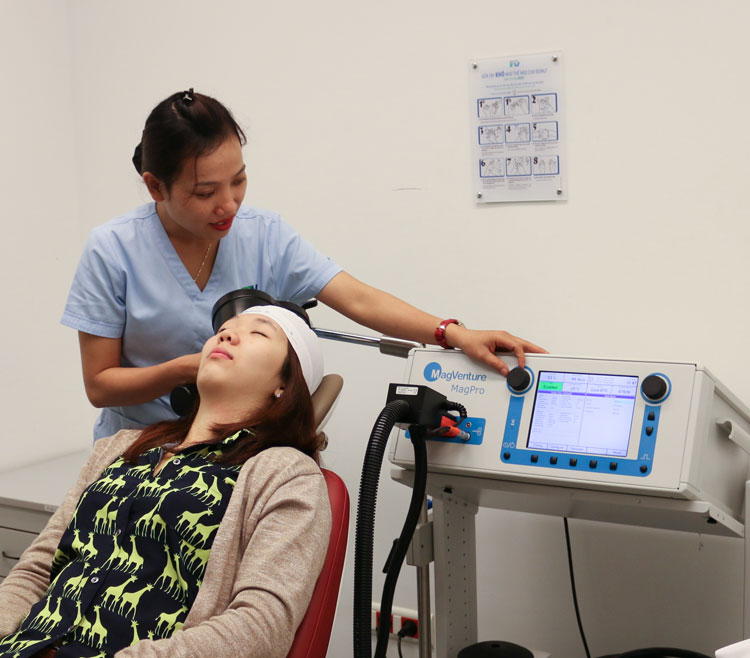
- Neurostimulation: for individuals who do not respond to traditional treatments, non-invasive brain stimulation like repetitive Transcranial Magnetic Stimulation (rTMS) can be an effective option. rTMS uses magnetic pulses to stimulate areas of the brain involved in mood regulation;
Please refer to our brochure: ‘Repetitive transcranial magnetic stimulation for chronic pain’.
- Lifestyle changes: exercising, eating a balanced diet, getting enough sleep, and maintaining a regular routine can make a significant impact on mood;
- Support groups: speaking with others who understand your experience can provide emotional support and encouragement during recovery.
HOW TO SUPPORT SOMEONE WITH DEPRESSION
Supporting a loved one with depression can be challenging, but your help is vital. Here are some ways you can support them:
- Listen without judgment: be patient and let them talk about their feelings without offering solutions right away;
- Encourage seeking professional help: gently suggest therapy or an evaluation if they haven’t already sought it out;
- Stay connected: regularly check in and encourage activities that promote well-being, like socialising or taking walks;
- Offer support without enabling: while it’s important to be empathetic, avoid enabling behaviours that might reinforce isolation or inactivity.
When to seek help
If depression is affecting your life or the life of someone you care about, it’s important to seek help as soon as possible. If thoughts of self-harm or suicide are present, immediate professional intervention is necessary. Depression is treatable, and support is available.
Get help at FV Hospital
At FV Hospital, we provide comprehensive care for those experiencing depression. Our team of mental health specialists is here to help you or your loved one through recovery.
You are not alone. Help is available.
Source of references:
World Health Organization (WHO)
National Institute of Mental Health (NIMH)
American Academy of Child & Adolescent Psychiatry (AACAP)
American Psychiatric Association (APA)