Table of contents
WORRIED ABOUT BAD BREATH?
Bad breath, or halitosis, is an unpleasant odour coming from the mouth. It’s a common concern that can affect anyone, often causing embarrassment and impacting social confidence. Understanding the causes and management strategies can help you maintain fresh breath and improve your overall oral health.
WHAT CAUSES BAD BREATH?
Most cases of bad breath (80–90%) originate inside the mouth, but it can also be a sign of underlying health conditions.
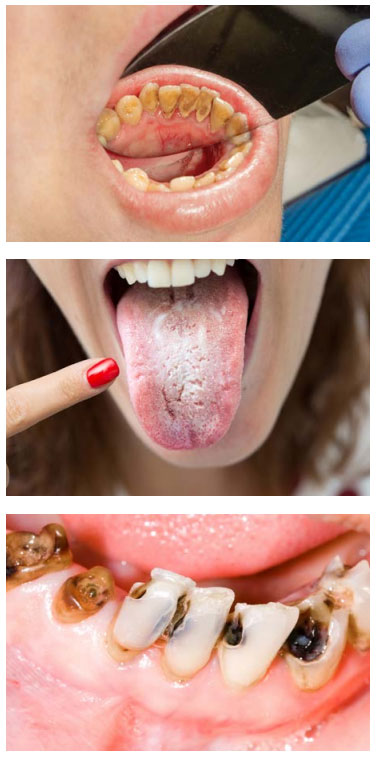
Common oral causes:
- Bacteria: microbes breaking down food particles and dead cells release smelly gases (called Volatile Sulphur Compounds – VSCs);
- Poor oral hygiene: plaque and food debris let bacteria grow easily;
- Tongue coating: bacteria often accumulate on the surface of the tongue, particularly toward the back;
- Gum disease (gingivitis or periodontitis): infections around the teeth create deep pockets where bacteria thrive;
- Tooth decay (cavities): food and bacteria trapped in decayed areas produce unpleasant odour;
- Dry mouth (xerostomia): less saliva results in decreased natural cleaning;
- Other oral causes: oral infections, poorly fitting dentures or braces can trap food and bacteria.
Causes outside the mouth:
- Foods: garlic, onions, spices cause lasting odours;
- Smoking or tobacco: produces odour and worsens dry mouth;
- Alcohol or caffeine: can dry the mouth, reducing saliva;
- Medical conditions: sinus infections, tonsillitis, gastroesophageal reflux disease (GERD), diabetes, liver or kidney disease, postnasal drip, etc.
- Ketogenic diet (‘keto breath’): fat burning for energy instead of carbs, it produces ketones like acetone, causing a fruity or nail polish remover-like breath;
- Medications: some drugs cause dry mouth or release odours through breath.

WHEN SHOULD YOU SEEK HELP?
- Bad breath persists despite good oral hygiene.
- Mouth pain, swelling, or bleeding gums.
- Difficulty swallowing, fever, or signs of infection.
- Persistent bad breath even after oral causes are ruled out.
HOW IS BAD BREATH TREATED?
Treatment depends on the cause. It may include:
- Improved oral hygiene: brush twice daily, floss, and clean your tongue thoroughly;
- Use mouthwash: especially antibacterial or odour-neutralising rinses;
- Dental treatment: treat cavities, gum disease, and fix faulty restorations;
- Professional cleaning: to remove deep plaque and tartar;
- Manage dry mouth: stay hydrated, drink water, chew sugar-free gum, use artificial saliva if needed;
- Treat underlying medical conditions: reflux, diabetes, Ear-Nose and Throat (ENT) issues, etc.
A MULTIDISCIPLINARY APPROACH AT FV HOSPITAL
At FV Hospital, we offer a comprehensive service to manage halitosis, involving multiple specialties to ensure accurate diagnosis and personalised care:
- Dental and Maxillofacial Surgery
- Ear-Nose and Throat (ENT)
- Gastroenterology (Digestive health)
- Nutrition and Dietetics
- Additional support from: General Surgery, Pulmonology, Cardiology and Endocrinology, depending on your condition.
HOW CAN I PREVENT BAD BREATH?
- Brush and floss daily; use a tongue scraper to clean your tongue.
- Visit your dentist every 6 months for dental check-ups and professional cleaning.
- Drink plenty of water to keep your mouth hydrated and avoid dry mouth.
- Avoid tobacco and limit alcohol and caffeine, these can dry your mouth and cause odour.
- Eat a balanced diet with crunchy fruits and vegetables, limit sugary foods and drinks.
- Clean dentures or other dental appliances (e.g. retainers, mouth guards, etc.) regularly.
WHY IT MATTERS
Persistent bad breath is not just a social concern, it can be a sign of gum disease, digestive disorders, or other health issues that need medical attention. Taking preventive steps helps maintain both your oral health and overall well-being.
Take the First Step!
Concerning about your breath?
Scan the QR code below to complete a quick self-assessment and book an appointment with our Dental and Maxillofacial Surgery Department for your personalised evaluation.

Start your journey to fresher breath today!
Disclaimer: This leaflet provides general information and is not a substitute for professional medical or dental advice. Always consult a qualified healthcare provider regarding any health concerns or before making any decisions about your health or treatment.