On 6 December 2025, the auditorium at FV Hospital was filled from early afternoon. Nearly 200 physicians from a range of specialties gathered to examine a familiar yet highly challenging topic: “Diabetes – A Multidimensional Management Journey: From Prevention to Complications Treatment”, viewed through an integrated, multidisciplinary lens.
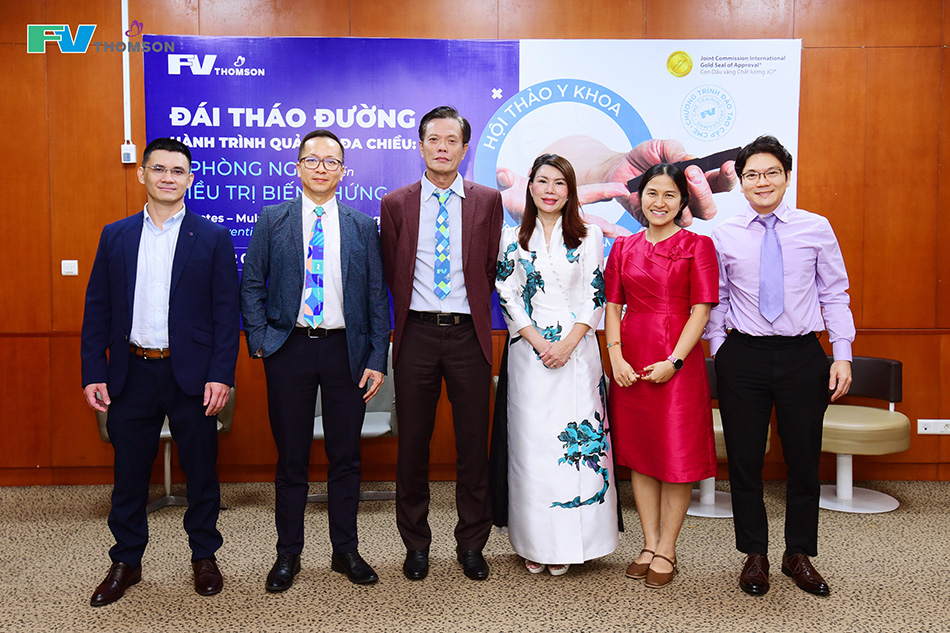
A medical symposium bringing together leading experts from multiple specialties.
Opening Session 1, Dr Nguyen Huu Man, Specialist Physician Level I, Endocrinology Department, at FV Hospital, guided participants through “Diabetes 2025: Updated Strategies in Comprehensive, Multidisciplinary Management.” He highlighted that today’s patients face not only hyperglycaemia, but also dyslipidaemia, hypertension, cardiovascular injury, chronic inflammation, renal impairment, and multiple silent complications. As a result, diabetes care must be a continuous collaboration among Endocrinology, Cardiology, Nutrition, Obstetrics, Intensive Care, and Musculoskeletal Medicine, rather than a single-specialty approach.
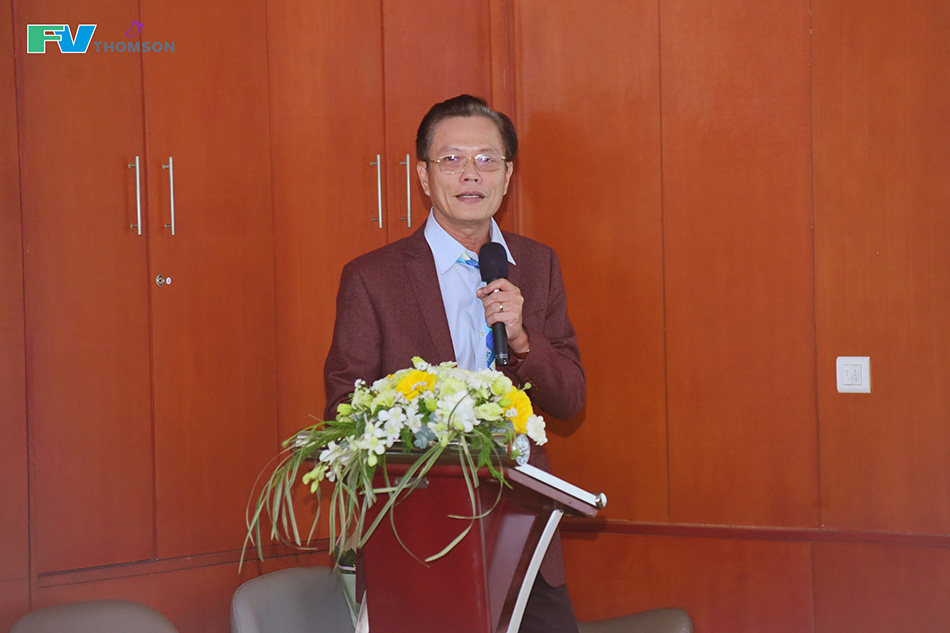
Dr Nguyen Huu Man, Specialist Physician Level I, Endocrinology Department, FV Hospital.
Continuing the programme, Ho Minh Tuan, MD, PhD, Head of Cardiology and Interventional Cardiology, presented “Semaglutide – A New Approach to Preventing Cardiovascular Events in Type 2 Diabetes.” Clinical data shared in the session showed that agents such as semaglutide and SGLT2 inhibitors not only reduce HbA1c, but also lower the risks of myocardial infarction, stroke, and hospitalisation for heart failure. This reflects a significant shift toward treatment strategies that address both glycaemic control and cardiovascular protection, particularly for patients with long-standing diabetes or those with coexisting cardiovascular disease.
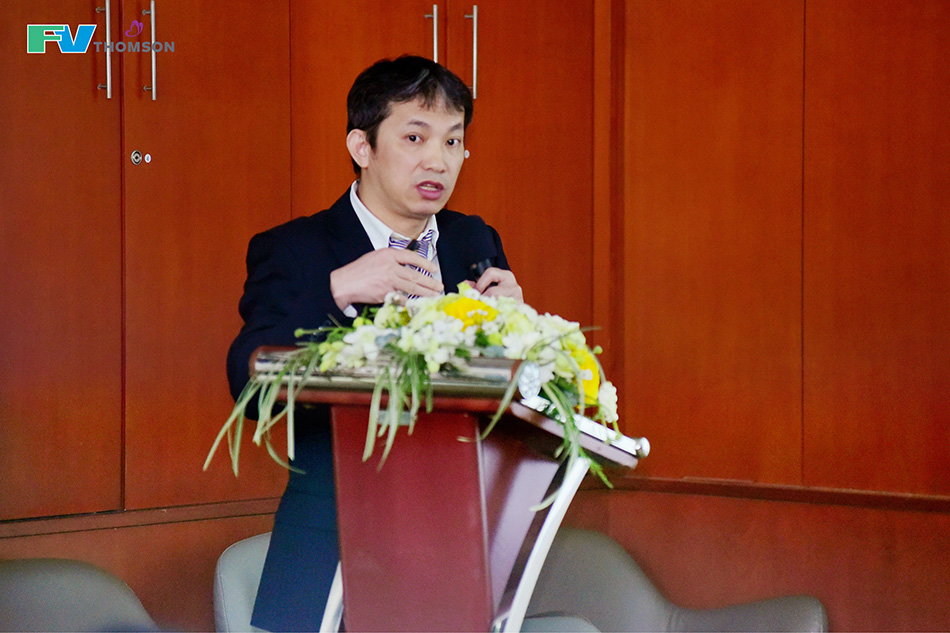
Ho Minh Tuan, MD, PhD, Head of Cardiology and Interventional Cardiology.
From a critical care perspective, Ly Quoc Thinh, MD, MSc, Specialist Level II , Head of Anaesthesiology, Intensive Care and Pain Management, presented “Clinical Challenges in Glycaemic Control in the Intensive Care Unit.” He outlined the constant glycaemic fluctuations seen in critically ill patients, driven by factors such as infection, organ dysfunction, and vasopressor use. In the ICU, even small deviations can have serious consequences, making effective glucose control dependent on close coordination among Intensive Care, Endocrinology, Nutrition, and Clinical Pharmacy.
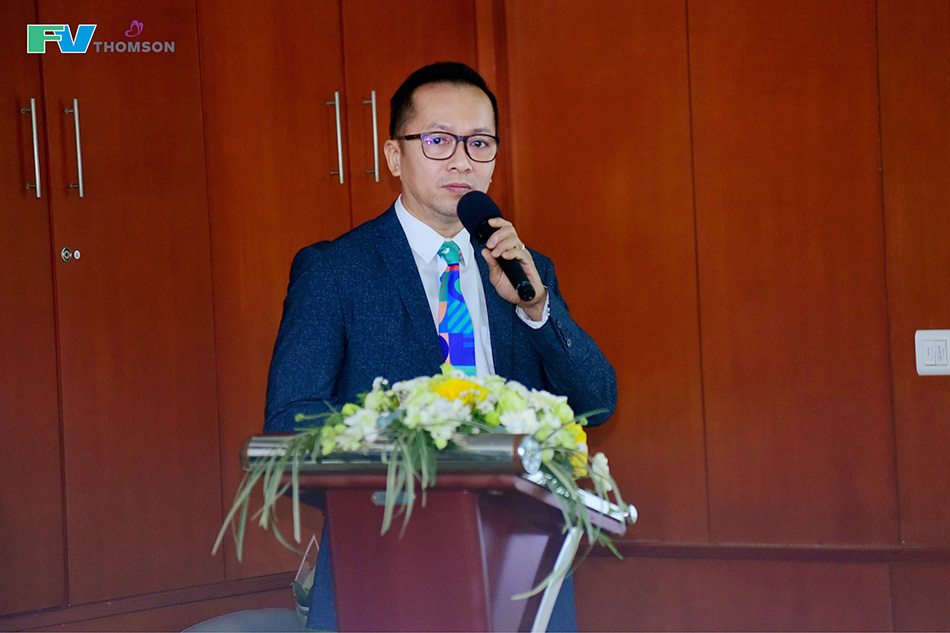
Ly Quoc Thinh, MD, MSc, Specialist Level II, Head of Anaesthesiology, Intensive Care and Pain Management.
MD, MSc Vo Trieu Dat, Head of FV Thomson Maternity Department, continued with “Gestational Diabetes: From Screening to Early Intervention.” He emphasised the importance of timely screening and close monitoring, noting that gestational diabetes affects maternal health during pregnancy and may increase a child’s future risk of obesity, metabolic disorders, and cardiovascular disease. Obstetrics, Endocrinology, and Nutrition form an essential triad in minimising complications for both mother and baby.
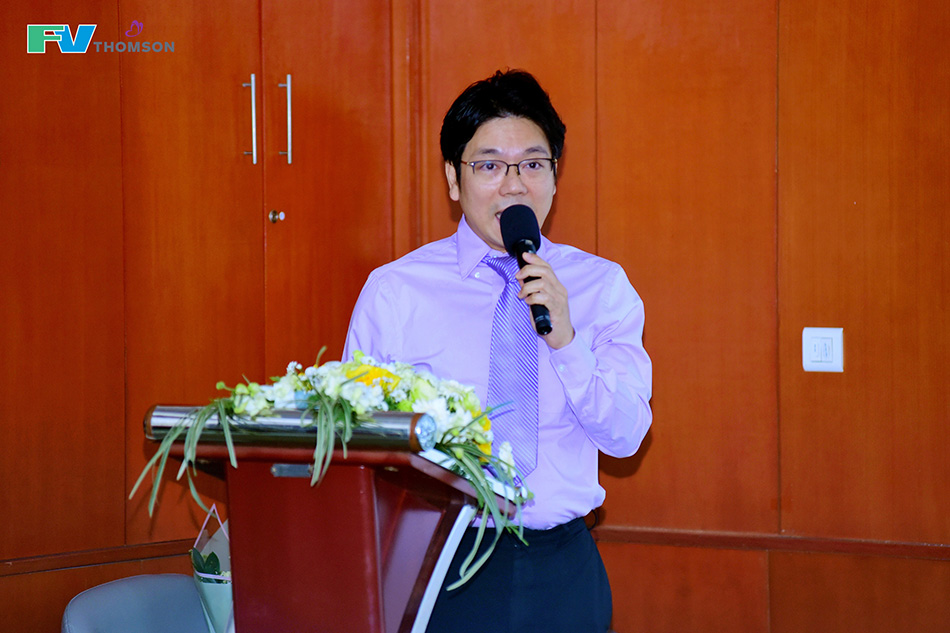
MD, MSc Vo Trieu Dat, Head of FV Thomson Maternity Department.
Moving into Session 2, Dr Truong Hoang Vinh Khiem, Specialist Level II, Orthopaedics and Hand Surgery, drew strong attention with “Diabetic Foot Complications: Current Treatments and Advanced Therapies.” He noted that most amputations begin with small, initially unnoticed ulcers. Factors such as poor perfusion, neuropathy, skeletal deformities, infection, and inappropriate footwear can rapidly accelerate disease progression. The presentation highlighted modern therapeutic options including VAC/NPWT, PRP/PRF, skin grafting, and reconstructive techniques, all aimed at limb salvage and preserving quality of life.
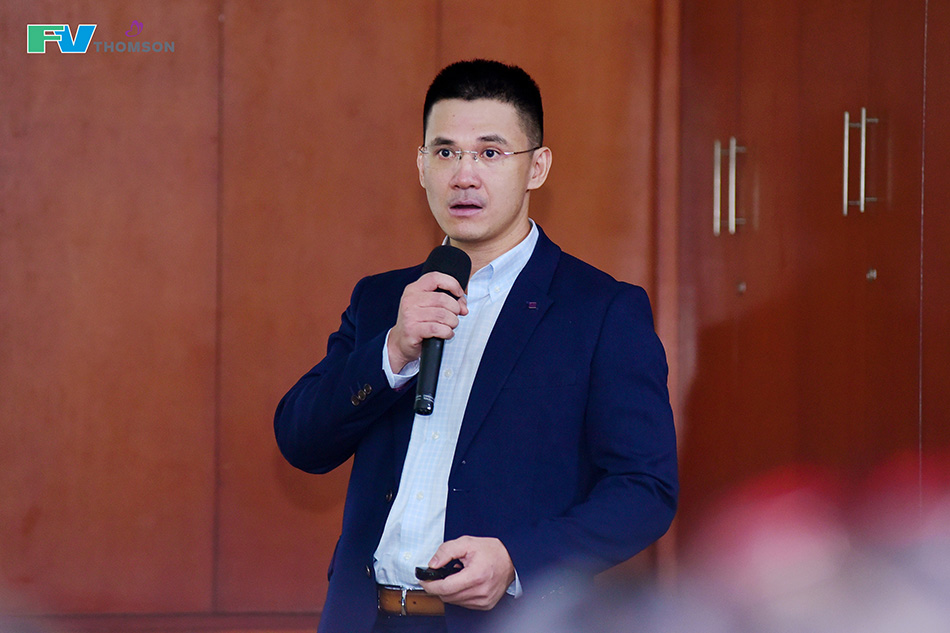
Dr Truong Hoang Vinh Khiem, Specialist Level II, Orthopaedics and Hand Surgery.
Next, MD, Specialist Level II Nguyen Thi Kim Huong, Rheumatologist, delivered “Osteoporosis Management in Diabetes: Should It Be Different?” She explained that although bone mineral density may appear normal or even elevated, bone quality in diabetes patients is significantly compromised by AGEs, chronic inflammation, and oxidative stress, leading to a markedly increased fracture risk, particularly hip fractures. As a result, treatment choices such as bisphosphonates and denosumab must be carefully tailored to the specific characteristics of this patient group.
MD, Specialist Level II Nguyen Thi Kim Huong, Rheumatologist.
Closing the scientific programme, Nguyen Viet Quynh Thu, MSc, Specialist Level II, Head of Nutrition and Dietetics Department, presented “Scientific Nutrition in Glycaemic Control: A Foundational Therapy in Diabetes Care.” She highlighted three essential principles:
- Never skip breakfast
- Maintain 2–3 structured main meals per day
- Prioritise low-glycaemic-index foods tailored to each patient’s energy needs
According to Dr Thu, appropriate nutrition not only stabilises blood glucose levels but can also reduce medication use and lower the long-term risk of complications.
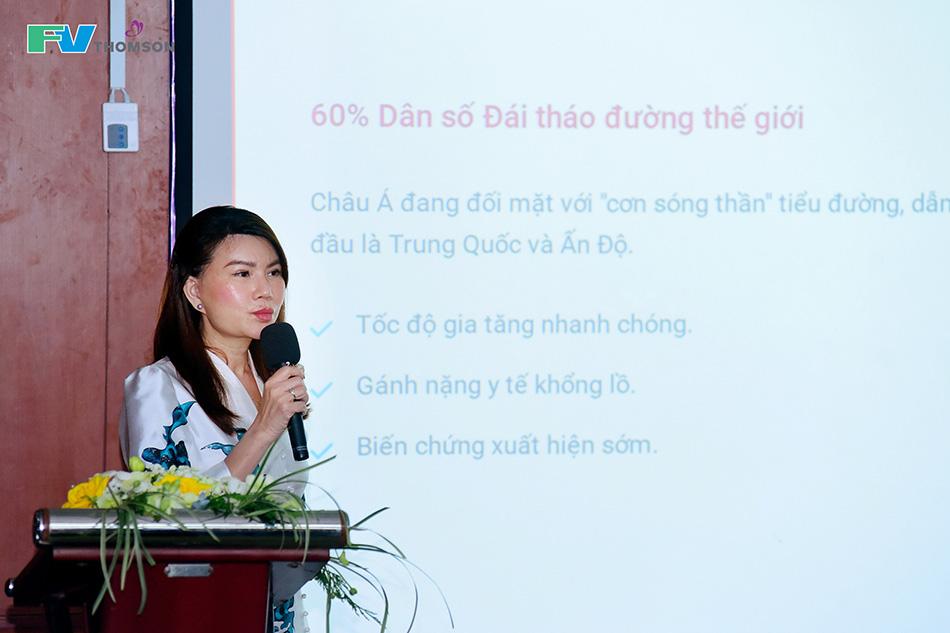
Nguyen Viet Quynh Thu, MSc, Specialist Level II, Head of Nutrition and Dietetics Department.
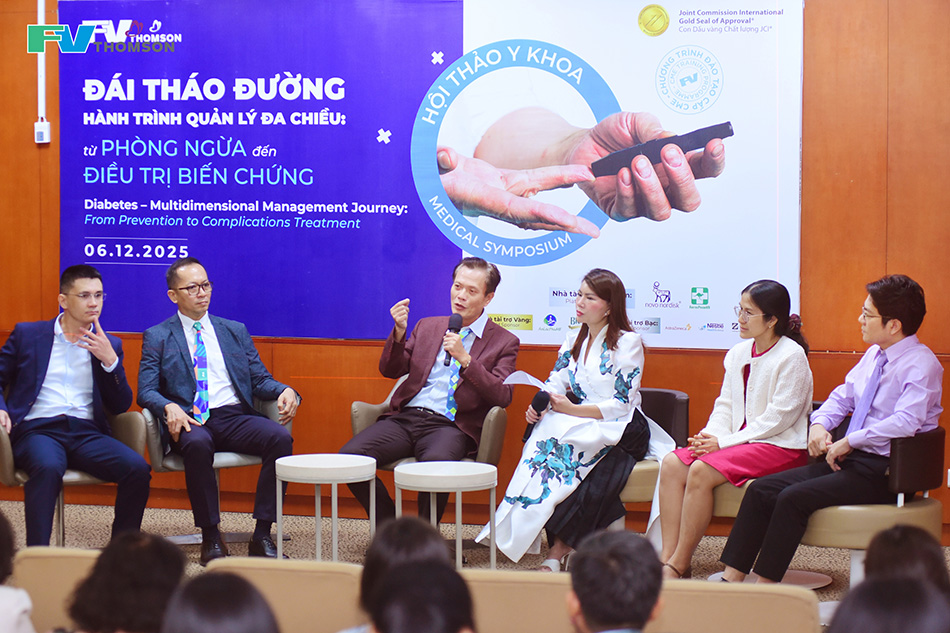
The experts discussed real-world clinical scenarios and exchanged approaches to management.
The symposium concluded with a dynamic discussion session, during which physicians from different specialties shared real-world clinical scenarios and exchanged management approaches. Despite their varied backgrounds, all agreed that effective diabetes care requires multidisciplinary collaboration, from diagnosis and treatment through to long-term complication management.
With its in-depth, practical scientific content, the 2025 Diabetes CME Symposium at FV Hospital delivered a comprehensive, up to date overview that supports improving care quality and helps people with diabetes live healthier, longer, and more fulfilling lives.