On 13 – 14 March 2026, FV Hospital was honoured to host the 3rd Annual Scientific Conference of the Ho Chi Minh City Radiation Therapy Technologists Association (HRTTA). The event welcomed over 200 delegates and featured 18 scientific presentations, offering deep insights into motion management technology for cancer radiotherapy.
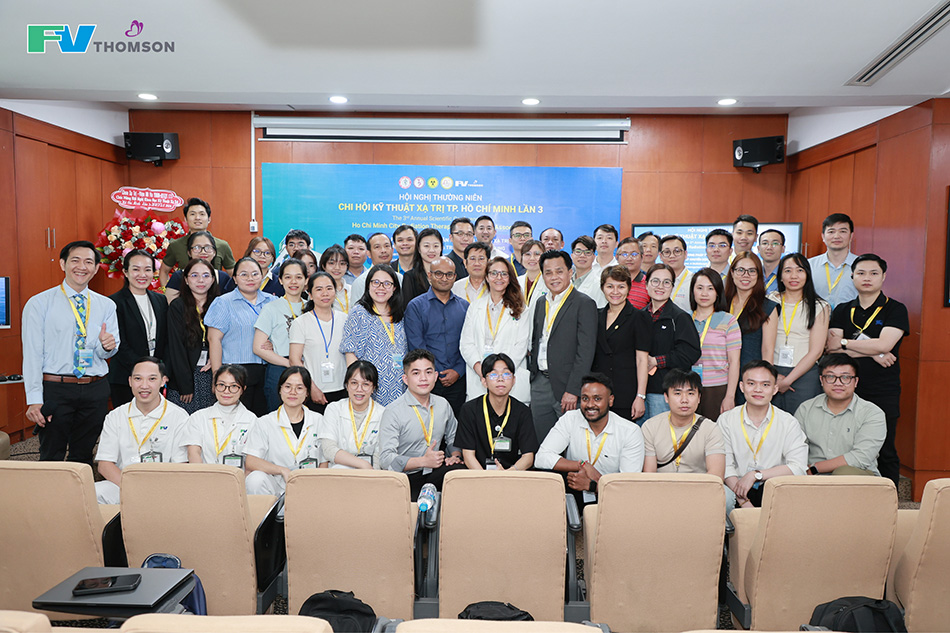
The event welcomed over 200 delegates
HRTTA 2026 serves as a respected academic platform for knowledge exchange and a vital link between radiation therapists, oncologists, and medical physicists – the multidisciplinary team at the heart of modern cancer care, working together to optimise treatment outcomes and improve patient prognosis.
Pre-Conference: Mastering motion management in thoracic and abdominal radiotherapy
The programme commenced on 13 March with a focused session on “Motion Management in Thoracic and Abdominal Radiotherapy.”
In his opening remarks, Dr Vu Truong Son, Medical Director of FV Hospital, emphasised: “Mastering advanced treatment techniques to deliver the best possible outcomes for oncology patients remains a core priority at FV. We are equally committed to sharing our expertise with the wider medical community to extend these benefits to more patients.”
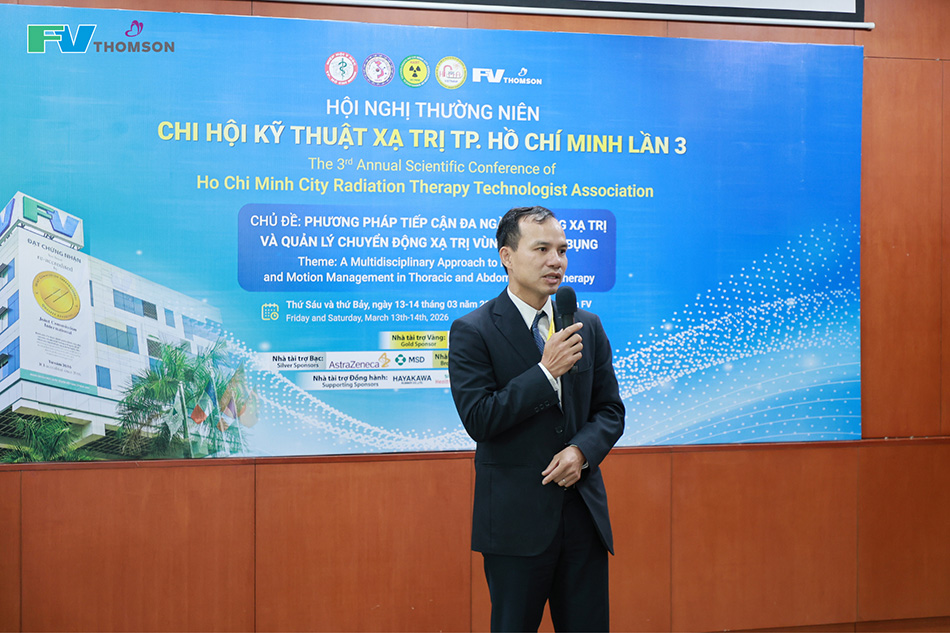
Dr Vu Truong Son, MSc – Medical Director, FV Hospital
Dr Basma Mbarek, MSc, Head of Hy Vong Cancer Centre, FV Hospital, expressed her sincere appreciation to all speakers and delegates. She noted that the strong participation of over 200 specialists is a powerful encouragement for FV to continue hosting high-quality scientific forums, contributing to the advancement of cancer care in Vietnam.
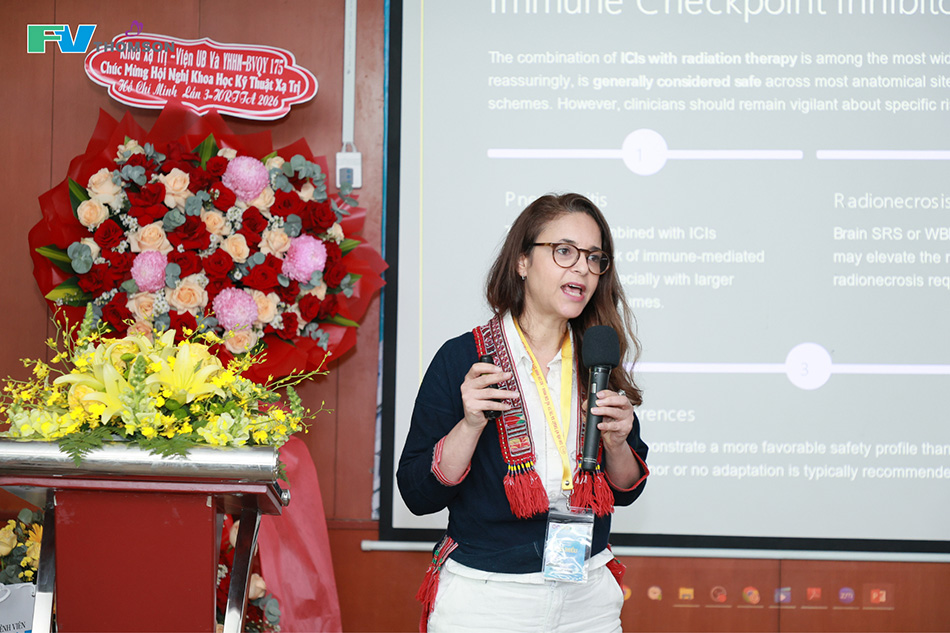
Dr Basma Mbarek, MSc, Head of Hy Vong Cancer Centre, FV Hospital
During this session, specialists from the Hy Vong Cancer Centre presented key technical aspects of respiratory motion management. Medical Physicist Hariprasanth Karthikeyan opened with an analysis of the physics of respiratory motion and its direct impact on dose planning.
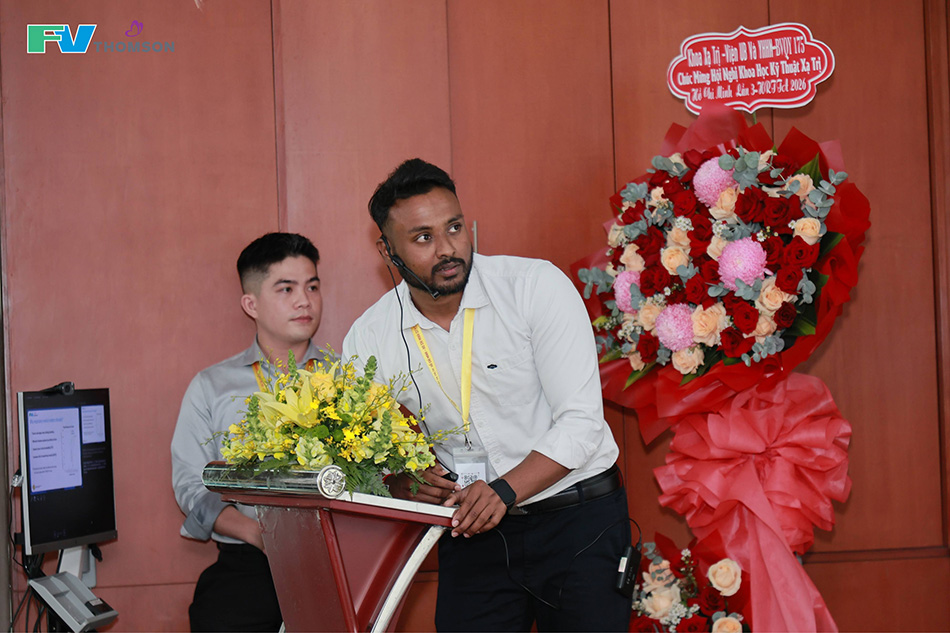
Medical Physicist Hariprasanth Karthikeyan
Dr Nguyen Huynh Ha Thu, MSc, Specialist Level I shared detailed clinical strategies including Deep Inspiration Breath Hold (DIBH) and Active Breathing Coordinator (ABC) techniques. The session concluded with practical guidance from Mr Phang Duc Tin, Radiotherapy Manager, on implementing these techniques in routine clinical practice.
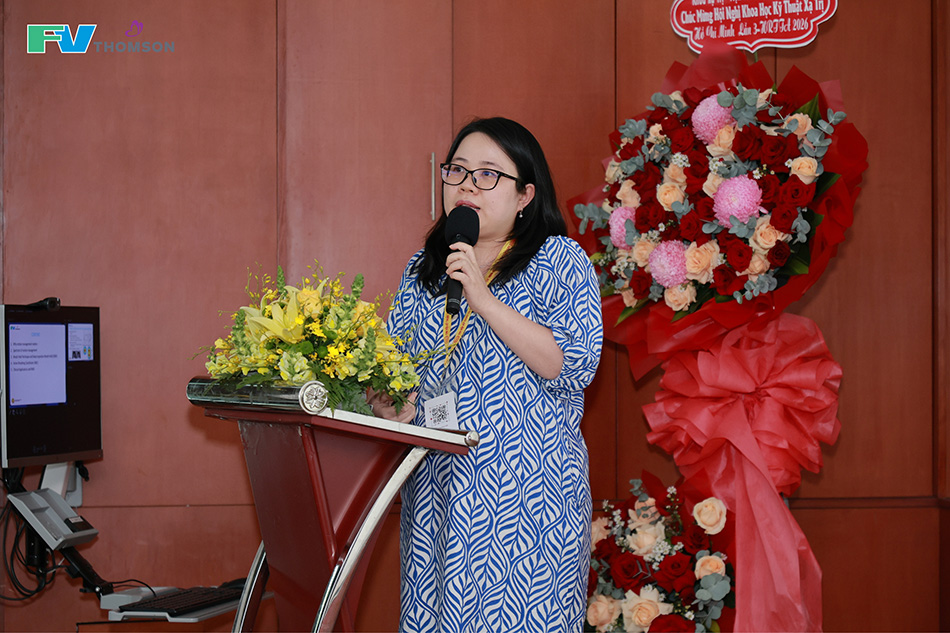
Dr Nguyen Huynh Ha Thu, MSc, Specialist Level I
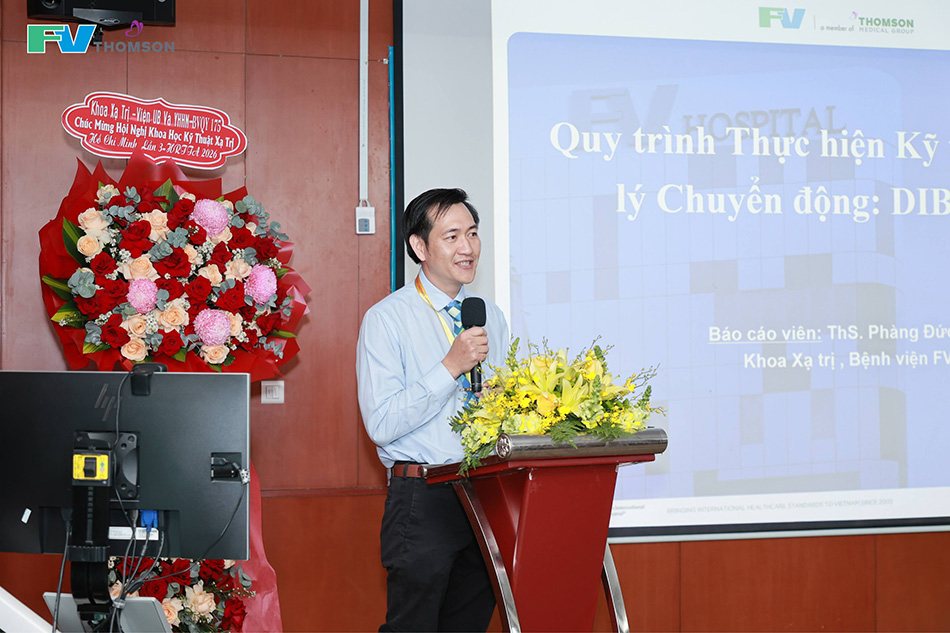
Mr Phang Duc Tin, Radiotherapy Manager
Two hands-on workshops at the Hy Vong Cancer Centre enabled delegates to translate theory into practice. As a pioneer in adopting these techniques, FV has demonstrated their effectiveness in optimising radiation dose delivery while protecting surrounding healthy tissues. In the spirit of collaboration, FV continues to share this expertise with peer institutions, supporting broader access to international standards of care.
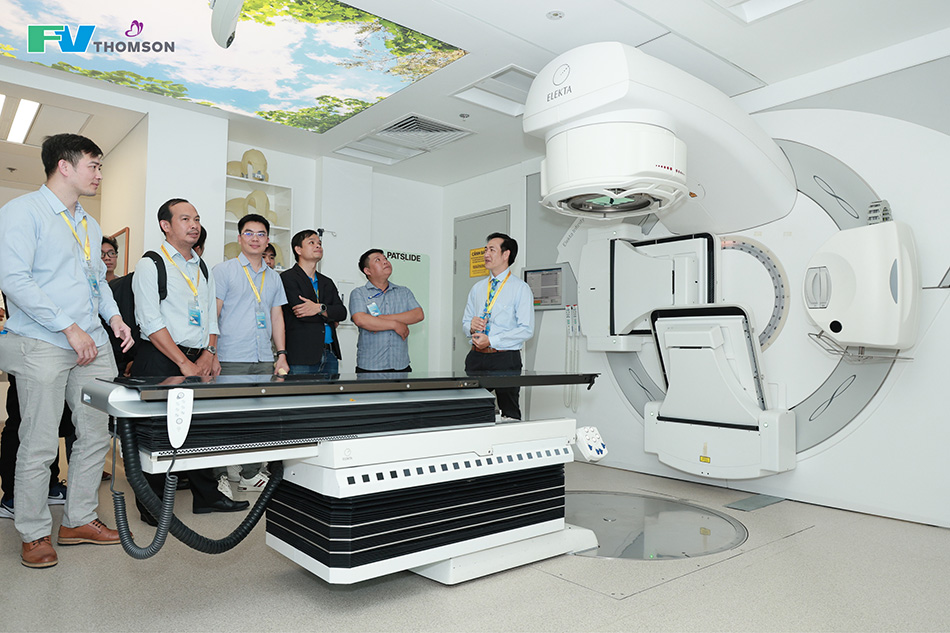
Two hands-on workshops at the Hy Vong Cancer Centre
Main Conference: A multidisciplinary approach with an international perspective
On 14 March, the conference held its main session titled: “Multi-disciplinary Approach in Radiotherapy and Motion Management for Thoracic and Abdominal Areas.” The programme featured 18 high-quality presentations and welcomed speakers from leading Vietnamese institutions, including Bach Mai Hospital, Cho Ray Hospital, 108 Military Central Hospital, and Ho Chi Minh City Oncology Hospital, alongside international experts from France, Japan, Thailand, Australia, Hong Kong, Taiwan, and Singapore.
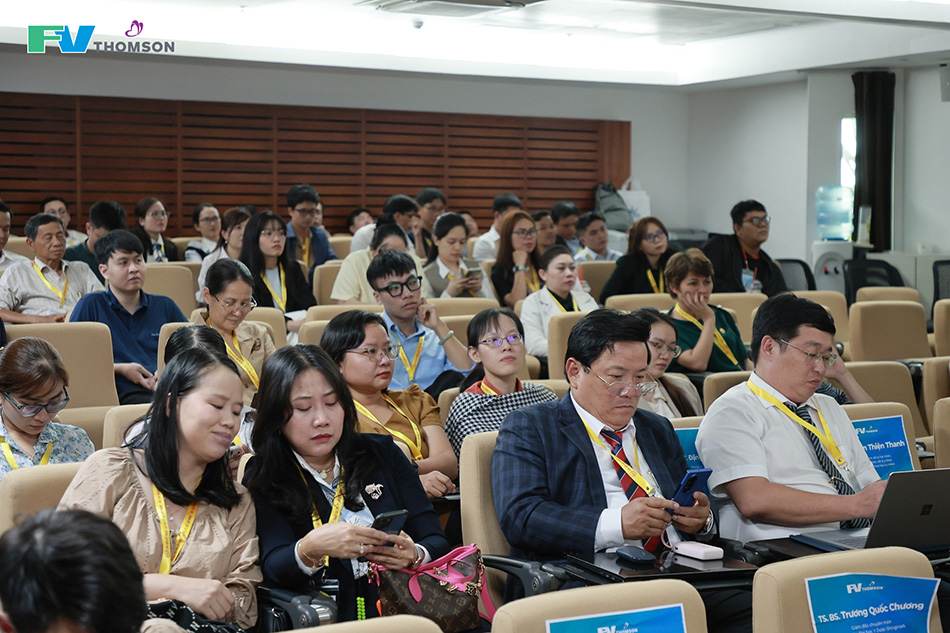
The programme brings together speakers from leading hospitals in Vietnam, alongside international experts
Speaking at the event, Mr Tan Chek Wee, Vice President of the International Society of Radiographers and Radiological Technologists (ISRRT), commented: “FV Hospital’s proactive adoption of advanced techniques is highly commendable. By embracing cutting-edge technologies, FV delivers tangible and meaningful benefits to patients.”
Mr Thai Van Loc, President of the Ho Chi Minh City Medical Association, also commended FV’s role in organising large-scale scientific forums, noting that its continued academic engagement reflects a strong commitment to improving clinical quality and contributing to the wider medical community.
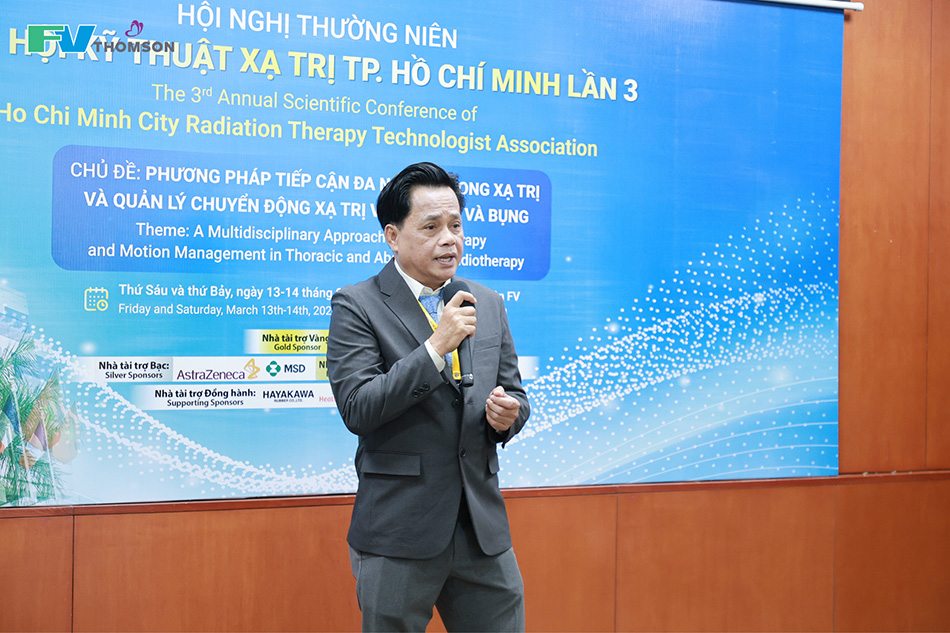
Mr Thai Van Loc, President of the Ho Chi Minh City Medical Association
FV Hospital uses advanced radiotherapy technologies such as IMRT, VMAT, SBRT, and SRS to achieve the best results. At the heart of this system is the Elekta Infinity linear accelerator, which includes Cone Beam CT technology. This allows specialists to perform Image-Guided Radiotherapy (IGRT) with total precision.
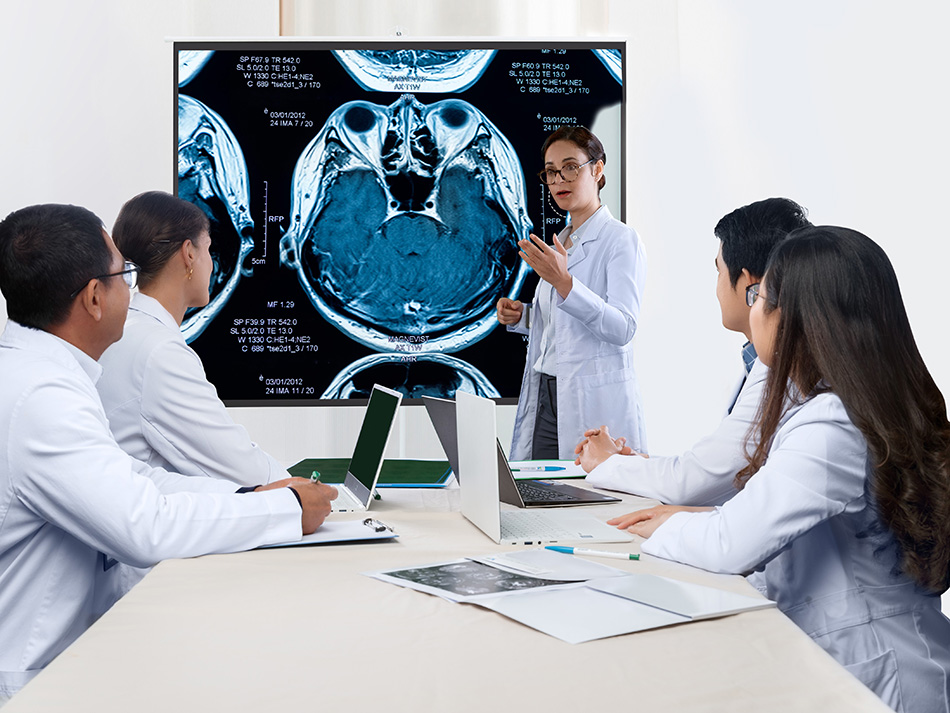
Hy Vong Cancer Centre – where treatment is personalised to each patient, enhancing quality of life
Building on this foundation, Hy Vong Cancer Centre provides personalised treatment plans for every patient through a multidisciplinary approach. This involves a flexible combination of surgery, chemotherapy, radiotherapy, and targeted therapy. Beyond medical treatment, FV also prioritises the patient’s quality of life through a support network covering nutrition, psychological, and social care.
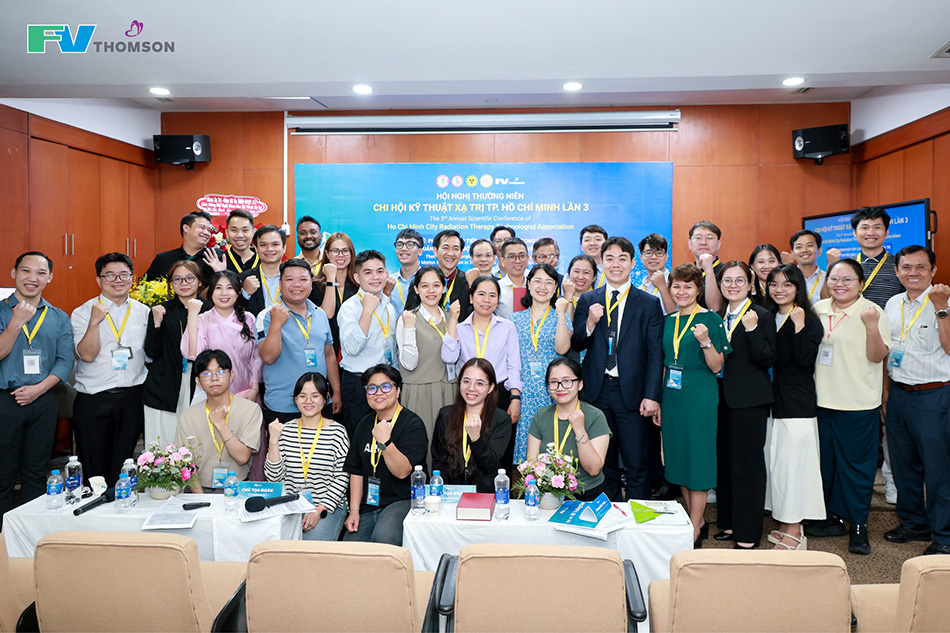
The 3rd Annual Scientific Conference, hosted by FV Hospital, concluded successfully
Closing the 3rd annual event, HRTTA 2026 provided practical knowledge and specialist technical solutions. This success reaffirms FV Hospital’s position in applying modern medicine with a clear focus on patient care.
At the 2026 Radiotherapy Conference, the combination of Deep Inspiration Breath Hold (DIBH) and Active Breathing Coordinator (ABC) was highlighted as a significant advancement in the treatment of thoracic and abdominal cancers.
Normally, when treating tumours in the lungs, liver, or left breast, natural breathing causes the tumour to move constantly. This movement turns the tumour into a “moving target,” making it difficult to aim radiation beams with perfect accuracy. The combination of DIBH and ABC acts as an intelligent coordinator to solve this problem: When a patient takes a deep breath, the lungs inflate and act like a protective cushion. This physically pushes the heart and healthy tissue away from the area receiving radiation. The ABC device then helps the patient comfortably and steadily hold that breath for about 15 to 20 seconds.
This coordinated approach allows radiation beams to be delivered with a high degree of accuracy, minimising exposure to adjacent organs. It plays a key role in improving treatment outcomes while preserving long-term patient health.