The UK-based Women’s Tabloid has awarded Ms Tran Le Quyen, Chief Financial Officer of FV Hospital, the title Best Emerging Woman CFO in Healthcare 2025.
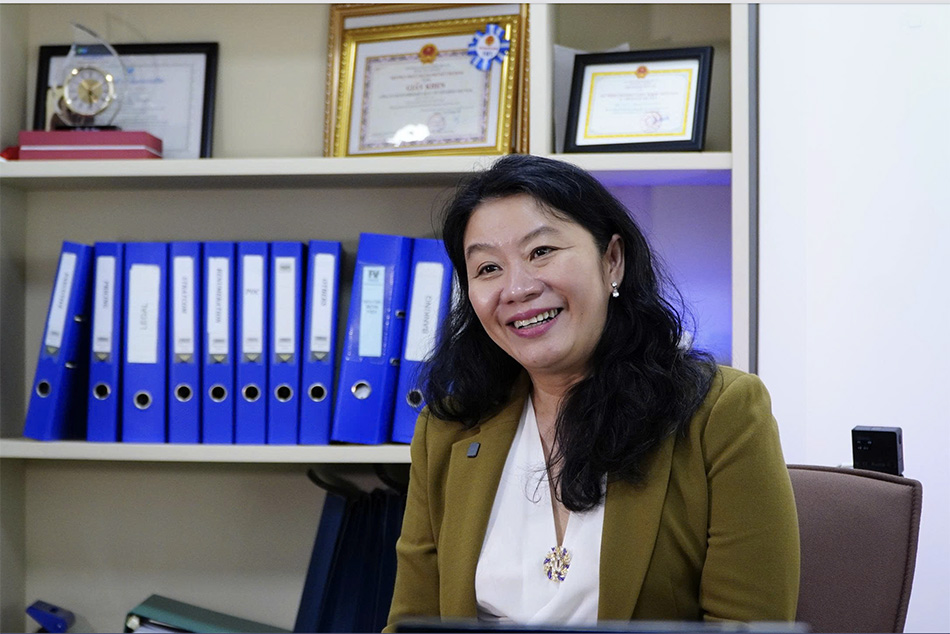
“When hospital finance is managed effectively, it contributes directly to better clinical outcomes — saving even more lives,” said Ms Tran Le Quyen, CFO of FV Hospital.
Our conversation with FV’s financial leader reveals a compelling insight: behind the numbers lies a deeply human-centred principle — that every financial decision must ultimately serve the best interests of patients.
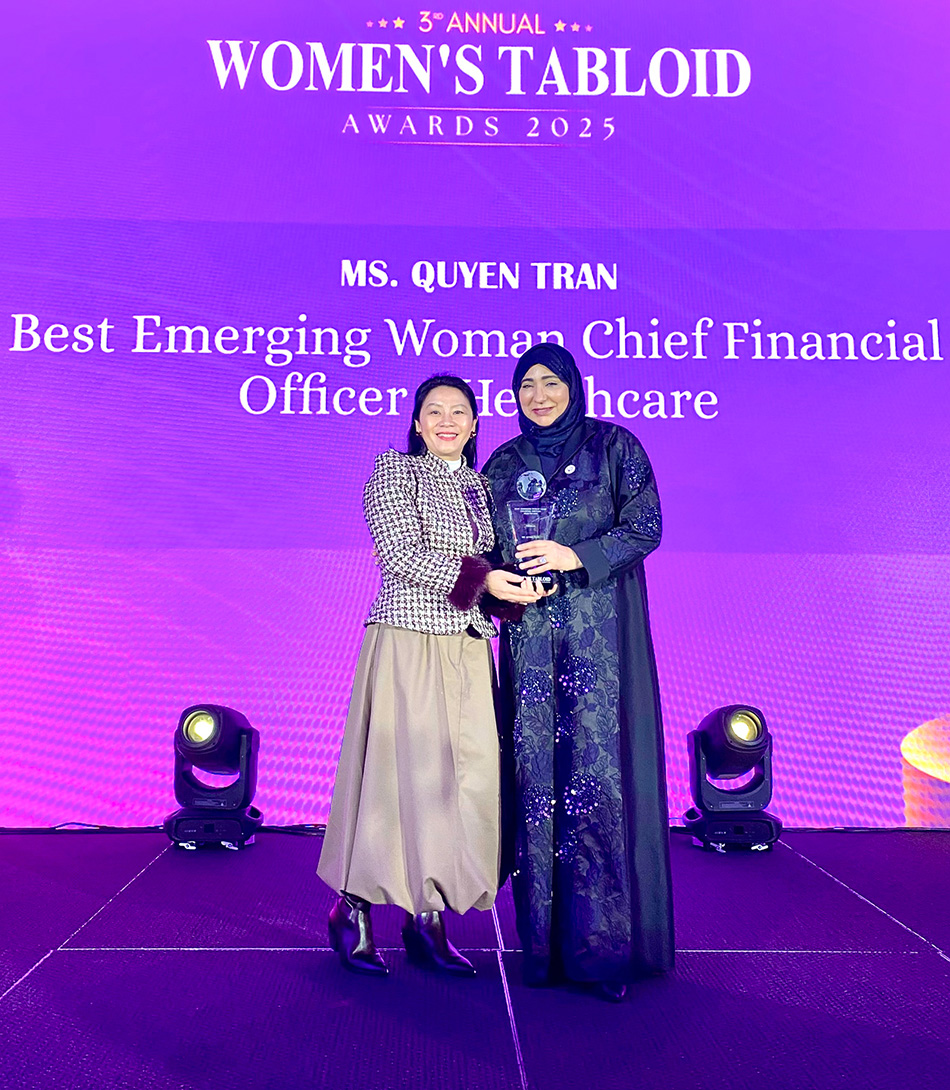
Ms Tran Le Quyen was formally recognised as Best Emerging Woman CFO in Healthcare 2025 at the Women’s Tabloid Awards held in Dubai.
Congratulations on receiving the prestigious Women’s Tabloid Award 2025. How does it feel to see your name recognised among distinguished female leaders from around the world?
Ms Tran Le Quyen: The award came as a complete surprise. Women’s Tabloid learned about me through FV’s merger with Thomson Medical Group. To be honest, I have always focused on my responsibilities and considered myself part of the FV family. It was only when I stood at the ceremony in Dubai, among awardees from the United States, France and across Europe, that I fully appreciated the significance of this recognition — that work carried out at a hospital in Vietnam could be acknowledged on an international stage.
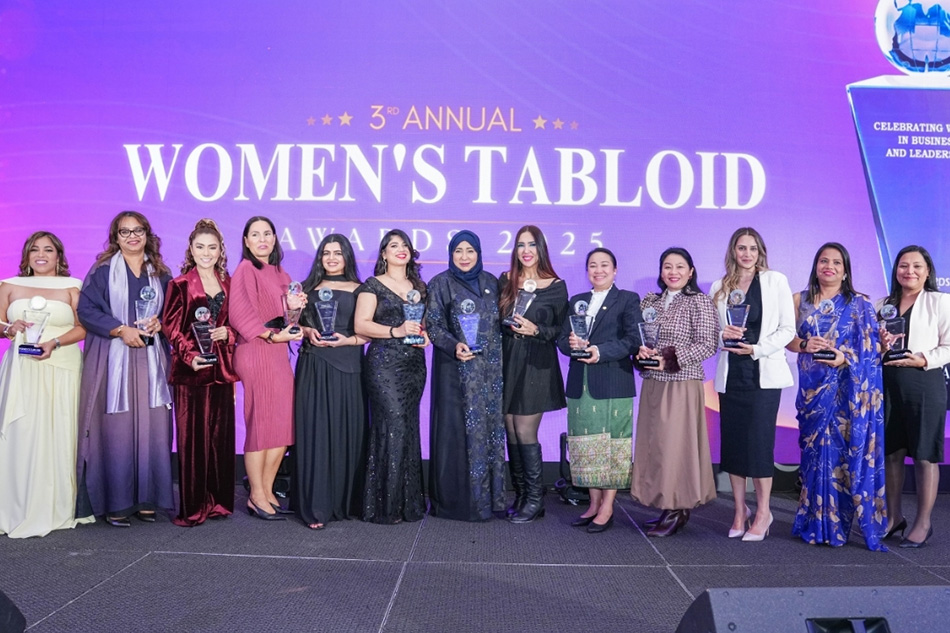
Ms Tran Le Quyen (fourth from right) with fellow global female leaders at the Women’s Tabloid Awards 2025.
As one of the architects of FV’s financial system since 2002, how did you initially envision its development and structure?
Ms Tran Le Quyen: At the time, there was no established framework for hospital finance in Vietnam. Drawing on my training and experience in the United States, I was clear on one principle: effective cash flow management and sustainable business performance are central to a CFO’s role. I have always regarded finance as an enabler of operational excellence.
In healthcare, the ‘product’ is not a tangible good. It is the collective expertise of doctors and nurses, supported by medical equipment and systems, all serving patients. I was involved in building the hospital’s financial architecture, from medical records systems to accounting and IT infrastructure, ensuring that cost allocation and revenue recognition accurately reflected clinical activities.
FV’s financial system was built from the ground up, with every figure grounded in operational reality — a mindset that continues to define our approach today.
FV began as a greenfield project, funded with 70 percent debt. How challenging were those early years?
Ms Tran Le Quyen: The first four years were financially very demanding. At that time, private healthcare was still relatively new in Vietnam, and it took time to earn patients’ trust.
FV secured funding from the International Finance Corporation (IFC), part of the World Bank Group, which imposed rigorous standards on transparency, timeliness and reporting accuracy. Although Vietnam had not yet established clear standards for private hospital finance, FV implemented international standards from the outset.
Looking back, which milestone first signalled that your financial framework was truly delivering results for the hospital?
Ms Tran Le Quyen: The turning point was our debt restructuring programme in 2007. While it may sound technical, it was essential to FV’s survival. The programme enabled us to save approximately USD 13 million from a total investment of USD 44 million. This significantly reduced financial pressure and allowed the hospital to stabilise and grow.
Given your background in international auditing and US healthcare finance, how do you assess the current landscape of hospital finance?
Ms Tran Le Quyen: Healthcare is arguably one of the most complex sectors. Unlike other industries with standardised products and predictable cost structures, hospital operations vary significantly. Each procedure involves different combinations of consumables, equipment and clinical expertise.
Patient profiles also vary significantly, ranging from routine interventions to complex cases involving multiple comorbidities, resulting in highly variable treatment durations and costs.
Designing a pricing framework that is competitive, transparent, cost-reflective and financially sustainable is therefore extremely challenging. To achieve this, the financial system must be highly granular and closely aligned with actual clinical operations at the department level.
Financial decisions significantly influence treatment outcomes. How does FV approach this challenge to ensure high-quality patient care?
Ms Tran Le Quyen: From the outset, FV has remained committed to a patient-centred mission. I am proud to say that financial considerations have never interfered with clinical decision-making.
There are many ways to increase profitability, such as increasing tests, reducing length of stay or opting for lower-cost materials. However, FV does not pursue these approaches. Clinical decisions are governed by our medical boards, while the role of finance is to focus on optimising processes and procurement to ensure clinicians have the best possible conditions to treat patients.
Despite being a top-tier investor in state-of-the-art equipment, FV has maintained stable pricing amid volatile economic conditions and rising operating costs. What is the financial strategy behind balancing heavy investment with price stability?
Ms Tran Le Quyen: This is a challenge we manage daily. Our reporting system offers detailed visibility down to each department, and I am directly involved in negotiating with key suppliers to secure optimal pricing and terms.
Equally important is striking the right balance between pricing and high-quality care to sustain patient volume. This enables us to recover our investment within or ahead of planned timelines.
For example, when we invested more than USD 5 million in the Hy Vong Cancer Centre in 2018, its annual revenue stood at approximately USD 2 million. Today, through optimised use of equipment and high-quality yet affordable care, that figure has exceeded USD 10 million annually.

FV has recently invested in the Da Vinci Xi robotic surgical system, valued at over USD 3 million.
FV has also recently invested more than USD 3 million in the advanced Da Vinci Xi Surgical System, one of the most modern robotic surgery platforms in Southeast Asia. While robotic surgery delivers significant benefits, costs remain high, and we are working closely with partners to make this technology more accessible to patients.
FV’s merger with Thomson Medical Group is considered one of the most high-profile M&A transactions in the private healthcare sector. As the executive who led this deal to completion, how did it feel to finally close the transaction?
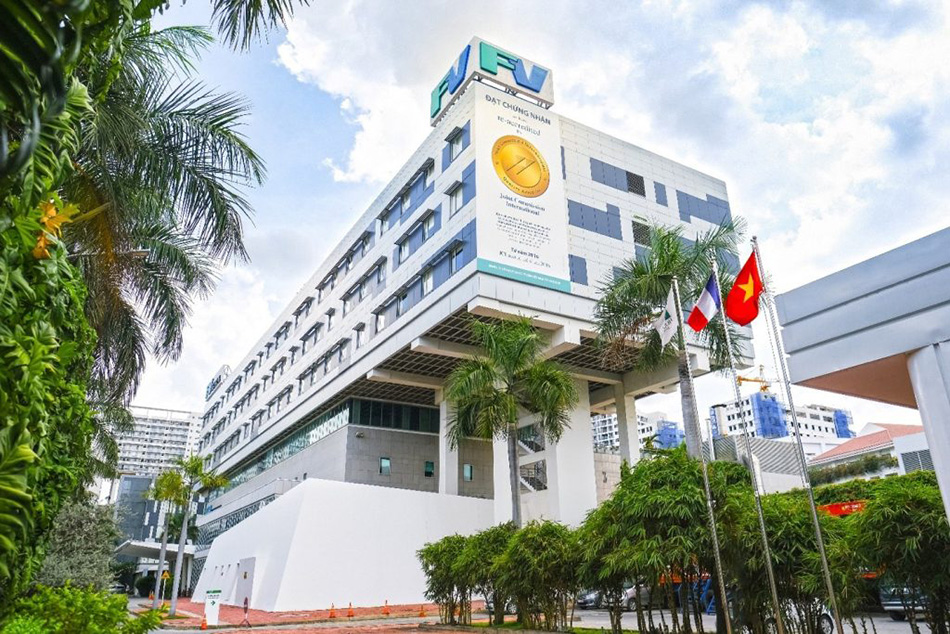
Ms Quyen led the record-breaking USD 382 million M&A transaction in 2023, facilitating the transition from FV’s founders and investors to Thomson Medical Group.
Ms Tran Le Quyen: It was truly a ‘wow’ moment. In reality, however, it represented the culmination of nearly three years of preparation and more than two decades spent building a robust financial system.
FV confidently pursued a competitive bidding process involving multiple investors. With detailed financial data across 60 departments, we were able to provide full transparency. Investors recognised not only the hospital’s tangible assets, but also a well-structured, scalable and transparent operating model — a quality that Thomson particularly valued.
After more than 20 years in healthcare finance, how would you define the role of a CFO today?
Ms Tran Le Quyen: A CFO is a strategic partner in building sustainable financial foundations. This requires strong emotional intelligence, resilience and a continuous commitment to learning, including the adoption of AI.
When finance is executed effectively, it not only supports organisational growth but also directly strengthens quality of care and can ultimately help save lives.
Ms Tran Le Quyen joined FV in 2002 as a Financial Analyst and has served as Chief Financial Officer since 2010. After eight years in the United States, she returned to FV in 2017 in the same role and has since led several key milestones, including:
- Playing a pivotal role in Vietnam’s largest healthcare M&A transaction, valued at USD 382 million, with Thomson Medical Group in 2023
- Serving as a key strategic partner to CEO Dr Jean-Marcel Guillon in expanding FV’s clinical ecosystem, including the Hope Cancer Centre and Cardiology Centre, as well as introducing advanced technologies such as the CyberKnife S7 and Da Vinci Xi system
- Safeguarding financial stability and driving sustainable growth through challenging periods, including the COVID-19 pandemic
She is also one of four Vietnamese female leaders recognised at the Women’s Tabloid Awards 2026, alongside senior executives from major organisations including Vinamilk.