Lung cancer treatment is entering a new era of personalised care. By analysing the genetic and molecular characteristics of each tumour, doctors at FV Hospital can design treatment plans tailored to each patient, moving beyond the traditional one-size-fits-all approach to care.
Mapping tumour biology: Identifying the right target for treatment
In the past, patients with non-small cell lung cancer were often treated using a standard approach, which could limit treatment effectiveness. Advances in molecular medicine have transformed lung cancer care, allowing treatment to be tailored more precisely to each patient.
Dr Vo Kim Dien, Deputy Head of Hy Vong Cancer Centre at FV Hospital, explains that lung cancer patients are now classified into specific subgroups based on genetic mutations (such as EGFR, ALK, KRAS, and ROS1) or PD-L1 protein expression levels. This helps doctors identify which treatment is most likely to work for each patient.
“Molecular testing is now a mandatory step before a treatment plan can be developed. Identifying the specific mutation helps doctors select the most appropriate targeted therapy, improving treatment outcomes and helping to maximise survival outcomes for patients” Dr Vo Kim Dien emphasised.
In Asia, EGFR mutations are found in around 14% to 46% of lung cancer cases. Notably, this mutation is commonly seen in women with lung cancer, including those with no history of smoking. Targeted therapy not only helps control advanced-stage disease but can also be used after surgery in early-stage cancer to support recovery and reduce the risk of recurrence.
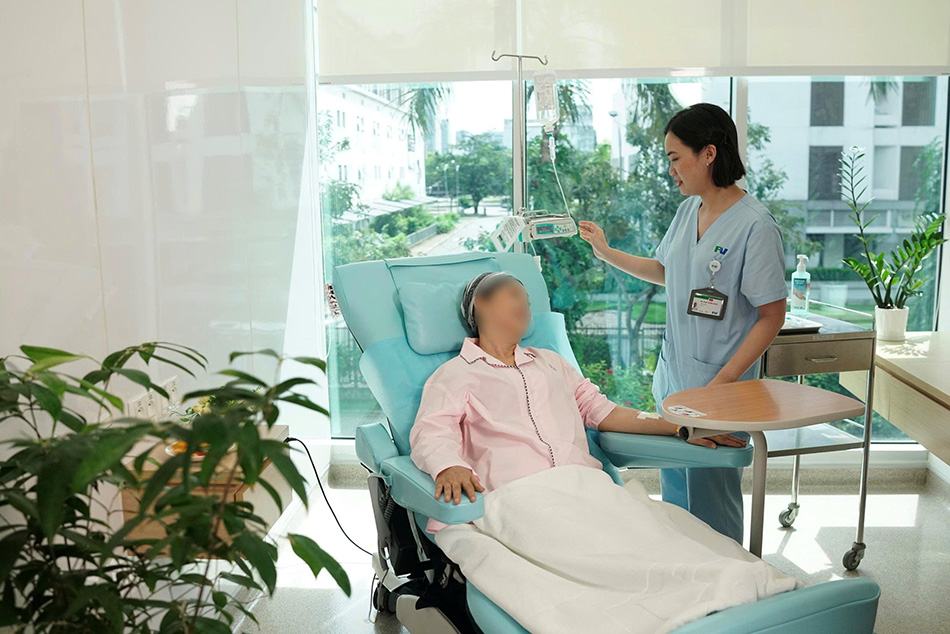
Personalised treatment at FV Hospital helps lung cancer patients manage their condition (Photo: FV)
Dr Vo Thi Phuong Thao, MSc, Senior Consultant at Hy Vong Cancer Centre, FV Hospital, shared the case of a 48-year-old woman who had never smoked and was diagnosed with early-stage lung cancer carrying an EGFR mutation. Following a personalised treatment plan, the patient received four cycles of adjuvant chemotherapy followed by three years of targeted therapy. More than 53 months after treatment, the patient remains well, with no evidence of recurrence or disease progression.
Another case involves a woman diagnosed with metastatic lung cancer in 2018. After a genetic mutation was identified and appropriate targeted therapy was prescribed, she continues to live well and remains clinically stable after many years of successful disease control.
da Vinci Xi robotic surgery: Precision treatment while preserving lung function
Alongside advances in medical oncology, thoracic surgery is also evolving through robotic technology and earlier intervention strategies.
Dr Dang Dinh Minh Thanh, PhD, Specialist Level II, Head of the Thoracic Surgery Department and Head of the FV da Vinci Robotic Surgery Centre, explained that small lung nodules measuring under 3 cm and located deep within the lung can be challenging to diagnose. While transthoracic needle biopsy is commonly used, it may occasionally lead to complications such as pneumothorax (collapsed lung) or produce inconclusive or false-negative results.
“A minimally invasive approach combined with an intraoperative frozen section biopsy can provide an effective solution. With results are available within 20–30 minutes, doctors can determine the extent of lung resection and perform lymph node dissection during the same operation. This approach helps ensure cancerous tissue is removed while preserving as much healthy lung tissue as possible,” Dr Dang Dinh Minh Thanh said.
At FV Hospital, this approach is supported by the da Vinci Xi robotic system, which enables surgeons to perform highly precise movements in confined surgical spaces and maintain greater control during complex procedures. For suitable patients, this may support faster recovery following surgery.
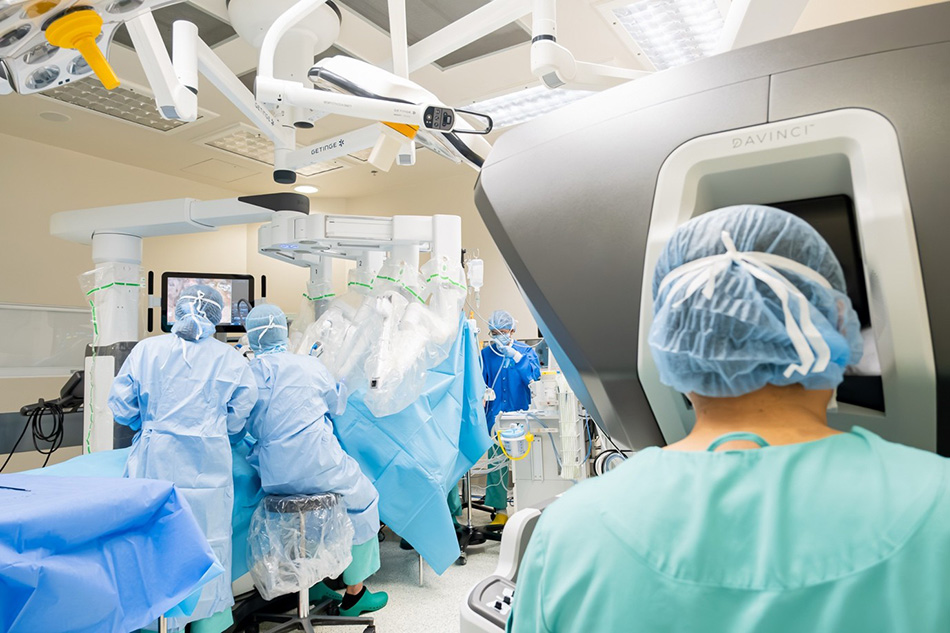
An FV surgeon performs lung tumour surgery using the da Vinci Xi robotic system (Photo: FV)
Dr Dang Dinh Minh Thanh shared the case of a 68-year-old woman with a solid lung nodule suspected to be cancerous. Using the da Vinci Xi robotic system together with an intraoperative frozen section biopsy, the surgical team removed the section of lung containing the tumour and completely excised the suspicious lesion. Subsequent analysis confirmed clear surgical margins and no malignant cells in the lymph nodes. The patient made a remarkable recovery after surgery while maintaining good respiratory function.
In another case, a patient with a small lung nodule was monitored for 17 months because it was initially suspected to be benign. After multiple pre-operative biopsies produced inconclusive results, surgery was performed and the tumour was subsequently confirmed to be cancerous. Dr Dang Dinh Minh Thanh emphasised that personalising the surgical approach, including the use of robotic surgery combined with early intraoperative frozen section biopsy for lesions under 3 cm, can support earlier treatment decisions, improve treatment outcomes and improve outcomes while potentially reducing overall treatment costs for patients.
Metronomic therapy: A gentler treatment option for elderly and frail patients
Personalised cancer care at FV Hospital also includes treatment options for patients who may not be suitable for major surgery, high-dose chemotherapy or targeted therapy. According to Dr Vo Kim Dien, MSc, FV Hospital offers metronomic therapy for elderly patients or those with multiple underlying conditions and reduced physical strength. This approach uses continuous low-dose oral medication designed to be gentler on the body. Unlike traditional chemotherapy, which is often delivered in higher doses over treatment cycles, metronomic therapy provides medication in low, continuous doses to help control tumour growth while reducing the risk of severe side effects.
Experience at FV Hospital suggests that metronomic therapy can help stabilise disease, reduce treatment-related side effects and and may help extend survival for patients who are unable to tolerate intensive treatment regimens.
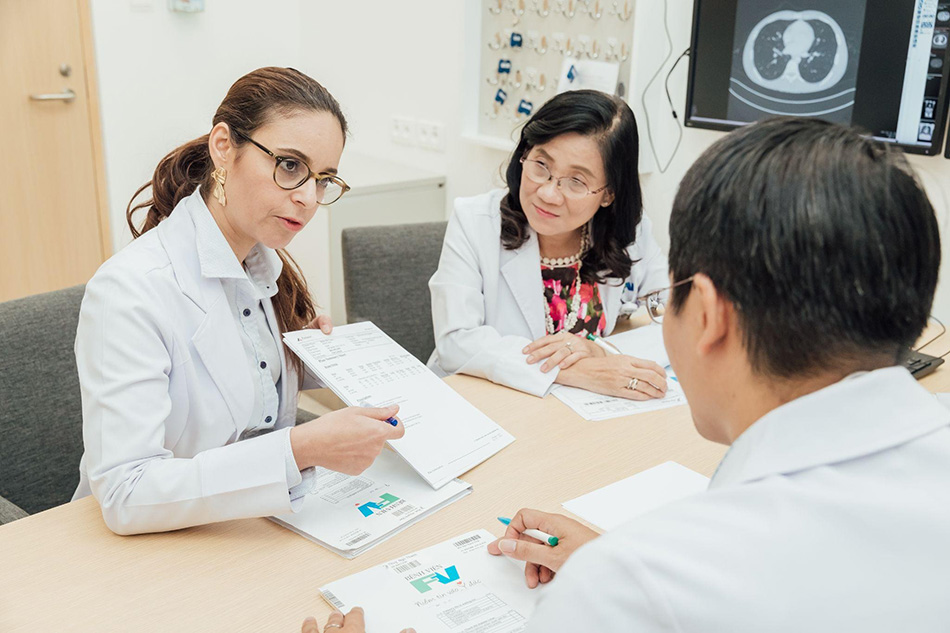
Doctors at the Hy Vong Cancer Centre discuss treatment options for a patient (Photo: FV)
Advancing personalised lung cancer treatment through multidisciplinary collaboration
Modern lung cancer treatment requires close collaboration across multiple specialties, allowing treatment plans to be tailored to each individual patient. To share clinical experience and update medical knowledge within Vietnam’s healthcare community, FV Hospital hosted the CME conference “Personalised Lung Cancer Treatment: From Theory to Clinical Practice” on 23 May 2026.
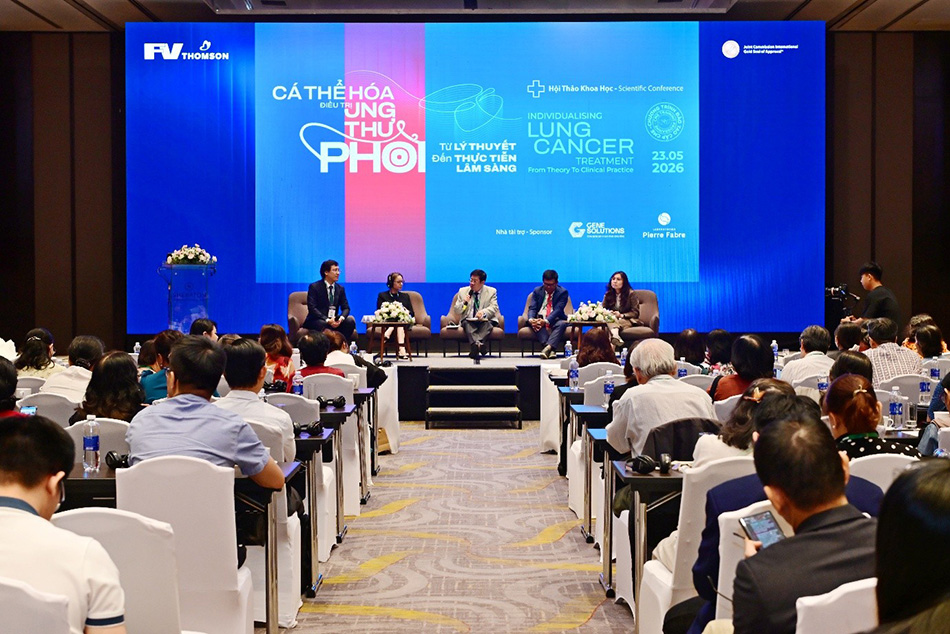
FV Hospital hosted the CME conference “Personalised Lung Cancer Treatment: From Theory to Clinical Practice” on 23 May 2026 (Photo: FV)
The conference brought together leading specialists in pulmonology, oncology, genetics and thoracic surgery, including Assoc Prof Le Thuong Vu, MD, PhD – Head of Pulmonology Department, University Medical Centre Ho Chi Minh City; Dr Nguyen Duy Sinh, PhD – Medical Director, Gene Solutions Vietnam; alongside FV Hospital’s team of experts: Dr Vu Truong Son, MSc – Medical Director; Dr Basma M’Barek – Head of Hy Vong Cancer Centre; and the medical team from the Hy Vong Centre, including Dr Vo Kim Dien, MSc; Dr Vo Thi Phuong Thao, MSc; and Dr Dang Dinh Minh Thanh, PhD, Specialist Level II – Head of Thoracic Surgery Department and Head of FV da Vinci Robotic Surgery Centre.
The conference forms part of FV Hospital’s ongoing commitment to medical education, professional exchange and the advancement of clinical practice in Vietnam.