Table of contents
- What is an abnormal heartbeat?
- How common is abnormal heart beat?
- How is an abnormal heartbeat diagnosed?
- What are the symptoms of abnormal heartbeat?
- What causes an abnormal heartbeat?
- How to know the different type of abnormal heartbeats?
- Which tests may be used to detect an abnormal heartbeat?
- What are the treatments for abnormal heartbeat?
What is an abnormal heartbeat?
Abnormal heartbeat (whose medical name is arrhythmia) can be due to a variety of heart rhythm disorders. Abnormal heartbeat means that your heart beats too quickly, too slowly, or with an irregular pattern. When the heart beats faster than 100 bpm, it is called tachycardia. When the heart beats too slowly, less than 50 bpm, it is called bradycardia.
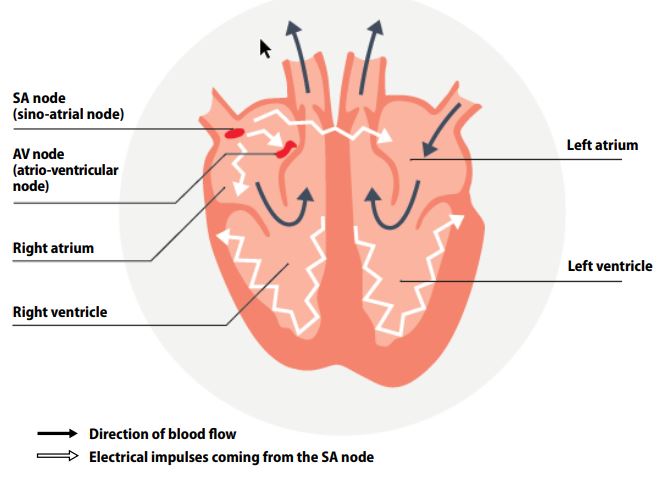
Your heart is divided into 4 chambers. The 2 small upper chambers are called the right and left atria. The 2 larger, lower chambers are called the right and left ventricles. With each beat of your heart, blood is pumped to and from the other parts of your body.
The heart pumping is controlled by your cardiac conduction system (heart’s electrical system).
A normal heartbeat begins with an electrical impulse in the sinus node, sends out an electrical pulse that causes both atria to contract and move blood into the ventricles, and continues making the ventricles contract and releasing in a steady rhythm. The normal heart rate is from 50 to 100 beats per minute.
How common is abnormal heart beat?
An estimated 1.5% to 5% of people have abnormal heartbeat. It is difficult to estimate how many people actually have abnormal heartbeat as in many instances the condition is asymptomatic. Atrial fibrillation (A-Fib) is the most common type of arrhythmia, A-Fib increases the risk of stroke and heart failure.
How is an abnormal heartbeat diagnosed?
You may also want to see an electrophysiologist who is a cardiologist with specialised training in the diagnosis and treatment of heart rhythm disorders.
What are the symptoms of abnormal heartbeat?
- Palpitations – sudden pounding, fluttering, or racing feeling in the chest.
- Feeling irregular beats.
- Tiredness, lack of energy or fatigue.
- Shortness of breath.
- Dizziness – a feeling of faintness or light-headedness.
- Chest pain – pain, pressure, tightness or discomfort in the chest.
- Confusion or a sense that something is wrong.
- Limited ability to exercise.
What causes an abnormal heartbeat?
Heart conditions
- Coronary artery disease, valve disease, hypertension.
- Ageing (age-related degeneration) around the conducting fibres may cause complete heart block.
- Congenital abnormalities in the electrical pathways.
Non-heart causes
- Medicines sometimes induces abnormal heartbeat.
- Thyroid disease (hyperthyroidism) can sometimes trigger an abnormal heartbeat.
- In some cases, the cause is not clear. For example, some cases of atrial fibrillation occur suddenly in otherwise healthy hearts. A section of the conducting fibres just becomes faulty and can trigger fast impulses.
How to know the different type of abnormal heartbeats?
- Atrial fibrillation is the most common irregular, often fast heart abnormal rhythm.
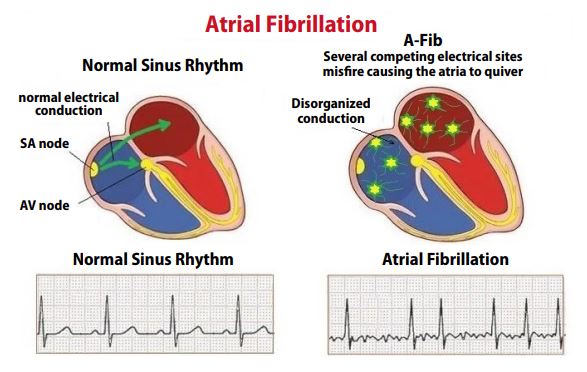
Please refer to our brochure Atrial fibrillation
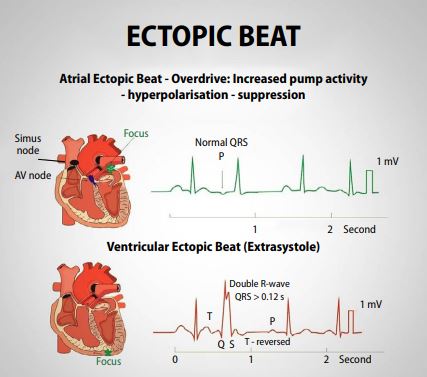
- Ectopic beat (premature complex): these are extra heartbeats which occur out of rhythm with the normal heartbeat. They are very common and are usually harmless also you may feel a sudden pounding in the chest.
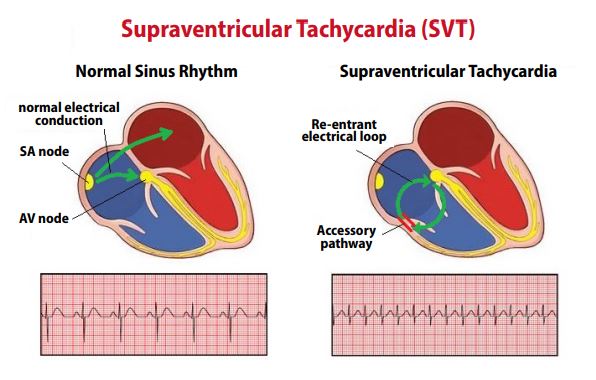
- Supraventricular tachycardia (SVT): is a very fast heart rhythm. Most are due to electrical impulses not travelling normally from the top chambers of the heart to the bottom chambers of the heart.
- Tachybrady syndrome (sick sinus syndrome) causes periods of very fast or slow heart beats.

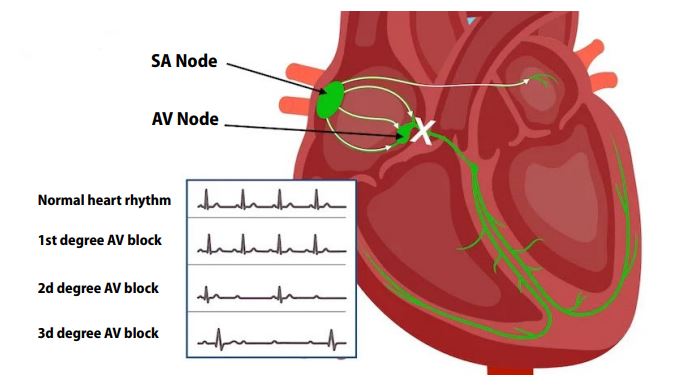
- Heart blocks are caused by a delay or blockage in the conduction system between the top and bottom chambers of the heart, which can result in a slow heart rate.
Which tests may be used to detect an abnormal heartbeat?
- Electrocardiogram (ECG): records the electrical activity of your heart, can help to confirm type of abnormal heartbeat.
- Holter ECG: if a standard ECG doesn’t pick up the abnormal heartbeats, the ambulatory ECG follows your heartbeats during 24 hours, or 48 hours or up to 7-day period.
- ECG stress test: monitors your heart’s electrical activity (ECG) while you are walking on a treadmill.
- Implantable loop recorder: is a small device (an implantable Holter ECG) placed under the skin that tracks your heart’s rhythm for 3 years, especially helpful if your symptoms are very rare.
- Electrophysiology Study: called EP study or Eps; This study is used to discover if there are extra electrical pathways in the heart that could be causing an abnormal heart rhythm.
What are the treatments for abnormal heartbeat?
Each type of abnormal heart rhythm has specific treatment options.
Treating any underlying cause – such as coronary heart disease, or high blood pressure (hypertension) – may also be important in controlling certain abnormal heartbeat conditions.
Some treatments that may be considered include:
- Medications: this depends on the individual treatment plan and may include beta-blockers, calcium channel blockers or other anti-arrhythmic medicines. It will:
- Stop an abnormal heart beat while it is happening;
- Prevent an abnormal heart beat;
- Control the rate of abnormal heart beat.
- Catheter ablation: is a small invasive procedure using a small catheter passed via a large vein in your leg into the chambers of your heart. The tip of the catheter can ablate a tiny section of heart tissue that is the source or trigger of abnormal electrical impulses.

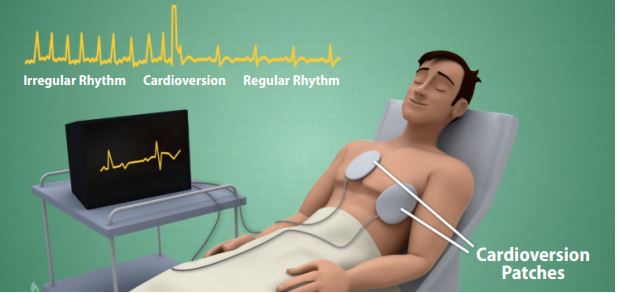
- Cardioversion: this may be used in the acute or elective option, most commonly for atrial fibrillation. Whilst under anaesthesia, you are given an electrical shock over the heart to restore a normal regular heartbeat. This may revert the abnormal rhythm back to normal.
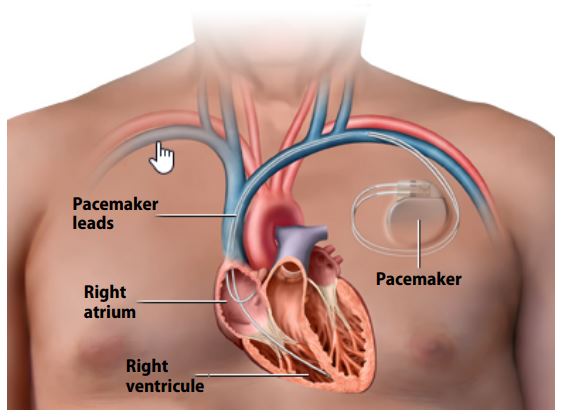
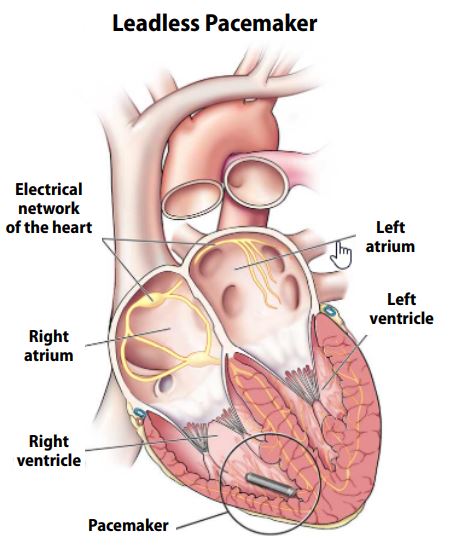
- Pacemaker implantation: this involves the insertion of a small device under the skin on the upper chest or a small tiny leadless pacemaker inside the right ventricle chamber. It is typically used in case of complete heart block and other specific conditions. Once implanted, the pacemaker helps regulate the heartbeat by delivering electrical impulses to maintain a normal and regular rhythm. Please refer to our brochure ‘Pacemakers’.
- Implantable Cardioverter Defibrillator (ICD): this involves the insertion of a small device under the skin in the upper chest, as for a pacemaker. The device continuously monitors the heartbeat and, if it detects a change to an abnormal rhythm, it can send a short electrical shock to the heart to stop the arrhythmia and restore a normal heart rhythm.
- Cardiac Resynchronisation Therapy (CRT): this involves the insertion of a small device under the skin in the upper chest to help patients caused by ischemic heart disease or myocardiopathy with heart failure and Bundle Branch Block (BBB) or other electrical conduction abnormalities in the heart.
Source of references: www.ekgstripsearch.com