



Your breasts change a lot. This information explains why your breasts change and what changes are common.
Why do breasts change?
It’s normal for your breasts to change. They might change when:
- You’re pregnant
- You’re breastfeeding
- Your hormones change at different times in your menstrual cycle
- You lose or gain weight
- You get older.
Sometimes, you might feel lumps in your breasts. Your breasts are not muscles. They have milk systems, fat, lymph nodes, veins, nerves and fibrous tissue. Lumps are usually natural and normal.
Normal breast changes usually happen slowly, but sometimes they can happen suddenly.
Breasts are sensitive to hormone changes, like during your menstrual cycle or if you’re using hormone replacement therapy (HRT). Hormones called oestrogens increase before your period, causing milk ducts and glands to swell. This might make your breasts feel swollen or lumpy.
In young people, breasts are usually dense because their milk systems might be needed for feeding babies.
Sometimes, this thickness can feel like a lump or a mass of tissue.
As people age, their milk systems shrink and are replaced by fat. By menopause, breasts are completely soft. This can make normal lumps more noticeable.
Breasts can also feel different when you lose or gain weight.
And sometimes they change for no obvious reason.
Your doctor may not always be able to explain why your breasts change. If you feel frustrated, it’s important to talk openly about your feelings with your doctor.
Many people have breast changes that are different from their usual hormonal changes. Most of the time, these changes aren’t cancer or harmful, but it’s important to have a doctor check them to make sure.
How does your breast specialist know it’s not cancer?
Your breast care specialist will consider several things:
- Your age and family medical history
- The history of the breast change
- Results from physical examinations and any other tests like ultrasounds or mammograms
- Whether you’re still having periods or using hormone replacement therapy (HRT).
What happens now?
The change in your breast doesn’t increase your risk of breast cancer.
You should follow the recommended screening for breast cancer based on your age and family history.
Everyone should be aware of unusual changes in their breasts. If you notice any more changes different to your usual hormonal changes, see your doctor.
Feelings
Having an unusual breast change can be upsetting, bringing up many different feelings and worries. It’s common to fear cancer and find tests stressful and invasive.
While most people feel relieved to know that their breast change isn’t due to cancer, some may continue to worry.
Changes in your breasts may also affect how you feel about yourself, your sexuality or your relationships.
If your breast change is upsetting, or causing problems in your life, it might help to share your feelings with our breast care specialist.
Related Articles
Related Articles
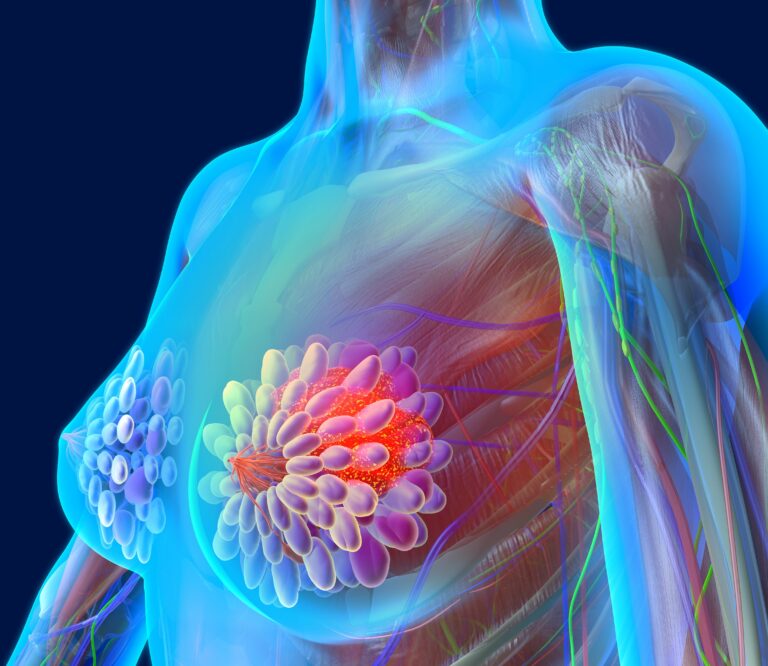
Breast Cancer
Breast cancer is a very frequent cancer worldwide. In Vietnam its incidence has been increasing steadily and it is now the most common cancer affecting women. What are the Symptoms of Breast Cancer? Signs and symptoms of breast cancer may include: When to see a doctor? If you find a lump or other change in […]
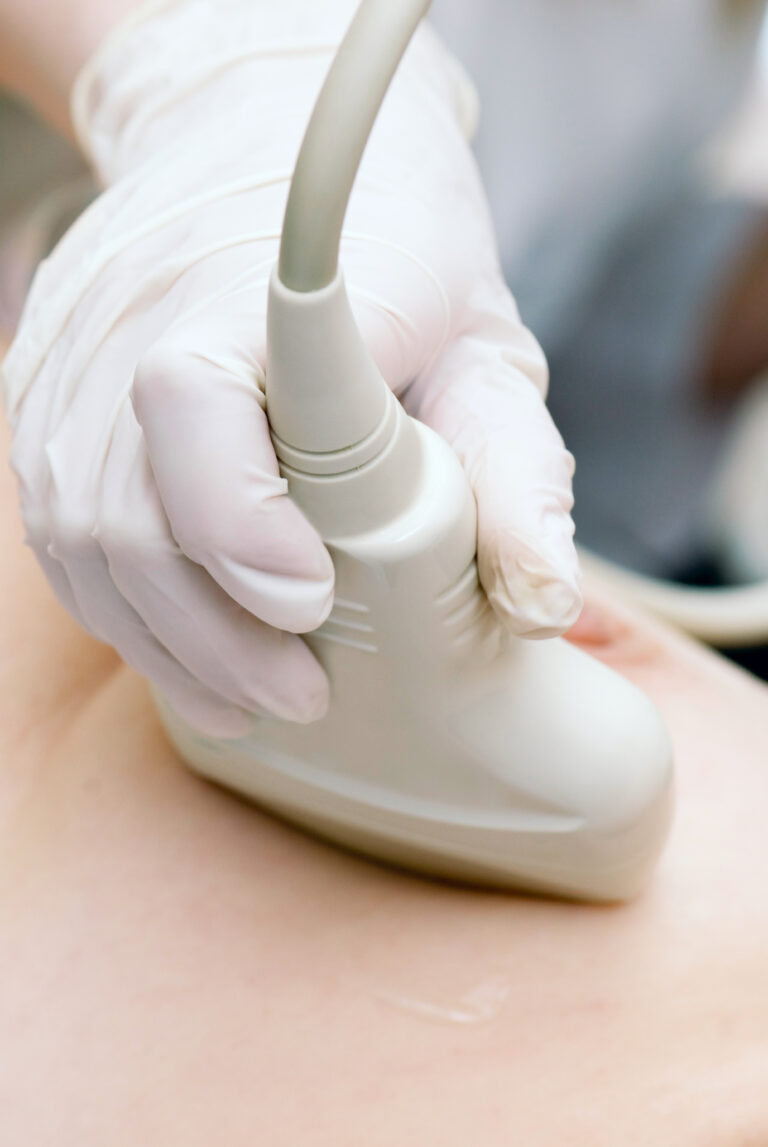
Ultrasound-Guided Breast Biopsy
What is Ultrasound-Guided Breast Biopsy? Lumps or abnormalities in the breast are often detected by physical examination, ultrasound, mammography, or other imaging studies. However, it is not always possible to tell from these imaging tests whether a growth is benign or cancerous. A breast biopsy is performed to remove some cells—either surgically or through a […]
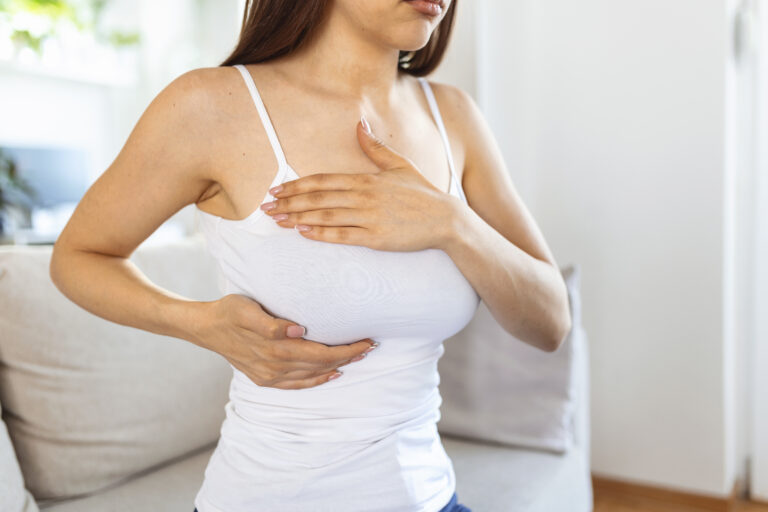
Mastitis
What is mastitis? Mastitis is when your breast gets inflamed because of nipple damage and/or or if a plugged duct becomes infected. Mastitis is quite common. About 1 in 5 women who are breastfeeding will get mastitis. What are the symptoms of mastitis? Sometimes mastitis is mild and sometimes it is severe. You might have: […]
Breast Cancer
Ultrasound-Guided Breast Biopsy

