




Fibroadenomas are not cancerous.
Fibroadenomas range in size. They can be smaller than a marble or as large as a golf ball. Most fibroadenomas appear suddenly and then stay the same size. Some shrink or continue to grow. Fibroadenomas are affected by hormones just like any other breast tissue. They often change size over the menstrual cycle or in pregnancy.
Fibroadenomas are usually rubbery and firm, but they can be difficult to feel properly. If you push on the lump, you will probably find that it moves away from beneath your fingers. This is why some people call a fibroadenoma a ‘breast mouse’. Fibroadenomas do not move far within the breast.
Usually, fibroadenomas are not painful. However, they can be uncomfortable or very sensitive to touch. Often women find that their fibroadenoma gets tender in the days before their period. Pushing or prodding at the lump can also make it tender.
We do not know what causes fibroadenomas. We do know that they are quite common, especially in women aged between 15 and 25. Up to one in six (15%) of women have a fibroadenoma at some time in their life. Sometimes a fibroadenoma can be difficult to distinguish from cancer; therefore further testing may be required.
Diagnosis
To diagnose your breast lump as a fibroadenoma, the specialist will have taken into account:
- Any need for further testing to confirm the diagnosis i.e. taking some cells from the lump for testing (core biopsy), needle cytology, or surgical removal
- The results of a physical examination and ultrasound or mammogram
- The history, shape and size of the lump
- Your age
- Whether there is a history of breast or ovarian cancer in your family
- If the lump is growing over time.
Deciding what to do about a fibroadenoma
Most fibroadenomas are left alone and not treated. Many women and their specialists decide that there is no need to remove the lump. It is safe to leave fibroadenomas where they are.
While fibroadenomas are not cancerous, it is sometimes difficult for clinicians and women to feel completely confident that a lump is not cancerous. Some of these lumps need to be removed or have a biopsy to stop this concern.
Sometimes a woman asks to have a fibroadenoma removed because it is very uncomfortable or painful. However, the scar resulting from surgery might also be uncomfortable or painful, so this decision needs to be considered very carefully.
If the fibroadenoma is continuing to grow, sometimes a specialist will suggest removing it before it gets larger, simply to lessen the amount of scarring.
Surgical removal of a fibroadenoma
The extent of the operation to remove a fibroadenoma depends on its size. Mostly the operation is performed with a general anaesthetic. Usually you can go home the same day. There will be a scar where the fibroadenoma has been removed.
What happens now?
Your fibroadenoma does not put you at any increased risk of breast cancer. You should follow the recommendations for screening for breast cancer for women of your age and family history.
All women need to be alert to any changes in their breasts that are not normal for them. If you have any change in your breast that is different to your normal hormonal changes, you should have it checked by our Breast Care Specialist.
Related Articles
Related Articles
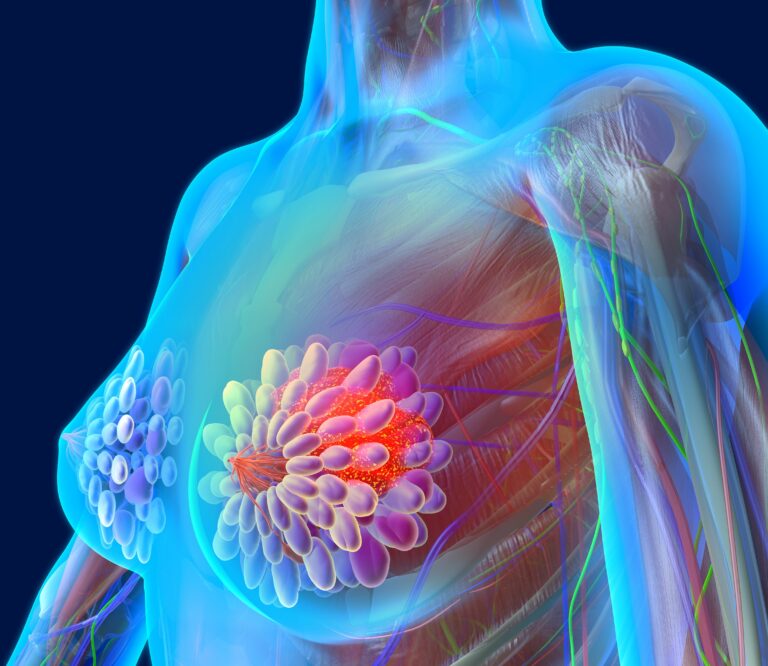
Breast Cancer
Breast cancer is a very frequent cancer worldwide. In Vietnam its incidence has been increasing steadily and it is now the most common cancer affecting women. What are the Symptoms of Breast Cancer? Signs and symptoms of breast cancer may include: When to see a doctor? If you find a lump or other change in […]
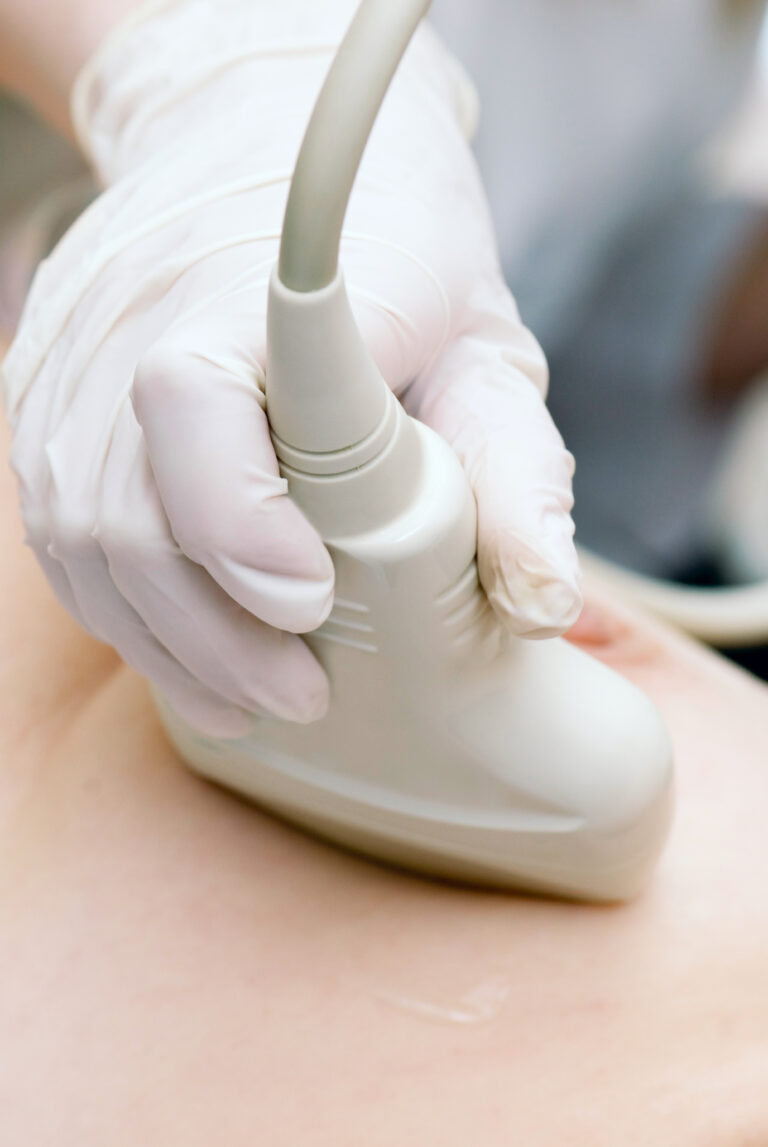
Ultrasound-Guided Breast Biopsy
What is Ultrasound-Guided Breast Biopsy? Lumps or abnormalities in the breast are often detected by physical examination, ultrasound, mammography, or other imaging studies. However, it is not always possible to tell from these imaging tests whether a growth is benign or cancerous. A breast biopsy is performed to remove some cells—either surgically or through a […]


Mastitis
What is mastitis? Mastitis is when your breast gets inflamed because of nipple damage and/or or if a plugged duct becomes infected. Mastitis is quite common. About 1 in 5 women who are breastfeeding will get mastitis. What are the symptoms of mastitis? Sometimes mastitis is mild and sometimes it is severe. You might have: […]
Breast Cancer
Ultrasound-Guided Breast Biopsy

