




What is an intravitreal injection?
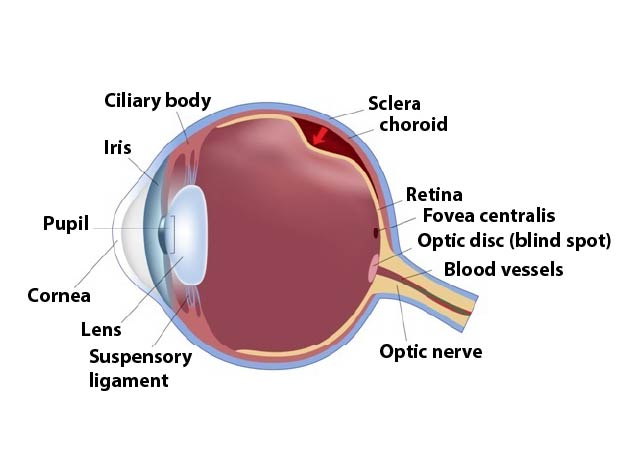
An intravitreal injection is given through the white part of your eye into the jelly (called vitreous) that fills the inside of your eye. Special drugs injected into the jelly spread to the retina (inner layer at the back of your eye) and other structures in your eye.
Your surgeon will assess and tell you if an intravitreal injection is suitable for you. However, it is your decision to go ahead with the procedure or not.
What are the benefits of an intravitreal injection?
The most common reason for needing an intravitreal injection is to treat wet age-related macular degeneration (AMD). It may also be needed for macular edema caused by factors such as diabetic retinopathy, vascular occlusion, inflammation, trauma or surgery, dystrophy, etc. (macular pathology)
The macula is a specialised area of the retina responsible for visual sharpness. Retina converts the light entering your eye into images that are sent to your brain.
An injection of an anti-vascular endothelial growth factor (anti-VEGF)/steroid into the jelly can help to treat macular pathology. You usually need a course of injections over a year or longer for the treatment to be effective.
Types of medication for intravitreal injections
BEVACIZUMAB (AVASTIN)
Avastinis an Anti-VEGF medication. Ophthalmologists are using AvastinTM “off-label” to treat AMD and other macular pathology.
RANIBIZUMAB (LUCENTIS)
RANIBIZUMAB (LUCENTIS) is an Anti-VEGF medication; it is a monoclonal antibody fragment and is approved by FDA for treatment of diabetic macular edema, wet-AMD, and swollen macula because of vessel disorders.
DEXAMETHASOME (OZURDEX)
DEXAMETHASOME (OZURDEX) is a Steroid, a disposable injection device containing a rod shaped implant. Its effect last for up to 180 days and it has been approved by the FDA in cystoid macular edema (CME), diabetic macular edema, and uveitis.
TRIAMCINOLONE ACETONIDE
TRIAMCINOLONE ACETONIDE is a Steroid. It is an off label drug. Its effect lasts up to 120 days.
ANTIBIOTICS
ANTIBIOTICS are used to treat microbial infections. In severe cases, infection involving the vitreous cavity (endophthalmitis), the drug is injected into eye for delaying onset of endophthalmitis and sterilization of the jelly cavity.
People also ask
Are there any alternatives to the injection?
Laser treatment may be suitable for you but is less effective than an intravitreal injection.
What will happen if I decide not to have the injection?
Your vision is likely to get worse. If your retina becomes scarred or you leave the problem for too long, you may get permanently reduced vision in the affected eye.
What does the procedure involve?
The healthcare team will carry out a number of checks to make sure you have the procedure you came in for and on the correct side. You can help by confirming to your surgeon and the healthcare team your name and the procedure you are having. The healthcare team will ask you to sign the consent form once you have read this document and they have answered your questions.
You will need to lie still and flat during the injection. If you cannot lie still and flat, let your surgeon know.
The injection is usually performed under a local anesthetic given as eye drops. The injection usually takes about 30 seconds. Your surgeon will also place drops of an anti-bacterial solution and an antibiotic on your eye. Your surgeon will insert a fine needle through the white part of your eye (sclera) and inject the injection into the jelly in the centre part of your eye. It is normal for your eye to feel slight discomfort during the injection, but due to local anesthesia generally there is very little or no pain.
When Injection cannot be performed?
Injection will not be done if patient has any kind of infection, allergy to anti-VEGF or any of its ingredients; the patient is trying to become pregnant or pregnant or is breastfeeding.
What complications can occur?
- Slight Pain (risk 1 in 20): it is temporary
- Bleeding: Any bleeding is usually little and your eye may be slightly red. It often resolves after 5 days.
- Raised pressure in your eye: it is temporary.
- Inflammation in your eye: it can be treated with anti-inflammatory drugs
- Heavy bleeding: heavy bleeding inside the jelly (vitreous hemorrhage) during the injection, which may cause loss of vision (risk: less than 1 in 1,000)
- Retinal detachment
- Damage to the lens that causes a cataract
- Endophthalmitis
In severe cases of vitreous hemorrhage, retinal detachment or cataract, a surgery usually needs to be performed with an intensive care to recover vision.
How soon will I recover?
After the injection in OT you will be transferred to Day Ward where you can rest. Your eye may feel uncomfortable but this usually settles within a few hours. You should be able to go home after about an hour.
Most people will need one to two days off work and you will have Medical Certificate for that off-work time.
What is the flow for my visit at FV Hospital?
You will see Opthalmologist in outpatient setting.
The Opthalmologist will assess you and order for intravitreal injection. He or she will explain to you the procedure, the risks and benefits of the procedure for your understanding. Please raise any question you may have to make sure that you take right decision for treatment. You will be requested to give us your consent before we perform the procedure.
For your safety as injection require steriled environment, the injection will be done in the Operating Theatre with local anesthesia by eye drops. You will be guided to proceed to Day Ward, receive your locker, change to hospital gown and our nurses will move you to the Operating Room.
After injection, our doctor may need to observe you for few minutes and then you will be sent back to the Day Ward where you change clothes , receive medication and appointment for the next visit. Then you can go home unless Opthalmologist require to see you back in his consultation office.
Should you have further enquires and appointment, please discuss with your doctor or contact the Ophthalmology Department – FV Hospital at : (+84.8) 5411 3436 or (+84.8) 5411 3333 – ext : 2000 during working hours Monday to Friday, from 8h30 to 17h00
In case of Emergency please call our Emergency department 24/7 at (+84.8) 5411 3500
Related Articles
Related Articles
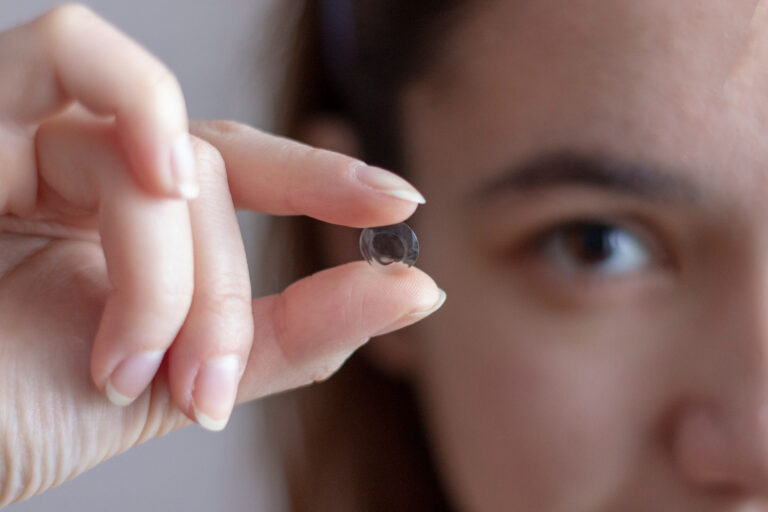
Orthokeratology (Night Lenses)
What is orthokeratology? Orthokeratology, or Ortho-K, is a non-surgical process that uses customised rigid contact lenses (specifically made for each patient) which are worn overnight to remodel the curvature of the cornea (the clear front surface of the eye). They are removed in the morning, allowing clear vision without correction during the day. The effects […]
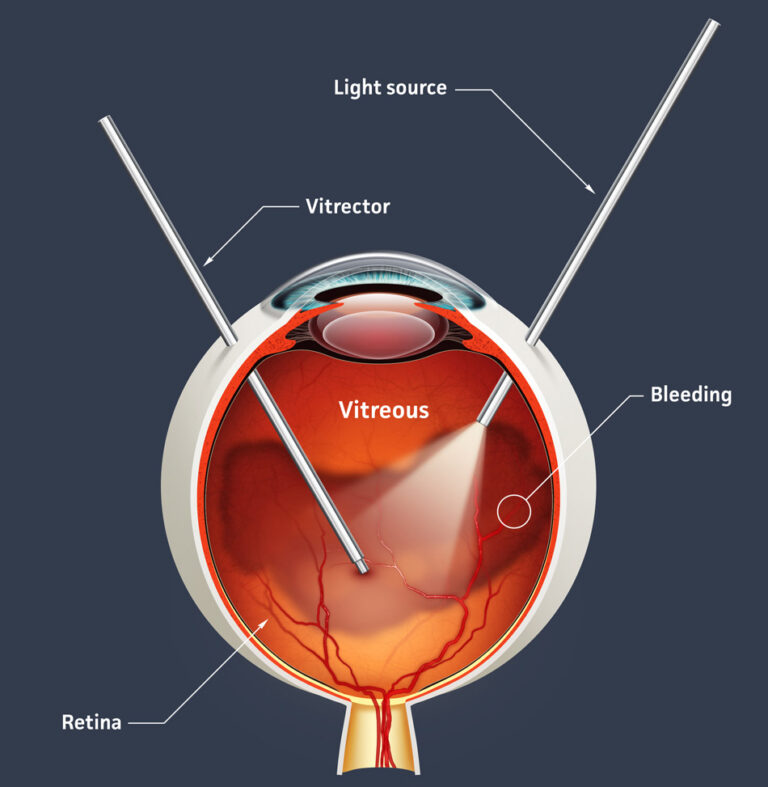

What is LASIK eye surgery?
WHAT IS LASIK? LASIK, or Laser-Assisted in situ Keratomileusis, commonly referred to as laser eye surgery or laser vision correction, is a type of refractive surgery for the correction of myopia, hypermetropia, and astigmatism, and recently presbyopia. LASIK surgery is performed by an ophthalmologist who uses a laser or microkeratome to reshape the eye’s cornea […]
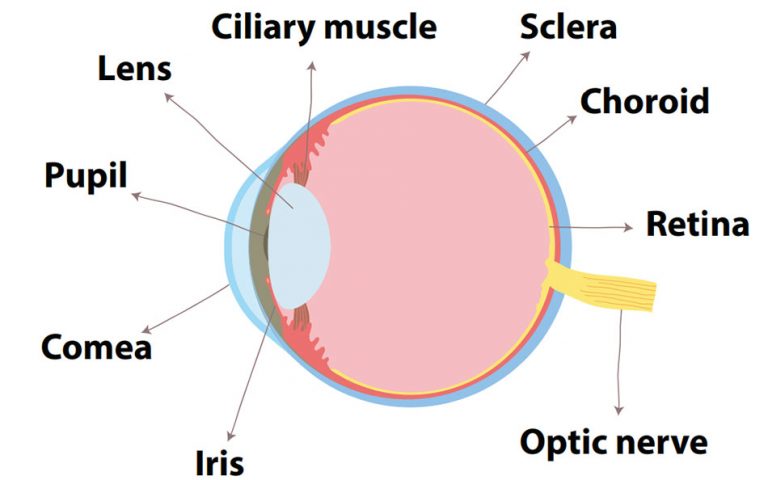
Corneal Transplantation
Corneal Transplantation has advanced to a stage where long term success rates and visual outcomes can be excellent, even in the most severe cases, and several different forms of Corneal Transplantation are now available to suit the disease condition. If you have received, or will be receiving a cornea transplant, or are a relative or […]
Orthokeratology (Night Lenses)
What is LASIK eye surgery?

