




Traditional Medicine Techniques
A comprehensive range of evidence-based traditional medicine techniques, including acupuncture, electroacupuncture, laser acupuncture, acupoint injection therapy and acupressure.
Traditional medicine is a longstanding field of healthcare, shaped by generations of clinical experience and continually informed by clinical research. At FV Hospital’s Traditional Medicine Department, time-honoured Eastern therapeutic approaches are integrated with modern diagnostic methods to provide patients with safe, evidence-informed and effective care.
Acupuncture
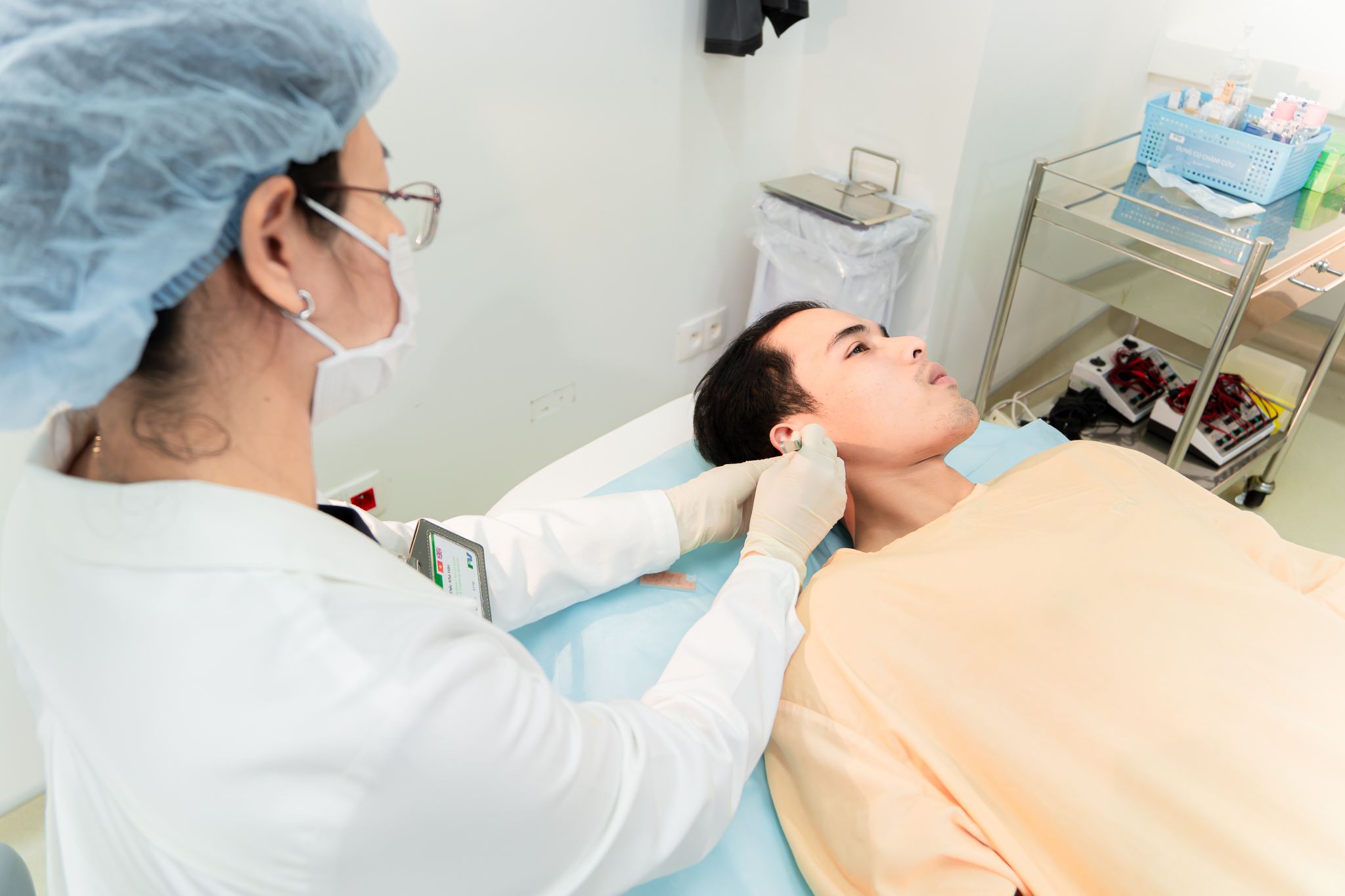
Acupuncture is a traditional medicine treatment that has been practised for more than 2,000 years. It involves inserting fine, sterile needles into specific points on the body, known as acupuncture points. As the needles are very fine, insertion through the skin usually causes little discomfort.
Acupuncture is commonly used to help relieve discomfort associated with a range of conditions, including:
-
Lower back pain
-
Neck and shoulder pain
-
Osteoarthritis
-
Dental pain
-
Labour pain
-
Menstrual pain
-
In patients undergoing cancer treatment, acupuncture may be used to help manage chemotherapy-induced nausea and vomiting, cancer-related pain, dry mouth, anxiety and other symptoms
-
Post-operative nausea
-
Respiratory conditions such as allergic rhinitis and sinusitis
-
Irritable bowel syndrome
-
Anxiety, depression and insomnia
-
Symptoms associated with smoking withdrawal
-
Postpartum urinary retention
Acupuncture is generally considered safe when sterile, single-use needles are used. However, some side effects may occur, including minor bleeding, bruising and swelling. Skin infection, headache and fainting are rare.
Acupuncture can generally be performed during pregnancy. However, patients should inform their doctor if they are pregnant, as certain acupuncture points may not be suitable during pregnancy.
Patients with a pacemaker, a bleeding disorder, or those taking blood-thinning medication should also inform their doctor before treatment.
Acupuncture Techniques at FV
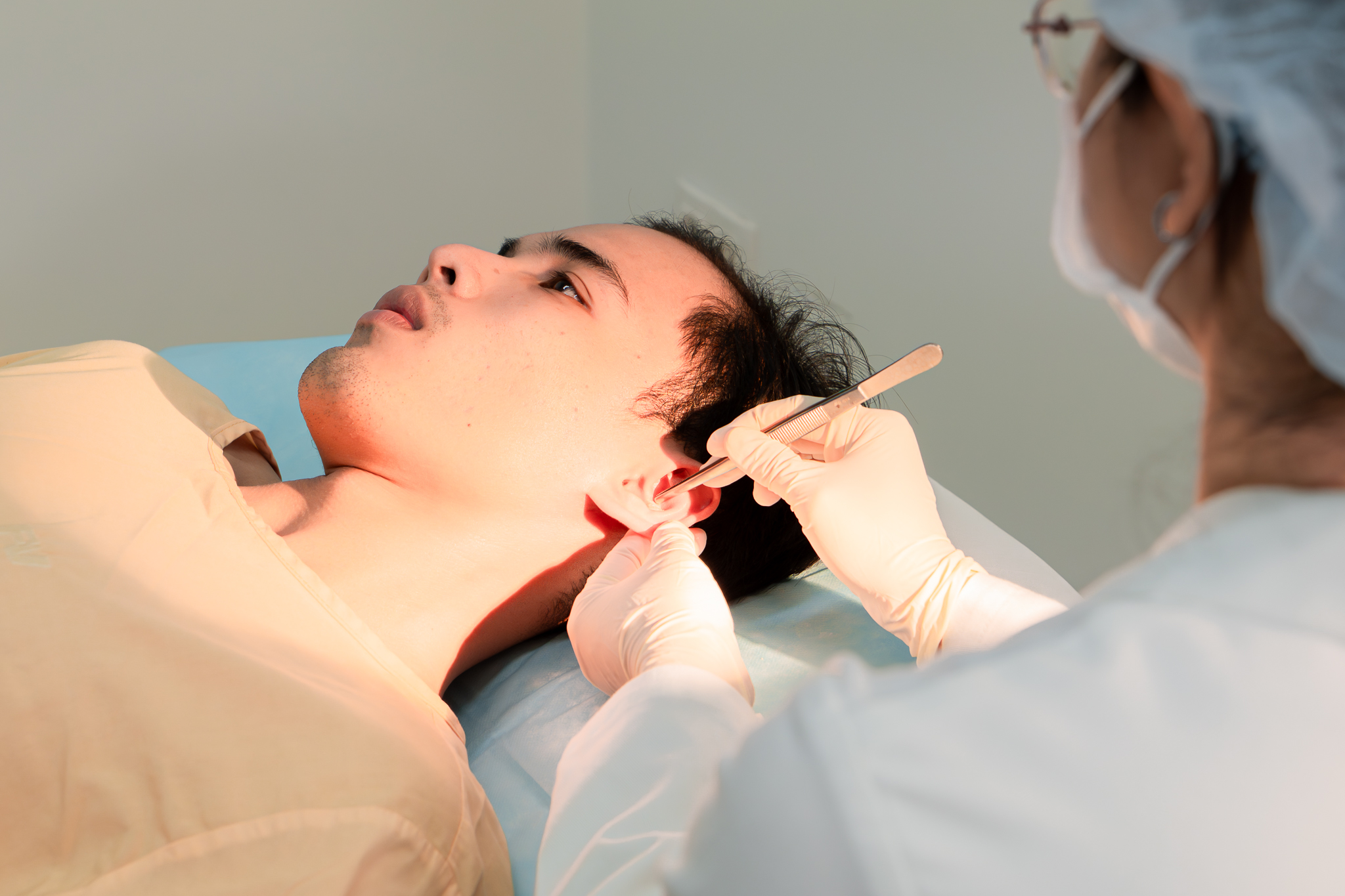
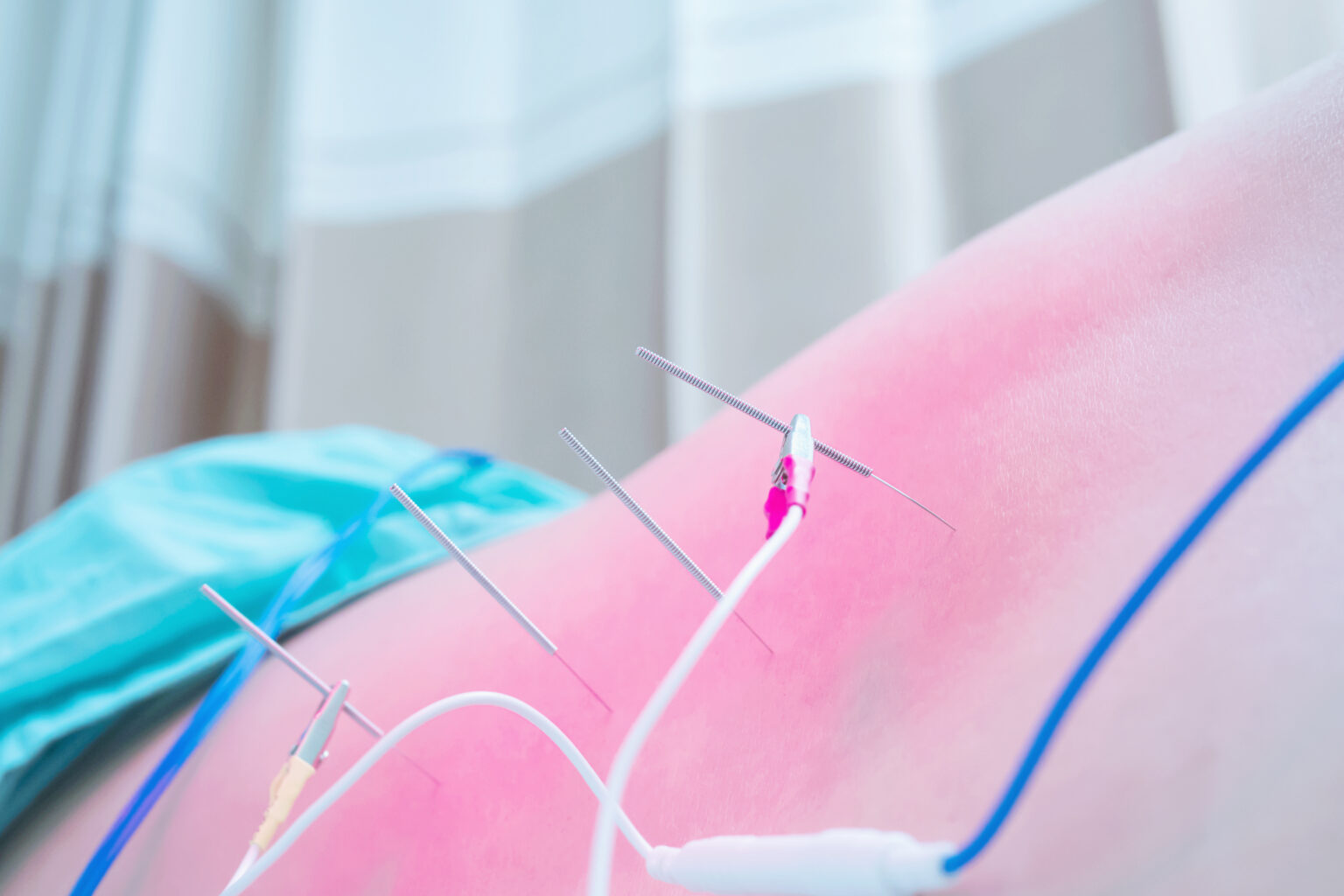
Fine, sterile needles are inserted into selected acupuncture points by the doctor and connected to a low-frequency electrical stimulation device. Electroacupuncture may support treatment by stimulating the nervous system, promoting the release of naturally occurring chemicals in the body, modulating immune responses and helping regulate bodily functions.
Thread Embedding Acupuncture
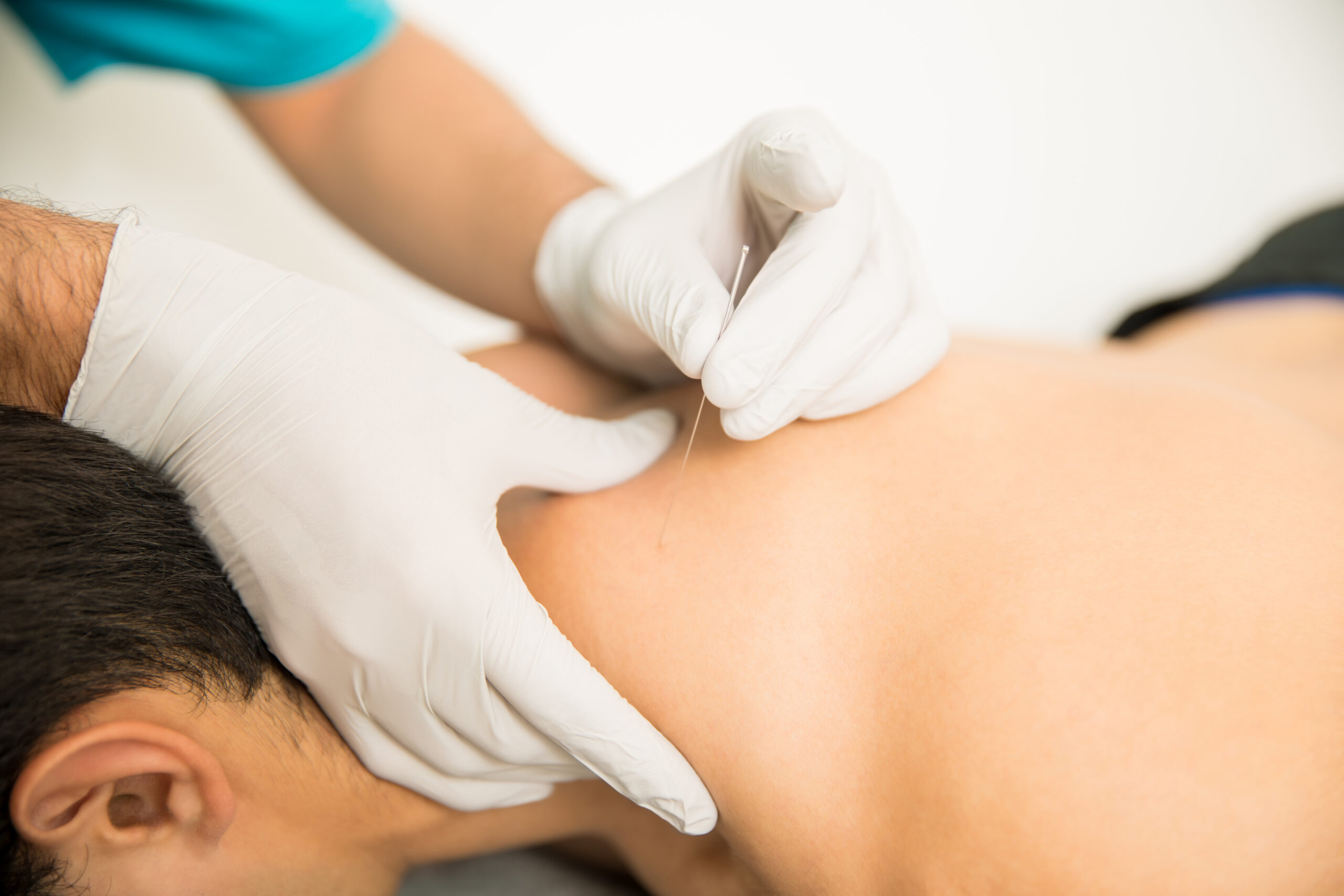
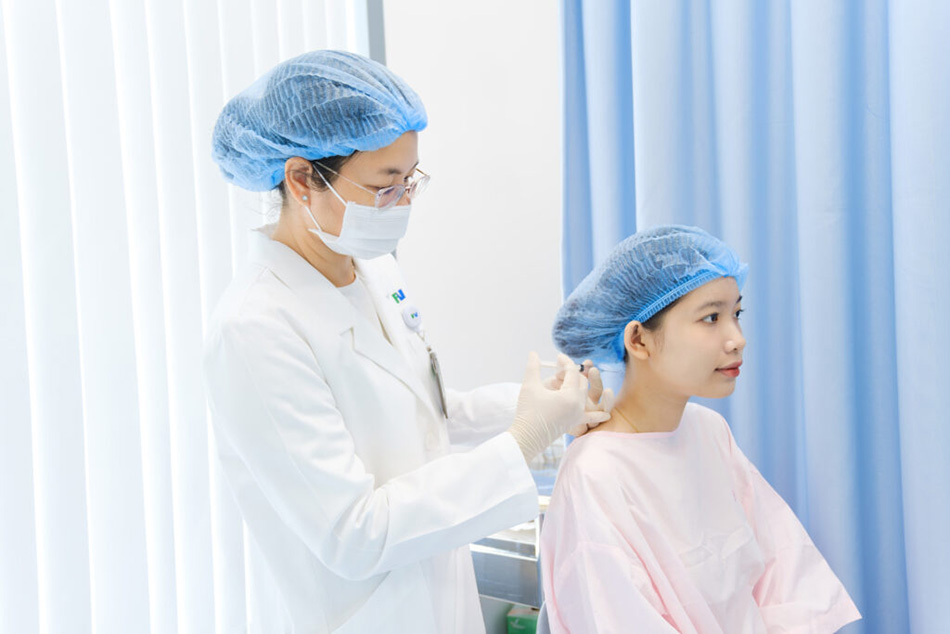
Thread embedding acupuncture is an integrated traditional and modern medicine technique in which absorbable threads are inserted into selected acupuncture points beneath the skin. The threads provide continuous, longer-lasting stimulation than conventional acupuncture, potentially reducing the frequency of treatment sessions and saving time.
Two types of threads are commonly used for thread embedding. Catgut is a surgical suture material that is naturally absorbed within approximately 10–20 days, so its effects generally last for a similar period. As catgut is made from animal-derived material, it may cause allergic reactions in some patients.
The second type is PDO (polydioxanone), a biodegradable medical thread currently used at FV. PDO threads are completely absorbed by the body within approximately 6–8 months after being implanted beneath the skin. One advantage of PDO threads is that they are preloaded into the acupuncture needle, helping maintain sterility and reduce the time required for the procedure.
Thread embedding acupuncture is a drug-free treatment approach that is currently used in the management of a range of conditions, including:
-
Neurological conditionsSciaticaPost-herpetic neuralgiaPeripheral facial nerve palsy (Bell’s palsy)Sequelae of cerebrovascular diseaseVestibular disorders
-
Musculoskeletal conditionsOsteoarthritisSpondylosisRheumatoid arthritisNeck and shoulder pain
-
Other conditionsDigestive disordersPersistent constipation or diarrhoeaAsthmaRhinosinusitisMenstrual disorders
In addition to treating medical conditions, thread embedding acupuncture may also be used in aesthetic care to support facial lifting, improve skin firmness and reduce the appearance of wrinkles around the eyes and nasolabial folds.
Thread embedding acupuncture may also be used as part of a weight management programme to support waist reduction and address localised fat accumulation, particularly in people who are overweight, living with obesity or have excess abdominal fat. It can be combined with an appropriate diet and exercise programme. The doctor will assess each patient’s condition to determine the appropriate treatment areas and treatment plan.
At FV, doctors also offer thread embedding acupuncture as a supportive approach to help alleviate smoking withdrawal symptoms, including headaches, dizziness and insomnia, during the journey towards smoking cessation.
Acupressure
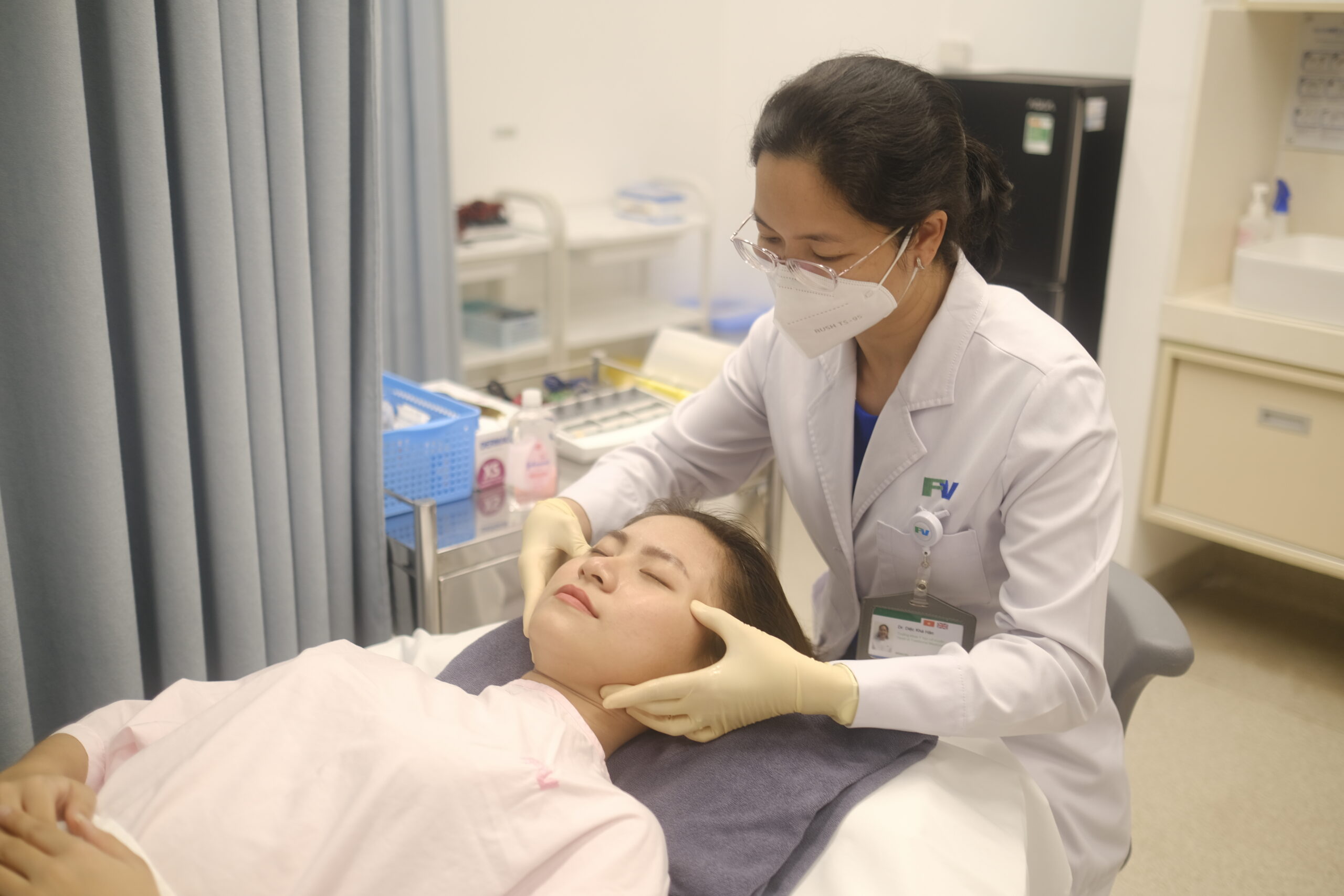
Acupressure is a hands-on therapeutic technique involving massage, kneading, pressing and stimulation of specific acupuncture points, muscles, tendons and joints. It may help relieve pain, relax muscles and improve mobility, particularly in the management of conditions such as:
-
Neuropathic pain: sciatica, facial neuralgia and intercostal neuralgia
-
Musculoskeletal pain: spondylosis, osteoarthritis and arthritis
-
Conditions associated with weakness or paralysis: hemiplegia following stroke or traumatic brain injury, peripheral facial nerve palsy, and upper or lower limb paralysis
-
Functional disorders: fatigue, insomnia and digestive disorders
On this page
Interested in traditional medicine treatment?
Contact us for consultation and appointment booking
Make an Appointment
