



Skin Assessment Before Laser Treatment
Your dermatologist assesses your skin and treatment history to determine whether laser is right for you.
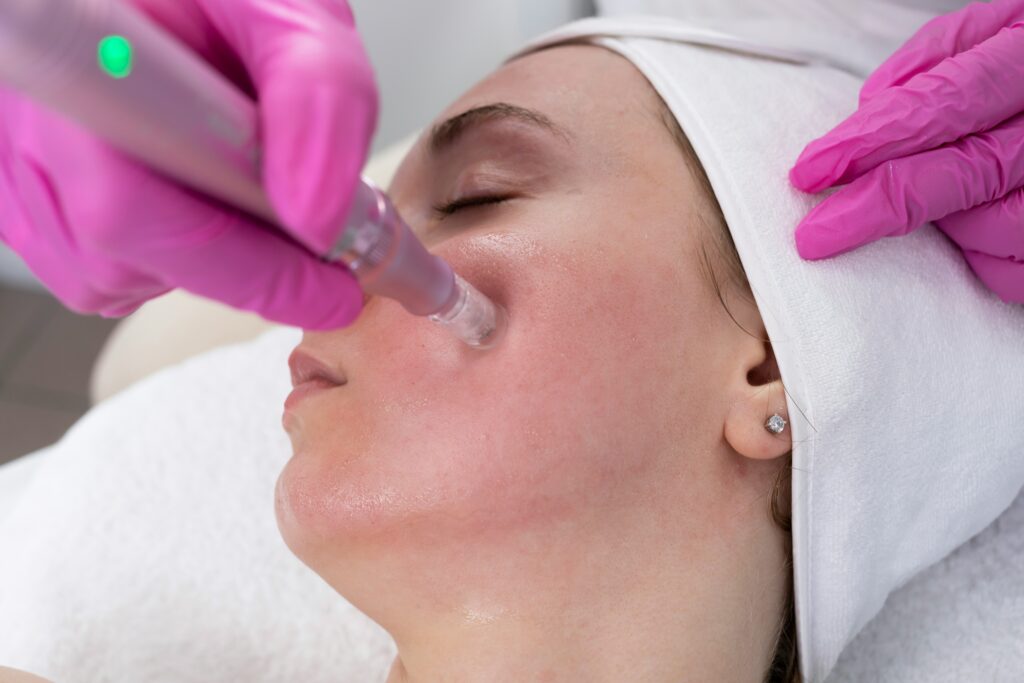
Your initial consultation helps your dermatologist determine whether laser treatment is suitable for you and when it would be appropriate to begin.
Laser treatment must be selected according to your skin condition and specific treatment goals. Even two people with melasma may need very different treatment plans, depending on the depth of the pigmentation, skin type, hormonal factors, current medicines and previous treatments.
Choosing an unsuitable wavelength or energy level may reduce treatment effectiveness and increase the risk of side effects, such as surface burns, prolonged redness and swelling, scarring or darker pigmentation after treatment.
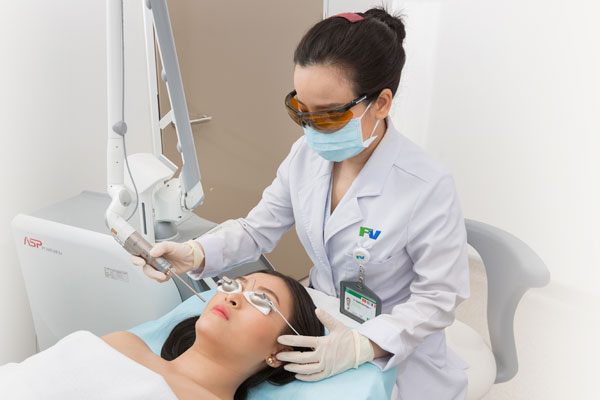
For this reason, FV Hospital’s dermatologists assess your skin before deciding whether laser treatment is appropriate.
What Happens During Your Consultation?
Skin Imaging and Analysis with VISIA
The VISIA system captures and analyses images of your skin, helping to identify features that may not be visible on the surface, including underlying pigmentation, accumulated sun damage, enlarged pores and visible blood vessels.
Examination by a Dermatologist
Your dermatologist will ask about your main concerns, medical history, current medicines and any treatments you have tried before. Information about previous skincare products or procedures may be important in determining the most appropriate treatment plan.
A Personalised Treatment Plan
Your dermatologist will explain which laser system may be suitable, how many sessions you may need, how long each session will take, how far apart the sessions should be scheduled, and whether any recovery time is expected.
A Realistic Discussion of Results
You will have the opportunity to discuss the improvement that may realistically be achieved, the potential risks and the limitations of laser treatment for your particular skin concern.

When laser treatment may not be suitable
In some circumstances, laser treatment should be postponed or may not be recommended, even if you would like to proceed.
-
Pregnancy
-
Open wounds, an acute infection or a severe flare-up of inflammatory acne in the area to be treated
-
Taking, or having recently stopped, acne medicines that may affect the skin’s sensitivity to light, such as isotretinoin, within the previous six months
-
Photosensitive autoimmune conditions, such as lupus
-
A tendency to develop keloid scars, which requires careful assessment before treatment
If laser treatment is not right for you
Your dermatologist will explain this clearly and suggest another approach, such as medication, care to restore your skin’s protective barrier, or waiting until your skin is healthy enough before starting treatment.
Some conditions also need to be treated in a particular order. Active inflammatory acne must be brought under control before scars are treated. Melasma requires topical treatment alongside laser for the results to last.
After your consultation, you will have a clear understanding of your skin and know what to do next, even if that next step does not yet involve laser treatment.
Need advice tailored to your skin?
Your consultation includes VISIA skin imaging and a face-to-face assessment with a dermatologist.
Book a Skin Consultation
