



Personalised Laser Treatments
Targeted options for rejuvenation, pigmentation, acne, scars, vascular lesions, hair reduction and tattoo removal.
Different skin concerns require different laser techniques. The following sections explain how FV uses laser technology, who may be suitable for each treatment and what you may expect.
Your dermatologist will select the wavelength, energy level and number of sessions according to your skin condition. The treatments described below use FV Hospital’s two Fotona laser systems, with settings prescribed and adjusted by a dermatologist.
If you are unsure which category your skin concern falls into, book a skin consultation before treatment.
Skin Rejuvenation, Tightening and Resurfacing
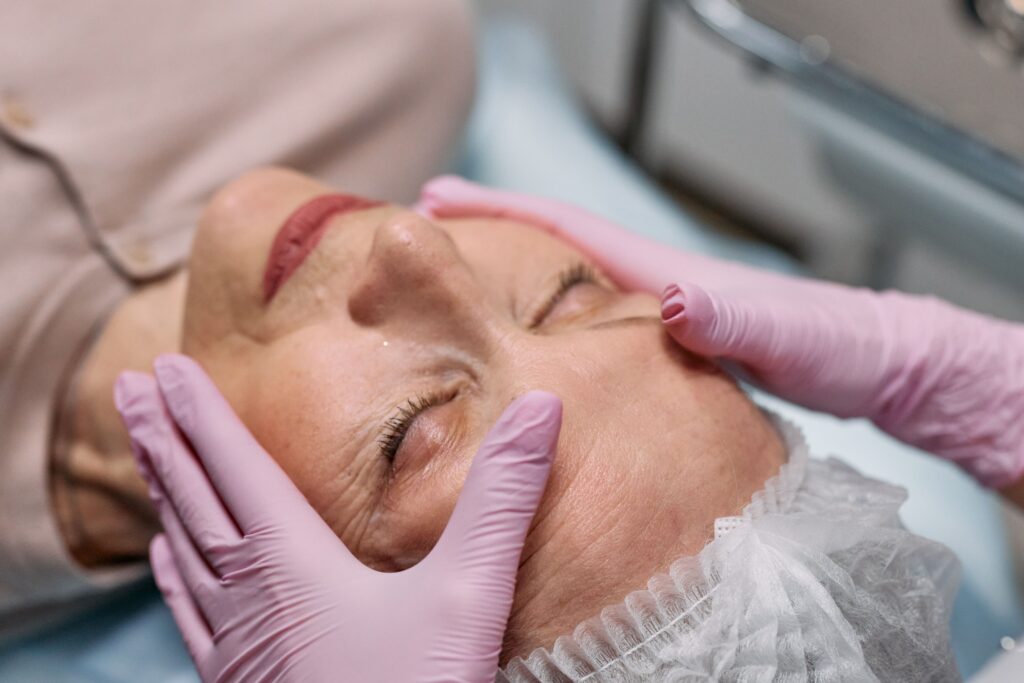
As the skin ages, collagen levels and elasticity decline. Wrinkles may develop, the skin may become looser, and its surface may lose some of its smoothness.
Various treatments are available to improve these signs of ageing and help the skin look firmer. Laser treatment is one non-surgical option. It delivers controlled energy to the skin to support collagen remodelling and improve skin firmness, wrinkles and texture.
FV offers several specialised laser treatments for skin rejuvenation.
Fotona 6D combines two laser wavelengths, Nd:YAG 1064 nm and Er:YAG 2940 nm, to target different depths of the skin. The treatment aims to improve skin firmness, texture and visible signs of ageing.
By combining these wavelengths, the treatment can target deeper tissue as well as the skin’s surface. Potential benefits include:
-
Firmer skin with improved laxity and elasticity
-
More defined facial contours, including the jawline and cheeks
-
Stimulation of natural collagen production
-
Softer-looking wrinkles and fine lines
-
Smoother, more even-looking skin
Your dermatologist will recommend the number of sessions according to your skin condition. A typical course consists of 4–6 sessions, each lasting approximately 45–60 minutes.
Laser treatment is non-surgical and does not involve incisions. Downtime is generally not required, although temporary redness or a feeling of warmth may occur, depending on your skin and the laser settings used. Follow your dermatologist’s daily skincare advice to support recovery and treatment outcomes.
Pigmentation Treatment
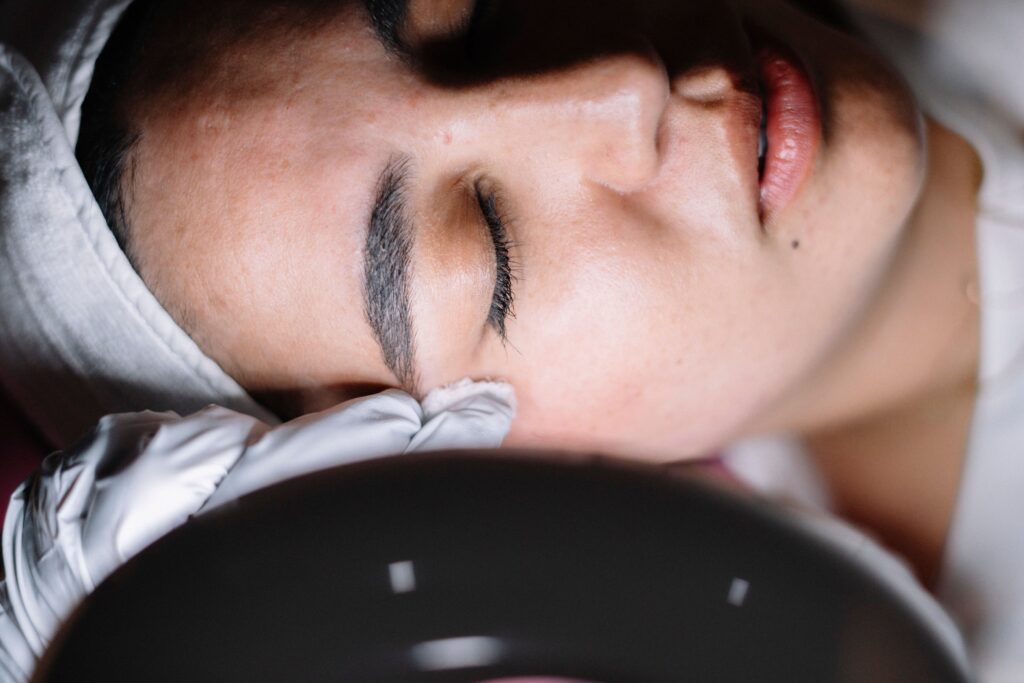
Melanin is the natural pigment that gives skin its colour. When too much melanin is produced, or when it is unevenly distributed, dark patches, brown spots or uneven skin tone may develop.
At FV Hospital, the Fotona StarWalker is used to treat various forms of hyperpigmentation, including melasma, freckles, age spots, post-inflammatory marks and certain congenital pigmented birthmarks. This third-generation Fotona laser system incorporates different wavelengths and technologies, allowing your dermatologist to select an approach suited to your skin condition.
One of the key features of Fotona StarWalker is its ability to deliver extremely short laser pulses. When the laser energy reaches pigment particles, it creates a photoacoustic effect that breaks them into much smaller fragments. The body can then gradually clear these fragments. This may help reduce areas of excess pigmentation and make dark spots less noticeable.
Some StarWalker treatment modes can also target deeper layers of the skin and stimulate collagen and elastin production, helping improve skin structure and appearance.
Melasma appears as brown patches or spots on the face due to increased melanin production and uneven pigment distribution. It commonly affects the cheeks, forehead, chin and upper lip, and is more common in women, particularly those with medium to darker skin tones.
Melasma is not harmful to your physical health, but it can be frustrating because it may persist, be difficult to clear completely and recur.
There are several types of melasma, including epidermal, dermal and mixed melasma. The depth and extent of pigmentation vary from person to person, so treatment needs to be tailored to the individual.
Laser may help improve melasma, but it is not usually the only treatment required. Depending on your skin, your dermatologist may combine laser treatment with topical medicines and sun protection. Laser must be used carefully because, in some cases, the heat generated can worsen melasma or trigger post-inflammatory hyperpigmentation.
Tattoo Removal
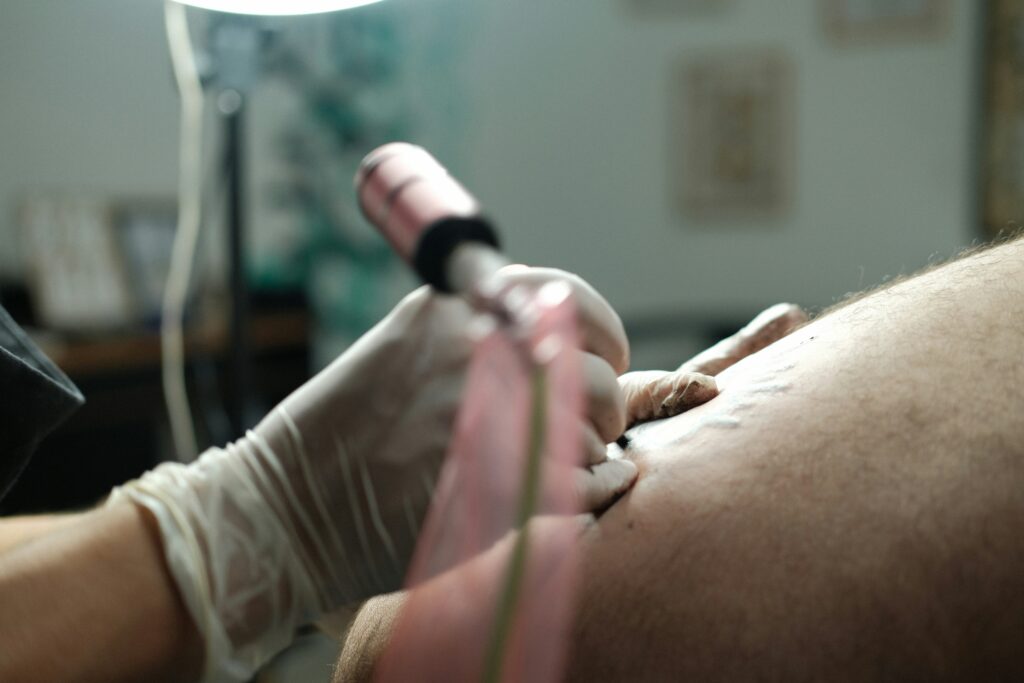
FV uses the Fotona StarWalker system for tattoo removal, combining Q-switched technology with ultra-short picosecond laser pulses.
The laser energy targets tattoo ink particles and creates a photoacoustic effect, breaking the ink into much smaller fragments. The body gradually clears these fragments over time. This allows the laser to target the ink selectively while limiting heat exposure to the surrounding skin.
The results of tattoo removal depend on several factors, including the colour, depth and type of ink, the size of the tattoo, the tattooing technique and your skin characteristics. Black and blue inks generally respond better, while some lighter colours, such as green, yellow and purple, can be more difficult to remove and may require more sessions. Professional tattoos are often harder to remove than amateur tattoos because the ink is usually deposited deeper in the skin.
Tattoo removal requires multiple sessions. Most people need 6–12 sessions, although more may be needed for tattoos with several difficult-to-remove colours. Treatments are usually scheduled monthly or further apart to allow the skin to heal between sessions.
After treatment, the area may become red, swollen or mildly painful, and scabs or other temporary reactions may develop. Pigmentation changes can also occur, particularly in people with darker skin tones. Your dermatologist will assess the tattoo and your skin before selecting the laser settings and advising you on aftercare.
Acne & Scar Treatment
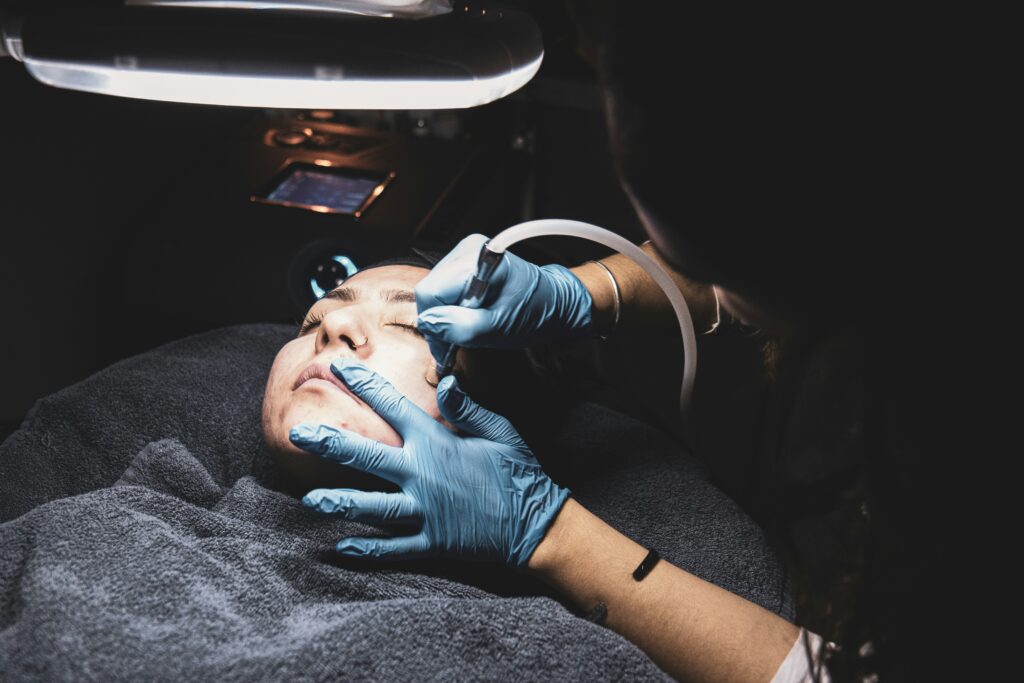
Acne is an inflammatory condition involving the hair follicles and sebaceous glands. Several factors contribute to its development, including excess oil production, blocked follicles and inflammation. Acne can recur, and prolonged inflammation may leave dark marks or scars.
Depending on the type and severity of your acne, your dermatologist may recommend a combination of treatments, such as topical medicines, oral medicines, laser treatment and other supportive therapies. Laser does not replace acne medication entirely, but it may be included in a treatment plan suited to your skin.
At FV Hospital, long-pulsed laser technology may be used as part of an appropriate treatment plan to help manage inflammation and improve acne lesions. This type of laser can deliver energy into deeper layers of tissue, producing a controlled thermal effect.
Laser is not a substitute for all acne medicines, and not every type of acne responds in the same way. Your dermatologist will assess the type of acne, degree of inflammation and condition of your skin before recommending treatment. Multiple sessions are usually required, and results vary from person to person.
Vascular and Redness Treatment
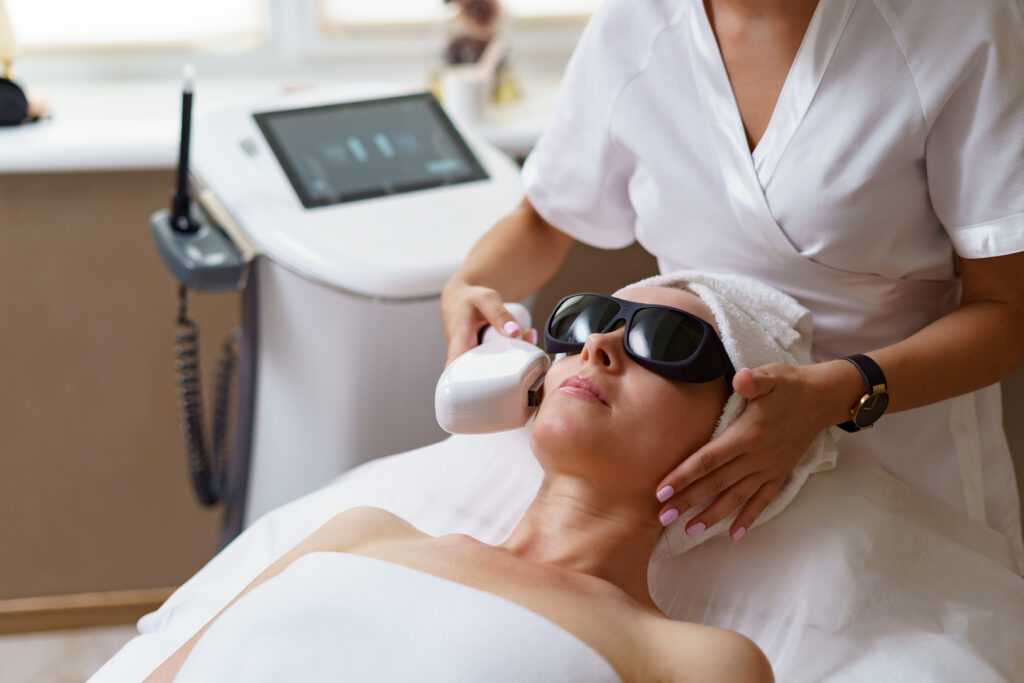
Small blood vessels beneath the skin are not usually visible to the naked eye. When they become enlarged, however, they can cause persistent redness, frequent flushing or visible small vessels around the cheeks, nose and other areas of the face.
Conditions that may contribute to these concerns include:
-
Spider veins
-
Telangiectasia (visible dilated capillaries)
-
Cherry angiomas
-
Some cases of rosacea
Laser is one treatment option for vascular lesions, facial redness and certain cases of inflammatory acne. At FV Hospital, the Fotona Dynamis and StarWalker systems offer two types of laser: long-pulsed Nd:YAG 1064 nm and KTP 532 nm.
The Nd:YAG 1064 nm laser can penetrate deeper into the tissue and may be suitable for certain deeper or larger blood vessels. The KTP 532 nm laser is more suited to superficial vessels and is often used to treat small capillaries visible on the skin.
These lasers target haemoglobin, the component in blood that gives blood vessels their red colour. When the laser energy is absorbed, it generates heat in the targeted blood vessels, helping reduce the appearance of abnormal vessels in the skin.
At FV Hospital, laser treatment may be used for:
-
Thread veins and telangiectasia, commonly found around the sides of the nose, cheeks, neck and upper chest.
-
Spider veins, which are small vessels with a branching, web-like appearance.
-
Rosacea, to help reduce facial redness and visible blood vessels.
-
Small vascular lesions, including cherry angiomas, red moles and small vascular birthmarks.
Hair Reduction
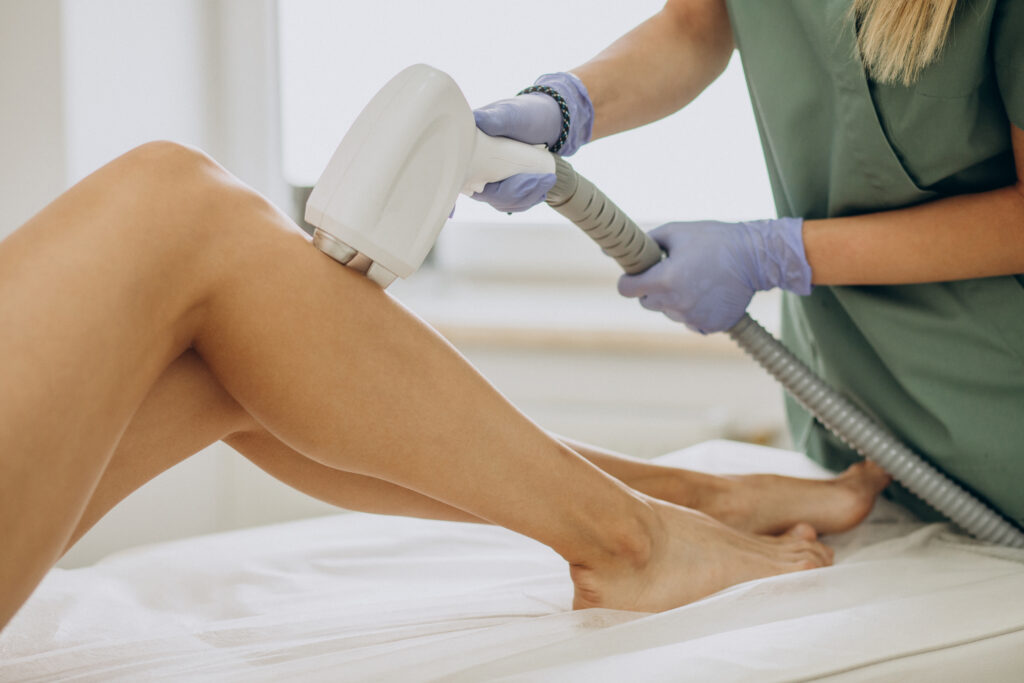
Laser hair reduction helps reduce the amount and rate of hair growth, leaving the skin smoother and reducing the need for frequent shaving or waxing.
Laser treatment can be used on the underarms, arms, legs, back, abdomen, bikini area and selected areas of the face, such as the upper lip, chin and cheeks.
Using the Fotona Dynamis system, your dermatologist can apply Nd:YAG laser energy at a wavelength of 1064 nm. The energy penetrates towards the hair follicles and is converted into heat, weakening the follicles’ ability to produce new hair.
Laser hair reduction requires multiple sessions because hair follicles are not all in the same growth phase at the same time. The number of sessions depends on the treatment area, your skin tone, hair colour and thickness, and how you respond to treatment.
After a course of treatment, hair generally grows back more slowly and tends to be finer and less dense.
Treatment for Moles, Warts and Benign Skin Lesions
Moles, skin tags, warts, seborrhoeic keratoses and congenital naevi are examples of benign skin lesions. They are generally not harmful to health, but some people may wish to have them treated for cosmetic reasons.
To treat suitable lesions, your dermatologist may use an ablative Er:YAG laser. This laser energy is strongly absorbed by water in the skin, allowing tissue to be removed layer by layer with precision while limiting the effect on surrounding areas.
For darker skin tones in particular, this approach may help reduce the risk of post-treatment pigmentation changes.
Your dermatologist will examine the lesion carefully before deciding whether laser treatment is appropriate.
Recovery and Aftercare
After treatment, the area may dry out and form a scab, which usually sheds within 2–7 days. Depending on the type of lesion, some people may experience prolonged redness or changes in skin colour.
To support healing:
-
Keep the treated area clean and dry for the first 24–48 hours, and apply any prescribed medicine as directed by your dermatologist.
-
Do not pick or scratch the scab, as this may increase the risk of dark marks or scarring.
-
Protect the treated area from the sun and use sun protection until the skin has fully healed.
Need advice tailored to your skin?
Your consultation includes VISIA skin imaging and a face-to-face assessment with a dermatologist.
Book a Skin Consultation
