




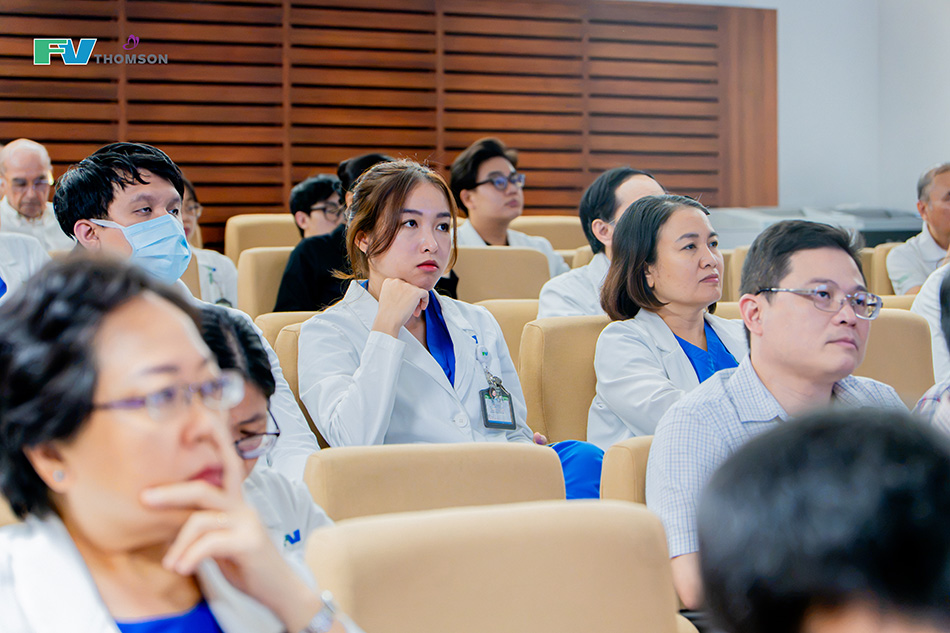
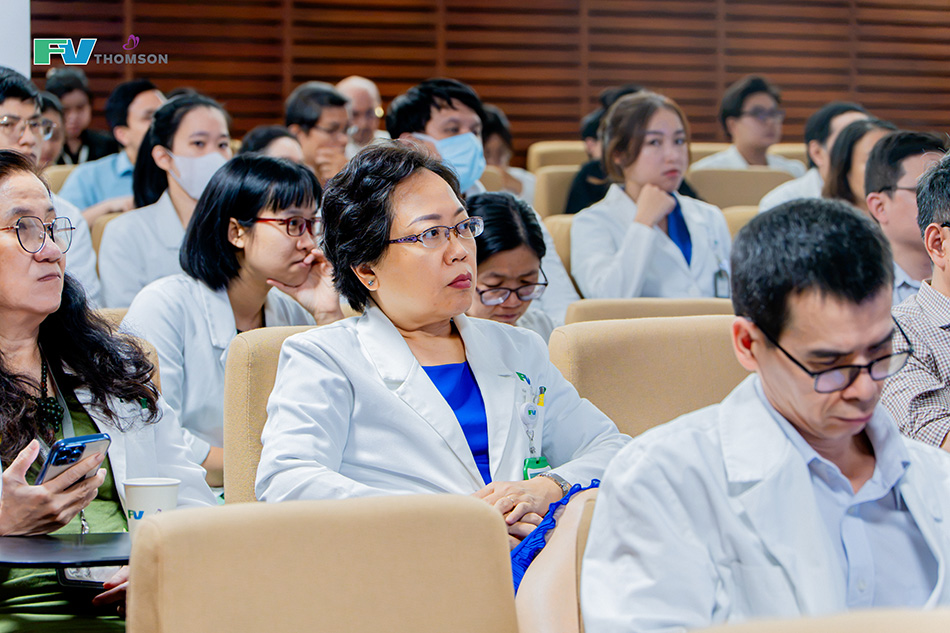
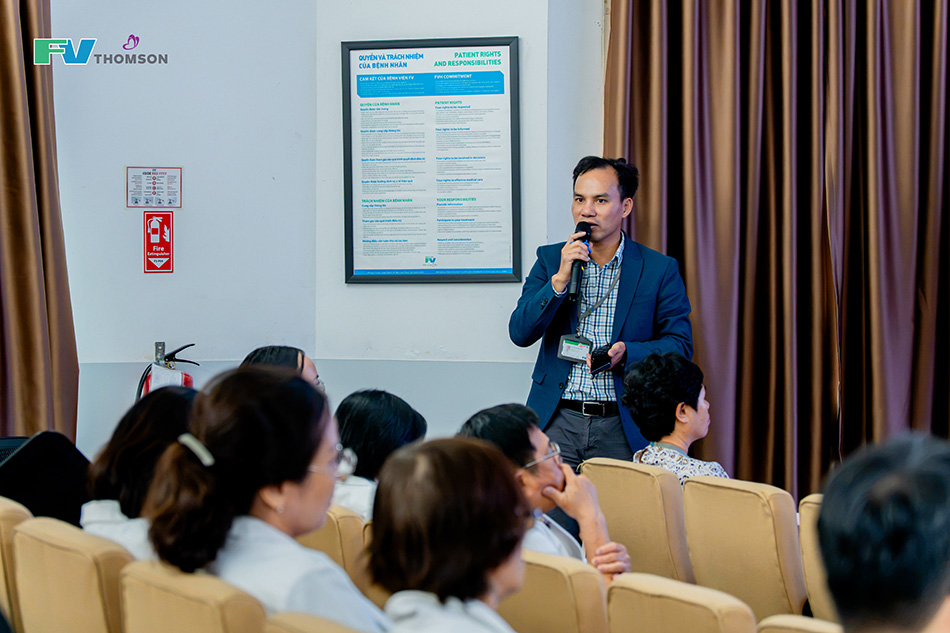
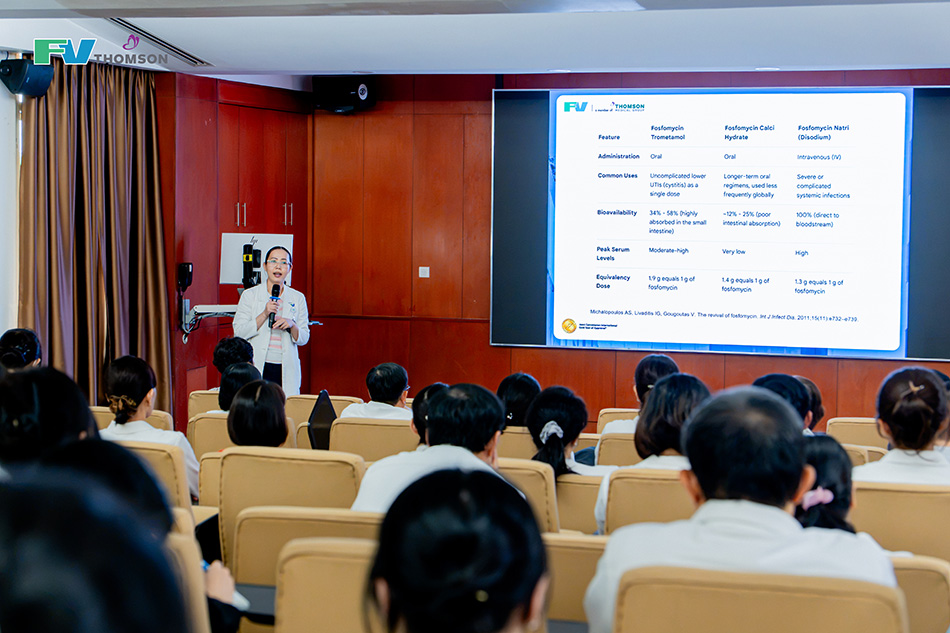
The August FV Wednesday session provided updates on the rational use of antibiotics and the control of antimicrobial resistance. The programme featured presentations by Dr Duong Bich Thuy, PhD, Head of the Department of Infectious Diseases, and Dr Bui Thi Bich Hanh, MSc, Specialist Level II, Department of Infectious Diseases, FV Hospital.
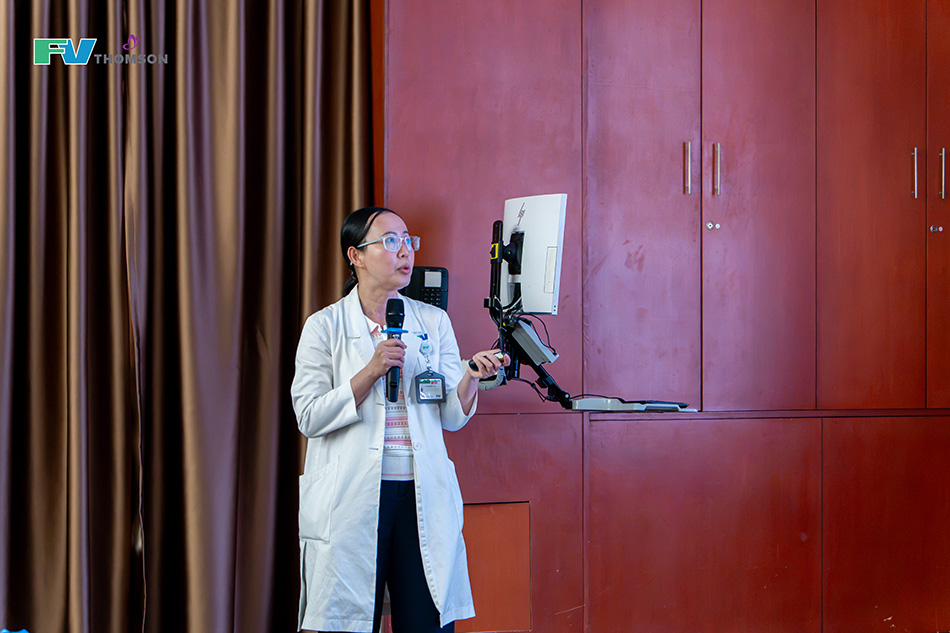
Opening the session, Dr Duong Bich Thuy, PhD, provided an update on the 2025 guidance from the Infectious Diseases Society of America (IDSA) on the diagnosis and treatment of complicated urinary tract infections (cUTIs).
Dr Thuy shared: “A key point in the 2025 IDSA guidance is the shorter duration of antibiotic therapy for cUTIs, with treatment lasting 5–7 days rather than the previous 10–14 days in appropriate cases. Patients can also be switched from intravenous to oral antibiotics as soon as their clinical condition improves.”
This approach can help optimise treatment, reduce the risk of unnecessary antibiotic exposure and side effects, shorten hospital stays, and support patients’ recovery and quality of life.
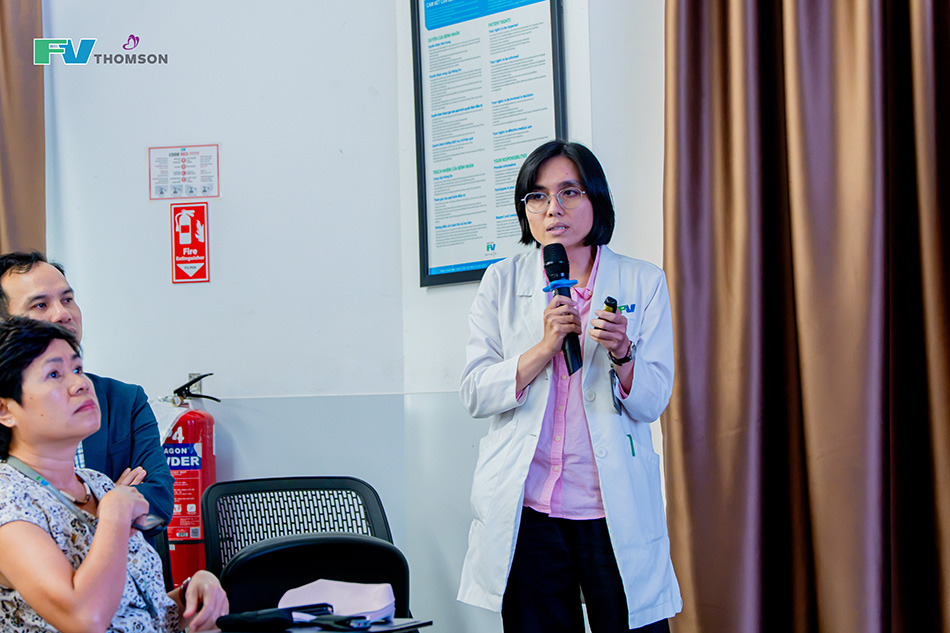
Addressing the same topic of antibiotic use, Dr Bui Thi Bich Hanh, MSc, Specialist Level II, presented an overview of the “Control Strategy for Multidrug-Resistant Gram-Negative Bacteria and the Application of Cumulative Antibiogram Data at FV Hospital for 2025–2026”.
The presentation focused on antimicrobial resistance patterns among clinically important bacterial species, including E. coli (which can cause intestinal and urinary tract infections), Klebsiella pneumoniae (which can cause pneumonia and bloodstream infections), Pseudomonas aeruginosa (which can cause lung, urinary tract and wound infections), and Acinetobacter baumannii (which can cause lung, bloodstream and wound infections). It also covered updated antibiotic treatment strategies based on the 2026 IDSA guidelines.
To support clinicians in selecting appropriate empirical antibiotic therapy, FV Hospital has introduced the Cumulative Antibiogram tool, developed by the Department of Laboratory and Blood Bank and integrated into FV’s internal network.
Dr Hanh stated: “Physicians from the Department of Infectious Diseases collaborate with the Department of Laboratory, the Pharmacy Department and other specialties to support appropriate antibiotic use for each patient, ensuring that antibiotics are prescribed according to the patient’s condition and the appropriate dose.”
Over more than two decades, FV Hospital has continued to strengthen its approach to antimicrobial resistance through rigorous clinical procedures and comprehensive solutions. FV also invests in advanced laboratory systems to help identify pathogens within a short timeframe, supporting timely diagnosis and personalised treatment while helping to minimise unnecessary antibiotic use. The ultimate goal is to improve treatment outcomes through accurate diagnosis and appropriate antibiotic therapy, supporting better care for patients.
WHAT IS FV WEDNESDAY?
FV Wednesday is a regular session series held two to three times a month on Wednesdays. It offers a collaborative space for doctors to meet, share insights, and learn from one another. By discussing complex clinical cases and advanced techniques, the programme helps maintain healthcare quality in line with JCI standards in Vietnam.
Next seminar schedule (12:15 – 09 September 2026):
Topic: “Bronchial artery chemoembolisation in advanced non-small cell lung cancer”
– Dr Nguyen The Hien, Specialist Level I, Imaging and Interventional Radiology Department

