



Combining surgery and endovenous intervention (stenting) to treat deep vein thrombosis is a technique introduced to Vietnam in 2015 and which few hospitals here have the capacity to perform. FV Hospital’s Vascular Surgery Department has recently successfully treated a patient with serious deep vein thrombosis using this methodology.

Deep vein thrombosis (DVT) in the lower limbs is a common and dangerous disease that can affect patients at any age. If it isn’t detected and treated quickly, there is a high risk of severe complications. Typically, risks of death associated with pulmonary artery thrombosis can be as high as 60 per cent. In Vietnam, the preferred treatment for DVT is medical treatment with anticoagulants or blood thinner. However, this treatment is not a cure. Around half of the patients with DVT suffer from post-thrombosis syndrome later if they only receive treatment with anticoagulants.

Post-thrombosis syndrome is a serious complication of DVT, causing an obstruction of blood outflow and limb dystrophy. B.H.K., 33, in HCMC, was one patient suffering from post-thrombosis syndrome for eight years and who has just received successful treatment at the Vascular Surgery Dept., FV Hospital.
When he met with Dr Luong Ngoc Trung, Vascular Surgery, both of Mr. K’s legs had unhealed ulcers, which had been there for eight years, and dark skin pigmentation over his shins due to dystrophy and swelling of his calves. He was unable to walk normally, despite having received medical treatment with blood thinners for 10 years.
Clinical investigation and imaging results showed severe narrowing at the bilateral iliac arteries and femoral arteries, caused by blood clots. Dr Trung determined to restore blood circulation to this patient’s bilateral iliac arteries and femoral arteries to save his legs.
Firstly, Dr Trung performed surgery to remove the built-up plagues causing the bilateral femoral artery blockage – a consequence of blood clots accumulating for years. He also reshaped blood vessels and restored veins during the surgery before performing angioplasty and stenting procedures to restore blood flow around the iliac arteries, in turn recovering blood flow in the veins. Following the surgery, swelling in Mr K’s legs reduced, the dark skin area lightened gradually and his leg ulcers began to heal. Within two to four weeks, Mr K’s skin and injuries would be totally recovered. “It was like being reborn after 10 years suffering from this disease,” Mr K. was happy to share.

Angioplasty and stenting conducted individually or combined with surgery to remove blood clots will help patients with vein thrombosis avoid the risk of recurrent thrombosis, post-thrombosis syndrome and results in a more comprehensive treatment outcome. It is better to perform this procedure during an acute period of less than two weeks following the formation of blood clots. This treatment methodology was introduced at Vascular Surgery, FV Hospital, in April 2017. Thanks to this new method, the team of doctors here has provided successful treatments to hundreds of patients affected with severe thrombosis at the lower limbs and helped them to avoid severe complications.
Related Articles
Related Articles

FV Hospital Pregnancy Follow-up Package
Congratulations on your pregnancy and thank you for choosing FV Hospital as your healthcare service provider! A pregnancy is both a happy and challenging journey in the life of any women. To experience a healthy and safe pregnancy, as well as to give your baby the best beginning in life, mothers-to-be must undergo regular follow-ups […]
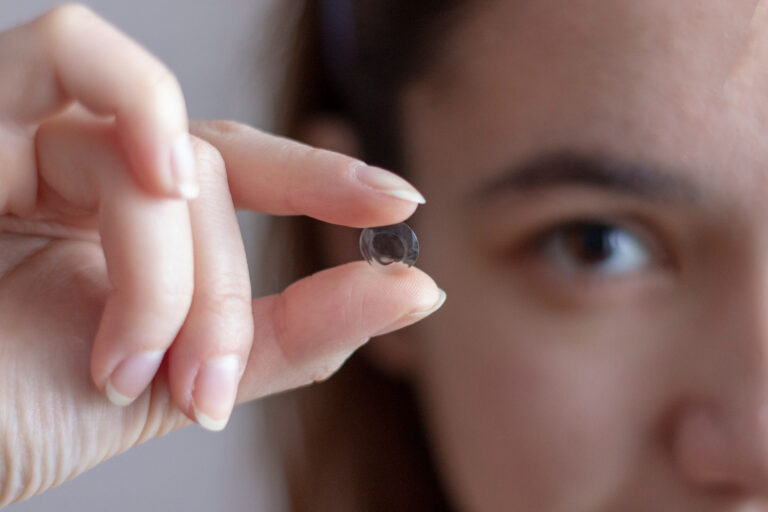
Orthokeratology (Night Lenses)
What is orthokeratology? Orthokeratology, or Ortho-K, is a non-surgical process that uses customised rigid contact lenses (specifically made for each patient) which are worn overnight to remodel the curvature of the cornea (the clear front surface of the eye). They are removed in the morning, allowing clear vision without correction during the day. The effects […]
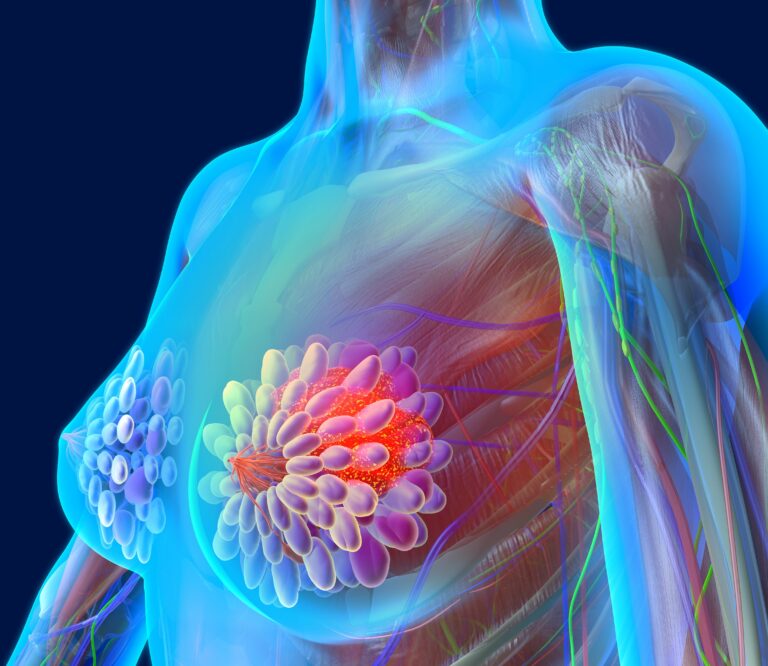
Breast Cancer
Breast cancer is a very frequent cancer worldwide. In Vietnam its incidence has been increasing steadily and it is now the most common cancer affecting women. What are the Symptoms of Breast Cancer? Signs and symptoms of breast cancer may include: When to see a doctor? If you find a lump or other change in […]
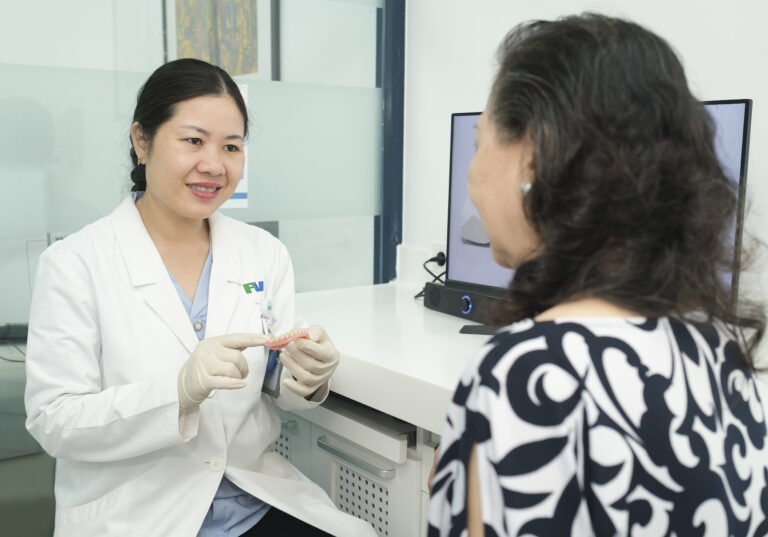
Dentures Instructions
The new dentures you have received are a replacement for your missing teeth. They will attempt to restore support to the jaw, increase your chewing ability and improve your appearance. This information leaflet will assist you with your adjustment to new dentures. There are 2 types of dentures: Getting used to your new dentures For […]
FV Hospital Pregnancy Follow-up Package
Orthokeratology (Night Lenses)
Breast Cancer

