
Breast Soreness

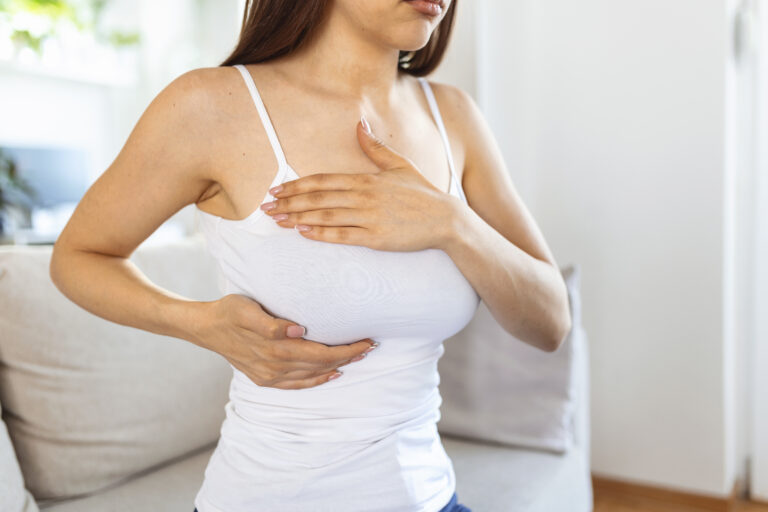
The degree of soreness, and where and how it is felt, differs for each woman. It might be sharp, stabbing, dull, throbbing or aching. It might be felt in all or part of the breasts, one breast or both. It can also affect the armpit area.  For many women, the soreness is barely noticeable.  For […]

Mastitis

What is mastitis? Mastitis is when your breast gets inflamed because of nipple damage and/or or if a plugged duct becomes infected.  Mastitis is quite common. About 1 in 5 women who are breastfeeding will get mastitis.  What are the symptoms of mastitis?  Sometimes mastitis is mild and sometimes it is severe. You might have:  […]

Breast Cysts

Cysts are fluid-filled bubbles, similar to blisters, in the breast tissue. Most cysts develop rapidly and then stay the same size. A small number shrink or continue to grow. Cysts are often too small to feel. However, on ultrasound they appear as a round clear shape with a distinct outline. Larger cysts can be felt […]

Fibroadenomas

Fibroadenomas are not cancerous. Fibroadenomas range in size. They can be smaller than a marble or as large as a golf ball. Most fibroadenomas appear suddenly and then stay the same size. Some shrink or continue to grow. Fibroadenomas are affected by hormones just like any other breast tissue. They often change size over the […]

Breast Changes

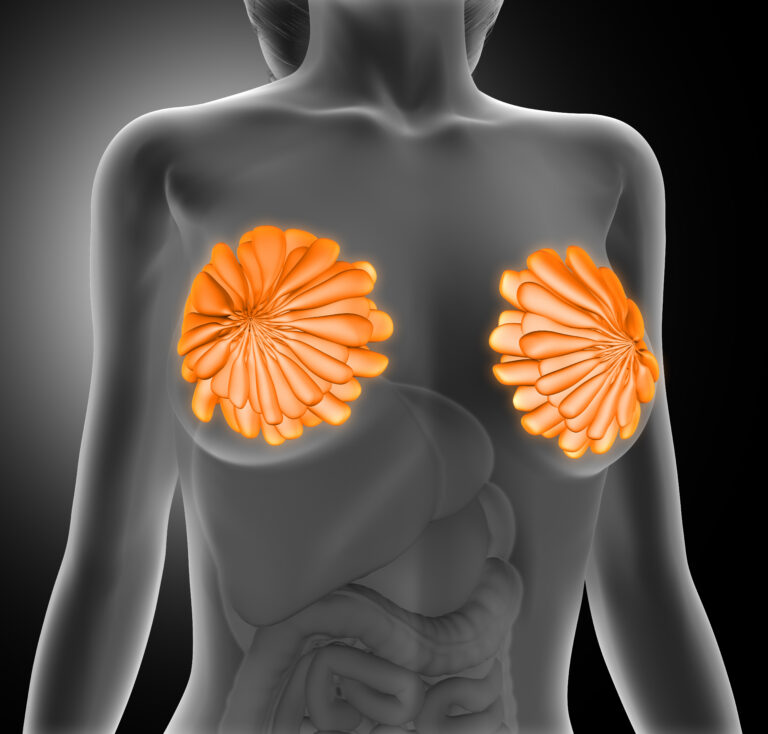
Your breasts change a lot. This information explains why your breasts change and what changes are common. Why do breasts change? It’s normal for your breasts to change. They might change when: Sometimes, you might feel lumps in your breasts. Your breasts are not muscles. They have milk systems, fat, lymph nodes, veins, nerves and […]

Transarterial Chemoembolisation (TACE) for Liver Cancer

What is transarterial chemoembolisation? Transarterial chemoembolisation or TACE is a palliative treatment for liver cancer. This can be a cancer originating in the liver or a cancer that has spread (metastasised) to the liver from other areas of the body. TACE is a non-surgical and minimally invasive procedure performed by an interventional radiologist. Anti-cancer drugs […]

An Adult’s Guide to Vaccination

Getting vaccinated is an important way to keep ourselves safe and healthy from serious and life-threatening diseases. The best way to protect ourselves is by making sure we get all recommended vaccines on time. How does vaccination work? Vaccination works by exposing our bodies to key parts of bacteria or viruses, called antigens, in a […]

Alcohol and Heart Health

ARE THERE POTENTIAL BENEFITS OF DRINKING WINE OR OTHER ALCOHOLIC BEVERAGES? Moderate drinking – one drink a day for women and two for men – appears to protect some people against heart disease. Especially in people having significant physical activity, who control their weight, and follow a diet high in fruits and vegetables and lower in […]

Abdomino Pelvic Radiotherapy

Radiation on the abdominal and pelvic areas can sometimes cause side effects. You may or may not experience adverse effects. The effects and their severity vary from person to person. This sheet contains detailed information about potential side effects and ways to deal with them. Generally, these effects appear in the 3rd week of treatment […]

Newborn Hearing Screening

WHY DO WE OFFER NEWBORN HEARING SCREENING? Speech and language acquisition delay is one of the most common neuro-development difficulties in early childhood. The reason to perform newborn hearing screening is to detect a hearing disorder as early as possible and take action by supplying the child with a hearing aid or a cochlear implant. […]

Abnormal Heartbeat (Arrhythmia)

What is an abnormal heartbeat? Abnormal heartbeat (whose medical name is arrhythmia) can be due to a variety of heart rhythm disorders. Abnormal heartbeat means that your heart beats too quickly, too slowly, or with an irregular pattern. When the heart beats faster than 100 bpm, it is called tachycardia. When the heart beats too […]

Diabetes Patient Education Guide

What is diabetes? After eating, most food is turned into glucose, the body’s main source of energy. As sugar enters the bloodstream, the amount of sugar in the blood rises, and that rise will signal the pancreas to send the hormone “insulin” into the bloodstream. Insulin is produced by the pancreas, an organ that lies […]

Showing 1 - 12 of 275 results

Prev 1 2 3 23 Next
MessengerZalo