
Breast Care Centre

Common Breast Conditions

Most breast conditions are benign, but proper evaluation is essential. We assess a wide range of concerns, from lumps and cysts to inflammatory and high-risk lesions, to determine risk level and guide the most appropriate next steps.

Most breast conditions are benign, but proper evaluation is essential to understand what is normal and what requires attention.

Many women experience breast-related concerns at some point in their lives — such as lumps, cysts, pain, or changes in breast tissue. While the majority of these conditions are not cancer, they still need to be assessed carefully to determine their nature and level of risk.

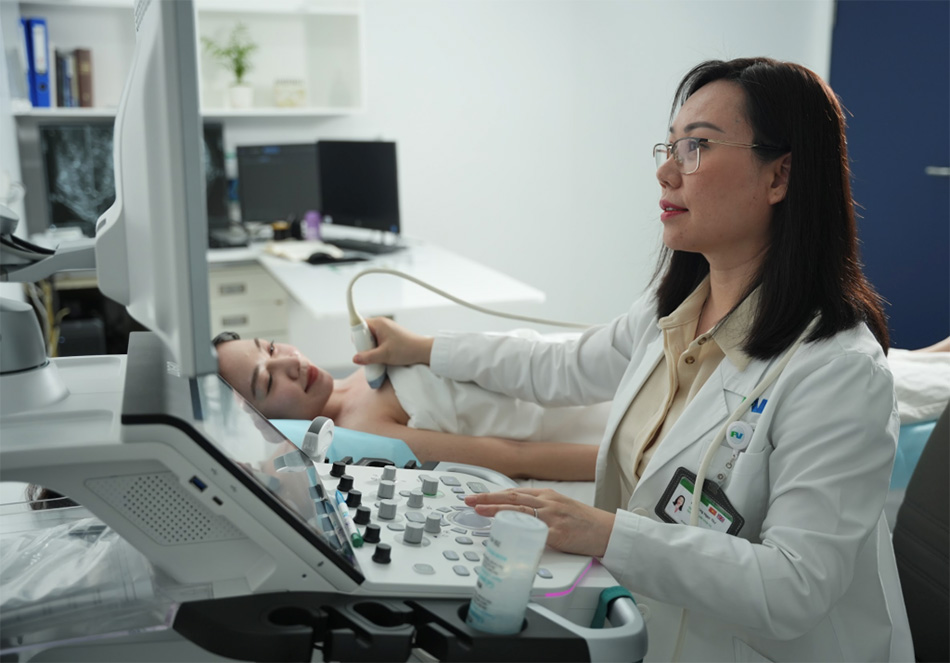
We evaluate a wide range of conditions, from simple cysts and benign solid lesions to inflammatory changes and findings that may carry higher risk. This evaluation combines clinical examination with appropriate imaging, helping to clarify what you are experiencing.

The goal is not only to make a diagnosis, but also to guide the most appropriate next step — whether that is reassurance, follow-up, or further investigation.

You will not be left wondering what it means.

It’s normal for your breasts to change. They might change when:

  • You’re pregnant
  • You’re breastfeeding
  • Your hormones change at different times in your menstrual cycle
  • You lose or gain weight
  • You get older

Many people have breast changes that are different from their usual hormonal changes. Most of the time, these changes aren’t cancer or harmful, but it’s important to have a doctor check them to make sure.
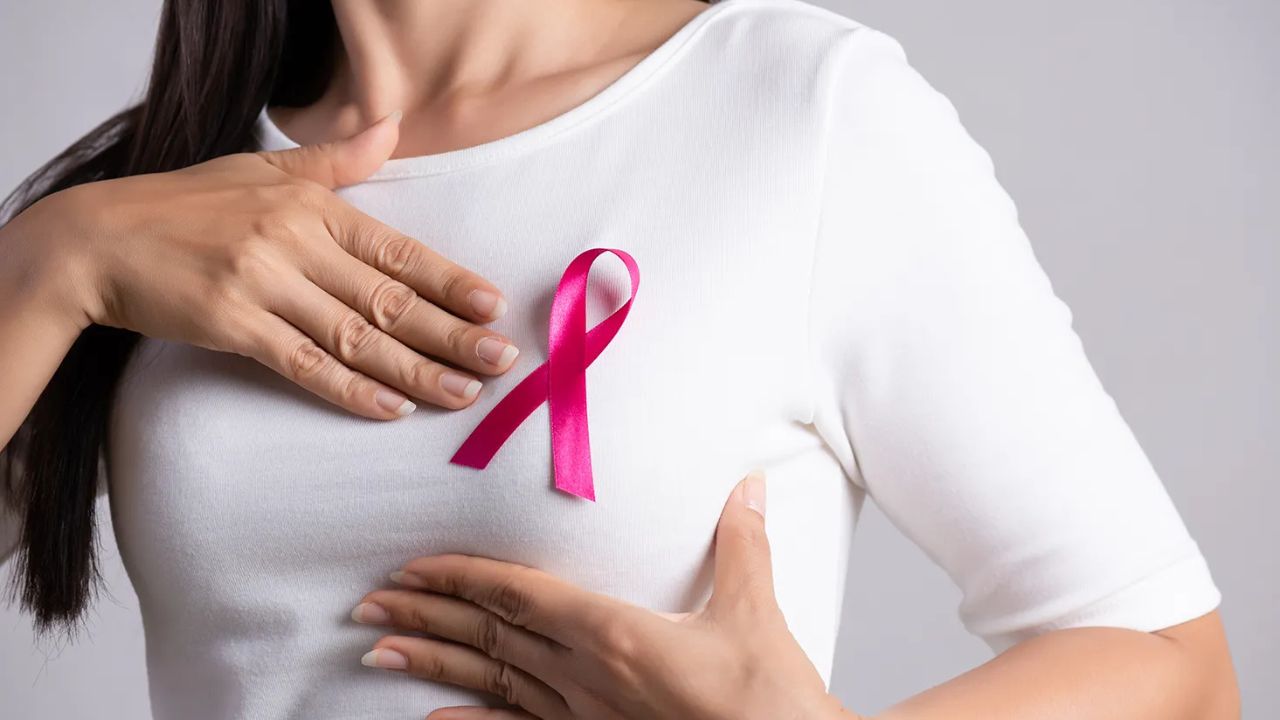
Breast pain is a very common condition. Up to 70% of women will experience it at some time in their life. We often think that pain is a cause for concern, but this is rarely the case with breast pain. In fact, it is so common that is often considered to be a normal function of the body, rather than a disease.

Occasionally infection or injury to the breast, or an illness like shingles can cause pain — this can be treated and the pain usually resolves. However, many women continue to experience ongoing pain that does not have an obvious cause. Breast pain is not usually a sign of cancer, particularly if you have normal findings on examination and breast imaging.

Many breast findings are non-cancerous and related to hormonal changes or normal variations in breast tissue.

Fibroadenomata (plural of fibroadenoma) are the most common noncancerous (benign) breast lumps, primarily composed of glandular and fibrous tissues. They are solid, typically painless, and occur most frequently in women between 15 and 35 years of age.

Breast cyst: a breast cyst is a noncancerous (benign), fluid-filled sac in your breast. It occurs when fluid fills an empty milk duct. Some cysts are too small to feel, while others grow up to several inches — large enough for you to feel and even make you uncomfortable. Clusters of cysts can form in one breast or both. Breast cysts don’t increase your risk of developing breast cancer.

You’re more likely to get breast cysts if you’re:

  • Between 35 and 50 years old
  • Premenopausal (still have a menstrual cycle)
  • Postmenopausal (no longer have a menstrual cycle) but take hormone therapy

Breast cysts are common. About 7% of all women will get a breast cyst at one point in their lives.

Some breast symptoms are related to inflammation or infection, which may cause pain, redness, or swelling.

  • Mastitis is inflammation of the breast tissue, much more common in lactating women, and will often need treating with antibiotics
  • Breast cysts are epithelial lined fluid filled cavities within the breast tissue and usually requiring no further management and self-resolve
  • Duct ectasia often presents with coloured green/yellow nipple discharge, yet is best managed conservatively
  • Fat necrosis is ischaemic necrosis of fat lobules, associated with trauma in 40% of cases
  • Tuberculous mastitis is rare and responds to anti-tuberculosis medication

Inflammatory breast cancer is a form of breast cancer that causes breast swelling and skin change and can easily be confused with a breast infection, which is much more common.

Lumps are a common reason for consultation and may represent a wide range of conditions, from simple cysts to cancer.

While not all breast lumps eventually turn out to be cancerous, the discovery of any lumps in the breast, nipple discharge or even skin changes around the nipple should prompt a trip to the doctor for clinical assessment.

If you do find a breast lump during your breast self-examination, there is no need to panic. Many breast lumps often turn out to be benign (non-cancerous). But to be on the safe side, you should consult our breast care specialist who may suggest diagnostic breast imaging, such as 3D mammography, ultrasonography, or sometimes breast MRI, for further evaluation.

I feel a small lump in my breast but it doesn’t feel painful. Should I wait and observe it?

There are many different causes of breast lumps. Most of them are benign and can be caused by tissue growth (like fibroadenoma and fibrocystic change) or a build-up of fluid (like a cyst). A cancerous lump, however, most commonly presents as a painless lump, and can start small before it enlarges with time.

Hence if you find any lumps in your breast, the best thing to do is schedule a visit to a breast care specialist to seek reassurance or establish an early diagnosis.

Suspicious Findings

Certain findings require closer evaluation to determine whether further imaging or biopsy is needed. Some warning signs that might indicate breast cancer include:

  • Lump(s), swelling or thickening in the breast or underarm area
  • Changes in the size or shape of the breast or nipple-areolar complex
  • Red or irritated skin on the breast or nipple-areolar complex
  • Dimples or puckering of the breast skin, or a persistent rash
  • Bleeding or unusual discharge from the nipple
  • Any enlarged lymph nodes in the armpit and collarbone areas

All unusual findings should be evaluated by an experienced breast care specialist.

Breast cancer is the most common cancer diagnosed in women in Vietnam and the second leading cause of cancer-related deaths in women in Vietnam.

Breast cancer survival rates have been increasing. Advances in breast cancer screening allow healthcare professionals to diagnose breast cancer earlier. Finding the cancer earlier makes it much more likely that the cancer can be cured. Even when breast cancer can’t be cured, many treatments exist to extend life.

Signs and symptoms of breast cancer may include:

  • A breast lump or thickened area of skin that feels different from the surrounding tissue
  • A nipple that looks flattened or turns inward
  • Bleeding or unusual discharge from the nipple
  • Changes in the colour of the breast skin
  • Change in the size, shape or appearance of a breast
  • Changes to the skin over the breast, such as skin that looks dimpled or looks like an orange peel
  • Peeling, scaling, crusting or flaking of the skin on the breast
  • Any enlarged lymph nodes in the armpit and collarbone areas

When to see a doctor?

If you find a lump or other change in your breast — even if a recent mammogram was normal — make an appointment with your breast care specialist for prompt evaluation.

Looking for expert breast care?

Contact us for consultation and appointment booking

Make an Appointment
MessengerZalo