

Breast Care Centre

Minimally Invasive Breast Procedures

Many breast conditions can be diagnosed or treated using image-guided, minimally invasive techniques. These procedures improve diagnostic accuracy, reduce the need for surgery, shorten recovery time, and help preserve breast structure and appearance.

Many cases can be accurately diagnosed and in some cases treated using minimally invasive, image-guided techniques. These procedures are performed with precision, using ultrasound or other imaging methods to target the exact area of concern.

Compared to traditional surgery, minimally invasive procedures are less disruptive to the body. They typically involve smaller instruments, minimal scarring, and faster recovery.

Depending on the condition, these techniques may be used to: obtain tissue for diagnosis, remove or reduce certain benign lesions, relieve symptoms such as pain or pressure.

Our approach is to choose the least invasive method that can provide a clear answer and effective outcome.

You are guided through the process — so you understand why the procedure is needed, what it involves, and what to expect afterward.

A fine needle aspiration (FNA) is a quick, minimally invasive, outpatient procedure that uses a very thin needle to collect cells or fluid from a breast lump or cyst, often guided by ultrasound.
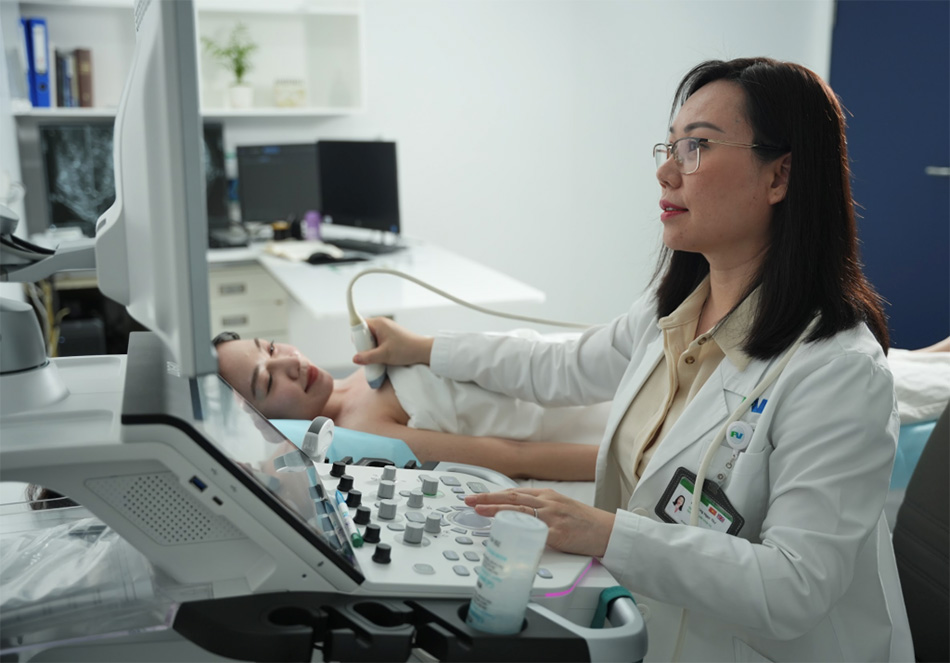
Also called a stereotactic core needle biopsy it is a minimally invasive outpatient procedure perform under 3D mammographic guidance to remove the suspicious tissue so it can be tested for cancer cells.

A vacuum assisted biopsy (VAB) is primarily a tissue sampling procedure using a tiny skin nick and introduction of needle device. The procedure is aided by vacuum suction and often aims to completely remove the lesion.

Simple procedures can help relieve discomfort caused by fluid-filled lesions or localised pressure.

Following initial clinical evaluation and breast imaging, we will find that the majority of benign breast lesions do not require biopsy or removal. However, your breast specialist may recommend tissue biopsy or removal for suspected cancers, indeterminate high-risk lesions (B3 lesions; lesions of uncertain malignant potential), or evolving or symptomatic growths. Some benign non-cancerous lesions may also be recommended for sampling or removal because they are symptomatic, changing, growing, concerning, or simply for diagnosis, clarity and to direct definitive treatment.

A biopsy is an invasive examination of tissue removed from one’s body to diagnose the presence, cause, or extent of a disease. The extracted tissue is then sent to a laboratory for histological assessment. The tissue and cells are analysed by a pathologist under a microscope to provide you with a diagnosis to guide recommendations on subsequent management and surveillance.

Looking for expert breast care?

Contact us for consultation and appointment booking

Make an Appointment
MessengerZalo