

ISOLATION ROOM
- Select a specific room in your home that will be used for you to separate yourself from others.
- Stay in this room away from other people in your home as much as possible. It is especially important to stay away from individuals who are at higher risk of serious illness if infected. Wear a mask and practice social distancing when around others in your home by staying at least 2 metres away from others.
- Use a separate bathroom, if possible. If this is not possible, clean and disinfect the bathroom after each use.
- Open windows regularly and use a fan or air conditioner to ensure good ventilation
- Do not allow visitors in your home
- Do not handle pets or other animals
- Do not care for children or others in your home
AVOID SHARING HOUSEHOLD ITEMS
- Do not prepare or serve food to others
- Do not have meals with others
- Do not share dishes, drinking glasses, cups, eating utensils, towels, bedding, or other items with other people in the home. These items should be washed thoroughly after use with soap and warm water.
KEEP YOUR HANDS CLEAN
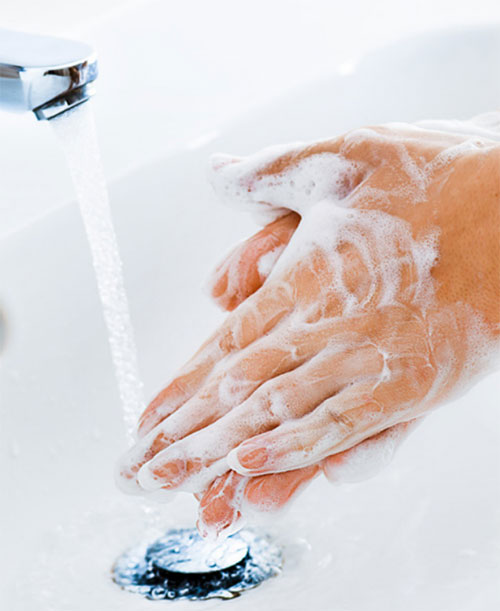
- Wash your hands often and thoroughly, especially after blowing your nose, coughing, or sneezing; going to the bathroom; and before eating or preparing food.
- Use soap and water for at least 20 seconds. Use hand sanitizer with at least 60% alcohol if soap and water are not available and if hands are not visibly dirty.
- Avoid touching eyes, nose, and mouth with unwashed hands.
CLEAN ALL “HIGH-TOUCH” SURFACES EVERY DAY
- Keep your room clean
- High-touch surfaces include counters, table tops, door knobs, bathroom fixtures, toilets, phones, keyboards, tablets, and bedside tables.
- Also, clean any surfaces that may have blood, body fluids and/or secretions or excretions on them.
LAUNDRY
- Wash laundry thoroughly
- Immediately remove and wash clothes or bedding that have blood, body fluids and/or secretions or excretions on them.
- Wear disposable gloves while handling soiled items. Wash your hands immediately after removing your gloves
WASTE
- Collect masks, gloves, tissues, paper used to clean your nose or mouth and put them in a separate waste bag, tightly closed and tidily put in a designated place.
- These waste bags must be put aside for 72 hours before being put in your usual external household waste bin.
HEALTH MONITORING
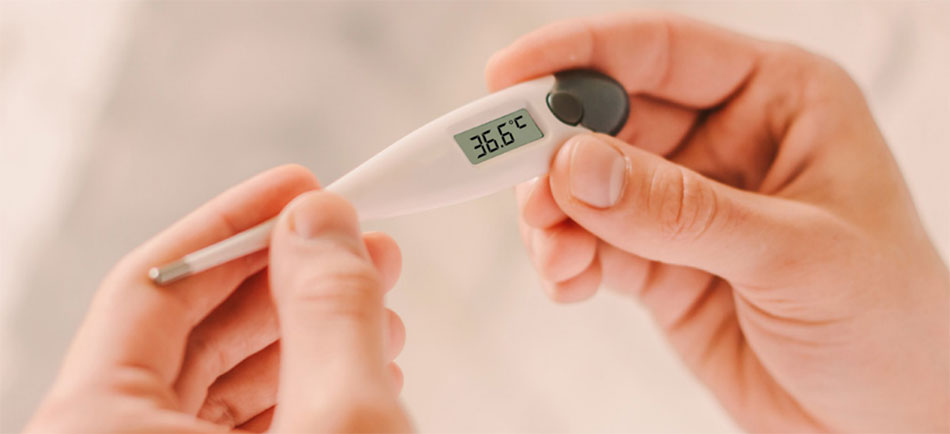
- Check your body temperature on mornings and evenings, note your temperature.
- Immediately notify FV Hospital if you have symptoms such as fever, cough, shortness of breath, loss of smell or taste, fatigue, diarrhoea, skin rash, etc.
For more information, please contact: FV HOSPITAL: (028) 54 11 33 33 FV ACCIDENT & EMERGENCY: (028) 54 11 35 00
Related Articles
Related Articles
Mastitis
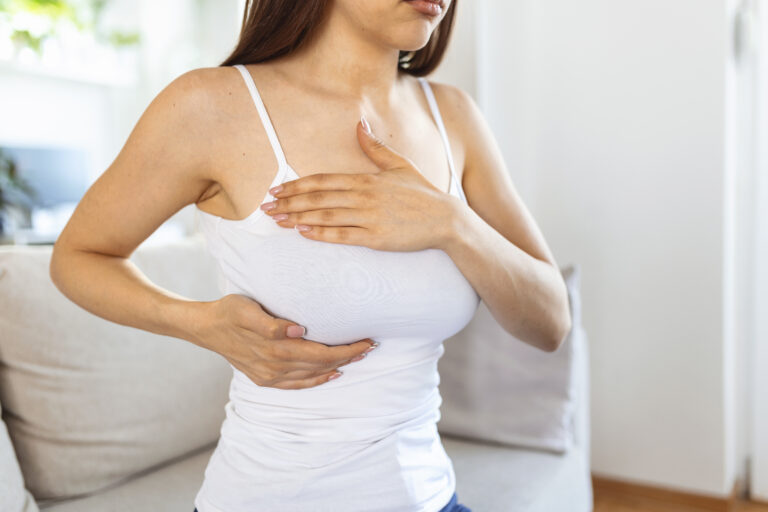
What is mastitis? Mastitis is when your breast gets inflamed because of nipple damage and/or or if a plugged duct becomes infected. Mastitis is quite common. About 1 in 5 women who are breastfeeding will get mastitis. What are the symptoms of mastitis? Sometimes mastitis is mild and sometimes it is severe. You might have: […]
Breast Cysts
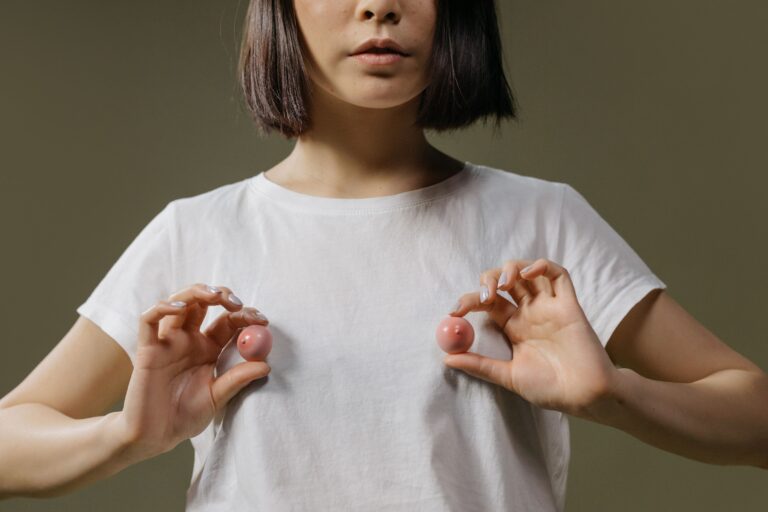
Cysts are fluid-filled bubbles, similar to blisters, in the breast tissue. Most cysts develop rapidly and then stay the same size. A small number shrink or continue to grow. Cysts are often too small to feel. However, on ultrasound they appear as a round clear shape with a distinct outline. Larger cysts can be felt […]
Fibroadenomas
Fibroadenomas are not cancerous. Fibroadenomas range in size. They can be smaller than a marble or as large as a golf ball. Most fibroadenomas appear suddenly and then stay the same size. Some shrink or continue to grow. Fibroadenomas are affected by hormones just like any other breast tissue. They often change size over the […]
Mastitis
Breast Cysts

