




As children become older, their daily energy and nutritional needs increase. Breast milk alone cannot meet all their energy and nutrient requirements for growth, so they need to be supplemented with complementary foods. Complementary feeding is feeding a baby with foods other than breast milk, i.e. transitioning from a milk-based diet to a diversified diet. Choosing the type and timing of complementary foods for children is very important. Eating supplements not only ensures good energy with a balance and a full range of substances such as protein, fat, carbohydrates, vitamins, minerals, fiber, and water. It also helps children get used to the taste of many foods and strengthens chewing and swallowing skills. Improve motor skills through food handling. Children above six months of age have a digestive system mature enough to digest starches, proteins, and fats found in food. Their nervous system and tongue muscles are developed enough to be ready to explore foods other than breast milk.
GENERAL PRINCIPLES
- Exclusive breastfeeding from birth to 6 months of age;
- Complementary feeding when the child has just turned six months old (180 days), and at the same time continue to breastfeed on-demand until the child is 24 months old;
- When eating supplements, it is necessary to ensure an adequate supply of energy needs according to the age-appropriate ratio of nutrient groups such as protein, fat, carbohydrates, vitamins, and minerals.
- Feed your child from simple to varied. Introduce a portion of new food to the child individually for 3 to 5 days, watching for allergic reactions (if any). As your child gets used to that food, continue introducing another new food.
- Start supplementing from finely pureed, ground, semi-solid, and then coarse;
- Eat supplements by gradually increasing from small to big portion, from liquid to pureed then thick food;
- Gradually increase the number of times the child eats complementary foods as the child ages.
- Children need to use various combinations of foods in their meals to help them fully absorb the nutrients they need and ensure that they provide enough four food groups;
- Increase vegetables and fruits to provide more fiber and vitamins.
- Ensure adequate supply of trace elements necessary for the development of children, such as iron, zinc, calcium, vitamin A, vitamin C, vitamin D, and folates;
- It is not recommended for children to be vegetarian at the weaning age;
- Food containers (cups, glasses, spoons) for children must be washed. Wash children’s hands before eating.
- Consult a medical nutritionist or a dietician if your child has some issues such as malnutrition, obesity, allergies, malabsorption, etc.
NUTRIENTS AND THEIR ROLE IN CHILDREN’S HEALTH
| Nutrients | Role | Food |
| Protein | Participating in the construction of the structure and regeneration of the body’s tissues Involved in immune responses and is a component of immune cells | Protein from plants: beans, tofu, mushrooms, Protein from animals: fish, chicken, meat, eggs, milk |
| Fat | Join the structure of nerve cells Helps absorb fat-soluble vitamins (vitamins A, D, E, K) Increases the energy density of food, making food more delicious Maintain body temperature | Vegetable oils (walnut oil, canola oil, sesame oil, soybean oil, grapeseed oil, olive oil, margarine (unsalted) |
| Sugar powder | The primary source of energy for the body Involved in the formation of cells and tissues of the body | Rice, potatoes, sweet potatoes, corn, noodles, vermicelli, pho, spagetty noodles, … |
| Iron | Create red blood cells Helps maintain normal immune system function | Beef, pork, liver, poultry, fish, legumes (peas, soybeans, lentils,), Shellfish and seafood: oysters, mussels,.. |
| Zinc | Helps maintain normal immune system function. Promote body growth Increase appetite in children | Fish, chicken, beef, pork, liver, eggs, lentils, milk, cheese Shellfish and seafood: oysters, crabs, scallops,.. |
| Calcium | Formation of bones and teeth (size and stiffness) Participate in the structure and activity of neurotransmitters | Milk, cheese and yogurt |
| Vitamin A | Maintain the integrity of the respiratory and gastrointestinal mucosa. | Liver, egg yolk Milk, cheese Red and orange fruits and vegetables: oranges, tangerines, papayas, mangoes, tomatoes, carrots, pumpkins..); dark green vegetables (spinach, broccoli, …) |
| Vitamin C | Boost your child’s immune system | Fresh fruits and vegetables like oranges, tangerines, grapefruit, guava, papaya, mango, apple, grape, kiwi, tomato, broccoli, radish, spinach, bell pepper, etc. |
| Vitamin D | Supports the absorption and use of calcium, building bones and teeth for children Supports the immune, digestive, circulatory and nervous systems | Fortify foods rich in vitamin D such as egg yolks, fish and vitamin D fortified foods (milk, cereals), etc. |
| Folate | Involved in the growth and division of cells in the body | Animal liver Orange juice, strawberries, pears, watermelon, kale, spinach, greens, asparagus |
NUMBER OF COMPLEMENTARY MEALS ACCORDING TO AGE
| Months old | Number of meals/day | Processing |
| 0 – 6 months | Exclusive breastfeeding | |
| 6 – 8 months | 2 main meals Breastfeed on demand | All starches, proteins, vegetables and fruits must be pureed, smooth (from liquid to thick). |
| 9-12 months | 3 main meals Breastfeed on demand | Grate, or mince, or mash with a fork |
| 12 months | 3 main meals 1-2 snacks Breastfeed on demand | The food is cut into small pieces and cooked very soft |
| 23 months | 3 main meals 2-3 snacks | Food is cut into small pieces and cooked soft |
GUIDANCE ON WHEN TO CHOOSE AND DIVERSIFY FOODS
| Food | Age | ||||
| 0 – 6 months | 6 months | 9 months | 1-2 years old | 2- 3 years old | |
| Breast milk | Exclusive breastfeeding | x | x | x | |
| Formula milk | x | x | x | x | |
| Fresh milk | x | x | |||
| Yogurt | x | x | x | x | |
| Cheese (fresh, soft, not moldy) | x | x | |||
| Milk scum | x (limited) | ||||
| Starch | White rice, potatoes | Oats, Noodles, Vermicelli | Bread, spagetty, corn, sweet potatoes, sticky rice | Whole grains (brown rice, brown bread…) Legumes (red beans, white beans, soybeans, lentils, etc.) | |
| Protein | Freshwater fish, Lean meat (chicken, beef, pork), egg yolk | Egg whites (from 7 months and up) | Seafood (limited) | Cold meat (ham, sausage, pate…), offal ( liver, kidney , intestines…) (limited) | |
| Fat | Vegetable oil (walnut, canola, sesame oil, soybean, grape seed, olive oil), (unsalted) | Vegetable oil (walnut, canola, sesame oil, soybean, grape seed, olive oil), (unsalted) | Vegetable oil (walnut, canola, sesame oil, soybean, grape seed, olive oil), (unsalted) | Other fats (limited) | |
| Vegetable | Vegetables (Chinese lettuce, spinach, lettuce…), tubers (pumpkin, carrot, zucchini) | Vegetables (Chinese lettuce, spinach, lettuce…), tubers (pumpkin, carrot, zucchini) | All other vegetables (cooked) | Soft raw vegetables | |
| Fruit | Apple, pear, mashed banana (peeled and cooked) | Sweet, soft, seedless, diced fruit like avocado, peach, mango, pear, grape, watermelon… | Seeded fruits (strawberries, kiwi and dragon fruit) | Dried fruit and soft nuts | |
| Sweet food | Baby cakes (limited) | Other cakes, chocolate (limited) | |||
| Drinks | Bottled drinking water (low mineral content) | Bottled drinking water (low mineral content) | Fruit juice | Fruit juice | |
| Spice | Do not add salt, fish sauce, soy sauce to meals | Do not add salt, fish sauce, soy sauce to meals | Salt, fish sauce, soy sauce (<2g/day) Sugar, jam, honey (<5g/day) Non-spicy seasoning (limited) | Industrial sauces (mayonnaise, ketchup…) (limited) | |
Depending on the child, the timing of complementary feeding can start sooner or later. But it should not be started before 4 months or after 8 months. FV Hospital’s medical nutritionists and dieticians can advise on an appropriate diet, choose nutritional supplements suitable for children’s conditions, and design menus. Individually for each child so that caregivers can prepare and cook at home. You can book an appointment with doctors of FV Department of Nutrition & Dietetics, via phone number (028) 54 11 33 33, extension 1419.
Related Articles
Related Articles
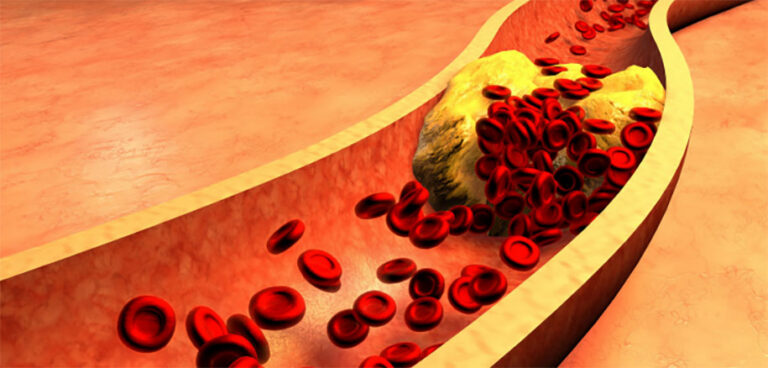
All About Cholesterol
Cholesterol is a fat-like substance found in your blood. Your body needs cholesterol to build healthy cells, but high levels of cholesterol can increase your risk of heart disease. With high cholesterol, you can develop fatty deposits in your blood vessels. Eventually, these deposits grow, making it difficult for enough blood to flow through your […]

All about blood glucose
Having diabetes means the amount of sugar (glucose) in your blood is higher than it should be. Keeping your blood glucose in your target range can prevent or delay the health problems caused by diabetes. Most of the steps needed to take care of diabetes are things you can do yourself: What are the symptoms […]

