



FV Hospital, one of the pioneering institutions in cancer treatment and patient care through a multidisciplinary model and the ERAS protocol, recently presented at the 9th Asian Head and Neck Surgery Congress (ASHNO 2025). This major scientific forum provides updates on the most advanced treatment approaches, particularly in the management of head and neck cancers.
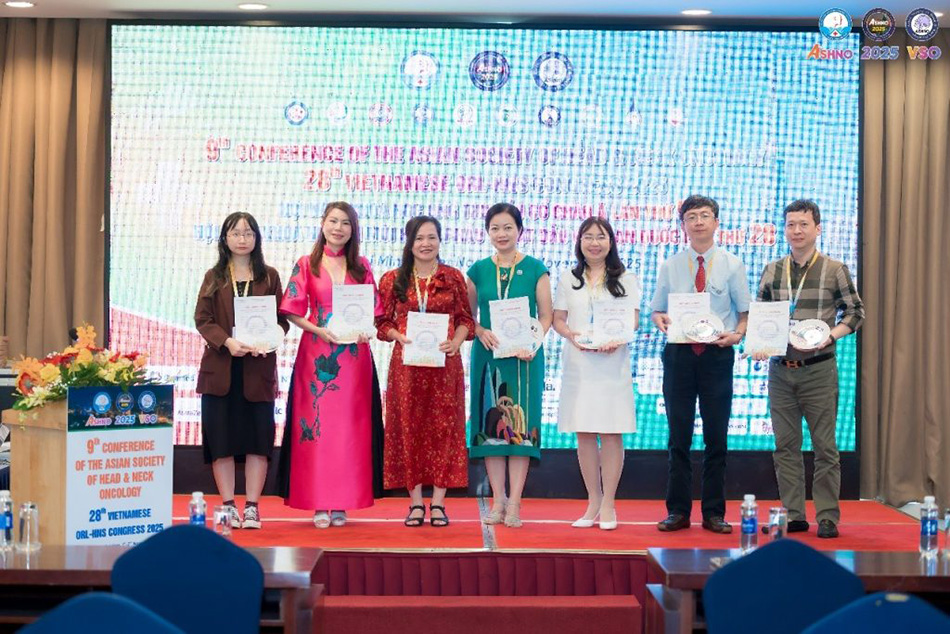
This year’s event brought together hundreds of international experts and was held alongside the 28th National Conference on Otorhinolaryngology & Head and Neck Surgery and the 9th Vietnam ENT Nursing Conference.
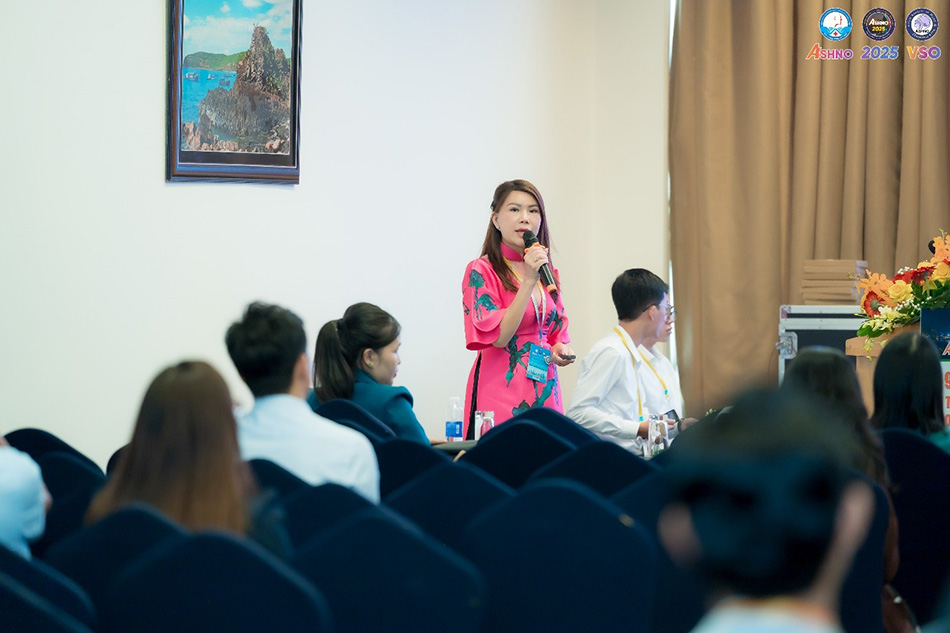
At the session titled “The Role of Nutrition in Optimising Recovery After Head and Neck Cancer Surgery,” Nguyen Viet Quynh Thu, MD, MSc, Specialist Level II – Head of Nutrition & Dietetics Department at FV Hospital – highlighted a concerning reality: 50–60% of head and neck cancer patients experience malnutrition before undergoing surgery.
This is a silent yet extremely dangerous factor that can double the risk of postoperative complications, prolong hospital stays, and reduce the body’s ability to tolerate treatments such as radiotherapy. “Early nutritional intervention should not be treated as merely completing a protocol; it must be considered a mandatory standard of care to optimise recovery,” Dr Thu emphasised.
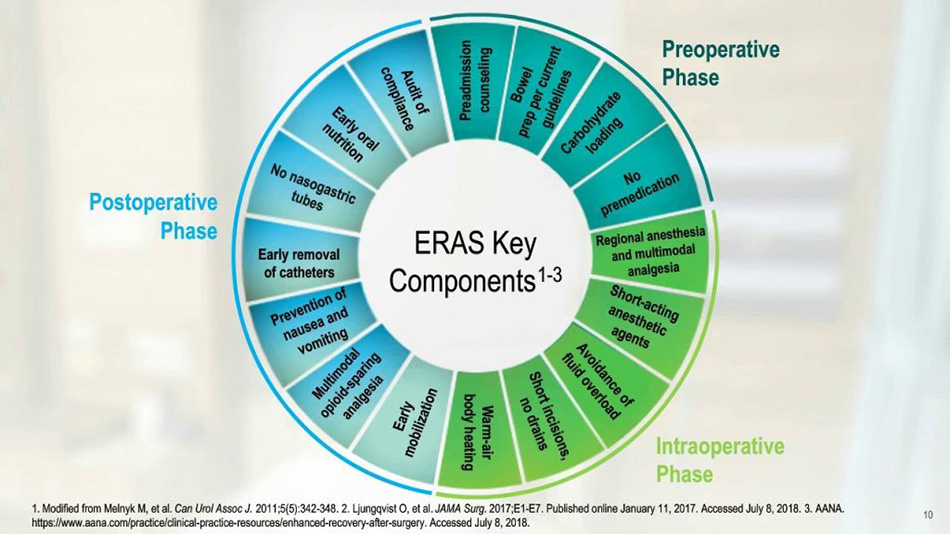
To address this issue, FV Hospital has implemented a comprehensive care strategy in which nutrition serves as a key pillar within the Enhanced Recovery After Surgery (ERAS) protocol. This approach includes pre-habilitation nutrition for 10–14 days before surgery. Patients receive a high-protein diet combined with specialised immuno-nutrition to build the strongest possible immune foundation in preparation for major surgery.
Immediately after surgery, the ERAS protocol sets out a crucial requirement: patients must begin early enteral feeding within just 24 to 48 hours. Early feeding is considered a golden principle, helping the digestive tract recover quickly while maintaining immune function, which is already compromised following surgical intervention.
For patients who have difficulty swallowing, FV’s Dietitians work closely with Speech and Language Therapists to personalise meal plans and adjust food textures, ensuring that patients are both safe and adequately nourished. For those expected to undergo further radiotherapy, prophylactic feeding tube placement is also considered early to prevent interruptions in nutrition during subsequent treatment.
Common types of head and neck cancers include laryngeal and hypopharyngeal cancer, oral cavity cancer, nasopharyngeal cancer, nasal and paranasal sinus cancer, salivary gland cancer, thyroid cancer and more. Dr Quynh Thu’s report on nutrition highlighted the comprehensive care model that FV applies, offering patients with head and neck cancers the prospect of exceptional recovery.
This multidisciplinary approach brings together experts: surgeons, oncologists, nutritionists, speech therapists, and nursing teams who collaborate at every stage of care as a unified team.
It is this close-knit, holistic coordination that has enabled many cancer patients at FV to achieve remarkable recovery milestones, maintain physical condition, boost immunity, and notably improve tolerance to chemotherapy and radiotherapy. As a result, the overall effectiveness of treatment has been significantly optimised.
Related News
See moreRelated News
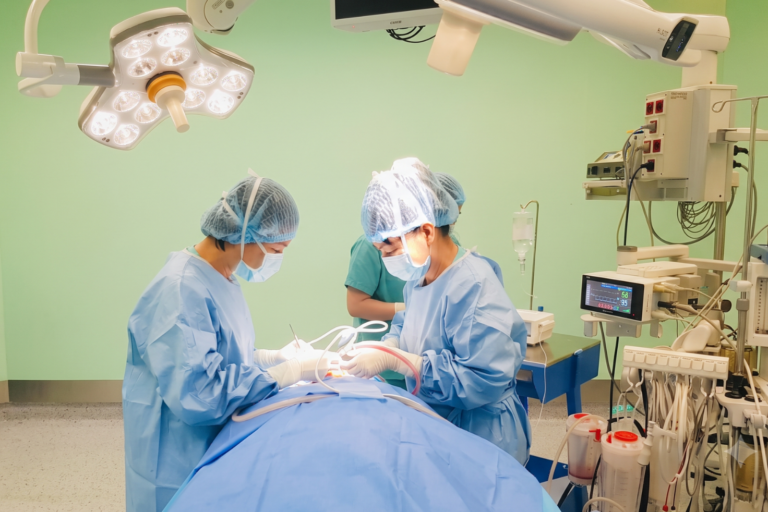
How 10 dental implants changed one patient’s life at FV Hospital
After years of tooth loss led to severe jawbone resorption and difficulty eating, specialists at FV Hospital restored the patient’s smile by placing 10 dental implants in one procedure. How years of tooth loss lead to jawbone loss For many years, Mr Lam Quang Kieu Phong (55, Ho Chi Minh City) experienced tooth loss. Some […]
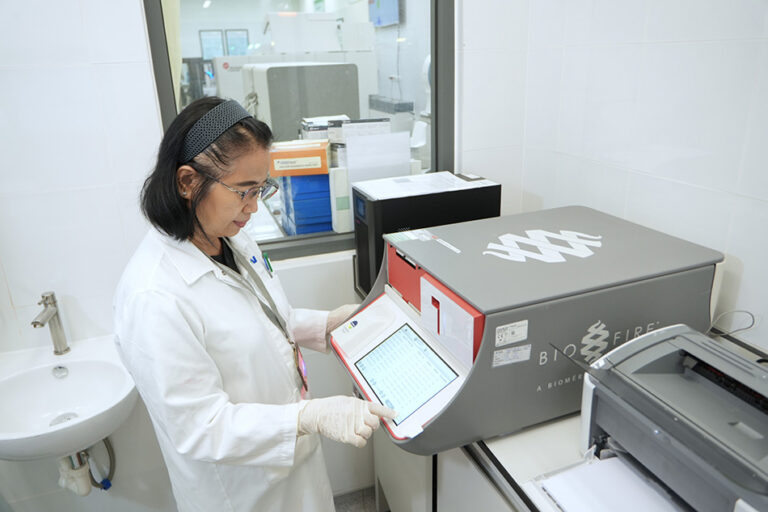
Quickly identify pathogens with 4 molecular diagnostic systems at FV
With four advanced rapid molecular diagnostic systems, BioFire® FilmArray®, QIAGEN QIAstat-Dx®, Cepheid GeneXpert®, and Sansure iPonatic III, the FV Hospital Laboratory & Blood Bank Department offers a wide range of rapid testing to help identify the bacteria, viruses and other infectious pathogens, helping your doctor make timely and informed treatment decisions. FV Hospital Laboratory & […]
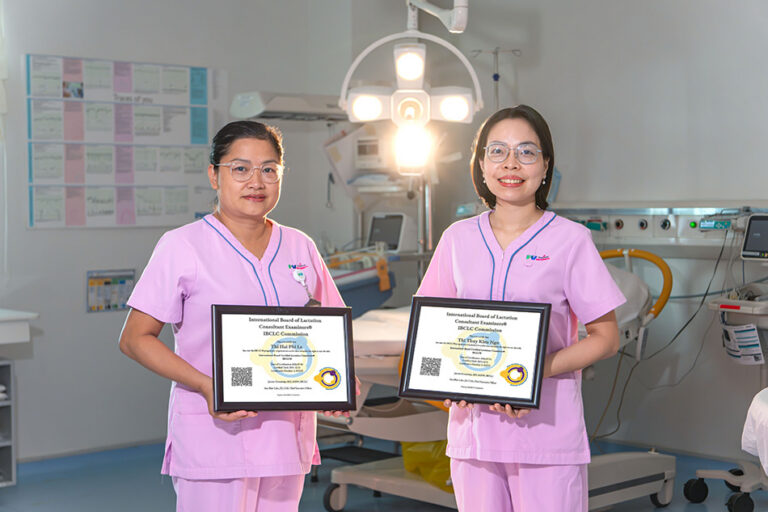
Two Vietnamese midwives attain international IBCLC certification in breastfeeding counselling
Two midwives from FV Thomson’s Maternity Department have earned IBCLC (International Board Certified Lactation Consultant) certification, the international credential for breastfeeding support specialists. This achievement represents a significant clinical milestone in infant feeding support at FV Hospital, driven by the real-world complexities these practitioners encounter daily when supporting mothers and their newborns. Beyond certification: A […]
Nutcracker Syndrome: How a one-hour stent placement ended a year of abdominal pain
FV Hospital successfully treated a complex case of nutcracker syndrome using minimally invasive endovascular stenting, sparing the patient major open surgery. Persistent abdominal pain linked to renal vein entrapment For over a year, 41-year-old Ms V.T.K.P. from Ho Chi Minh City experienced persistent, dull lower abdominal pain that worsened with prolonged sitting or standing. As […]
How 10 dental implants changed one patient’s life at FV Hospital
Quickly identify pathogens with 4 molecular diagnostic systems at FV
Two Vietnamese midwives attain international IBCLC certification in breastfeeding counselling

