



Fibromyalgia is a chronic condition characterized by widespread pain, fatigue, sleep disturbances, and cognitive impairment. Currently, repetitive transcranial magnetic stimulation (rTMS) is being evaluated as a promising treatment for managing this condition.
Application of rTMS in the Treatment of Fibromyalgia
The primary pathophysiological mechanism of fibromyalgia is believed to be central sensitization, where the central nervous system becomes hypersensitive to pain stimuli. This heightened sensitivity results from abnormal pain signal processing, leading patients to perceive pain more intensely than usual. As a result, individuals with fibromyalgia often experience pain even in the absence of clear muscle or joint damage.
Currently, fibromyalgia treatment includes both pharmacological and non-pharmacological approaches. Among these, rTMS is considered a promising strategy for pain relief and improving quality of life.
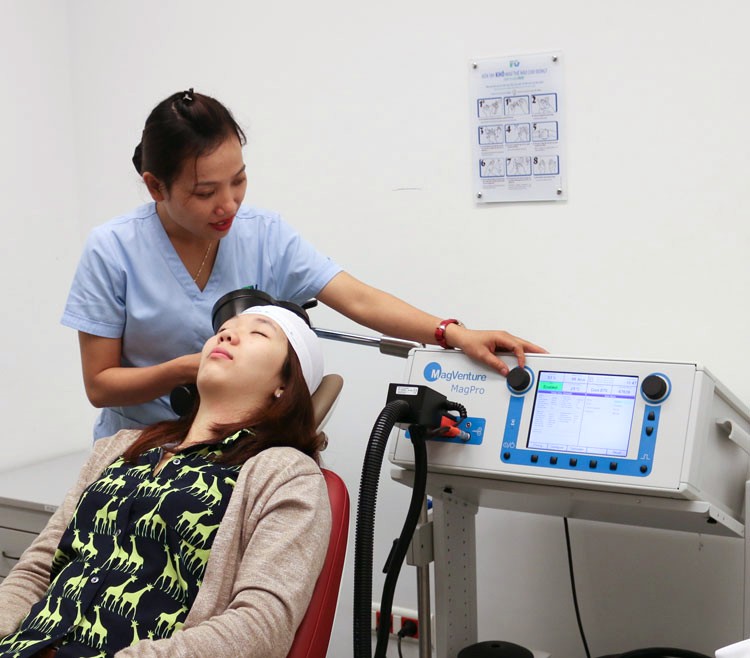
The rTMS method is a modern, safe, and non-invasive neurostimulation technique that helps alleviate distressing symptoms in patients. This technique uses magnetic fields to gently stimulate neurons in the brain, particularly targeting two key areas: the primary motor cortex (M1) and the left dorsolateral prefrontal cortex (DLPFC).
Studies have shown that high-frequency stimulation of the M1 region can provide immediate pain relief, with effects lasting from one to four weeks after treatment. Stimulation of the DLPFC region, on the other hand, has been linked to improved mood. Additionally, over the course of approximately five to twelve weeks of treatment, many patients experience a significant improvement in their quality of life. Specifically, rTMS works by reducing excessive pain sensitivity through the calming of overactive neurons, thereby decreasing pain perception. When applied to the M1 region, rTMS further supports pain management by activating the body’s natural pain-relief mechanisms and enhancing self-regulation.
Additionally, rTMS can help patients reframe their perception and experience of pain, allowing them to manage symptoms more proactively and effectively in daily life. However, its effectiveness in alleviating anxiety or depression associated with fibromyalgia remains unclear, with studies showing mixed results.
Combining Multiple Approaches in the Treatment of Fibromyalgia
Since there is no definitive cure for fibromyalgia, treatment primarily focuses on pain management and enhancing quality of life. Common treatment approaches include:
- Pharmacological Treatment: Various medications help relieve pain and improve sleep, including:
- Mild pain relievers such as Paracetamol or Tramadol (limited effectiveness).
- Antidepressants like Duloxetine, which help reduce pain and improve mood.
- Anticonvulsants such as Pregabalin, which calm the nervous system and reduce pain perception.
- Non-Pharmacological Methods:
- Gentle exercises such as yoga and swimming help reduce muscle stiffness and improve mood.
- Psychotherapy aids in managing stress and depression.
- Physical therapy, including acupuncture and massage, can provide pain relief.
However, not everyone responds well to the methods mentioned above. Therefore, at FV Hospital, the treatment strategy for fibromyalgia often requires a combination of different approaches, including rTMS. The rTMS treatment process at FV is conducted by a team of experienced doctors and specialists. The treatment lasts from 2 to 4 weeks, with 5 sessions per week, each lasting around 20-40 minutes, depending on the patient’s condition.
Advantages of rTMS in the Treatment of Chronic Pain
With a protocol based on international guidelines, rTMS at FV helps patients experience positive changes within just a few weeks of treatment. This method not only effectively reduces pain but also improves sleep, helps manage anxiety, and alleviates stress—common challenges for individuals facing with fibromyalgia. As a result, patients can enjoy a fuller life when combined with other traditional treatment methods.
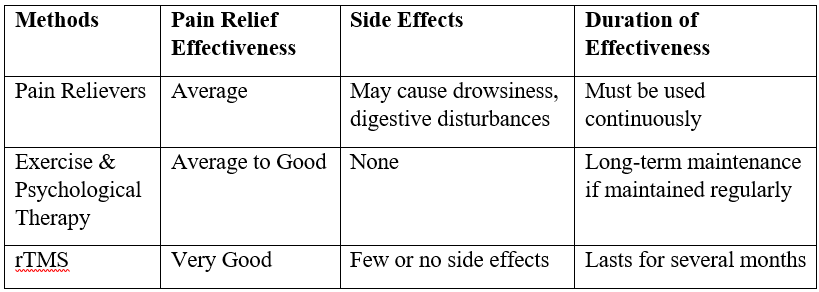
When selecting a treatment for chronic pain, patients have several options, including pain medications, exercise & psychological therapy, and rTMS. However, each method varies in effectiveness and comes with its own advantages and disadvantages.
Unlike painkillers or certain injection-based treatments, rTMS is a completely pain-free procedure. While pain medications can cause drowsiness, digestive disturbances, or lead to drug dependence, rTMS provides natural pain relief without interfering with daily activities. Furthermore, its benefits can last for several months after completing the treatment course.
Currently, at FV Hospital, rTMS is routinely used in the treatment of fibromyalgia and various other pain-related conditions. It is an ideal option for patients who prefer to avoid or cannot use long-term pain medication and for those who have tried multiple treatment methods without achieving desired results. However, rTMS may not be suitable for all patients, making it essential to consult a doctor before deciding on the most appropriate pain relief approach for fibromyalgia.
Related News
See moreRelated News
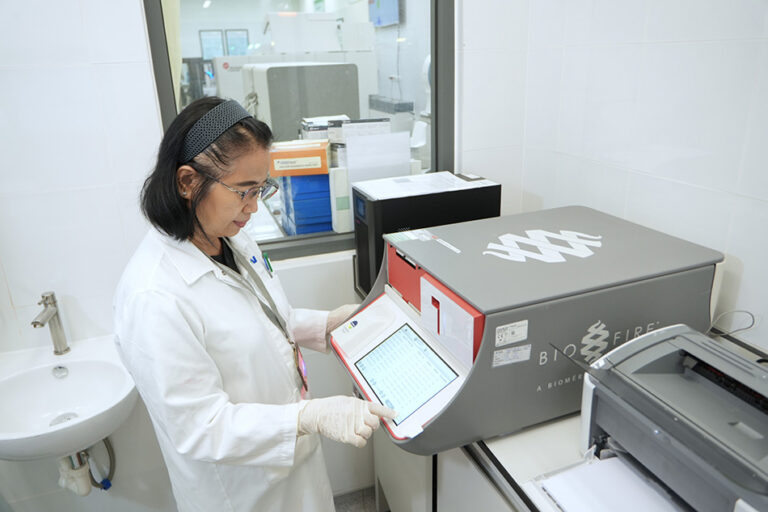
Quickly identify pathogens with 4 molecular diagnostic systems at FV
With four advanced rapid molecular diagnostic systems, BioFire® FilmArray®, QIAGEN QIAstat-Dx®, Cepheid GeneXpert®, and Sansure iPonatic III, the FV Hospital Laboratory & Blood Bank Department offers a wide range of rapid testing to help identify the bacteria, viruses and other infectious pathogens, helping your doctor make timely and informed treatment decisions. FV Hospital Laboratory & […]
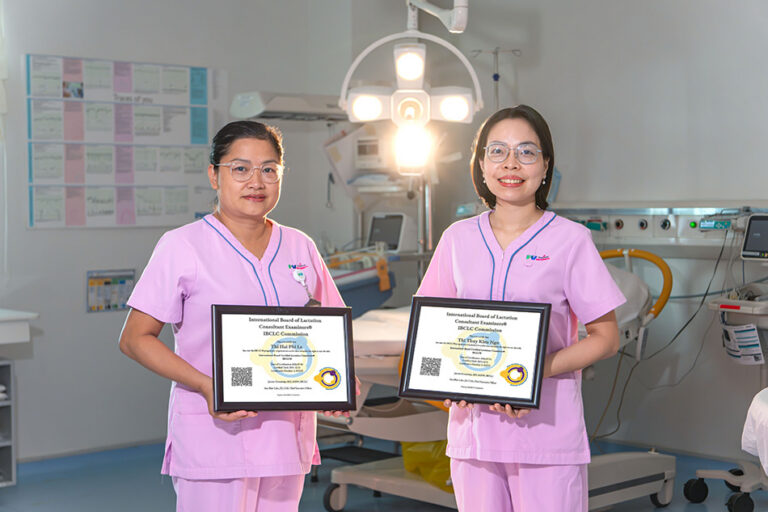
Two Vietnamese midwives attain international IBCLC certification in breastfeeding counselling
Two midwives from FV Thomson’s Maternity Department have earned IBCLC (International Board Certified Lactation Consultant) certification, the international credential for breastfeeding support specialists. This achievement represents a significant clinical milestone in infant feeding support at FV Hospital, driven by the real-world complexities these practitioners encounter daily when supporting mothers and their newborns. Beyond certification: A […]

Nutcracker Syndrome: How a one-hour stent placement ended a year of abdominal pain
FV Hospital successfully treated a complex case of nutcracker syndrome using minimally invasive endovascular stenting, sparing the patient major open surgery. Persistent abdominal pain linked to renal vein entrapment For over a year, 41-year-old Ms V.T.K.P. from Ho Chi Minh City experienced persistent, dull lower abdominal pain that worsened with prolonged sitting or standing. As […]
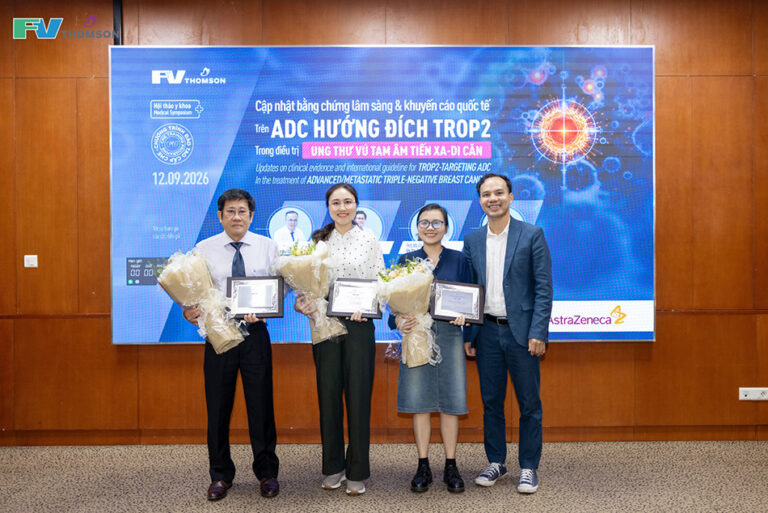
TROP2-directed ADCs: A breakthrough in improving outcomes in advanced/metastatic triple-negative breast cancer
Advances in the treatment of advanced/metastatic triple-negative breast cancer are providing new treatment options for patients; particularly where existing therapies have limited efficacy. Among these, TROP2-directed antibody-drug conjugates (ADCs) are receiving increasing attention from the oncology community, supported by emerging clinical evidence on their efficacy and potential to improve treatment outcomes. The Scientific Seminar organised […]
Quickly identify pathogens with 4 molecular diagnostic systems at FV
Two Vietnamese midwives attain international IBCLC certification in breastfeeding counselling
Nutcracker Syndrome: How a one-hour stent placement ended a year of abdominal pain

