




The Pain Clinic at FV Hospital has recently introduced Radiofrequency Ablation (RFA) technology, which is a minimally invasive procedure that uses high-frequency radio wave-generated heat to target and disrupt pain-signalling nerves. This technique is commonly used to treat chronic pain conditions in the spinal area, such as back pain caused by disc or facet joint issues, as well as peripheral nerve areas like the knee, hip, and shoulder joints. RFA is also used to treat various neuropathic pain conditions, including post-herpetic neuralgia, nerve compression pain, and neuropathic pain due to nerve disorders.
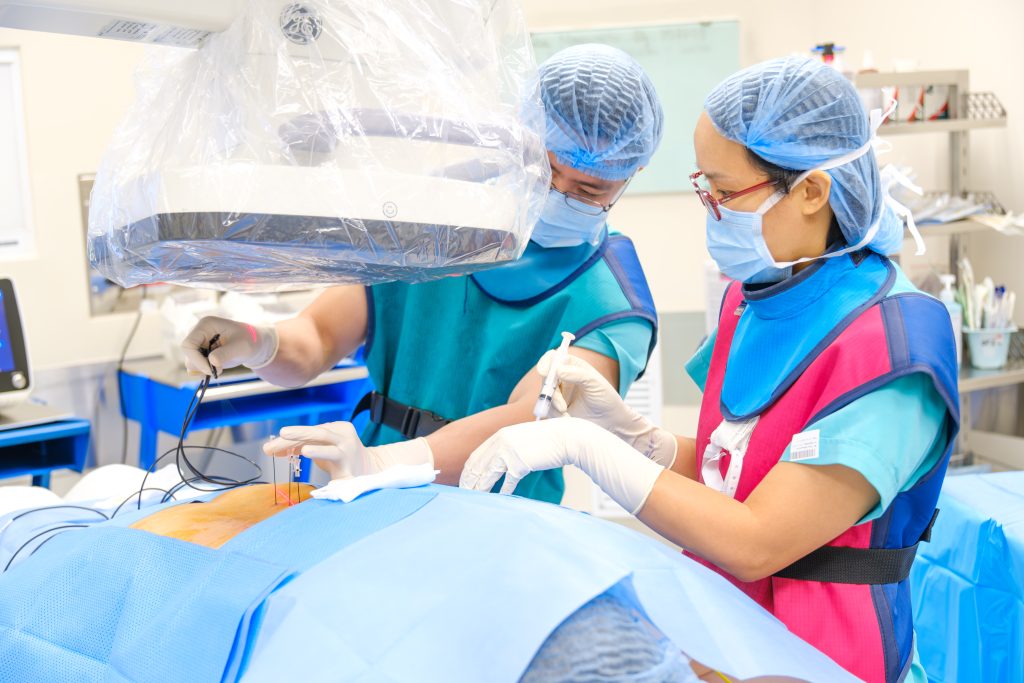
The advantage of Radiofrequency Ablation (RFA) is its quick recovery time and reduced need for pain medication, as it provides long-lasting pain relief. RFA can provide pain relief for one to three years or even eliminate pain altogether, depending on the patient’s response, allowing them to resume normal activities. The procedure is performed using a small, minimally invasive needle-like electrode that leaves minimal scarring and promotes faster recovery compared to open surgery, minimising the risk of complications.
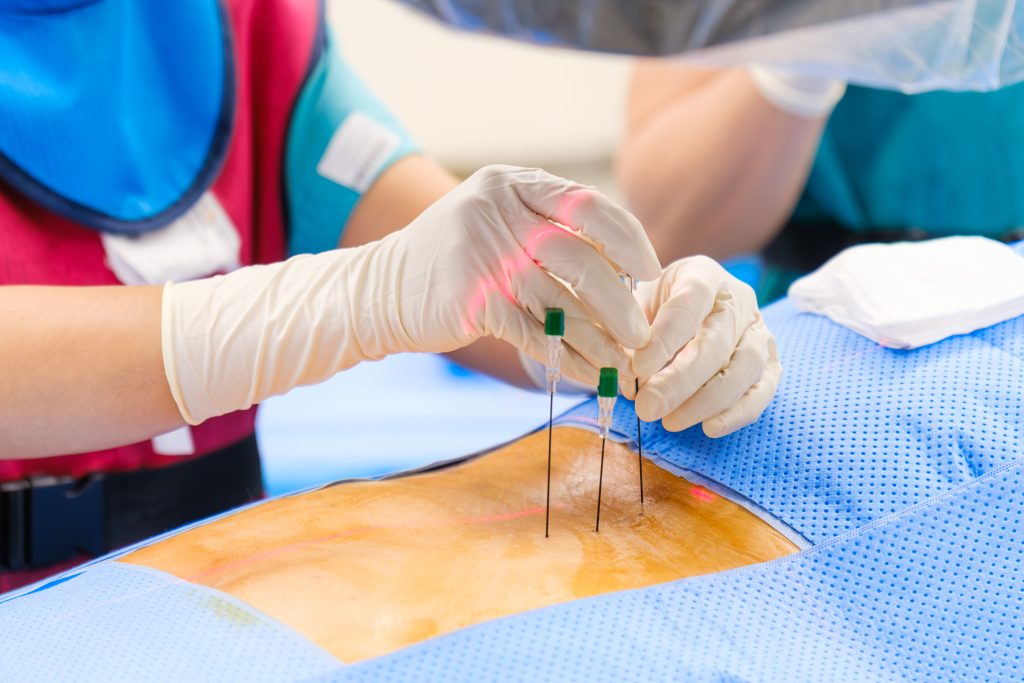
The procedure typically takes 15 to 30 minutes to complete, depending on the treatment location and the number of times it must be performed. RFA is known for its ability to deliver controlled heat without damaging the surrounding healthy nerves. Although RFA is generally safe, there are potential risks and complications, including infection at the needle insertion site (so strict aseptic conditions must be followed), skin burns if the procedure is not done correctly, misplacement of the needle or choosing an incorrect heat level, nerve damage, allergic reactions, temporary pain exacerbation, and more, which is why it should be performed in healthcare facilities that meet the required standards.
At FV Hospital, RFA procedures for treating chronic pain are conducted by pain specialists trained abroad under the guidance of Head of the Pain Clinic, Dr Louis Brasseur, an international expert with decades of experience in accurately determining the location and temperature of the nerves that need to be ablated, ensuring a sterile environment, and using the necessary equipment to prevent complications. These procedures take place in sterile operating rooms that meet the JCI healthcare standards, which are internationally recognised for their medical quality.
Related News
See moreRelated News

TROP2-directed ADCs: A breakthrough in improving outcomes in advanced/metastatic triple-negative breast cancer
Advances in the treatment of advanced/metastatic triple-negative breast cancer are providing new treatment options for patients; particularly where existing therapies have limited efficacy. Among these, TROP2-directed antibody-drug conjugates (ADCs) are receiving increasing attention from the oncology community, supported by emerging clinical evidence on their efficacy and potential to improve treatment outcomes. The Scientific Seminar organised […]
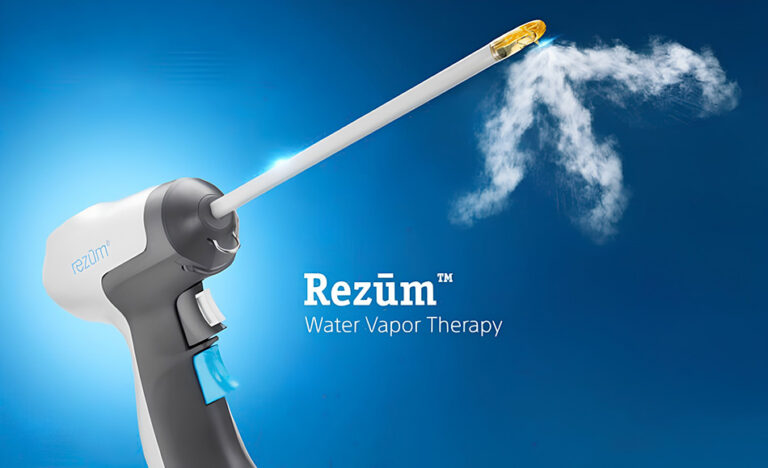
FV Hospital introduces Rezum Water Vapour Therapy: A minimally invasive option for men with benign prostatic hyperplasia
Beyond causing daily inconvenience, benign prostatic hyperplasia (BPH), commonly known as an enlarged prostate, can significantly affect patients’ sleep, overall health and mental well-being. Alongside medication and surgery, patients can now consider Rezūm Water Vapour Therapy, a minimally invasive treatment recently introduced at the Urology & Andrology Department at FV Hospital. How does Rezum work? […]
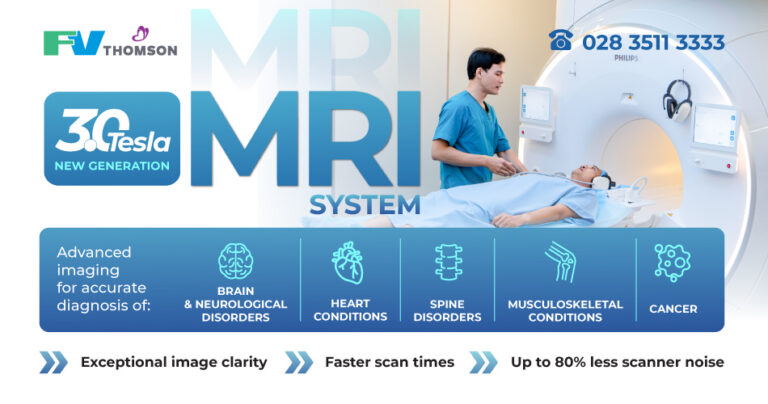
3.0 Tesla MRI system at FV: Advanced diagnostics, a more comfortable experience
FV Hospital continues to enhance the quality of its screening and routine healthcare services by introducing the state-of-the-art Philips Ingenia Elition X 3.0 Tesla Magnetic Resonance Imaging (MRI) system. This advanced technology not only helps reduce patient waiting times but also delivers exceptionally clear, high-resolution medical images. The addition of this new system underscores FV’s […]
FV First in Southern Vietnam to Use Fusion and Navigation Imaging for Liver Tumour Treatment
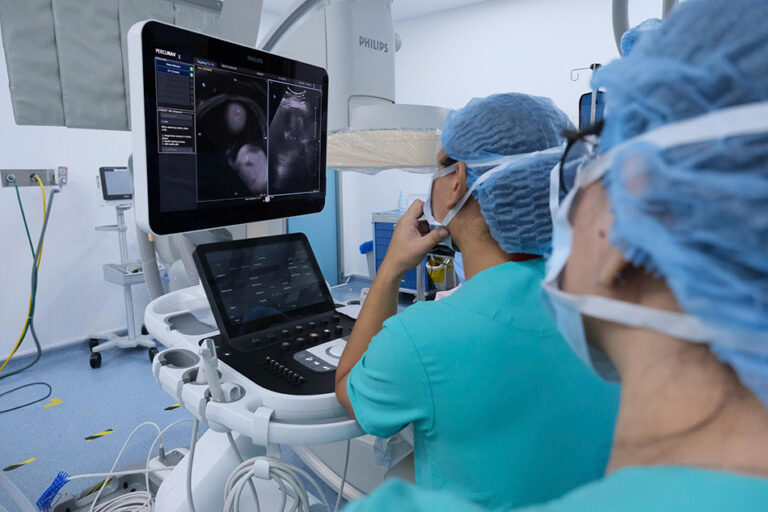
For the first time in Southern Vietnam, a complex liver tumour has been successfully treated using a combination of biopsy and radiofrequency ablation (RFA) guided by a next-generation Fusion and Navigation Ultrasound Imaging system at FV Hospital. The minimally invasive procedure was performed under local anaesthesia, completed quickly, and allowed the patient to recover and […]
TROP2-directed ADCs: A breakthrough in improving outcomes in advanced/metastatic triple-negative breast cancer
FV Hospital introduces Rezum Water Vapour Therapy: A minimally invasive option for men with benign prostatic hyperplasia
3.0 Tesla MRI system at FV: Advanced diagnostics, a more comfortable experience

