



The Optical Coherence Tomography (OCT) technique has emerged as a vital tool in cardiac interventions, especially in stent placement, coronary revascularisation, assessing deployed stents, and treating narrowed coronary arteries. With its superior resolution and ability to display detailed layers of arterial tissue, OCT provides precise information, aiding physicians in making optimised treatment decisions for improved patient outcomes.
Despite OCT being available for approximately 20 years, it has only become more widespread in Vietnam in recent years. Advancements in technology have notably enhanced OCT resolution, allowing detailed visualisation of plaque components like calcium, fibrous tissue, lipid, thrombus, and the thickness of thin or thick fibrous caps. This aids in optimising interventions, particularly in cases where patients have previously undergone stent placement and experienced re-narrowing of coronary arteries, or to assess the optimal outcome of recently placed stents.
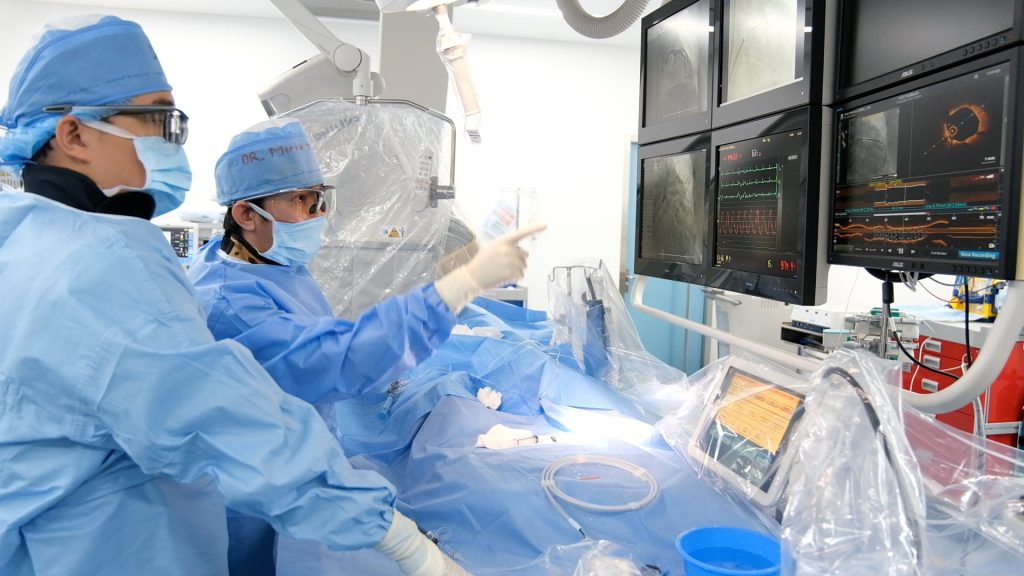
Previously, coronary artery imaging was done through digital subtraction angiography (DSA) or intravascular ultrasound (IVUS). However, drawbacks included image overlap and low resolution, limiting the evaluation of lesions. Operators might need to manipulate the catheter at multiple angles to obtain necessary images, leading to increased X-ray exposure. OCT has addressed these limitations, providing clearer and more detailed images, aiding in diagnosing 30% of missed diagnoses of narrowed coronary arteries.
In nearly two months of application, FV’s Cardiology Department has employed OCT in over 15 coronary interventions cases, consistently yielding positive outcomes. OCT aids doctors in accurately diagnosing the cause of coronary narrowing, deciding the intervention method, determining stent size, checking stent positioning, assessing stent apposition to the vessel wall, and more. The duration of cardiac interventions using OCT ranges from 30 to 60 minutes per case, with marginal cost differences compared to IVUS. This not only results in economic benefits but also upholds the effectiveness of this technique. FV Hospital’s Cardiology Department currently utilises one of the world’s most advanced OCT systems, ensuring high-resolution images with minimal patient impact compared to other models.
With advancements in medical imaging technology, OCT promises further development, becoming a crucial tool in cardiac interventions. OCT facilitates a better understanding and effective treatment of coronary artery diseases, enhancing the efficiency of interventions and improving patients’ quality of life.
To book an appointment with the Cardiology Department at FV Hospital, please call (028) 54 11 33 33, ext. 1165, 1216.
Related News
See moreRelated News
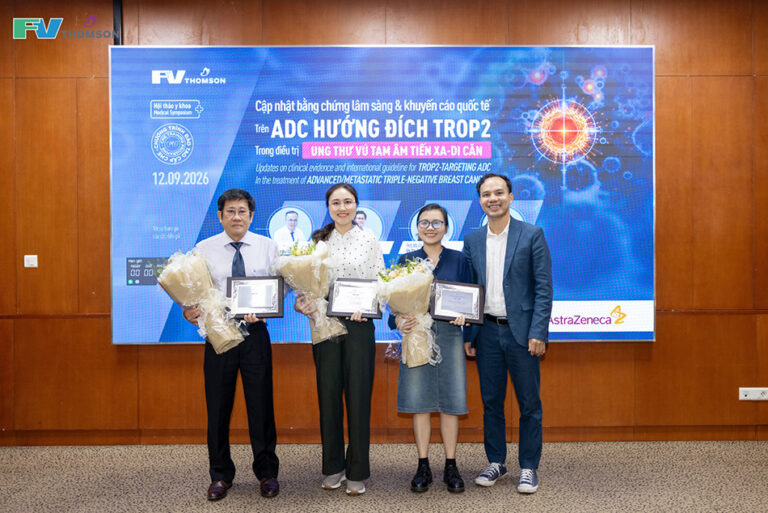
TROP2-directed ADCs: A breakthrough in improving outcomes in advanced/metastatic triple-negative breast cancer
Advances in the treatment of advanced/metastatic triple-negative breast cancer are providing new treatment options for patients; particularly where existing therapies have limited efficacy. Among these, TROP2-directed antibody-drug conjugates (ADCs) are receiving increasing attention from the oncology community, supported by emerging clinical evidence on their efficacy and potential to improve treatment outcomes. The Scientific Seminar organised […]
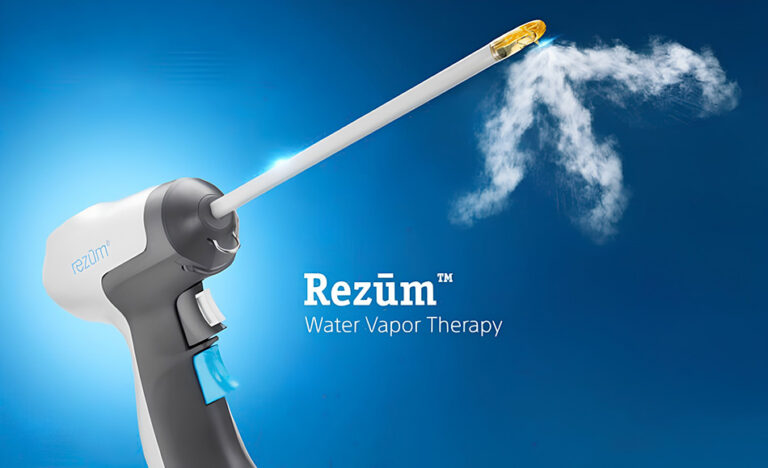
FV Hospital introduces Rezum Water Vapour Therapy: A minimally invasive option for men with benign prostatic hyperplasia
Beyond causing daily inconvenience, benign prostatic hyperplasia (BPH), commonly known as an enlarged prostate, can significantly affect patients’ sleep, overall health and mental well-being. Alongside medication and surgery, patients can now consider Rezūm Water Vapour Therapy, a minimally invasive treatment recently introduced at the Urology & Andrology Department at FV Hospital. How does Rezum work? […]
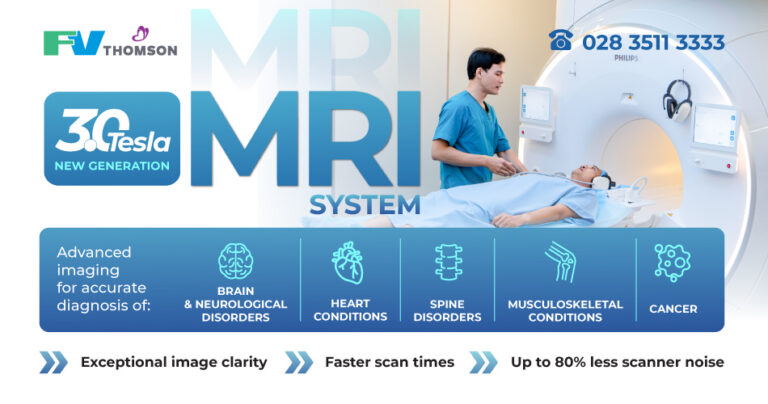
3.0 Tesla MRI system at FV: Advanced diagnostics, a more comfortable experience
FV Hospital continues to enhance the quality of its screening and routine healthcare services by introducing the state-of-the-art Philips Ingenia Elition X 3.0 Tesla Magnetic Resonance Imaging (MRI) system. This advanced technology not only helps reduce patient waiting times but also delivers exceptionally clear, high-resolution medical images. The addition of this new system underscores FV’s […]
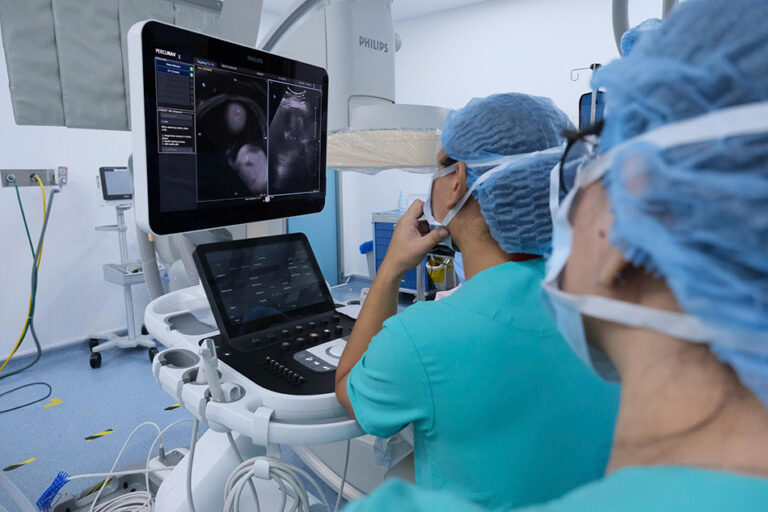
FV First in Southern Vietnam to Use Fusion and Navigation Imaging for Liver Tumour Treatment
For the first time in Southern Vietnam, a complex liver tumour has been successfully treated using a combination of biopsy and radiofrequency ablation (RFA) guided by a next-generation Fusion and Navigation Ultrasound Imaging system at FV Hospital. The minimally invasive procedure was performed under local anaesthesia, completed quickly, and allowed the patient to recover and […]
TROP2-directed ADCs: A breakthrough in improving outcomes in advanced/metastatic triple-negative breast cancer
FV Hospital introduces Rezum Water Vapour Therapy: A minimally invasive option for men with benign prostatic hyperplasia
3.0 Tesla MRI system at FV: Advanced diagnostics, a more comfortable experience

