




Epidural Analgesia In Labour
Although childbirth is a normal and natural process, most women experience pain. If women know what is happening during labour, know what to expect, and are supported by caring family, friends and healthcare professionals, this pain is lessened. Breathing exercises and relaxation techniques such as playing favourite music often help. However, many women require medical help to control the pain.
This leaflet is designed to give very brief information about epidural analgesia in labour.

EPIDURAL ANALGESIA
Epidural analgesia is the most effective method of providing pain relief in labour. A local anaesthetic medication will be injected by an anaesthetist in your room into the epidural space and will result in pain relief. You may feel the uterine contractions but without them being painful.
Typically epidurals are placed when the cervix is dilated to 2-3 centimetres and you are in true active labour.
You will have a drip in your arm before insertion of the epidural. An epidural involves putting a needle into the lower part of your back, below the level of the spinal cord in order to avoid damaging it. You will need to curl up so that your spine is open and keep very still while the epidural is sited. This can be done lying on your side, but it may be easier to sit on the side of the bed and lean over your partner’s shoulder. The area of your lower back is cleaned and a small area (the size of a small coin) is numbed with a local anaesthetic. The epidural needle is inserted between two lumbar vertebrae (in the numbed area) and into the epidural space; a catheter (a small plastic hollow tube the size of a pen tip) is threaded through the epidural needle. Occasionally, the catheter will brush by a nerve during insertion and cause a brief twitch or tingling sensation down one leg. The needle will then be carefully removed, and the catheter taped securely to your back.
A small dose of local anaesthetic (test dose) will be given through the epidural catheter, and you will be asked to report any feelings of dizziness, unusual metallic taste in your mouth, sudden feelings of numbness, or heavy weak legs. Your blood pressure will be checked frequently as it may drop. If the doctor is happy with the position of the epidural and the effect of the test dose, a top up of local anaesthetic will be given. You should start to feel some pain relief within approximately 10-20 minutes. The local anaesthetic will then be delivered through the epidural catheter by repeated top ups (the effect of each top up lasts for approximately one hour) or by continuous infusion or by using a PCA (Patient Controlled Analgesia) pump until you deliver. Once you deliver, the epidural catheter will be taken out and your legs should feel normal within 4-6 hours.
Epidural has little effect on the baby. You and your baby will be continuously monitored throughout labour while the epidural is in use.
For technical or anatomical reasons, it may happen that epidural insertion is not successful or that the local anaesthetic injected has little or no effect. The failure rate of epidural analgesia for labour is around 5%.
If a caesarean section becomes necessary it can be performed under epidural anaesthesia (except in cases of extreme urgency). A more concentrated solution of the local anaesthetic is injected into the epidural space, using the catheter already in place.
SIDE EFFECTS
Common side effects
Your legs will feel heavy and/or tingling, and you may have difficulty moving or passing urine. Quite possibly a catheter will be inserted in your bladder to keep it empty. If necessary we will help you move. Your blood pressure may drop. This will be checked and treated with fluids and medication if necessary; that is why you need a drip prior to siting the epidural.
Possible problems
- Shivering and itching,
- Technical difficulties with insertion of the epidural,
- Unequal, patchy or failed block resulting in poor pain relief.
Re-siting the epidural may be necessary.
Backache
Recent research has demonstrated that you are no more likely to get backache after having an epidural for labour than if you have your baby without an epidural. You must be very careful while sitting after the epidural, as wrong posture may strain you back muscles and spine and this will cause back pain.
Other problems
These are rare.
The epidural catheter can be put in the wrong place. About 5% of the time it goes into a blood vessel in the back. Very rarely a dose of local anaesthetic is injected into the blood and this may cause problems. If the local anaesthetic goes into your blood, you will experience tingling around your lips, ringing in your ears (tinnitus) and metallic taste on your tongue. If you experience any of these, you must tell the anaesthetist or the midwife immediately.
About 1-2% of the epidurals enter the fluid, which surrounds the spinal cord (Cerebro-Spinal Fluid or CSF). This frequently causes a bad headache, which may need further treatment. Very rarely, a large dose of local anaesthetic is inadvertently injected into the CSF; causing complications due to high block (high spread of local anaesthetics).
A small dose of local anaesthetic (test dose) is always given to make sure that the epidural is in the correct place. Nerve damage is a rare complication and it is usually temporary. Permanent damage is very rare and the majority or people recover over a period of time between a few days and a few weeks. Nerve damage can be caused by a collection of blood near the spinal cord. This is a very rare complication (1 in 200,000).
Anaesthetists and midwives are specially trained to know these risks and avoid or treat complications. You and your baby will be continuously monitored throughout labour.
Epidural analgesia and anaesthesia is a common procedure with a high margin of safety and patient satisfaction.
Related Articles
Related Articles
Breast Cancer
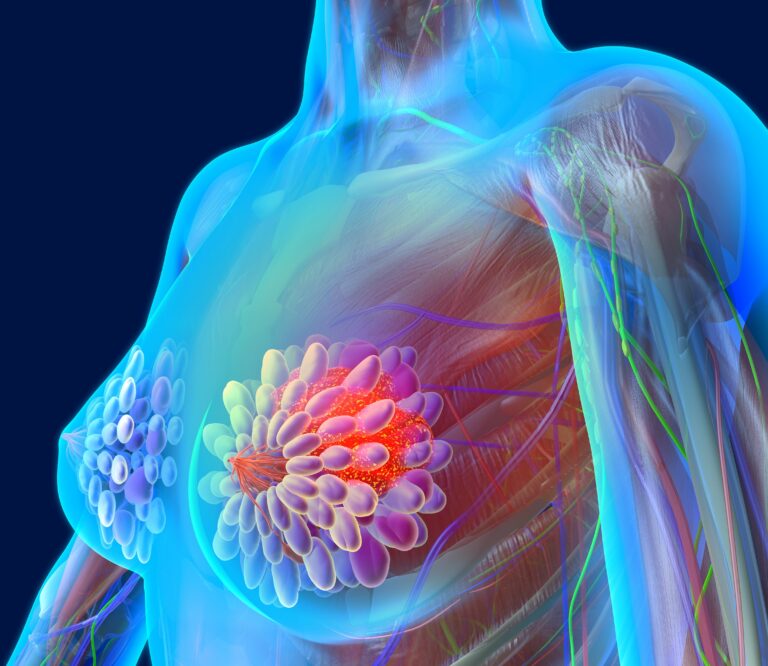
Breast cancer is a very frequent cancer worldwide. In Vietnam its incidence has been increasing steadily and it is now the most common cancer affecting women. What are the Symptoms of Breast Cancer? Signs and symptoms of breast cancer may include: When to see a doctor? If you find a lump or other change in […]

Dentures Instructions
The new dentures you have received are a replacement for your missing teeth. They will attempt to restore support to the jaw, increase your chewing ability and improve your appearance. This information leaflet will assist you with your adjustment to new dentures. There are 2 types of dentures: Getting used to your new dentures For […]
Ultrasound-Guided Breast Biopsy
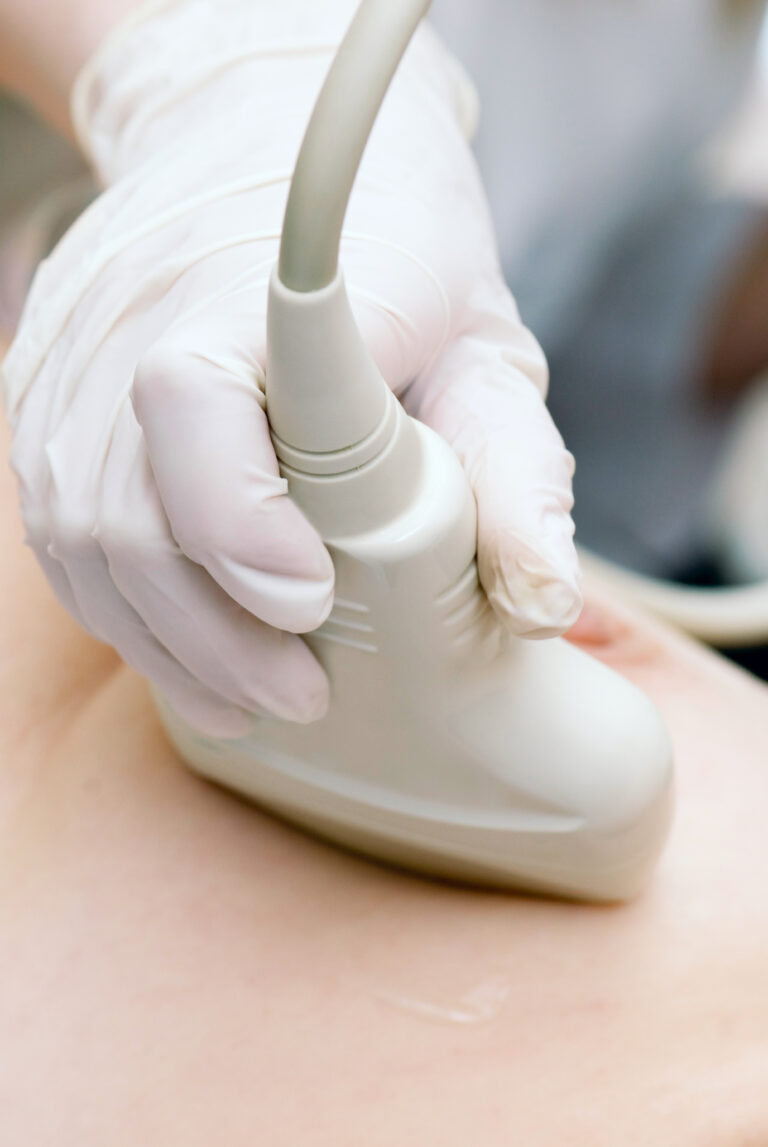
What is Ultrasound-Guided Breast Biopsy? Lumps or abnormalities in the breast are often detected by physical examination, ultrasound, mammography, or other imaging studies. However, it is not always possible to tell from these imaging tests whether a growth is benign or cancerous. A breast biopsy is performed to remove some cells—either surgically or through a […]

Planned Caesarean Section
What is a caesarean section? Caesarean section delivery, also known as a C-section, is a surgical procedure used to deliver a baby through an incision in the mother’s abdomen and a second incision in the mother’s uterus. Planned caesarean sections are scheduled well before labour begins. There are two subgroups: Patient-requested C-sections and indication-based C-sections. […]
Breast Cancer
Dentures Instructions
Ultrasound-Guided Breast Biopsy

