




To avoid falling and hurting yourself, please follow these instructions:
- Wear shoes or non-skid slippers every time you get out of bed
- Call your nurse if you feel dizzy, weak or lightheaded. Do not get up by yourself
- Ask for help to go to the bathroom
- Use the handrails in the bathroom, ensure the lights are on
- Use only unmoving objects to help steady yourself. Don’t use your IV pole, tray table, wheelchair or other objects that can move
- If you wear glasses or hearing aids, use them
- Keep important items within reach. This includes your call bell
- Please keep your bed side rails up at all times, whenever possible
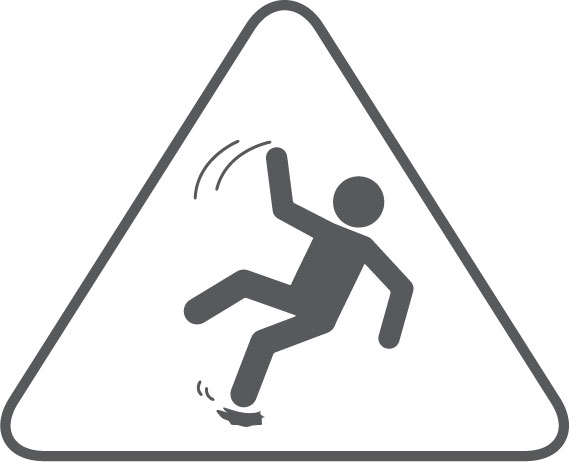
For the patient’s carer (family member):
- Please ensure the patient follows the instructions above
- If the patient has been identified with a fall risk (given a yellow identification band), please call the nurse every time the patient wishes to get out of bed (sit on a chair, go to the toilet/bathroom) – DO NOT attempt to assist the patient alone
- If your child is the patient, please observe the following:
- Do not leave your child alone
- Put the side rails up anytime you leave the bedside
- Please do not allow your child to run in the ward
Thank you for your co-operation to ensure you do not fall and sustain an injury, as this will delay or affect your recovery time.
Related Articles
Related Articles
Orthokeratology (Night Lenses)
What is orthokeratology? Orthokeratology, or Ortho-K, is a non-surgical process that uses customised rigid contact lenses (specifically made for each patient) which are worn overnight to remodel the curvature of the cornea (the clear front surface of the eye). They are removed in the morning, allowing clear vision without correction during the day. The effects […]
Breast Cancer
Breast cancer is a very frequent cancer worldwide. In Vietnam its incidence has been increasing steadily and it is now the most common cancer affecting women. What are the Symptoms of Breast Cancer? Signs and symptoms of breast cancer may include: When to see a doctor? If you find a lump or other change in […]
Dentures Instructions
The new dentures you have received are a replacement for your missing teeth. They will attempt to restore support to the jaw, increase your chewing ability and improve your appearance. This information leaflet will assist you with your adjustment to new dentures. There are 2 types of dentures: Getting used to your new dentures For […]
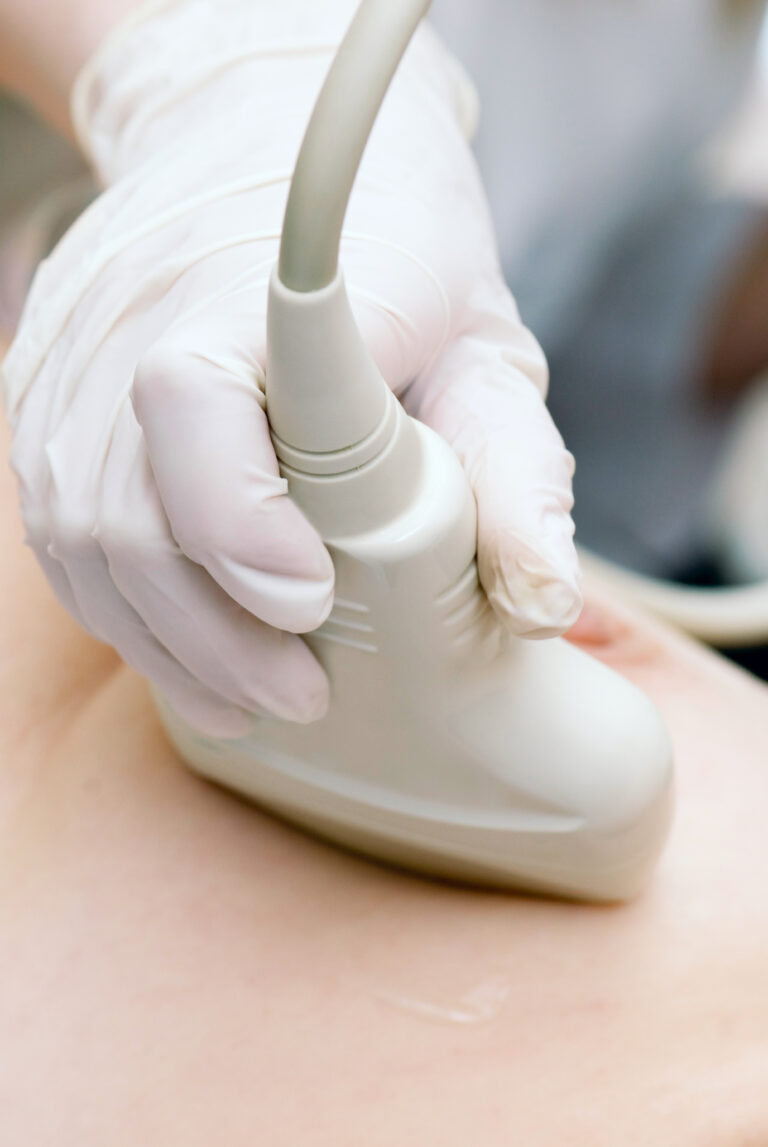
Ultrasound-Guided Breast Biopsy
What is Ultrasound-Guided Breast Biopsy? Lumps or abnormalities in the breast are often detected by physical examination, ultrasound, mammography, or other imaging studies. However, it is not always possible to tell from these imaging tests whether a growth is benign or cancerous. A breast biopsy is performed to remove some cells—either surgically or through a […]
Orthokeratology (Night Lenses)
Breast Cancer
Dentures Instructions

