



A stroke can cause serious brain injury, disability or death. Recognising the warning signs and seeking emergency medical care promptly can help reduce brain damage and improve outcomes. Symptoms may include sudden weakness or numbness on one side of the body, facial drooping, difficulty speaking, sudden loss of balance or changes in vision. These symptoms require immediate medical attention, even if they improve or disappear after a few minutes. Knowing what to look for and how to respond can make a vital difference.
What is a stroke? Recognising the warning signs early
A stroke occurs when the blood supply to part of the brain is interrupted or when a blood vessel in the brain ruptures. Without an adequate supply of oxygen and nutrients, brain cells can become damaged and begin to die.
What is a stroke and when does it occur?
A stroke is an acute medical condition caused by a disruption to blood flow in the brain. It occurs when the blood supply to the brain is interrupted, depriving brain cells of oxygen and nutrients. A stroke affects the brain, whereas a heart attack affects the heart muscle.
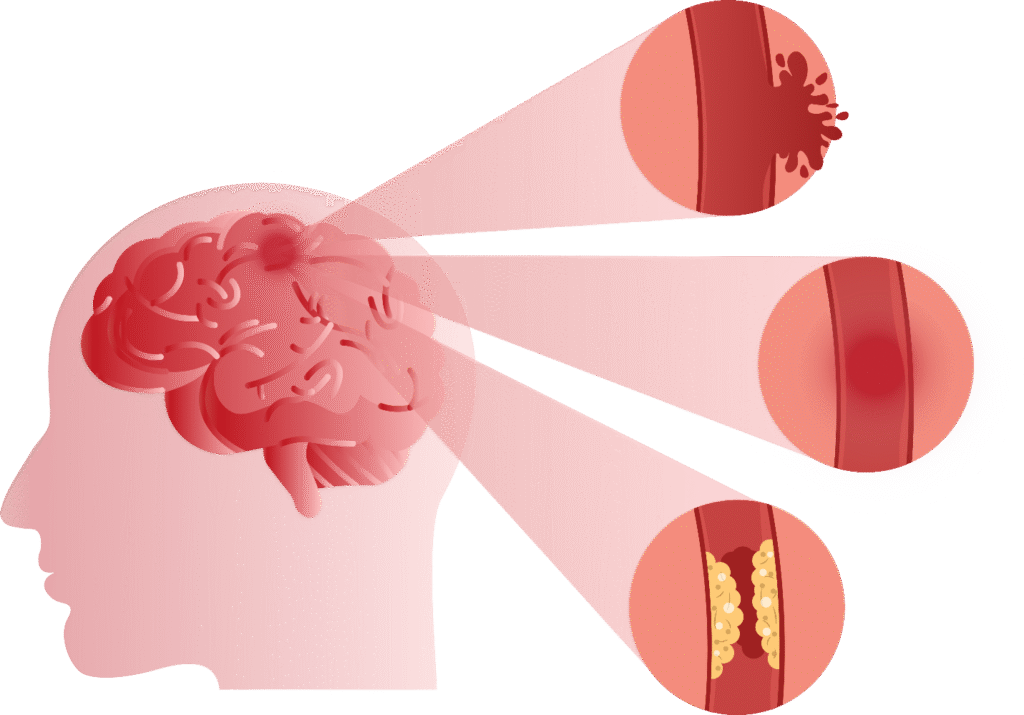
A stroke occurs when the blood supply to the brain is interrupted, and symptoms often begin suddenly. (Source: Beaumont Emergency Hospital)
If not managed promptly, brain cells begin to die within minutes, leading to permanent damage or death.
Classification of strokes
There are two main types of stroke. Ischaemic stroke, which accounts for more than 80% of cases, occurs when a blood clot or atherosclerotic plaque blocks a blood vessel supplying the brain. Haemorrhagic stroke occurs when a blood vessel in the brain ruptures, causing bleeding into brain tissue or the subarachnoid space. Both types can cause serious complications, including paralysis, language difficulties, cognitive impairment and visual problems.
Risk factors for stroke include high blood pressure, atrial fibrillation, diabetes and dyslipidaemia (abnormal blood lipid levels). Atrial fibrillation is an irregular heart rhythm that can lead to blood clots forming in the heart. These clots may travel to the brain and cause a stroke. Atrial fibrillation can increase the risk of stroke by up to fivefold.
Understanding how stroke develops and what causes it can help people recognise the early warning signs of a possible stroke and seek timely medical attention to minimise its consequences.
A stroke is different from other acute cardiovascular conditions, including a heart attack (myocardial infarction) and myocardial ischaemia. A stroke affects the brain, whereas a heart attack occurs when blood flow to part of the heart muscle is interrupted.
Early signs of a stroke to watch for
A stroke often begins suddenly, but some warning signs may occur beforehand. Recognising possible stroke symptoms promptly can help limit brain injury, reduce the risk of serious long-term complications and improve recovery. The following symptoms require particular attention:
Sudden weakness or numbness on one side of the body
A person experiencing a stroke may suddenly develop weakness or numbness in the face, arm or leg, usually affecting one side of the body. One side of the face may droop, or one arm may drift downwards when both arms are raised. If you notice these signs, seek emergency medical assistance immediately.

Sudden numbness or weakness in the face, arm or leg, usually on one side of the body. (Source: Health | HowStuffWorks)
Difficulty speaking or understanding speech
A person may suddenly slur their words, struggle to speak clearly or have difficulty understanding what others are saying. These symptoms may indicate that the parts of the brain responsible for speech and language have been affected. Do not assume that sudden speech difficulties are caused by tiredness or temporary confusion.
Sudden changes in vision: Blurred vision, double vision, or loss of vision in one eye
A stroke may cause blurred or double vision, or sudden loss of vision in one or both eyes.
Some people describe a dark area or a curtain-like shadow across their field of vision. Sudden visual changes require urgent medical assessment, particularly when accompanied by other neurological symptoms.
A sudden, severe headache
A sudden, unusually severe headache, particularly one that reaches maximum intensity rapidly, may indicate bleeding in or around the brain. It may be accompanied by vomiting, visual disturbances or reduced consciousness. Seek emergency medical care if a severe headache develops suddenly, especially if it is unlike any headache experienced before.
Dizziness, loss of balance, or coordination impairment
A person may suddenly become dizzy, unsteady or unable to walk normally. They may also experience difficulty coordinating their movements. These symptoms are particularly concerning when accompanied by double vision, speech difficulties, nausea or other neurological changes.

Early signs of a stroke can make patients feel lightheaded, unsteady, and prone to falls. (Source: Mass General Brigham)
Unusual changes in behaviour, emotions, or level of alertness
A stroke may cause sudden confusion, difficulty understanding information, reduced alertness or unusual drowsiness. The person may struggle to follow a conversation or respond appropriately. Sudden changes in mental state should not be dismissed, particularly when they occur alongside other possible stroke symptoms.
Nausea or vomiting accompanied by neurological symptoms
Nausea and vomiting can occur in some strokes, particularly when areas of the brain involved in balance and coordination are affected. When these symptoms occur alongside sudden dizziness, difficulty walking, visual changes or other neurological symptoms, seek emergency medical assistance.
Unusual rapid heartbeat, shortness of breath, or palpitations
Heart rhythm disorders, particularly atrial fibrillation, can cause blood clots to form in the heart.
These clots may travel to the brain and cause an embolic stroke. A person may also experience an unusually fast heartbeat, shortness of breath or chest tightness. Although these symptoms are commonly associated with a heart attack, they may also indicate cardiovascular conditions linked to stroke.
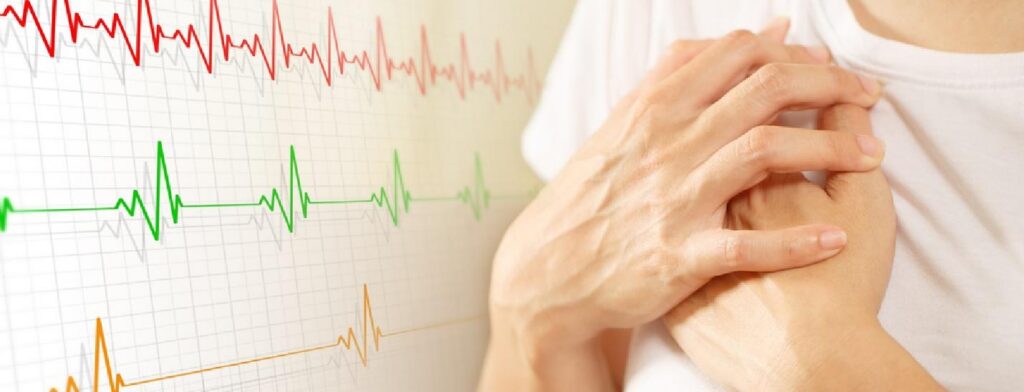
Heart rhythm disorders, especially atrial fibrillation, can cause blood clots to form in the heart that may travel to the brain and cause an embolic stroke. (Source: Artemis Cardiac Care)
Attention: If you or someone close to you experiences any of the symptoms described above, call emergency services immediately. Delaying care or attempting to treat the person at home can waste valuable treatment time and lead to irreversible brain damage. Millions of nerve cells may be lost with every passing minute.
FAST or BE FAST: Quick Ways to Recognise Stroke Symptoms
To identify early signs of a stroke quickly and accurately, experts recommend using the FAST rule or its expanded version, BE FAST.
FAST stands for:
- Face: Ask the person to smile or show their teeth. If one side of the face droops or is uneven, it could be an early sign of a stroke.
- Arms: Ask the person to raise both arms. If one arm is weak or drifts downward, it is a dangerous warning sign.
- Speech: Ask the person to repeat a simple sentence. Slurred speech, difficulty speaking or unclear words may indicate that the brain areas responsible for language have been affected.
- Time: If any of the above signs appear, call for emergency help immediately, because every passing minute can cost millions of brain cells.
BE FAST expands this with:
- Balance: Sudden loss of balance or dizziness may be a sign of stroke, including a stroke affecting the cerebellum or brainstem.
- Eyes: Blurred or double vision, or temporary loss of vision in one eye, may be a warning sign of stroke.

FAST or BE FAST: Quick formulas to recognise stroke risks and early signs. (Source: Scripps Health)
If symptoms suggestive of stroke occur, seek emergency medical help immediately. Atrial fibrillation is a risk factor for stroke, but it is not itself a stroke symptom. Time is critical in emergency treatment: “Time is brain” is an important medical principle.
Emergency stroke care at FV Hospital: The strength of a JCI-accredited international hospital
FV Hospital has established an integrated emergency care pathway involving neurology and cardiology to support prompt, coordinated assessment and treatment for patients with suspected stroke.
A rapid emergency protocol based on best practice
FV has implemented an expedited emergency protocol so that patients can be assessed promptly on arrival. Patients with suspected stroke are prioritised for CT and MRI scans within 15 minutes. If an ischaemic stroke is diagnosed, FV may use thrombolytic therapy or perform mechanical thrombectomy via the Cathlab to restore blood flow to the brain. The source states that treatment is provided within approximately four hours, described as the “golden hour”; this timing should be verified by FV’s clinical team before publication because treatment eligibility and time windows depend on the individual case and treatment used.
One example involved a South Korean patient (Ms KDY) with an acute blockage of a cerebral artery. She received thrombolytic medication in the emergency department before being transferred to the Cathlab team for intervention. Her cerebral blood flow was restored promptly, and the source reports that her functions had fully recovered after three days.

After three days in hospital and early physiotherapy, Ms KDY’s condition had stabilised. (Source: FV Hospital)
Advanced technology and a multidisciplinary approach to stroke care
- A multidisciplinary team of neurologists, cardiologists and interventional specialists is ready to respond to emergencies.
- In one case, a South Korean patient with a severe stroke remained in a deep coma for 80 days. FV reports that the team saved her life and restored her neurological function following advanced endovascular intervention.
- In another case, a patient with damage to the cerebral blood vessels caused by a rare vascular malformation at the base of the brain underwent neuroendovascular intervention without open-skull surgery and recovered rapidly.
Stroke screening and prevention at fv hospital
FV offers comprehensive stroke screening packages that include blood biochemistry tests, echocardiography, 24-hour Holter monitoring and magnetic resonance angiography (MRA) of the brain and carotid arteries. Cardiology and neurology specialists work closely together to assess each patient and develop an appropriate prevention strategy. Early assessment is particularly important for people with risk factors such as atrial fibrillation or a history of myocardial ischaemia.
FV Hospital has achieved JCI international accreditation for the fourth consecutive time, reflecting its commitment to medical quality, safety and clinical expertise. FV also accepts Vietnamese Social Health Insurance covers 100% of eligible emergency stroke cases treated at the unit, without requiring referral paperwork. This policy and its eligibility conditions should be confirmed with FV before publication.
Do not let a stroke take away your chance of recovery. If you or someone close to you develops possible stroke symptoms, call the FV Hospital emergency hotline immediately on (028) 35 11 35 00. Early assessment and treatment are essential. You can also ask FV about its stroke screening package, which brings together experienced doctors, modern equipment and internationally recognised treatment standards. Book an appointment to discuss your health and your family’s needs.
FV Hospital Information:
- Telephone: (028) 35 11 33 33
- Website: https://www.fvhospital.com/en/
- Address: 6 Nguyen Luong Bang, Tan My Ward, Ho Chi Minh City, Vietnam
Related Articles
Related Articles

FVH Comprehensive Covid-19 Diagnosis Solutions
FV Hospital has been at the forefront in the fight against the global Covid-19 pandemic since the early stages in 2020. Fighting hand-in-hand with local and national authorities and the community at large to keep communities safe whilst continuing to provide world-class healthcare for all patients in need. FVH was the first private hospital in […]

FV Hospital’s Accident & Emergency Department Information for Patients
FV Hospital’s Accident & Emergency Department is committed to providing quality emergency care in a timely manner. Patients are seen in order of medical urgency with the more acute patients being seen first and the non-urgent patients being seen after. A critically ill patient may require the attention of several staff members which may increase […]
Minor Head Injury
What is a minor head injury? The most common type of minor head injury is concussion. Concussion may be associated with loss of consciousness (a “blackout”). This is often brief and is normally followed by a rapid and complete recovery. What causes a minor head injury? The skull and facial bones are hard and they […]
FVH Comprehensive Covid-19 Diagnosis Solutions

