
Plastic Surgery & Cosmetics

Cosmetic & Reconstructive Breast Surgery

A captivating bust featuring exclusive “6-NO” breast augmentation technique and JCI-standard safety.

Breast surgery includes procedures designed to enhance the size, shape, and contour of the breasts, creating a balanced and proportionate silhouette. It also provides effective solutions for women experiencing post-pregnancy breast sagging, overly large breasts causing physical discomfort, naturally small breasts leading to self-consciousness, breast asymmetry, or those requiring breast reconstruction following medical treatment.
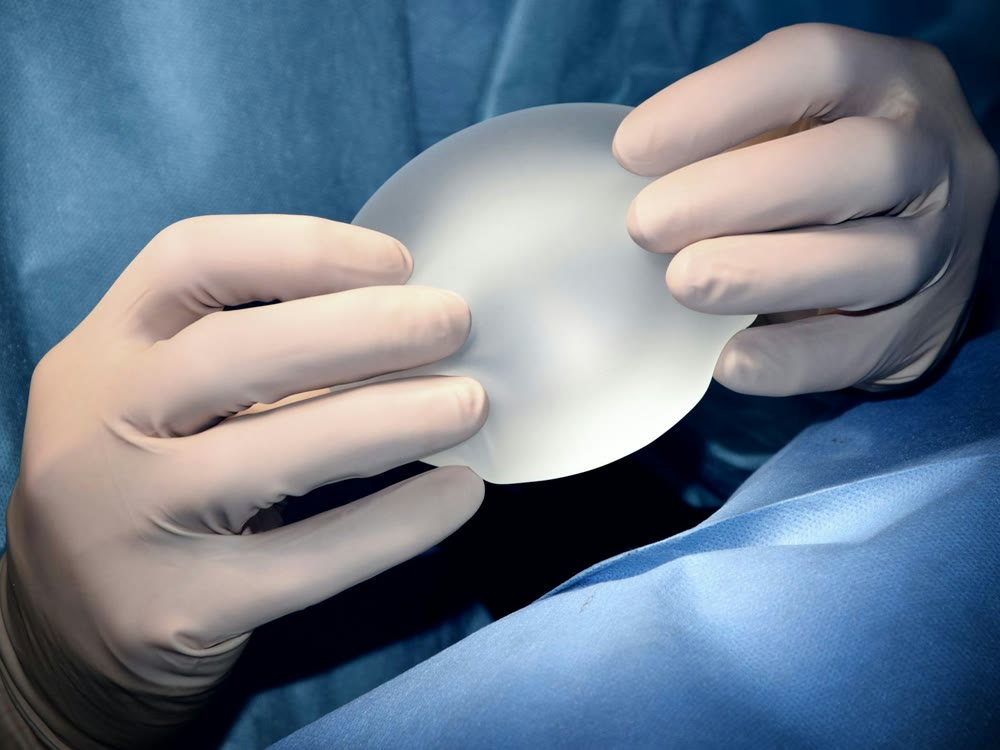

Breast augmentation is a surgical procedure that breast implants are placed in a surgically created pocket to increase breast volume. Currently, the most commonly used implant type is silicone gel implant

Surgeon holding a breast implant
  • Silicone gel implants: Preferred by many due to their soft texture, providing a highly natural look and feel. It is essential to select silicone implants from reputable manufacturers that offer high durability. Many leading manufacturers provide product warranties on silicone implants for up to 25 years.

The exclusive “6-No” breast augmentation technique, developed by Doctor Nguyen Thanh Vinh, Specialist level II – Plastic and Aesthetic Surgery Specialist at FV Hospital, aims to simplify post-operative care for patients.

Key advantages of this procedure include:

No post-operative compression garments

No postoperative compression bandages

No surgical drains

No bra required

No post-operative massage

No suture removal required

The Key to Success Behind the Exclusive “6-No” Breast Augmentation at FV

  • Experienced surgeons provide personalised consultations to help you select the most suitable implant size.
  • Breast augmentation surgery at FV eliminates the need for surgical drains, avoiding the risk of wound infection. Instead, our highly experienced surgeons meticulously control and manage bleeding intra-operatively. The incision is closed using absorbable sutures and sealed with a waterproof surgical gel. This protective gel barrier shields the wound from external contaminants that could cause infection.
  • Thanks to JCI-standard infection control protocols, FV’s operating theatre infection rate remains at approximately 0.2%, on par with leading healthcare institutions in the United States.

Hybrid breast augmentation is a technique that combines breast implants with autologous fat grafting to enhance both the size and overall contour of the breasts. The implants provide the primary projection and volume, while fat harvested from areas with excess fat, such as the abdomen or thighs, is processed and injected into specific areas to create a softer, more seamless breast boundary.

Measuring the bust with a tape

Compared to traditional implant-only surgery, the Hybrid technique allows surgeons greater flexibility to refine the transition zone between the implant and natural breast tissue, which is particularly beneficial for patients with thin subcutaneous tissue layers.

Hybrid breast augmentation aims to deliver a fuller breast appearance through implants, while enhancing boundary softness using autologous fat. However, the retention rate of grafted fat can vary over time as a portion is naturally reabsorbed by the body. Consequently, the final settled result may differ slightly from the immediate post-operative appearance.

Breast ptosis is a condition in which the breasts lose support, causing breast tissue and skin to sag, leading to a lower breast position and nipples that may point downwards.

Surgical marking before breast surgery

Potential causes of breast ptosis include:

  • Pregnancy and breastfeeding: Breast volume fluctuates during pregnancy and after weaning, while the skin and supporting tissues may stretch.
  • Ageing: Skin gradually loses elasticity, making the breasts more prone to sagging over time.
  • Weight fluctuations: Changes in fatty tissue volume can leave excess, loose skin relative to the remaining breast volume.
  • Genetics and physical characteristics: Skin elasticity, original breast size, and supporting tissue structures also influence the degree of ptosis.

Breast ptosis is not a medical condition requiring treatment; however, if it affects your self-confidence, you may consult a specialist to explore corrective solutions.

Based on the remaining glandular tissue volume and the degree of ptosis, the surgeon will recommend either a standalone mastopexy or a mastopexy combined with breast implants, restoring youthful projection and a charming, full breast contour.

Breast hypertrophy is a condition in which the breasts are significantly larger than normal proportions, especially relative to the patient’s overall body frame. Overly large breasts are frequently prone to sagging, asymmetry, or disproportion.

You may consider surgery if your overly large breasts cause a loss of self-confidence or lead to physical health concerns such as chronic neck and shoulder pain, skin irritation beneath the breasts, or difficulty with physical activities.

Prior to your decision, the surgeon will evaluate your breast size, overall health status, and personal goals to determine the most suitable surgical plan. Breast reduction surgery may result in scarring around the areola, a vertical scar along the lower breast, or a scar within the inframammary fold. Scars typically evolve and fade over time, though they do not disappear completely.

This procedure also carries potential risks, including bleeding, infection, delayed wound healing, breast asymmetry, and changes in nipple sensation. If you plan to become pregnant or breastfeed in the future, you should discuss this with your surgeon, as the surgery may affect your ability to breastfeed directly.

Following childbirth and breastfeeding, or due to genetic factors, the areola and nipple often tend to enlarge, reducing the refined aesthetic of the breasts. Areola and nipple reduction surgery helps adjust their size and creates a more proportional contour that harmonises with your overall body frame.

Woman in a white T-shirt
  • Areola reduction is a procedure that removes excess skin from the areolar region to reduce its diameter, creating more refined proportions relative to the breast mound.
  • Nipple reduction adjusts the height, projection, or width of the nipple, depending on individual correction needs. The surgeon selects the appropriate technique to reshape the nipple into better proportion with the areola and overall breast contour.

Both procedures can be performed independently or combined, depending on your aesthetic goals and clinical assessment results.

Performed with meticulous surgical precision, these procedures strategically conceal scars along the natural border of the areola, preserving both the milk ducts and natural sensation of the breasts.

Following partial or total mastectomy for cancer treatment, many women wish to restore their breast contour and regain confidence in daily life. Breast reconstruction helps recreate the shape of the breast while supporting patients in recovering their physical appearance post-treatment.

Breast specialist consulting a patient at FV

Depending on your health status, remaining tissue volume, and desired outcomes, the surgeon may recommend one of the following methods:

  • Implant-based reconstruction: Utilises breast implants to recreate breast volume and shape.
  • Autologous tissue reconstruction: Utilises tissue harvested from another part of the body to reshape the breast.
  • Combination reconstruction: Combines both implants and autologous tissue where clinically appropriate.

At FV, breast cancer patients are counselled on combining oncological resection and immediate breast reconstruction within a single surgical procedure, provided it aligns with their clinical condition and overall treatment plan. This “2-in-1” approach enables patients to achieve complete oncological tissue removal as prescribed while simultaneously restoring breast shape, eliminating the need for two separate surgical procedures.

Essential Considerations Before Breast Surgery

  • You will be required to undergo necessary pre-operative tests and clinical investigations, such as a breast ultrasound or mammography, followed by a rigorous pre-anaesthetic evaluation.
  • All breast procedures at FV Hospital are performed under general anaesthesia in sterile operating theatres, under the continuous supervision of a highly dedicated anaesthetics and resuscitation team.
  • Thanks to advancements in aesthetic surgical techniques and an experienced post-operative care team, most breast augmentation patients can be safely discharged after just 24 hours, provided their health condition is stable.

Potential Risks Associated with Breast Surgery

  • Post-operative Breast Asymmetry: A very common occurrence during the recovery process following breast surgery. There are three primary causes for this condition:
  • Congenital Asymmetry: Most women have inherent differences between their breasts regarding thoracic cage structure, breast volume, or nipple position. The surgeon considers these variations when selecting implant sizes and surgical techniques to achieve overall harmony. However, perfect symmetry between both sides cannot always be achieved.
  • Uneven Swelling: Following surgery, each breast may swell and resolve bruising at different rates. Consequently, one side may appear larger or take longer to subside than the other. This condition fluctuates throughout the healing process.
  • Rate of Implant “Drop and Fluff”: Immediately after surgery, implants may sit high and the breasts may feel tight as muscles and surrounding tissues adapt to the implants. Over time, the implants gradually settle into a lower position and the breast tissue softens. This process does not necessarily occur at the same pace on both sides. Variations in muscle structure, tissue density, and pre-operative conditions can influence the settlement rate for each breast.
  • Post-operative tightness, swelling, or bruising: May occur during the first few days as a natural reaction while the body adapts to the new shape.
  • Other potential complications associated with breast augmentation include capsular contracture, implant displacement, seroma, temporary reduction in areolar and nipple sensation, or infection. At FV Hospital, these risks are minimised thanks to the extensive experience of our surgeons, a highly skilled anaesthetics and resuscitation team, an operating theatre environment with an infection rate of under 0.2%, and JCI-compliant patient care and safety systems.

Doctor examining a woman's face and neck

Looking for the right aesthetic treatment?

Contact us for consultation and appointment booking

Make an Appointment
MessengerZalo