Plastic Surgery & Cosmetics

Body Contouring

Restoring a slim, toned physique and redefining alluring curves.

Body contouring comprises surgical procedures designed to eliminate excess localised fat, excise loose skin, and refine contours in areas such as the abdomen, waist, hips, thighs, arms, and buttocks. However, body contouring surgery is not a substitute for healthy weight loss and is typically suitable for individuals who have maintained a stable weight.

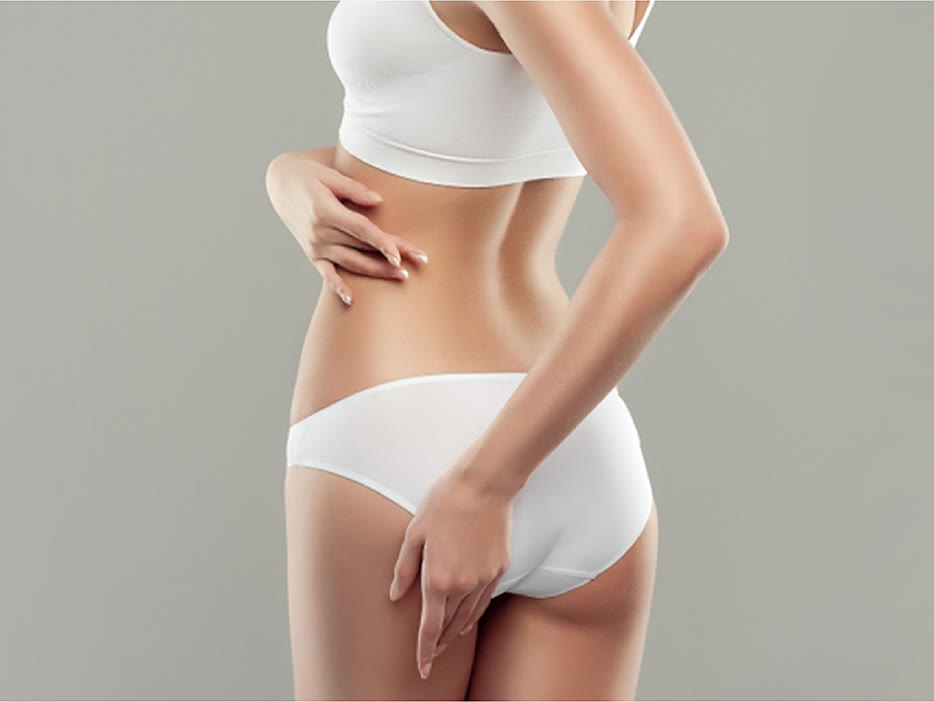
Slim, toned body contour

You may consider this service if you experience any of the following conditions:

Localised fat accumulation

Stubborn fat deposits on the abdomen, waist, hips, thighs, or arms that create a disproportionate silhouette despite maintaining a healthy diet and regular exercise.

Postpartum abdominal skin laxity

Excess skin, stretch marks, or weakened abdominal muscle wall (diastasis recti) causing a protruding and less firm abdominal profile.

Excess skin following significant weight loss

Considerable weight reduction leaving sagging skin around the abdomen, arms, or thighs.

Desire for enhanced body contours

A wish to refine curves or reshape specific areas of the body following a thorough clinical evaluation by a surgeon.

You must be in suitable overall health to undergo surgery and have realistic expectations regarding achievable outcomes. If you plan to become pregnant or anticipate further significant weight loss, you should consult your surgeon to determine the optimal timing for your procedure.

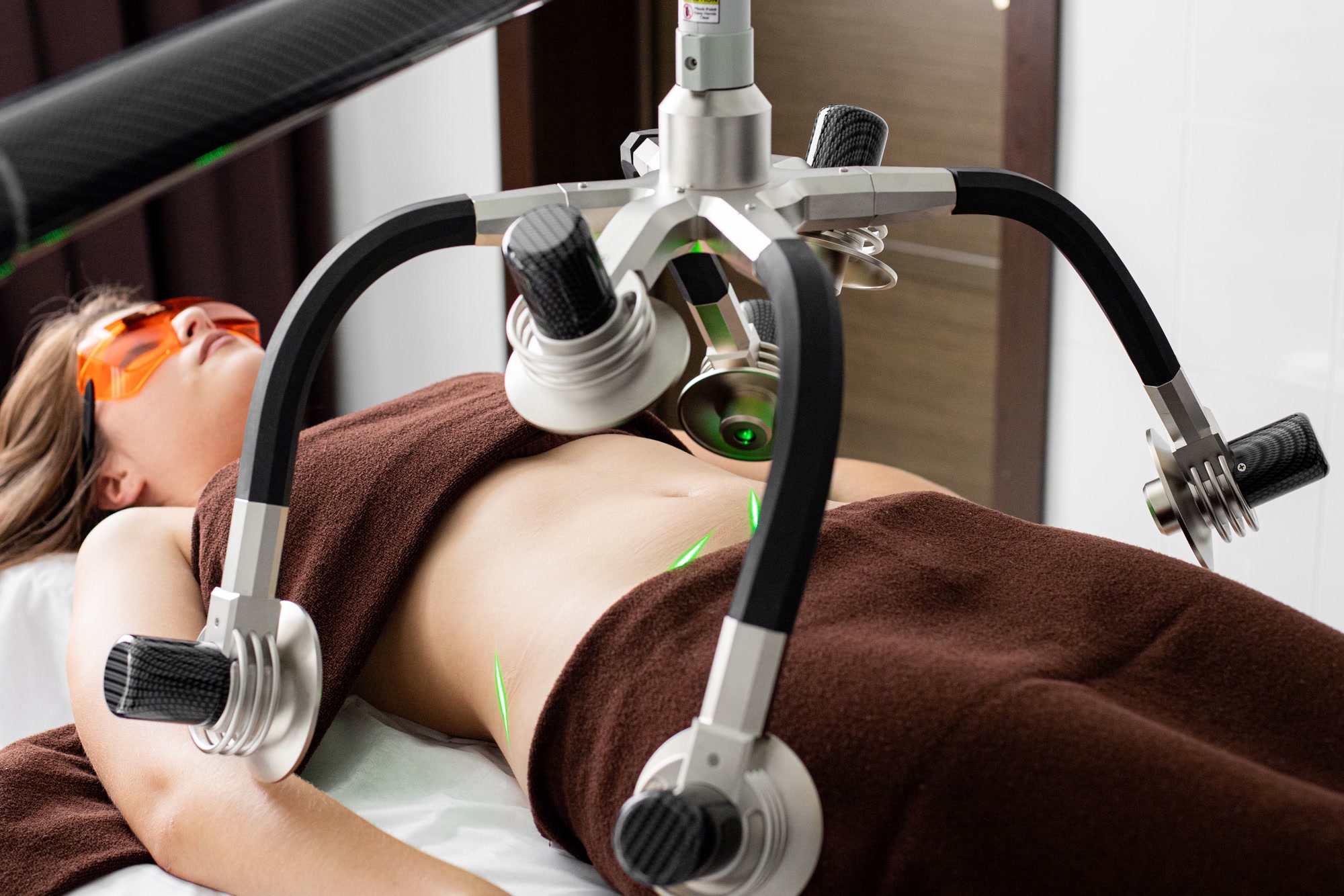
360° Vaser Lipo is a body contouring surgical procedure that utilises intelligent ultrasound energy to selectively identify and liquefy targeted excess fat deposits without damaging surrounding blood vessels or nerves. The liquefied fat is then gently aspirated from the body.

Surgical marking on the abdomen before liposuction

This advanced technique yields a smooth skin surface, minimises contour irregularities and post-operative bruising, and significantly shortens recovery time. Vaser Lipo is effectively applied to multiple body areas, including the abdomen, waist, back, thighs, upper arms, and submental area (double chin).

This method is suitable for individuals with a relatively stable weight who still experience localised subcutaneous fat accumulation around the abdomen, waist, hips, or back, resulting in disproportionate body contours despite maintaining a healthy diet and regular exercise routine. Good skin elasticity typically facilitates better skin retraction following fat removal.

Liposuction is not a weight loss procedure or a treatment for obesity, nor does it remove visceral fat located deep within the abdominal cavity. In cases of severe skin laxity or significant excess skin, standalone liposuction may not achieve the desired outcome; the surgeon may consider alternative body contouring procedures.

360° Vaser Lipo is a surgical procedure that must be performed by experienced surgeons in a fully accredited hospital equipped with a dedicated Department of Anaesthesiology and Surgical Intensive Care, as well as ultra-clean, sterile operating theatres. You should consult a surgeon to determine the appropriate extent of fat removal, receive a detailed explanation of potential surgical risks, and be guided through post-operative care protocols.
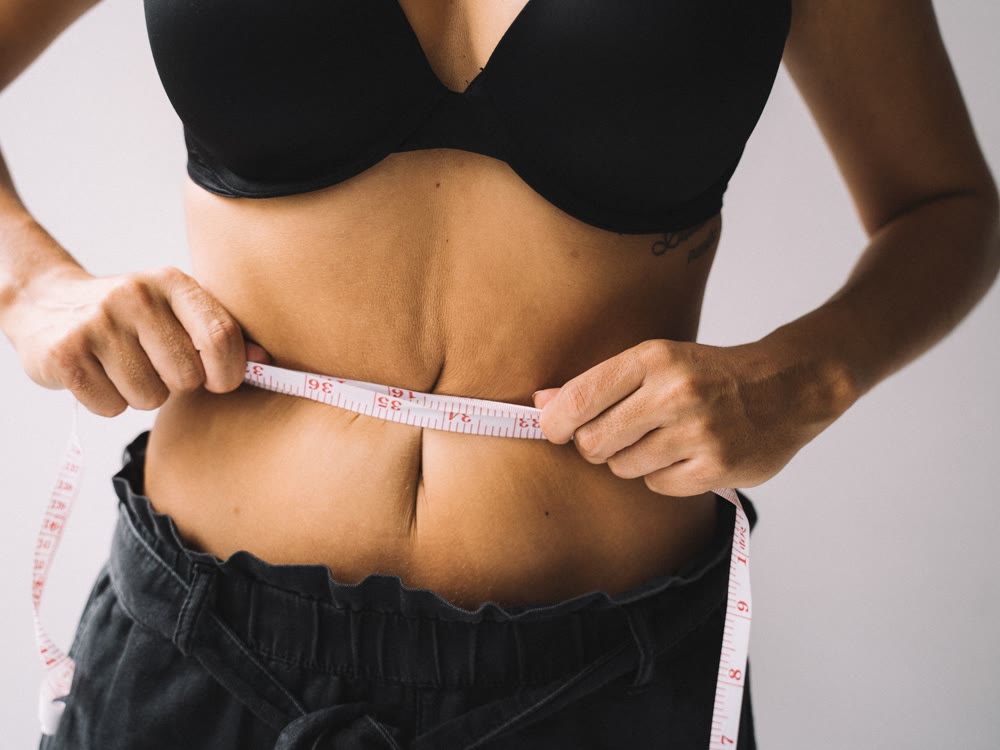
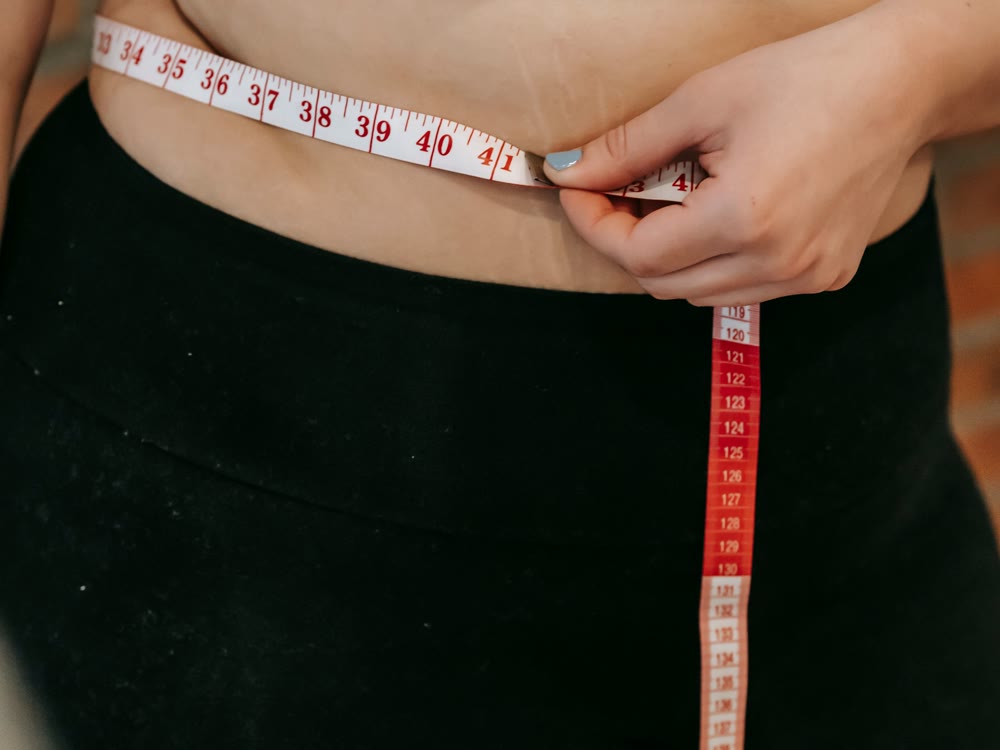
360° liposuction combined with abdominoplasty is a surgical procedure that combines subcutaneous fat removal with the excision of excess skin that standalone liposuction cannot resolve. The surgeon gently excises the loose, stretched, and mark-ridden skin flap, tightens and reinforces the lax abdominal muscle wall (diastasis recti), and reconstructs a soft, natural-looking umbilicus (navel). The incision is strategically concealed below the bikini line for optimal aesthetics and gradually fades over time, restoring a smooth, firm abdomen and your natural confidence.

Measuring the waistline

This procedure is particularly suitable for individuals with significant excess fat accompanied by sagging abdominal skin, such as women postpartum or individuals who have experienced substantial weight loss.

Following pregnancy and childbirth, the two rectus abdominis muscle bands can separate due to abdominal wall stretching. This creates a protruding and less firm abdominal profile, even after returning to pre-pregnancy weight. This condition is known as diastasis recti. However, not all cases of postpartum abdominal protrusion are caused by muscle separation; excess fat and skin laxity can also contribute.

Measuring the abdomen

Diastasis repair recti is a surgical procedure that brings the two separated rectus abdominis bands back together and secures them in place. The surgeon employs refined, hidden-scar suturing techniques to draw the muscle bands back to their original anatomical position. This technique not only tightens the waistline and flattens the abdomen immediately, but also supports the spinal column, improves posture, and alleviates postpartum lower back pain.

If significant skin laxity or excess fat is also present, this procedure can be combined with abdominoplasty (tummy tuck) and liposuction when clinically indicated.

Prior to undergoing surgery, you will receive a thorough clinical evaluation to assess your overall health and rule out other conditions such as abdominal wall hernias. If you plan to become pregnant in the future, you should discuss this with your surgeon, as subsequent pregnancies can stretch the abdominal wall again.

Following surgery, you must adhere to post-operative care guidelines, wear a compression garment, and avoid heavy lifting or activities that increase intra-abdominal pressure during the initial recovery period.

Gluteal augmentation with implants is a surgical procedure designed to enhance fullness, improve projection, and define the contours of the buttocks using specialised medical-grade implants. This method is particularly suitable for individuals with underdeveloped buttocks, a lack of natural projection, or insufficient autologous fat for fat grafting procedures.

Body contour of the hips and buttocks

Unlike autologous fat transfer (Brazilian Butt Lift / BBL), which uses fat harvested from other areas of the body, gluteal augmentation utilises buttock implants characterised by high elasticity, superior durability, and an anti-displacement design. Through a small, concealed incision in the intergluteal cleft, the surgeon positions the implant within the gluteal muscle layers, achieving a firm, naturally soft, and long-lasting aesthetic contour.

Gluteal implant surgery at FV is performed by highly experienced plastic surgeons. However, potential surgical risks include asymmetry, implant displacement, or prolonged discomfort. In some cases, revision surgery, implant replacement, or removal may be required. Your surgeon will thoroughly explain the benefits, limitations, and potential risks of the procedure to help you make an informed decision prior to surgery.

Autologous fat transfer to the buttocks, widely known as the Brazilian Butt Lift (BBL), is a surgical technique designed to enhance the buttocks naturally. The surgeon aspirates excess fat from areas such as the abdomen or thighs, purifies it to isolate the healthiest fat cells, and injects them into the buttocks or hip dips. This dual-benefit procedure eliminates unwanted fat to slim the waistline while crafting a rounded, voluptuous “hourglass” contour that remains soft and natural without the use of artificial implants.

Autologous fat grafting is a surgical procedure associated with potential complications, including bleeding, infection, seroma formation, fat necrosis, or uneven fat resorption leading to asymmetry. Crucially, fat embolism is a severe and life-threatening complication that occurs when fat enters the bloodstream and travels to the lungs. To minimise these risks, you will undergo a comprehensive health evaluation prior to surgery, and the procedure must be performed by an experienced surgeon adhering strictly to clinical safety protocols. You should discuss the benefits, limitations, and potential risks of this procedure with your surgeon before deciding to proceed.

Calf or thigh augmentation with implants is a surgical procedure in which the surgeon creates a small incision concealed within the popliteal crease (behind the knee) to place a specialised implant into the muscle fascia pocket. This technique reconstructs smooth, fully developed calf or thigh contours, restoring a shapely, elegant, and harmonious appearance to the legs.

Surgical team in the operating theatre

This procedure may be considered for individuals with underdeveloped or atrophied calf or thigh muscles due to congenital factors or certain medical sequelae resulting in leg asymmetry.

Following substantial weight loss, particularly after bariatric surgery, you may experience loose, sagging skin around the abdomen, upper arms, thighs, or back. This excess skin does not always retract naturally with weight reduction and can cause difficulties with mobility, personal hygiene, and clothing fit.

Nurse caring for a patient after surgery

Excess skin removal surgery eliminates redundant skin and tissue from the affected areas while reshaping the underlying tissue to improve body contours. In cases where excess skin is present across multiple areas, the surgery may need to be performed in multiple stages to suit your overall health and recovery capacity.

Scars are unavoidable following excess skin removal surgery. The length of the scar line depends on the volume of skin to be removed and the targeted anatomical region. The surgeon will strategically select incision sites to minimise scar visibility where possible; however, scars may still appear wide, raised, or darker than anticipated. While scars typically evolve over several months, they will not disappear completely.

You should also be aware that because this procedure removes a substantial amount of skin and creates tension along the suture line, wound healing may be delayed, or partial dehiscence may occur, particularly in areas subjected to high tension. Other potential issues include seroma formation beneath the skin, infection, altered sensation, contour irregularities, or recurrent skin laxity over time.

Important Pre- and Post-operative Considerations

Pre-operative

  • You will undergo a comprehensive clinical evaluation and health assessment, including necessary laboratory tests and a pre-anaesthetic evaluation if general anaesthesia is indicated.
  • The surgeon will examine the target treatment area, assessing excess fat volume, skin elasticity, and muscle tone to determine the most appropriate surgical approach.
  • You must inform your doctor of any existing medical conditions, current medications, and prior surgical history.

Post-operative

  • Following surgery, the treated area may experience swelling, bruising, discomfort, or a temporary reduction in sensation.
  • You may be instructed to wear a compression garment, care for your surgical wounds, and engage in appropriate light activity. Strenuous exercise and high-impact physical activities should be avoided until authorised by your surgeon.
  • Recovery time varies depending on whether you undergo standalone liposuction or procedures involving skin excision and tummy tuck (abdominoplasty).

Potential Risks

  • Post-operative Swelling & Temporary Numbness: Swelling, bruising, or a mild, localised reduction in sensation may occur in the treated area during the first few weeks. This is a completely normal physiological reaction as the tissue actively heals.
  • Natural Body Asymmetry: Similar to the breasts, the two sides of the human body naturally possess slight variations in bone structure and fat distribution. The surgeon will meticulously adjust the contours to achieve optimal symmetry.
  • Potential Surgical Complications: Seroma formation, skin contour irregularities, infection, or fat embolism are potential post-operative complications. At FV, these risks are minimised through the expertise of our surgeons, state-of-the-art medical equipment, and advanced ultrasound-assisted Vaser Lipo technology for gentle fat liquefaction, combined with blunt-tipped cannulas designed to glide safely past major blood vessels.
Doctor examining a woman's face and neck

Looking for the right aesthetic treatment?

Contact us for consultation and appointment booking

Make an Appointment
MessengerZalo