




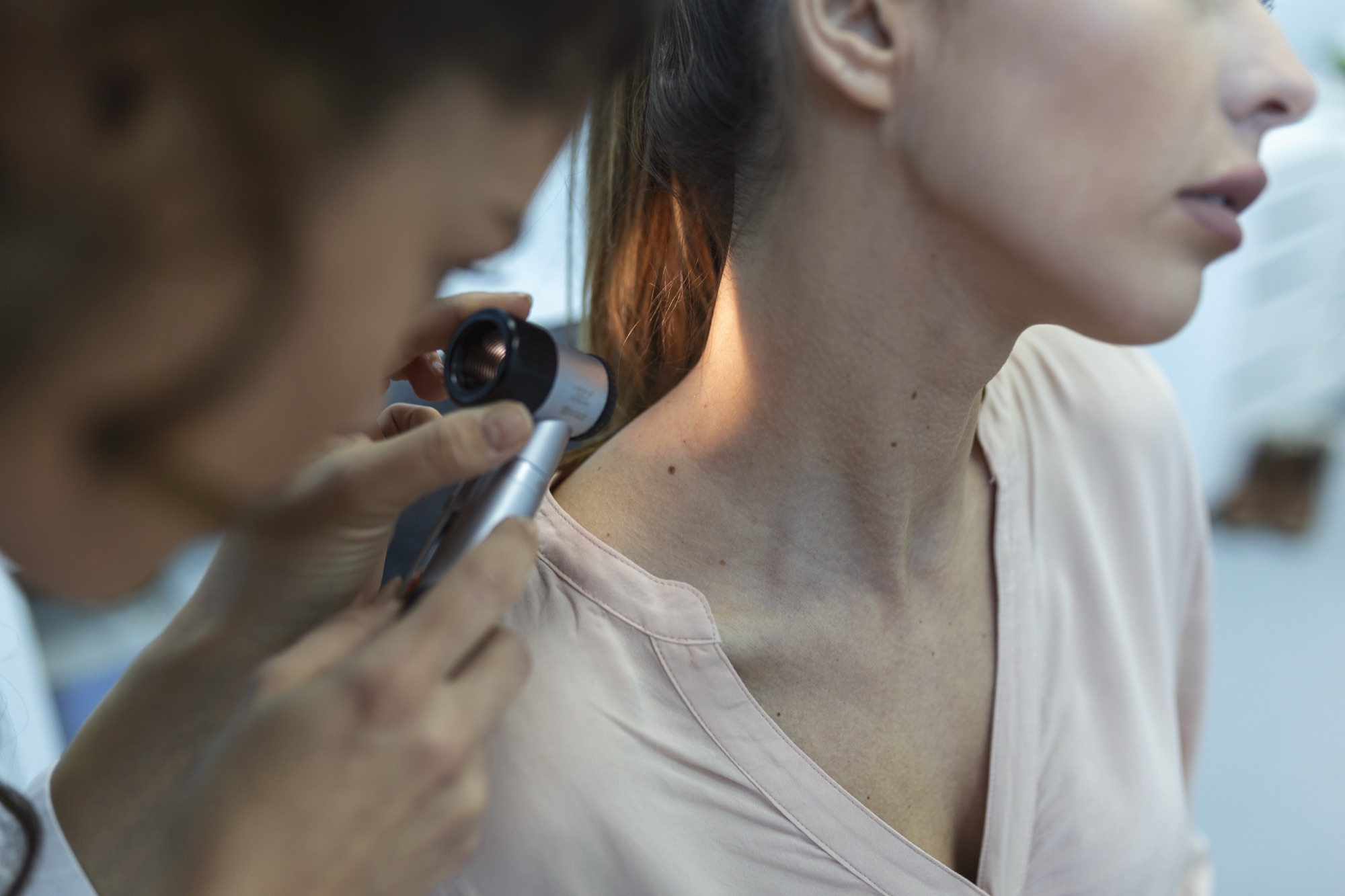
Skin Cancer Screening with FotoFinder
Track changes in your moles over time to help identify suspicious signs early.
Most people have moles, and most are harmless. However, some moles can change over time, and certain changes may be a warning sign of skin cancer, including melanoma. Detecting these changes early is important, but it can be difficult to notice subtle differences or remember exactly how a mole looked months or years ago.
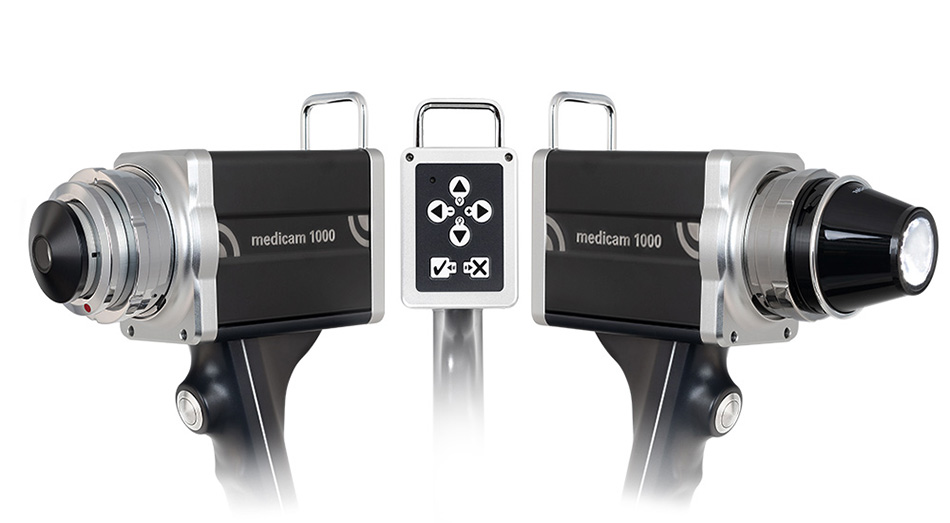
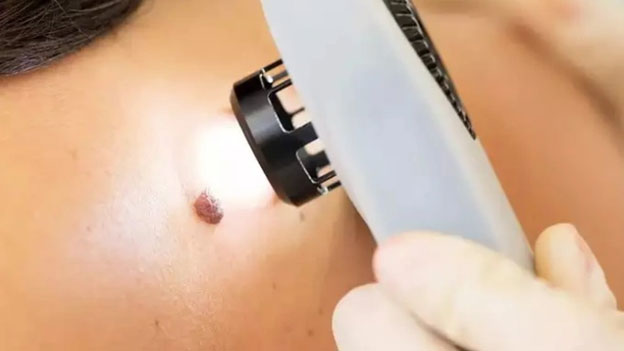
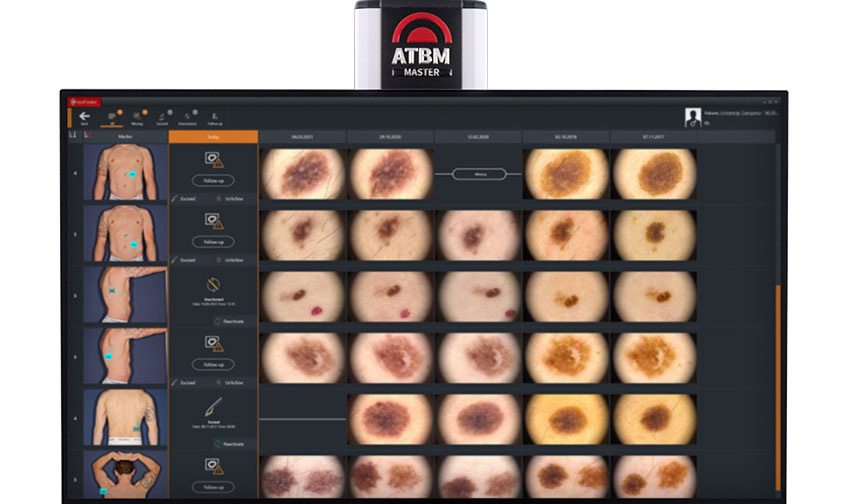
FotoFinder helps address this challenge by creating a photographic record of your moles. By comparing images taken at different visits, your dermatologist can identify new moles or changes that may need closer examination.
Who May Benefit from Skin Cancer Screening?
While anyone can develop skin cancer, some people have a higher risk. Your dermatologist may recommend FotoFinder mole mapping if you:
-
Have fair skin that burns easily, particularly if you now live in a tropical climate.
-
Have a personal or family history of melanoma.
-
Have many moles or several that look unusual.
-
Have had significant sun exposure over the years, including sunburn during childhood.
-
Take medicines that suppress your immune system, such as after an organ transplant or to manage a long-term condition.
Sun exposure is also worth considering if you live in Vietnam. If you have fair skin or a history of significant sun exposure, speak to your dermatologist about your individual risk and whether mole mapping is appropriate for you.
Have you noticed a mole changing?
Tell us when booking your appointment. Your dermatologist will assess it directly at your first visit rather than simply recording it for comparison at a later date.
How Does FotoFinder Work?
Skin Examination
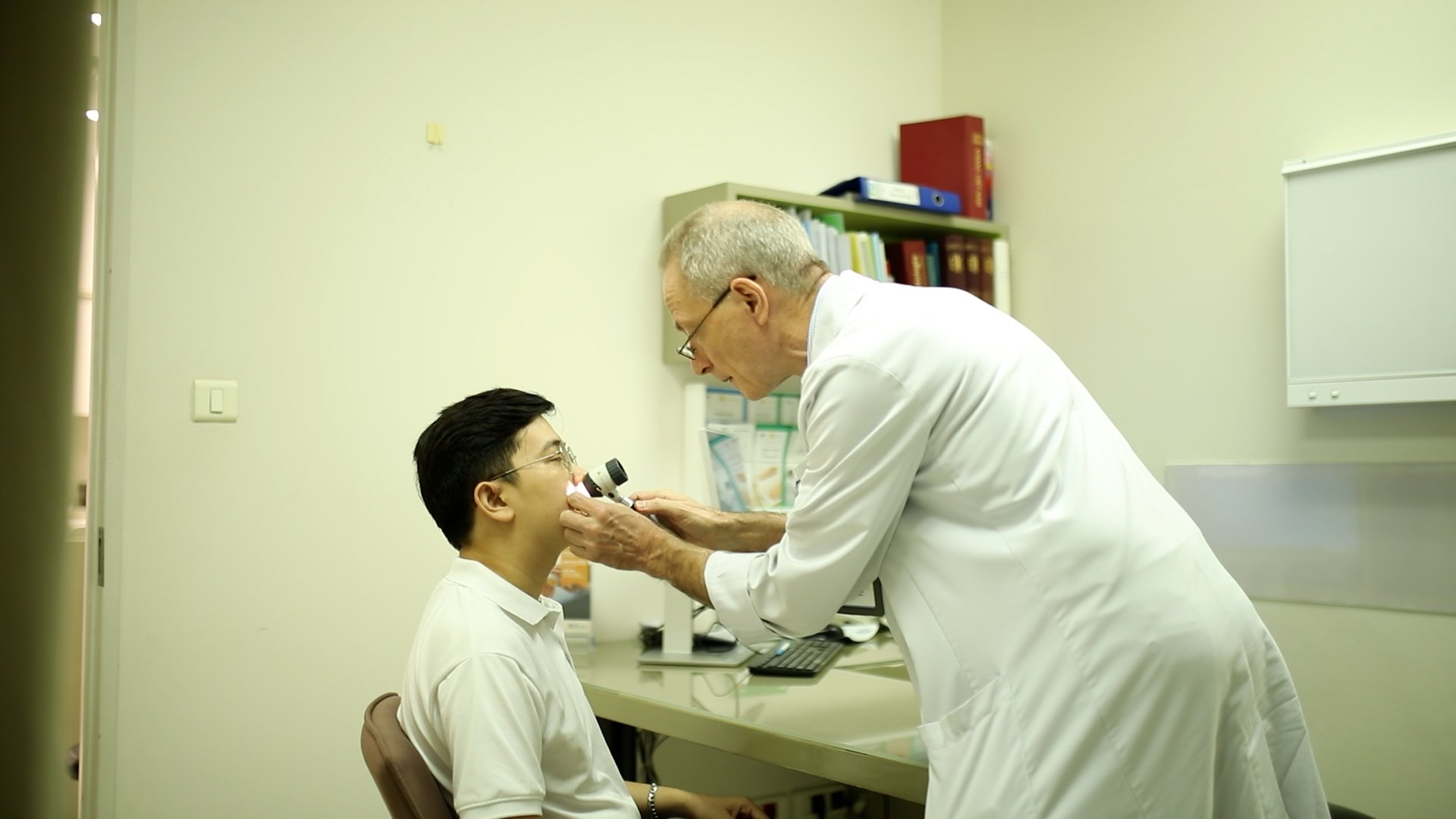
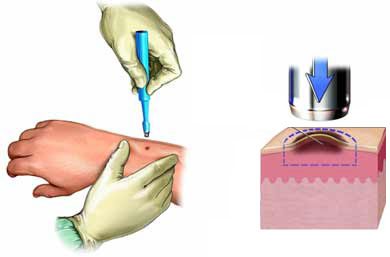
Your dermatologist examines your skin and determines whether total body mole mapping is suitable for you.
How Often
Most people have an initial scan and return once a year for follow-up. Depending on your medical history and the findings from your first scan, your dermatologist may recommend more frequent checks.
What This Does and Does Not Do
FotoFinder helps your dermatologist track changes in your moles over time. However, it cannot confirm whether a mole is cancerous. If a mole looks suspicious, your dermatologist may recommend a biopsy to establish the diagnosis. Regular skin self-checks between appointments are also important.
The scan does not cover every area of your body. Your dermatologist will also examine areas such as the scalp, skin covered by underwear and the inside of your mouth directly during your appointment.
Checking Your Own Moles Between Visits
Check your skin once a month in good lighting, using a mirror to examine your back. Look for the ABCDE warning signs:
Also look for the “ugly duckling” sign: a mole that looks different from your other moles.
If you notice any of these changes
Book an appointment with your dermatologist rather than waiting for your next scan.
Book an Appointment
