



Recently, FV Hospital successfully treated vein thrombosis of the left thigh using the hybrid technique. FV is one of the few hospitals in Ho Chi Minh City to apply this advanced protocol.

Mr HN, a 58-year-old patient with a history of prostate cancer, arrived at FV Hospital with a swollen, inflamed and sore left leg, which had made it very difficult for HN to walk since his first visit to FVH for cancer treatment six months prior. He was admitted to FV’s Vascular Surgery Department for examination and diagnosis using ultrasound and CT scanner.
Dr Luong Ngoc Trung diagnosed Mr HN with recurrent chronic vein thrombosis (blood clot) in the left thigh. Dr Trung decided to restore the patient’s blood circulation through the veins of the thigh to rehabilitate his muscles, prevent leg ulcers due to post-thrombotic syndrome and prevent metastatic effects of thrombosis to Mr HN’s lungs, the latter of which may have been fatal.
The hybrid technique was applied via three techniques simultaneously: the insertion of a vena cava filter beneath the thrombosis to avoid heart thrombosis; the insertion of stent under the left thigh vein; and removal of the thrombosis followed by plastic surgery to repair the tissue. After four hours, the surgery concluded successfully and the patient recovered well. The swelling disappeared and the circumference of his thigh decreased from 62 cm to 45 cm, which meant both legs were now the same size. Mr HN has now been able to return to his usual daily activities.
Dr Trung says that acute deep vein thrombosis is associated with a risk of pulmonary embolism due to the fact that a blood clot that travels towards the heart could increase risk of death by up to 60 per cent. If not treated within two weeks, the thrombosis becomes a chronic disease with a risk of post-thrombotic syndrome. Severe complications include decreased mobility, chronic inflammation and ulceration of the thrombotic area.
Previously, this disease has been treated with anticoagulant which was effective only in the acute phase (the first two weeks of the disease), and only in around a third of patients – after anticoagulation therapy, 60 per cent to 70 per cent of patients go on to develop chronic thrombotic disease. By applying the hybrid technique, blood circulation impeded due to chronic thrombosis is restored, enabling patients to avoid post-thrombotic ulceration, recover quickly and enjoy an improved quality of life.
FV Hospital is equipped with the latest advanced treatment methods and equipment, and is staffed by a team of experienced specialists to offer patients premium service with optimal treatment results.
Related Articles
Related Articles

FV Hospital Pregnancy Follow-up Package
Congratulations on your pregnancy and thank you for choosing FV Hospital as your healthcare service provider! A pregnancy is both a happy and challenging journey in the life of any women. To experience a healthy and safe pregnancy, as well as to give your baby the best beginning in life, mothers-to-be must undergo regular follow-ups […]
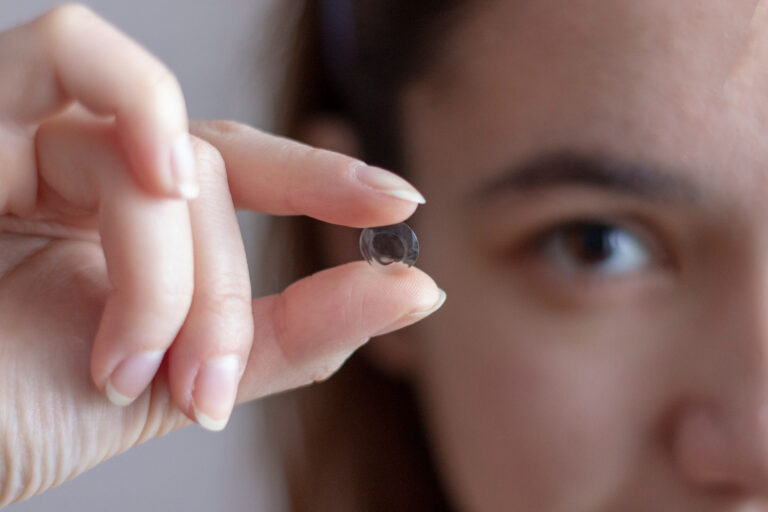
Orthokeratology (Night Lenses)
What is orthokeratology? Orthokeratology, or Ortho-K, is a non-surgical process that uses customised rigid contact lenses (specifically made for each patient) which are worn overnight to remodel the curvature of the cornea (the clear front surface of the eye). They are removed in the morning, allowing clear vision without correction during the day. The effects […]
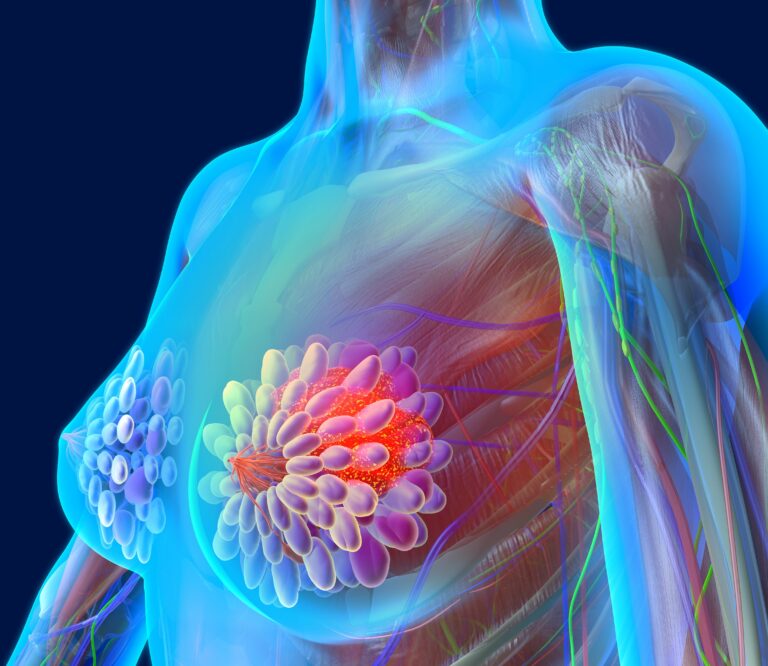
Breast Cancer
Breast cancer is a very frequent cancer worldwide. In Vietnam its incidence has been increasing steadily and it is now the most common cancer affecting women. What are the Symptoms of Breast Cancer? Signs and symptoms of breast cancer may include: When to see a doctor? If you find a lump or other change in […]
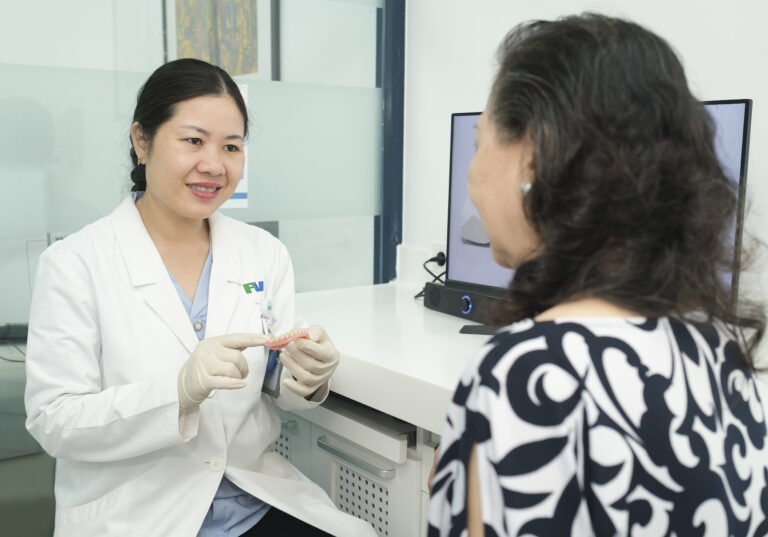
Dentures Instructions
The new dentures you have received are a replacement for your missing teeth. They will attempt to restore support to the jaw, increase your chewing ability and improve your appearance. This information leaflet will assist you with your adjustment to new dentures. There are 2 types of dentures: Getting used to your new dentures For […]
FV Hospital Pregnancy Follow-up Package
Orthokeratology (Night Lenses)
Breast Cancer

