



You must stay home and separate from others until you complete your isolation period and it is safe to be around you.
ISOLATION ROOM
- Select a specific room in your home that will be used for you to separate yourself from others.
- Stay in this room away from other people in your home as much as possible. It is especially important to stay away from individuals who are at higher risk of serious illness if infected. Wear a mask and practice social distancing when around others in your home by staying at least 2 metres away from others.
- Use a separate bathroom, if possible. If this is not possible, clean and disinfect the bathroom after each use.
- Open windows regularly and use a fan or air conditioner to ensure good ventilation
- Do not allow visitors in your home
- Do not handle pets or other animals
- Do not care for children or others in your home
AVOID SHARING HOUSEHOLD ITEMS
- Do not prepare or serve food to others
- Do not have meals with others
- Do not share dishes, drinking glasses, cups, eating utensils, towels, bedding, or other items with other people in the home. These items should be washed thoroughly after use with soap and warm water.
KEEP YOUR HANDS CLEAN
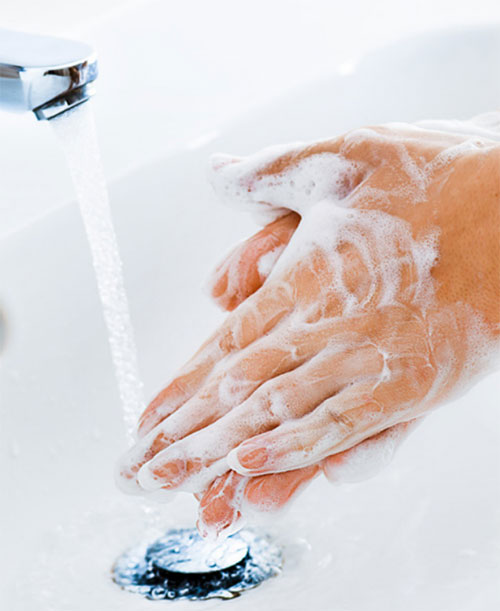
- Wash your hands often and thoroughly, especially after blowing your nose, coughing, or sneezing; going to the bathroom; and before eating or preparing food.
- Use soap and water for at least 20 seconds. Use hand sanitizer with at least 60% alcohol if soap and water are not available and if hands are not visibly dirty.
- Avoid touching eyes, nose, and mouth with unwashed hands.
CLEAN ALL “HIGH-TOUCH” SURFACES EVERY DAY
- Keep your room clean
- High-touch surfaces include counters, table tops, door knobs, bathroom fixtures, toilets, phones, keyboards, tablets, and bedside tables.
- Also, clean any surfaces that may have blood, body fluids and/or secretions or excretions on them.
LAUNDRY
- Wash laundry thoroughly
- Immediately remove and wash clothes or bedding that have blood, body fluids and/or secretions or excretions on them.
- Wear disposable gloves while handling soiled items. Wash your hands immediately after removing your gloves
WASTE
- Collect masks, gloves, tissues, paper used to clean your nose or mouth and put them in a separate waste bag, tightly closed and tidily put in a designated place.
- These waste bags must be put aside for 72 hours before being put in your usual external household waste bin.
HEALTH MONITORING
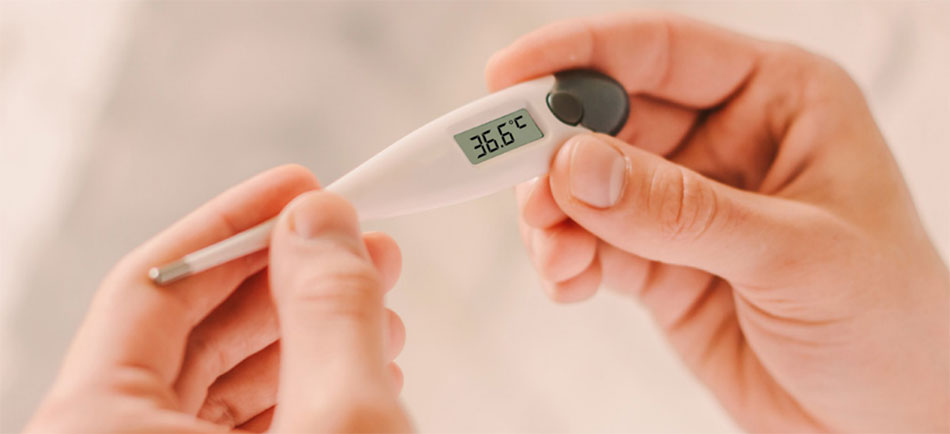
- Check your body temperature on mornings and evenings, note your temperature.
- Immediately notify FV Hospital if you have symptoms such as fever, cough, shortness of breath, loss of smell or taste, fatigue, diarrhoea, skin rash, etc.
For more information, please contact:
FV HOSPITAL: (028) 54 11 33 33
FV ACCIDENT & EMERGENCY: (028) 54 11 35 00
Related Articles
Related Articles

FV Hospital Pregnancy Follow-up Package
Congratulations on your pregnancy and thank you for choosing FV Hospital as your healthcare service provider! A pregnancy is both a happy and challenging journey in the life of any women. To experience a healthy and safe pregnancy, as well as to give your baby the best beginning in life, mothers-to-be must undergo regular follow-ups […]
Orthokeratology (Night Lenses)
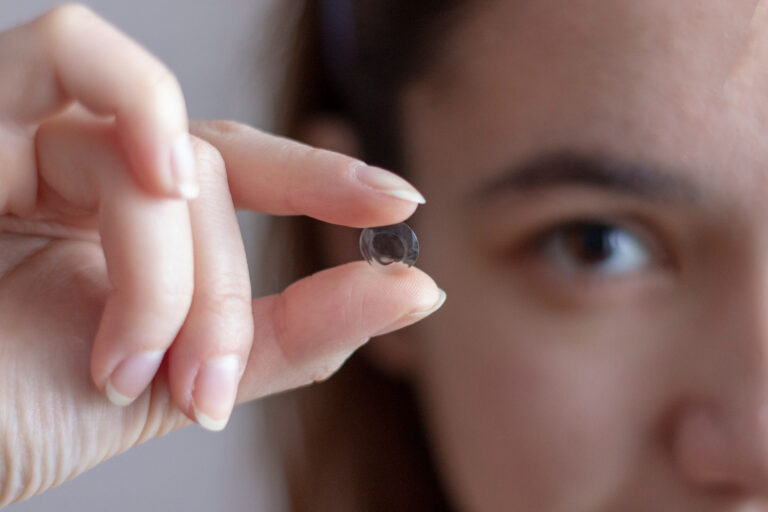
What is orthokeratology? Orthokeratology, or Ortho-K, is a non-surgical process that uses customised rigid contact lenses (specifically made for each patient) which are worn overnight to remodel the curvature of the cornea (the clear front surface of the eye). They are removed in the morning, allowing clear vision without correction during the day. The effects […]
Breast Cancer
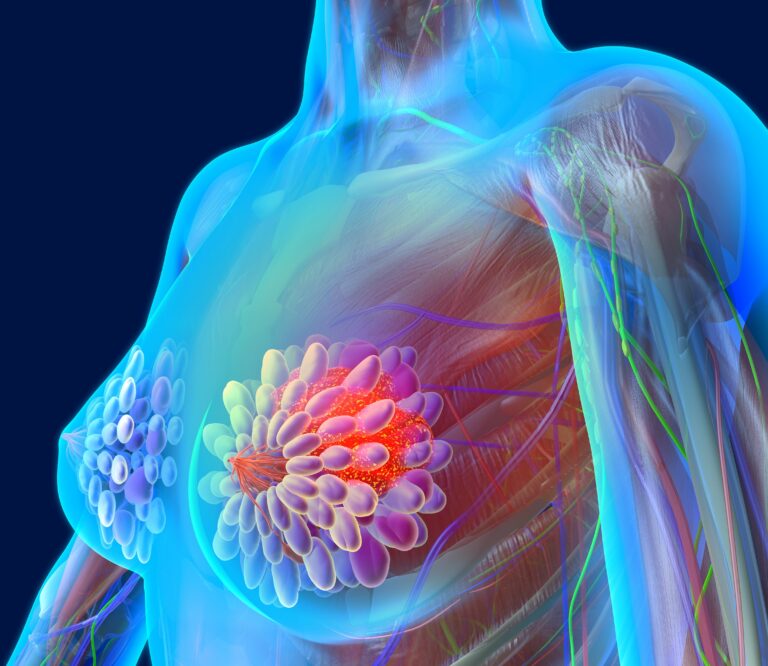
Breast cancer is a very frequent cancer worldwide. In Vietnam its incidence has been increasing steadily and it is now the most common cancer affecting women. What are the Symptoms of Breast Cancer? Signs and symptoms of breast cancer may include: When to see a doctor? If you find a lump or other change in […]
Dentures Instructions
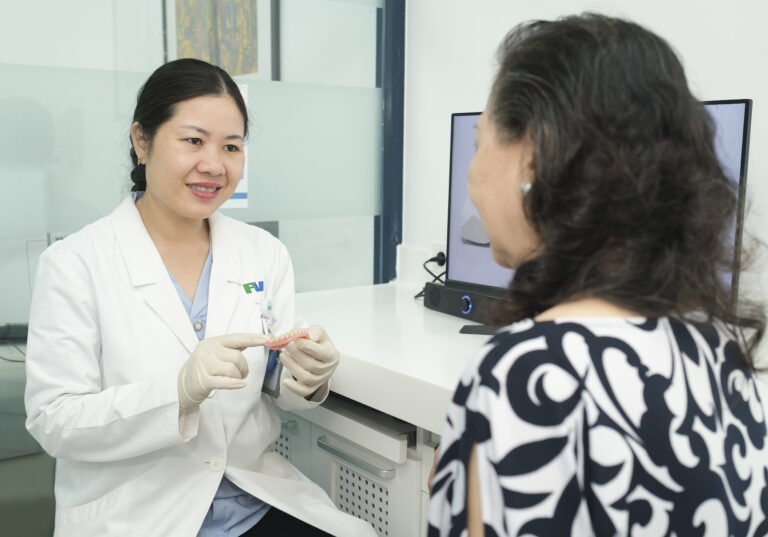
The new dentures you have received are a replacement for your missing teeth. They will attempt to restore support to the jaw, increase your chewing ability and improve your appearance. This information leaflet will assist you with your adjustment to new dentures. There are 2 types of dentures: Getting used to your new dentures For […]
FV Hospital Pregnancy Follow-up Package
Orthokeratology (Night Lenses)
Breast Cancer

