



Ensuring patient safety is
FV Hospital’s
top priority, and this is the bottom line of the Joint Commission International (JCI) accreditation awarded to FV.
Dan Tri (People’s Wisdom) newspaper has recently had an interview with FV Hospital Chief Executive Officer Dr Jean-Marcel Guillon about ensuring patient safety. Excerpts:
Building a safety culture is one of your top priorities at FV Hospital. This is not easy in the context that Vietnam’s healthcare system is overloaded in general, therefore the quality of care is hard to improve. Specially, the doctor-centric culture has been firmly established on both doctors and patients. Therefore, changing this culture among doctors and the medical staff is very challenging. How could you make this change to build a safety culture for the whole hospital and for all staff?
Doctor-centric culture and patient safety culture are different issues.
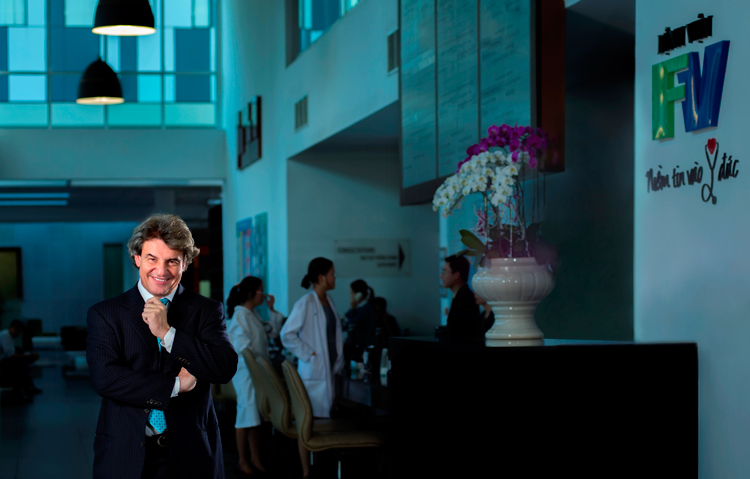
Dr Jean-Marcel Guillon, CEO of FV Hospital
Doctor-centric culture was widespread in many countries, including France, for years and years, but patients, especially in the private sector are more and more demanding and want also to be considered as partners, which is part of their rights (right to be explained, right to consent, right to refuse, etc). The hospital adopted right from the outset the concept of patient-centred services, and everything has been planned around the patient, from the way the facility is designed to the various processes that a patient go through, for example admission and discharge. It’s been a challenge, initially, to have doctors adhering to this way of doing but we succeeded by patiently explaining the advantages of doing like that and also because doctors at FV do not have to see the huge amount of patients they see in the public sector, therefore they have more time for each patient.
Safety culture is more difficult to implement because it means that a number of measures have to be taken to protect patient safety, most of the time it implies a completely different way of working for doctors, more time to be spent to make sure everything is done properly. For example for surgical patients proper site marking must be carried out, and in the operating theatre the surgical team must go through a check-list before operating the patient. Patient safety must permeate each and every aspect of patient care to avoid medical mistakes, hospital-acquired infections, falls, medication errors and so on. This is a difficult endeavour that requires constant education of both doctors and other clinical staff members together with a solid Quality Management Department, infection control team, and many other actors.

Building a safety culture needs both sides: the hospital and the patients. In the beginning period of FV Hospital, you had to make great efforts to change a Vietnamese habit that “one person is hospitalised, the whole family follow to care”, and to persuade the patient’s family members not to wash clothes inside the patient room, and did not allow more than one persons to stay with the patient at the hospital. Therefore you faced their extreme reactions. How could you succeed in changing them?
This has in reality little to do with patient safety, it is related to patient comfort, and the whole types of patient services a hospital can provide. At FV we provide meals for patients, we have sufficient number of nurses and care assistants, we identify patients at risk and provide them with extra-care. We understand and respect the emotional and therapeutic need that all patients have to be surrounded by their family and friends while hospitalised. However, the right to be visited by family and friends must be balanced out with the requirements to provide safe and effective medical care, to ensure patients’ rest and recovery, to prevent hospital-acquired infections and to create a quiet, dignified and respectful hospital environment for all patients and staff. There are exceptions for example parents or carer are allowed any time when children under 16-year old are hospitalised, or for patients at the end of their life. Patients and family members have accepted our visiting regulations because we do provide the services one can expect from a modern hospital.
How do you assess the safety culture at FV? Given with the JCI accreditation, does FV Hospital’s safety culture reach to the safe point, thus no need to improve?
Patient safety culture requires vigilance and constant reassessment, and there is always a need to improve. We have a system to report incidents that are then investigated, we also do an annual survey among our staff to assess the state of the culture of patient safety, we have training courses and refreshing courses. The Quality Management Department also use many quality indicators that are provided to the top management and the Board every quarter. In summary patient safety is continuously monitored and permanently improved.
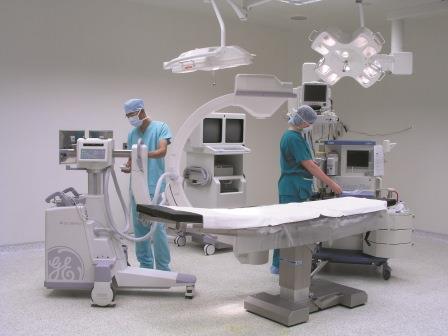
An operation theatre at FV Hospital
Related Articles
Related Articles

FV Hospital Pregnancy Follow-up Package
Congratulations on your pregnancy and thank you for choosing FV Hospital as your healthcare service provider! A pregnancy is both a happy and challenging journey in the life of any women. To experience a healthy and safe pregnancy, as well as to give your baby the best beginning in life, mothers-to-be must undergo regular follow-ups […]
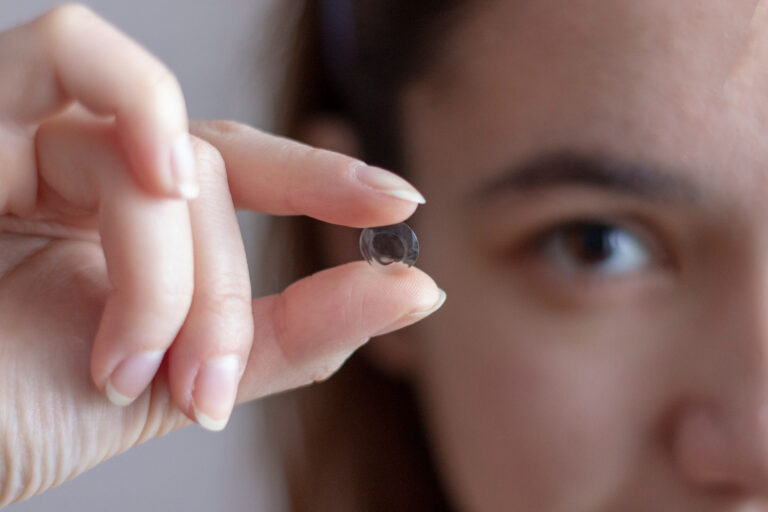
Orthokeratology (Night Lenses)
What is orthokeratology? Orthokeratology, or Ortho-K, is a non-surgical process that uses customised rigid contact lenses (specifically made for each patient) which are worn overnight to remodel the curvature of the cornea (the clear front surface of the eye). They are removed in the morning, allowing clear vision without correction during the day. The effects […]
Breast Cancer
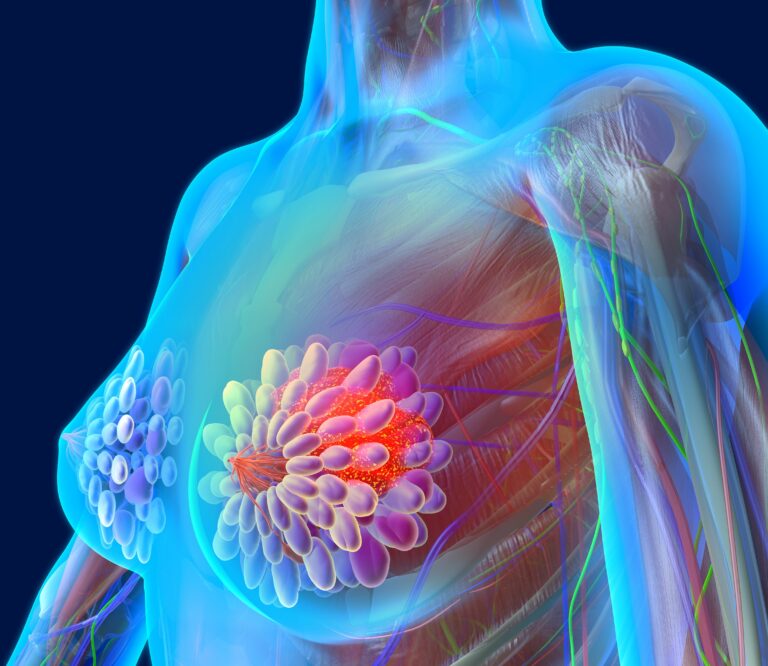
Breast cancer is a very frequent cancer worldwide. In Vietnam its incidence has been increasing steadily and it is now the most common cancer affecting women. What are the Symptoms of Breast Cancer? Signs and symptoms of breast cancer may include: When to see a doctor? If you find a lump or other change in […]
Dentures Instructions
The new dentures you have received are a replacement for your missing teeth. They will attempt to restore support to the jaw, increase your chewing ability and improve your appearance. This information leaflet will assist you with your adjustment to new dentures. There are 2 types of dentures: Getting used to your new dentures For […]
FV Hospital Pregnancy Follow-up Package
Orthokeratology (Night Lenses)
Breast Cancer

