



Admitted to FV Hospital for monitoring of pre-eclampsia and high blood pressure, Mrs H. surprised her doctors by drinking up to 5 litres of water every day. This compulsive drinking behaviour prompted further assessment, and FV specialists subsequently identified an adrenal tumour causing hyperaldosteronism, which had led to severe hypokalaemia and electrolyte imbalance. With collaborative care from FV Thomson Maternity, Endocrinology and Diabetology, and Paediatrics and Neonatology teams, her condition was stabilised, the critical phase was managed safely and she delivered her baby without complications.
A Pregnancy Filled with Red Flags
Mrs H., 38, from Tay Ninh, had a history of delivering large babies, high blood pressure, and preterm births in all three of her previous pregnancies, the most recent one at 32 weeks, along with low potassium levels. Upon examination, Vo Thi Thanh Van, MD, MSc, at FV Thomson Maternity identified her pregnancy as high-risk requiring close monitoring.
“The patient had a previous caesarean scar, a large foetus, and a high BMI, all of which increase the risk of eclampsia (high blood pressure with seizures). Her last two pregnancies were also preterm, and the gestational age at delivery was progressively shorter, so this pregnancy carried a high risk of even earlier preterm birth,” Dr Van explained.
The patient was screened for risk factors that could lead to preterm labour, allowing Dr Van to develop a personalised care and monitoring plan appropriate for this high-risk pregnancy.
At 28 weeks, her blood pressure rose significantly, and she was hospitalised for continuous observation until her condition stabilised. Two weeks after discharge, she developed pre-eclampsia and was readmitted under Dr Van’s care for close monitoring through to delivery.
The Hidden Danger Behind Her Compulsive Drinking
During her hospital stay, the obstetrics team noticed that Mrs H. drank up to 5 litres of water per day and urinated approximately 6 litres, with persistent thirst. Initially, doctors suspected diabetes insipidus, a condition that impairs the kidneys’ ability to concentrate urine and may lead to potassium loss. However, when the patient was asked to restrict water intake for further testing, her urine remained well-concentrated, ruling out diabetes insipidus.
At that stage, doctors suspected two possible conditions occurring simultaneously: hypokalaemia caused by hyperaldosteronism, possibly due to an adrenal tumour and a psychological form of polydipsia (compulsive water drinking).
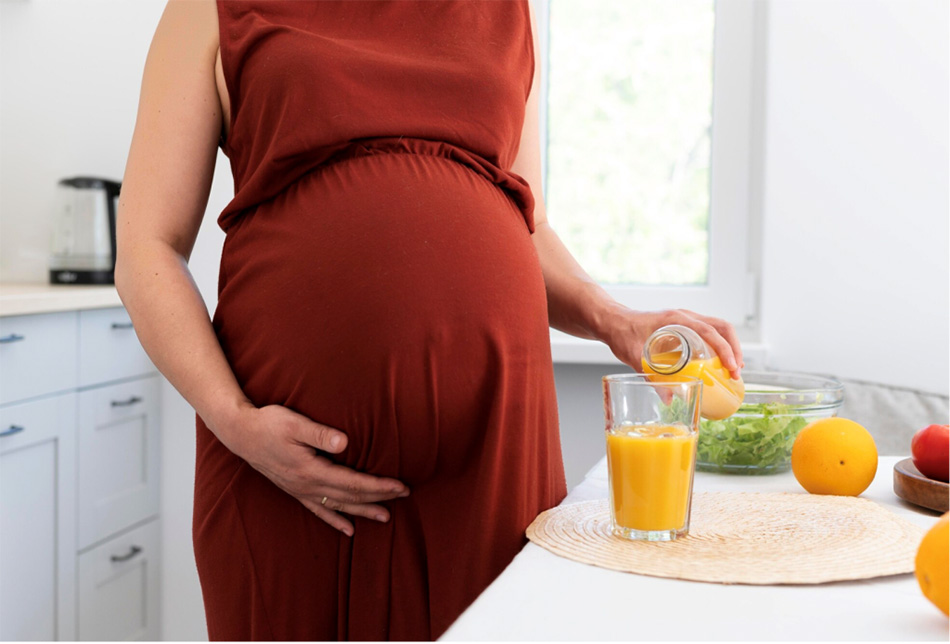
Constant thirst during pregnancy prompted tests that uncovered an underlying condition.
The expectant mother reported having visited multiple medical facilities for persistently low potassium levels, but the underlying cause was not identified. She was advised to take oral potassium supplements, and eat more bananas and drink coconut water.
As she was still pregnant and unable to undergo an adrenal MRI, she was prescribed additional potassium supplements and advised not to drink more than 2.5 litres of water per day to avoid a range of risks including sodium imbalance, increased kidney strain, electrolyte disturbances, and high blood pressure.
“If her potassium levels had fallen further, she could have experienced muscle weakness, paralysis, or even cardiac arrest,” Dr Van noted.
The management of Mrs H.’s high-risk pregnancy involved close collaboration among Obstetrics, Paediatrics, and Endocrinology teams, ensuring careful monitoring of pre-eclampsia, her compulsive drinking disorder, and the baby’s development.
A Safe Outcome After a High-Risk Pregnancy
At 34 weeks, once the foetus was fully developed, the team proceeded with a planned caesarean section. The delivery went according to plan, and a healthy baby girl weighing almost 2.6 kg was born.
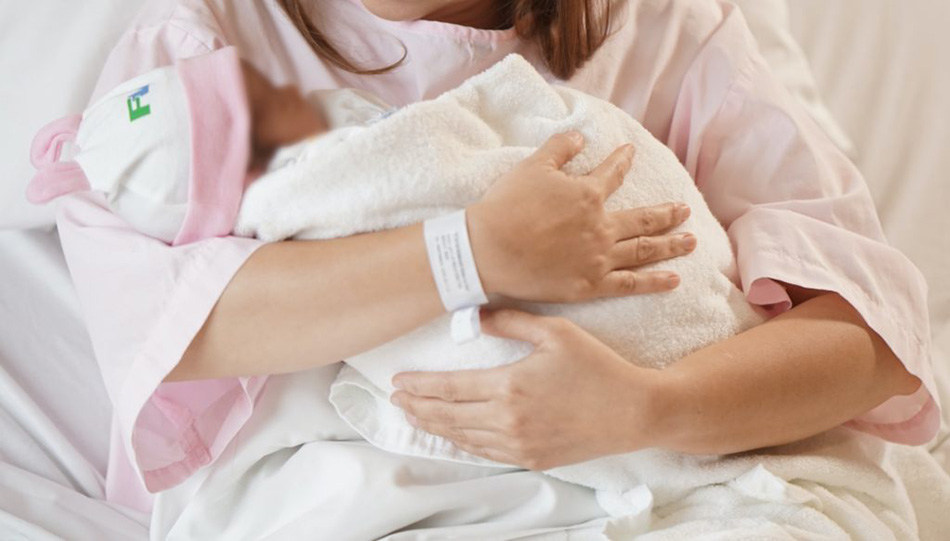
The baby was born healthy at FV Hospital.
After giving birth, Mrs H. underwent an MRI of the adrenal glands, which revealed a tumour in her right adrenal gland causing hyperaldosteronism and leading to her low potassium levels. After postpartum recovery, she was scheduled for surgery.
According to Dr Van, the successful outcome of this high-risk pregnancy was due to the close support of the FV medical team and the patient’s trust in their medical guidance.
Dr Van advises expectant mothers to prioritise regular prenatal check-ups. Even a high-risk pregnancy can result in a healthy outcome for both mother and baby when care is monitored and managed by experienced obstetricians. This care should take place at a medical facility with appropriate equipment and a skilled multidisciplinary team capable of managing complex pregnancies. Collaboration among specialists ensures the highest level of safety for both mother and child.
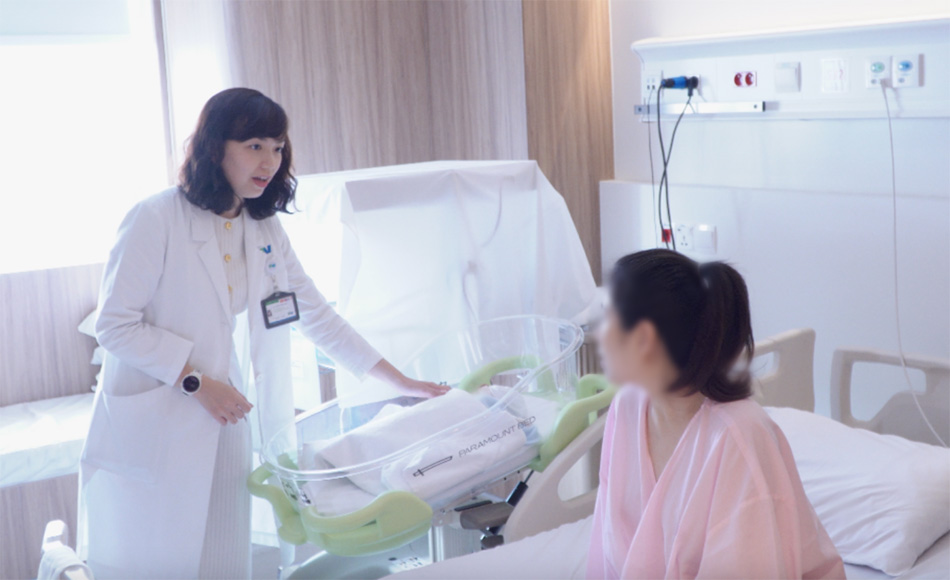
Dr Vo Thi Thanh Van provides postpartum care for both mother and baby.
With over 22 years of development, FV Hospital has successfully established an international-standard FV Thomson Maternity, trusted by families as the place to welcome their newborns. The experienced obstetrics team works closely with specialists from multiple disciplines to provide comprehensive care for both mother and baby.
Among them, Vo Thi Thanh Van, MD, MSc, is a specialist in high-risk pregnancy management. She graduated from Pham Ngoc Thach University of Medicine in 2016, earned a Master’s in Obstetrics and Gynaecology at the University of Medicine and Pharmacy, Ho Chi Minh City in 2020, and trained at Antoine Beclere Hospital, France, a leading centre for high-risk pregnancy care and foetal interventions.
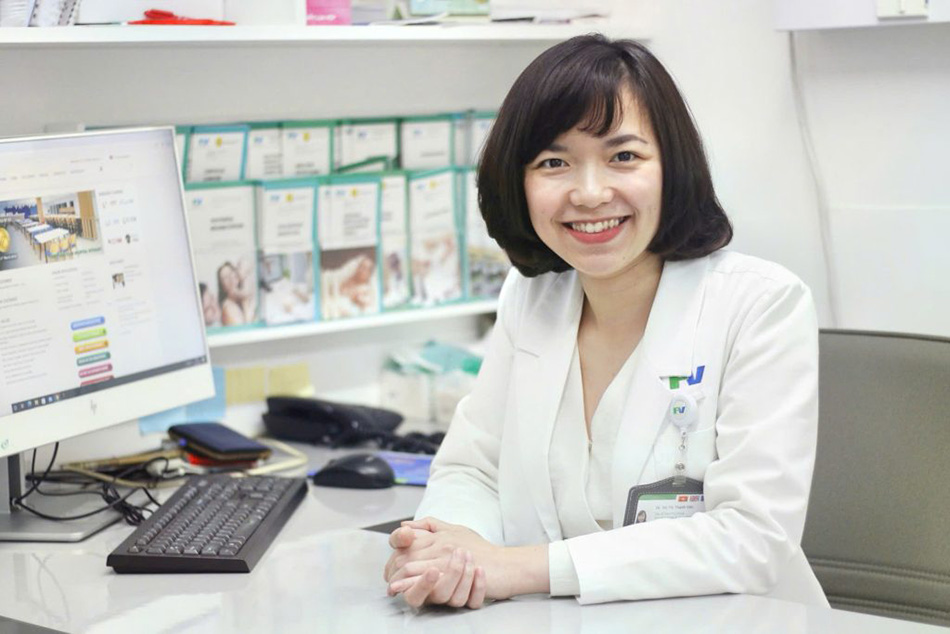
Vo Thi Thanh Van MD, MSc, specialist in high-risk pregnancy care at FV Thomson Maternity
For more information about prenatal care and delivery services at FV Thomson Maternity, FV Hospital, please call (028) 35 11 33 33 or visit 06 Nguyen Luong Bang, Tan My Ward (formerly District 7), Ho Chi Minh City.
Related News
See moreRelated News
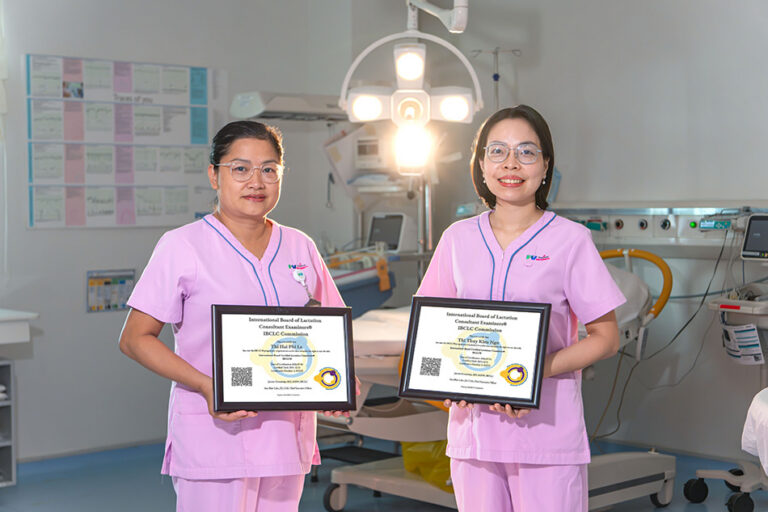
Two Vietnamese midwives attain international IBCLC certification in breastfeeding counselling
Two midwives from FV Thomson’s Maternity Department have earned IBCLC (International Board Certified Lactation Consultant) certification, the international credential for breastfeeding support specialists. This achievement represents a significant clinical milestone in infant feeding support at FV Hospital, driven by the real-world complexities these practitioners encounter daily when supporting mothers and their newborns. Beyond certification: A […]
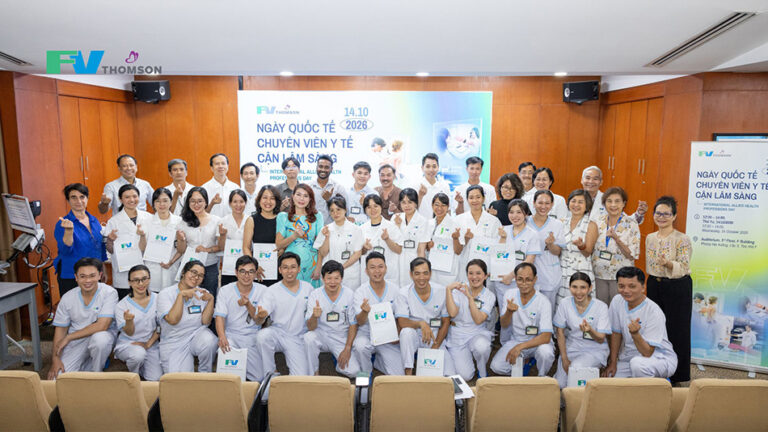
FV Hospital Celebrates International Allied Health Professions Day 2026
On 14 October 2026, FV Hospital held a special event to express its appreciation for allied health professionals. Attendees included members of the Board of Directors, heads of departments, and more than 40 allied health professionals and specialists. The event recognised the dedication of allied health professionals across a range of specialties, including Dietetics and […]
FV pioneers ERAS® implementation in Vietnam in line with international standards, supporting faster postoperative recovery
FV Hospital has become the first hospital in Vietnam to partner with Sweden-based Encare AB to implement the Enhanced Recovery After Surgery (ERAS®) programme. Through this partnership, FV joins Encare’s network of 22 hospitals in 11 countries across the Asia-Pacific region. The initiative aims to standardise surgical care according to international guidelines, leverage data to […]
The Pink Month 2026 at FV: Raising awareness and taking proactive care of breast health
Every year, millions of women worldwide are diagnosed with breast cancer. In 2024, an estimated 2.43 million new cases and nearly 694,000 deaths from breast cancer were recorded globally. In Vietnam, GLOBOCAN 2022 estimated 24,563 new cases, making breast cancer the most commonly diagnosed cancer among women. Behind these statistics are the individual health stories […]
Two Vietnamese midwives attain international IBCLC certification in breastfeeding counselling
FV Hospital Celebrates International Allied Health Professions Day 2026
FV pioneers ERAS® implementation in Vietnam in line with international standards, supporting faster postoperative recovery

