
Dermatology

Your Treatment Options

Medical, surgical and light-based treatment, planned by your dermatologist.

Our team provides comprehensive care for a wide range of skin conditions, from acne, eczema and infections to psoriasis, lupus and skin cancer. For skin cancer cases, our dermatologists work closely with specialists in Oncology and Head & Neck Surgery to coordinate assessment and treatment, particularly when complex surgery is required. This multidisciplinary approach helps ensure that care is tailored to each patient’s condition and needs.

Skin Surgery

Skin surgery includes procedures to diagnose skin conditions, remove unwanted or suspicious lesions, and treat certain skin cancers. Many minor procedures can be performed under local anaesthetic, allowing you to go home the same day.

The procedure depends on the type, size and location of the lesion. Some wounds can be closed with stitches, while larger or more complex wounds may need a skin flap or graft to help restore the appearance and function of the affected area.
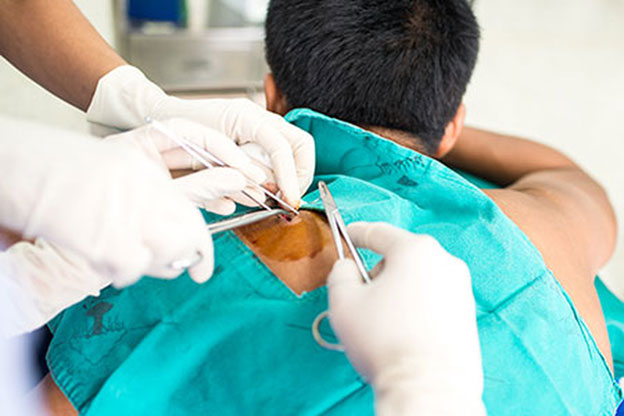
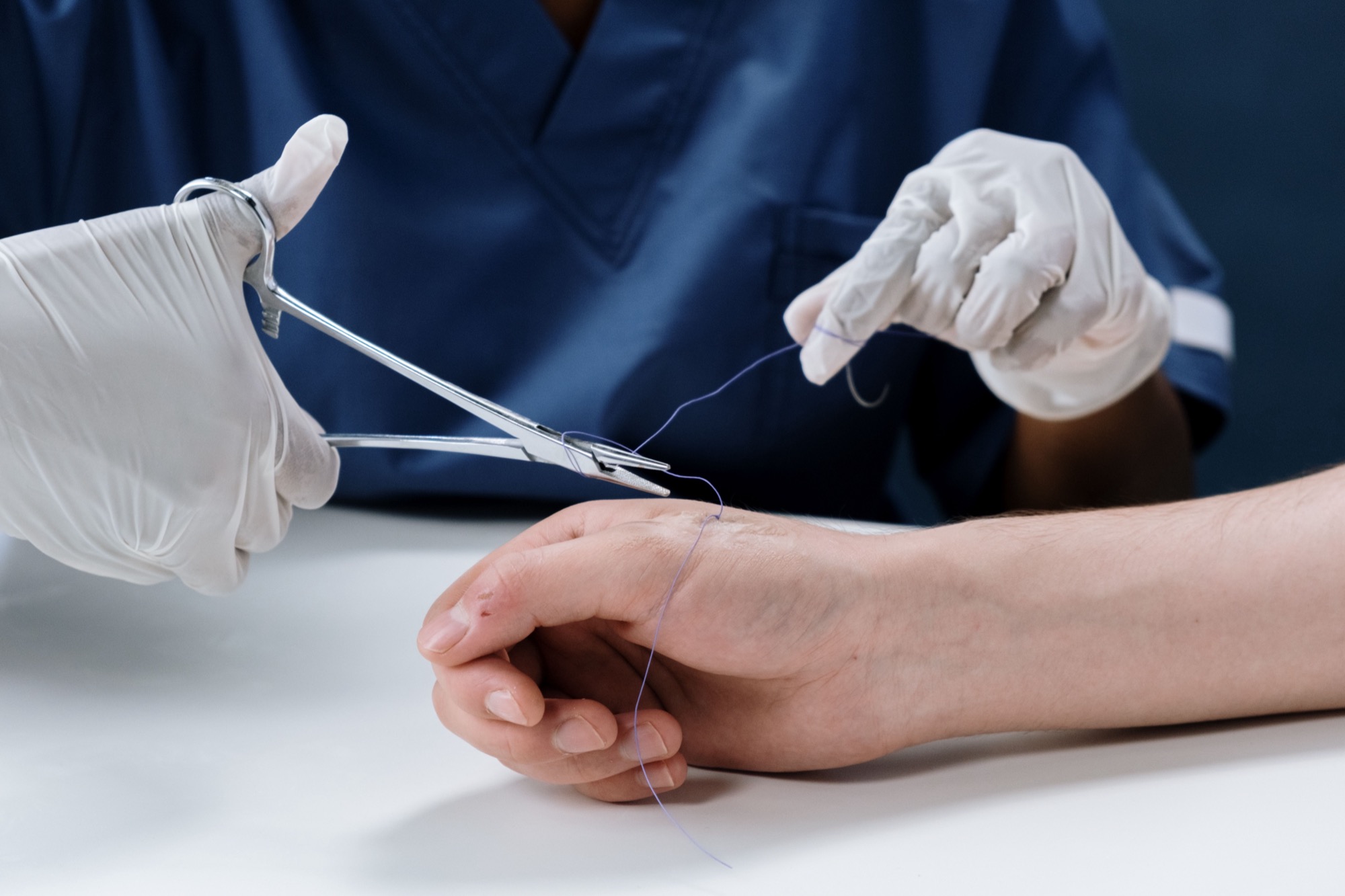
Skin surgery performed by a dermatologist at FV Hospital

When a rash or skin lesion cannot be diagnosed through examination alone, a skin biopsy can help identify the cause.

The area is numbed with a local anaesthetic before your dermatologist removes a small sample of skin. The sample is then sent to a laboratory, where it is examined under a microscope. Results usually take around 10 days, although some may take longer if additional tests are needed.

The methods we use:

  • Punch biopsy: Removes a small, round core of skin. It can help diagnose inflammatory skin conditions and rashes that have not yet been identified.
  • Shave biopsy: Removes a thin layer from the skin’s surface. It is suitable for selected raised or superficial lesions.
  • Incisional biopsy: Removes part of a larger lesion when a sample of the affected tissue is needed to establish a diagnosis.
  • Excisional biopsy: Removes the entire lesion so that the tissue can be examined under a microscope.

Skin lesions such as moles, cysts, warts and skin tags can be removed for medical, practical or cosmetic reasons. The most suitable method depends on the type, size and location of the lesion. Your dermatologist will assess it and recommend an appropriate treatment.

Depending on the lesion, removal may involve:

  • Shave removal: Removes a raised lesion close to the level of the surrounding skin.
  • Snip removal: Uses surgical scissors to remove skin tags.
  • Surgical excision: Removes the lesion, sometimes with a margin of surrounding skin, and the wound is usually closed with stitches. The tissue can be sent to a laboratory for examination when needed.
  • Electrosurgery or laser treatment: Uses electrical energy or a laser to remove or destroy selected lesions.
  • Cryotherapy: Uses liquid nitrogen to freeze selected lesions, such as warts.

If a lesion has changed in appearance or is suspected of being cancerous, your dermatologist may recommend surgical removal and laboratory examination to establish the diagnosis.

Skin lesion removal is usually performed under local anaesthetic, and most patients can go home the same day. Healing time varies depending on the procedure and the location of the lesion. A scar may remain, and your dermatologist will explain the expected recovery and any specific aftercare.

Skin cancer treatment requires a personalised approach based on the type, stage and location of the cancer. While surgery is the main treatment for many skin cancers, some patients may also need radiotherapy, chemotherapy, immunotherapy or targeted therapy.

At FV Hospital, specialists across Dermatology, Oncology and relevant surgical specialties, including Head & Neck Surgery, work together to coordinate care for patients with skin cancer. From removing the cancer and reconstructing the affected area to providing additional cancer treatments when needed, this multidisciplinary approach brings together the expertise and treatment options required to address each patient’s needs throughout their care journey.

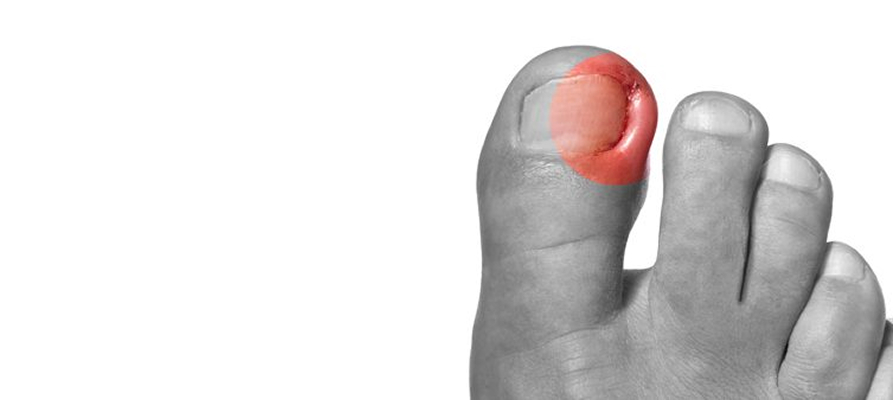
An ingrown toenail occurs when the edge of a nail grows into the surrounding skin, causing pain, redness and swelling. In some cases, the area may become infected. Treatment depends on the severity of the problem and whether it keeps coming back.

Illustration of an ingrown toenail
  • Lifting the nail edge: For a mild ingrown toenail with redness and pain but no pus, your doctor may gently lift the nail edge and place a small piece of cotton or another suitable support underneath it. This helps separate the nail from the surrounding skin as it grows.
  • Partial nail removal: If the nail is causing more severe pain or has become infected, your doctor may remove the part of the nail that is growing into the skin. Local anaesthetic is used to numb the toe before the procedure.
  • Partial nail avulsion with matricectomy: If the problem keeps recurring on the same toe, your doctor may recommend removing the affected strip of nail along with destruction of the corresponding part of the nail matrix by application of phenol. This helps prevent that section from growing back and becoming ingrown again.

These procedures are performed under local anaesthetic. With partial nail avulsion and matricectomy, the unaffected part of the nail is preserved. If the toe is infected, your doctor may also drain any pus or prescribe antibiotics when indicated.

After the procedure, you may experience some discomfort when putting pressure on the toe. Wear footwear that leaves enough room for the dressing, and follow your doctor’s wound-care instructions. Healing time varies, but many patients can return to work or school soon after the procedure. Your doctor will advise when it is appropriate to resume normal footwear and activities.

Phototherapy

Phototherapy is a medical treatment that uses carefully controlled ultraviolet (UV) light to help manage certain skin conditions by reducing inflammation and slowing excessive skin cell growth. It may be recommended for conditions such as psoriasis, vitiligo and selected cases of eczema.
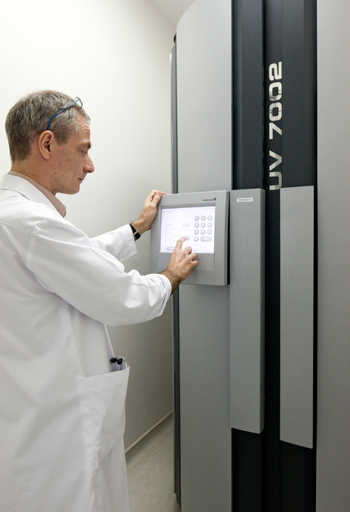
Phototherapy cabin at FV Hospital
  • Narrowband UVB (NB-UVB): uses a specific range of UVB wavelengths and is a commonly used form of phototherapy. It can help improve psoriasis and vitiligo and may also be considered for certain cases of eczema. At FV Hospital, NB-UVB treatment is delivered under medical supervision, with the dose adjusted according to your skin’s response.
    More about Narrowband ultraviolet B (NB-UVB) phototherapy
  • UVA: is another type of ultraviolet light used in dermatology, sometimes in combination with a medicine called psoralen (PUVA).
  • A sunburn-like reaction (most often because of individual sensitivity or a photosensitising medication taken without informing your doctor).
  • Itchy skin.
  • Skin dryness (this can easily be helped with moisturizing creams).
  • Tanning of the skin. This will fade over a few months after finishing treatment.
  • Premature ageing changes in the skin (e.g. dryness, freckling and wrinkling) may occur in patients who have had multiple courses of phototherapy for many years. They may also have a slightly increased risk of developing skin cancer in later life. Your doctor will have your skin type assessed and will discuss this as part of your consent process. Safe lifetime doses are monitored in the department.
  • Deterioration of the disease being treated. This may occur instead of improvement and your doctor will advise you of the risk of this happening.

Treatment Precautions

Follow your dermatologist’s instructions before and after each session, including skin care, sun protection and medication precautions.

For details, read our NB-UVB phototherapy guide.

Iontophoresis for Excessive Sweating

If your hands or feet sweat excessively (a condition known as hyperhidrosis), everyday activities such as handling paper, shaking hands or holding objects can become uncomfortable. Iontophoresis can help reduce sweating by passing a mild electrical current through water.
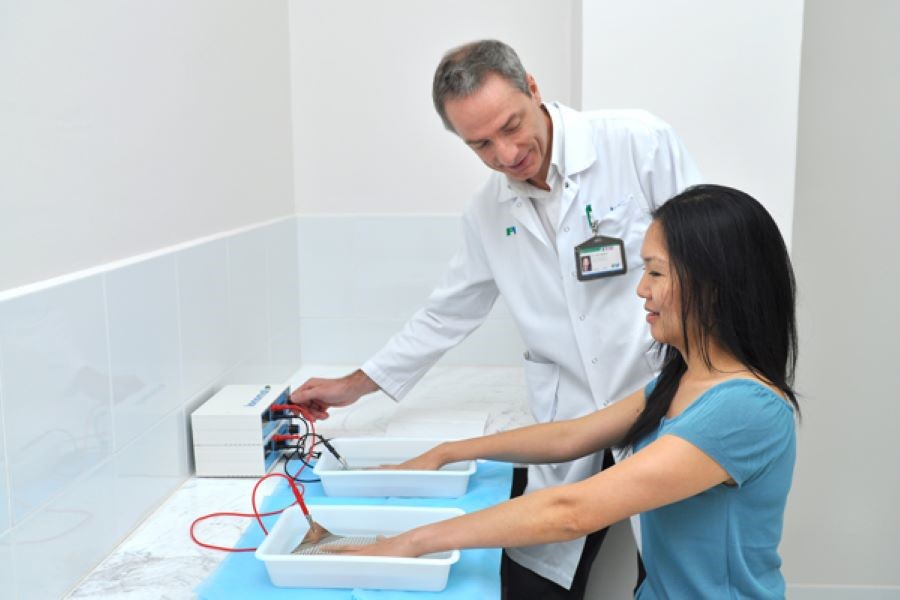
Iontophoresis treatment for excessive sweating at FV Hospital

During treatment, you place your hands or feet in shallow trays of tap water while a mild electrical current passes through the water. You may feel a slight tingling sensation, but the treatment is generally well tolerated.

Iontophoresis does not require medication. This may be helpful if you have experienced side effects from oral medicines for excessive sweating, such as dry mouth or blurred vision. The treatment helps control sweating rather than providing a permanent cure. A course of sessions is usually needed, followed by maintenance sessions to help keep sweating under control.

Psoriasis Treatment

Psoriasis is a chronic inflammatory skin condition that causes raised, red or discoloured patches covered with silvery-white scales. These commonly appear on the scalp, elbows, knees, hands, feet and legs. Psoriasis is not contagious, but it can cause persistent itching, discomfort and distress. Although there is currently no cure, treatment can help control symptoms and keep the skin clear for longer.
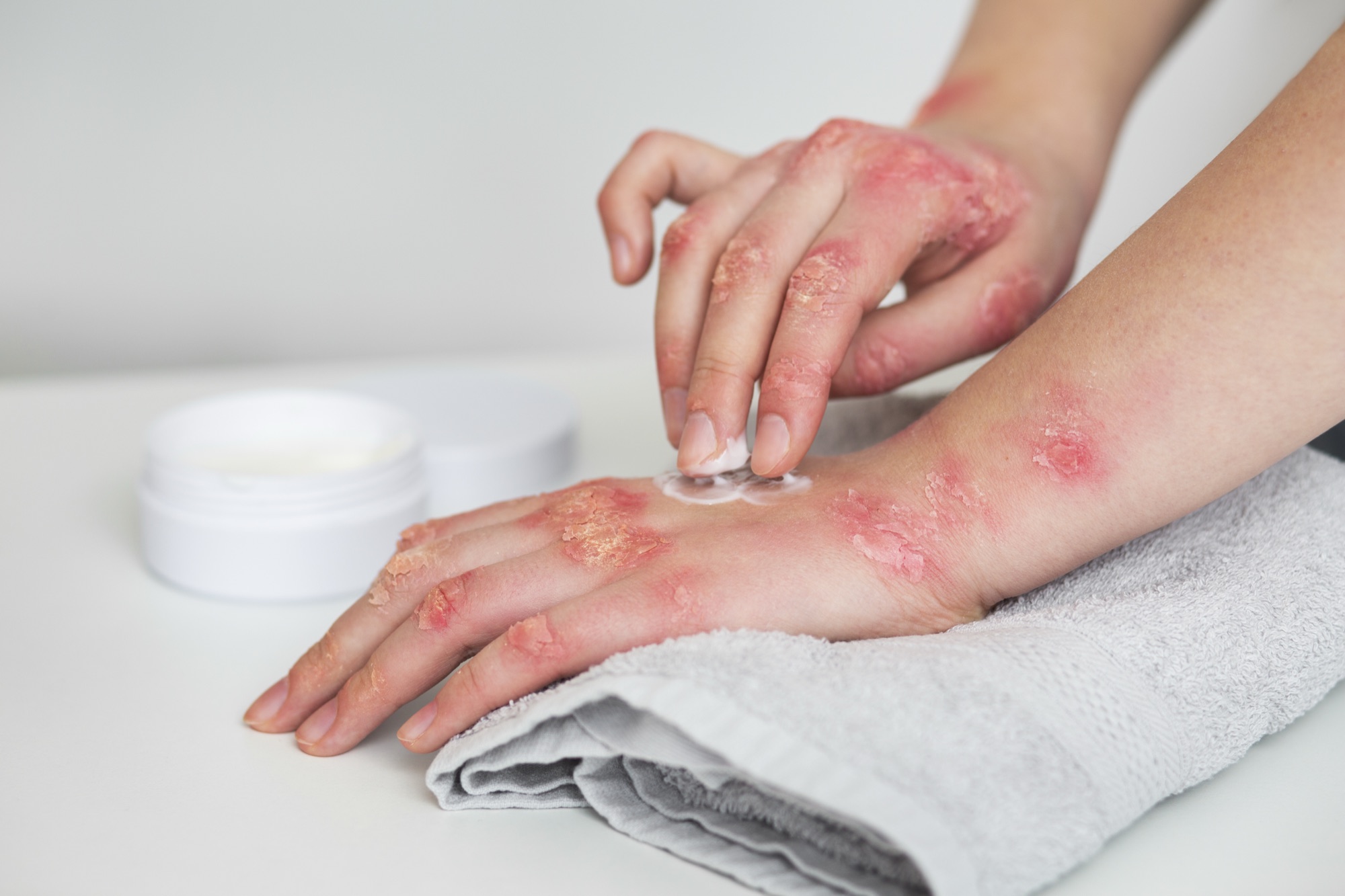
Hands with psoriasis plaques being treated with a topical cream

How to Treat Psoriasis

The right treatment depends on the type and severity of psoriasis, the areas affected and how the condition affects your daily life.

Treatment options may include:

Mild or localised psoriasis:

Creams or ointments applied directly to the affected skin.

More widespread psoriasis:

Phototherapy or oral medication may be recommended.

Moderate to severe psoriasis:

Biologic therapy may be considered when other treatments have not worked well enough, are unsuitable or cannot be used.
Topical corticosteroids are commonly used to treat psoriasis and can be effective when used as directed. However, using potent steroid creams for too long or on unsuitable areas of the body can cause side effects, including skin thinning and visible small blood vessels.

Avoid self-medicating with unknown creams or traditional remedies. Some products may contain undisclosed ingredients, including corticosteroids or other potentially harmful substances. If you have been using a product and are unsure what it contains, bring it to your appointment so your dermatologist can advise you.

Phototherapy uses carefully controlled ultraviolet (UV) light to help reduce inflammation and improve psoriasis. Unlike ordinary sunlight, the treatment is delivered at a prescribed dose under medical supervision.

During treatment, you stand in a cabinet fitted with UV lamps and wear protective goggles. A nurse adjusts the dose according to your skin’s response to previous sessions.

At FV Hospital, sessions are scheduled two or three times a week on non-consecutive days. A course for psoriasis usually lasts 7–10 weeks and your dermatologist will monitor your response and adjust the treatment as needed.

For moderate to severe psoriasis, biologic medicines may be considered when other treatments have not provided sufficient control or are unsuitable. These medicines target specific parts of the immune system involved in psoriasis, helping to reduce inflammation and control the disease.

  • Medicines available at FV: Fraizeron, Stelara and Tremfya are biologic medicines used to treat certain forms of psoriasis. They may also be prescribed for psoriatic arthritis, a condition in which psoriasis is associated with joint inflammation. Your dermatologist will select treatment based on your condition, medical history and previous response to treatment.
  • Personalised dosing: Each medicine follows its own dosing schedule. The interval between injections depends on the medicine and the stage of treatment.
  • Screening and monitoring: Before starting treatment, you will undergo appropriate assessments and tests. Your dermatologist will also monitor your health and response to treatment during follow-up visits.
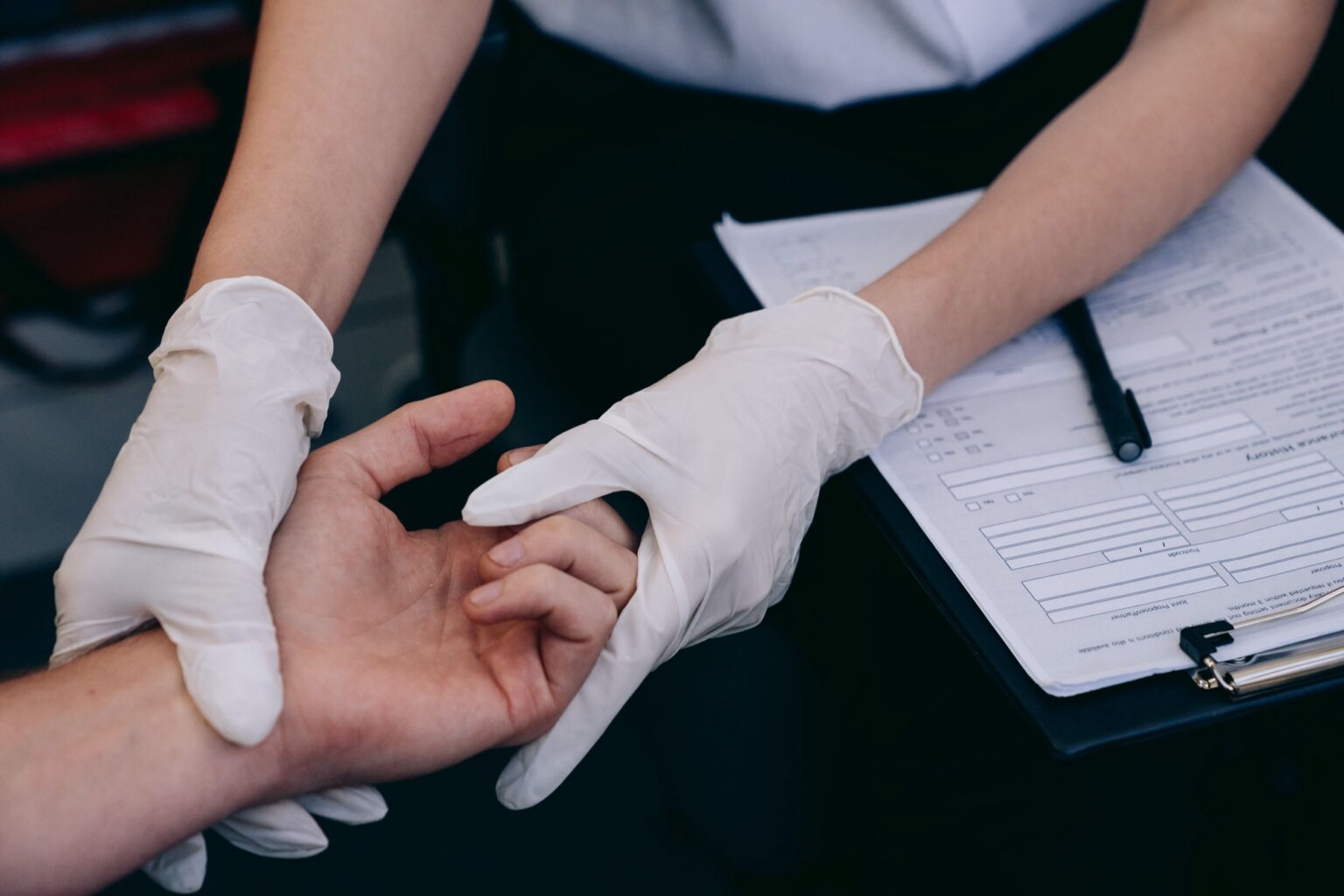
Doctor in gloves examining the skin of a patient's hand

Have a skin, hair or nail concern?

Book a consultation with our dermatologists

Book an Appointment
MessengerZalo