



Scar Revision Surgery
Improving keloids, hypertrophic scars, contracture scars resulting from trauma, burns, or surgery
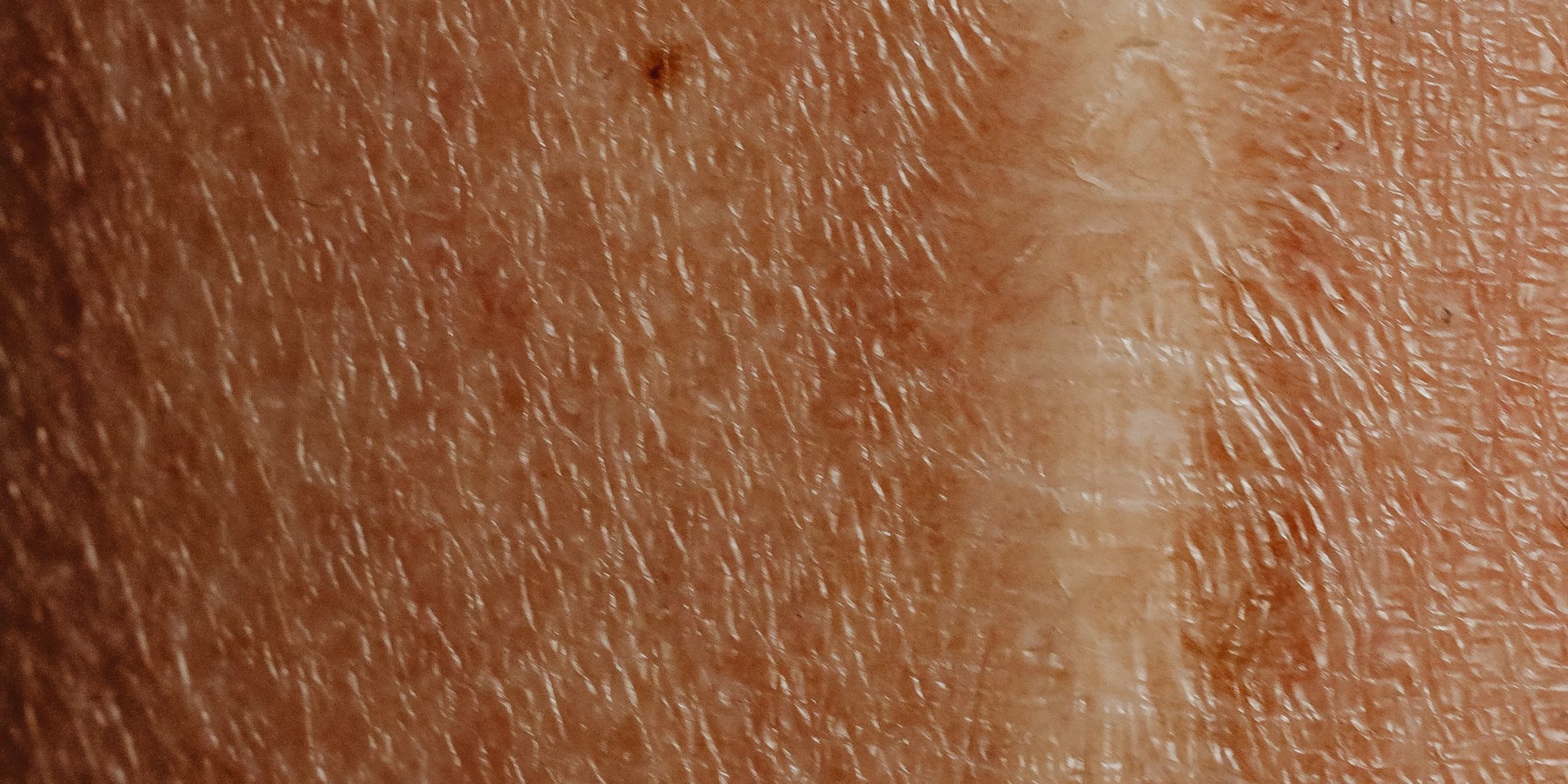
Scars can develop following acne, trauma, burns, or surgery. Depending on individual skin characteristics and the healing process, scars may present as depressed, raised, discoloured, or contracted, leading to skin asymmetry and occasionally causing pain, itching, or restricted mobility.
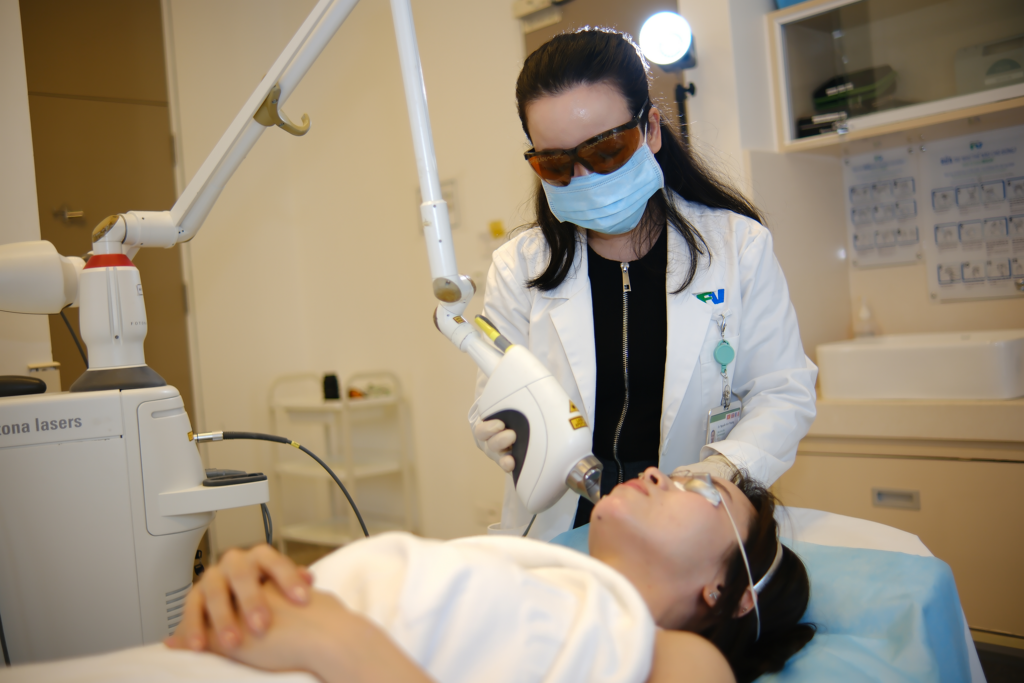
Scar treatments at FV Hospital aim to improve the appearance, colour, and texture of scars, making them less noticeable and blending them harmoniously with the surrounding skin. Based on the scar type, location, size, and severity, your doctor will advise an appropriate treatment approach, ranging from laser therapy to surgical intervention when necessary.
Which Types of Scars Can Be Treated?
Keloid and hypertrophic scars
Raised scars above the skin surface that may occasionally cause itching, pain, or tightness. Keloid scars can extend beyond the boundaries of the original wound, whereas hypertrophic scars typically remain within the initial wound margins.
Atrophic and pitted scars
Depressed skin surfaces caused by inadequate underlying tissue recovery, commonly occurring after acne or certain skin injuries.
Hyperpigmented and discoloured scars
Areas of skin that appear darker or redder than the surrounding tissue, making the scar more noticeable.
Contracture and unsightly scars following trauma, burns, or surgery
Scars that can distort the skin architecture or pull on surrounding tissues, sometimes restricting mobility.
Effective Scar Revision Techniques
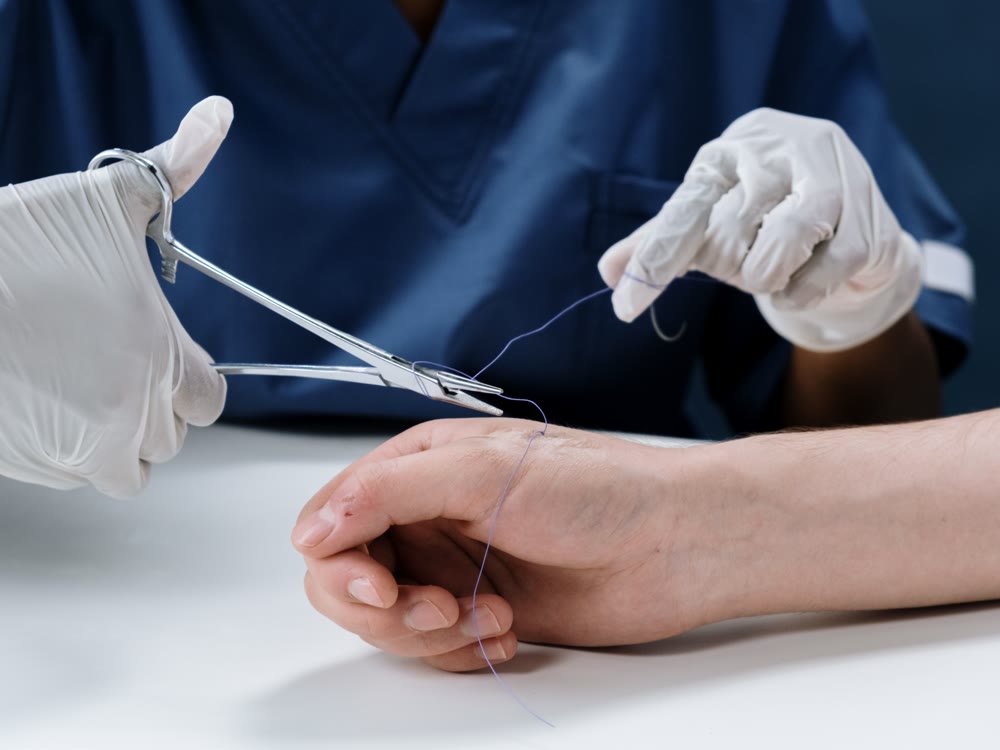
Depending on the scar type, location, and severity of the tissue damage, your surgeon may employ various techniques to enhance scar appearance and release scar contractures:
-
Scar excision and re-suturing: Removing the necessary scar tissue and closing the incision using specialised suturing techniques to improve the alignment and appearance of the scar line.
-
Z-plasty: Reorienting the scar direction and releasing tension, particularly in areas where maintaining skin flexibility is essential.
-
W-plasty: Converting a linear scar into a zigzag pattern to break up the scar line and make it less noticeable, commonly considered for facial scars.
-
Flap surgery or skin grafting: Indicated for complex contracture scars or significant skin deficits, where simple scar excision alone is insufficient for tissue restoration.
Key Notes for Scar Revision Surgery
-
Realistic expectations: Surgery aims to improve the contour, width, or orientation of a scar, rather than eliminate it completely. Following surgery, a new scar line will form, requiring several months to mature and settle.
-
Risk of scar recurrence: Individuals prone to keloid or hypertrophic scarring require thorough evaluation prior to surgery. In certain cases, adjunctive therapies may be combined with surgery to minimise the risk of recurrence.
-
Postoperative care: You must keep the incision site clean, avoid placing tension or excessive force on the surgical area, protect the scar from direct sunlight, and attend all follow-up appointments. Your doctor will provide tailored post-care instructions based on the scar’s location and type.
-
Monitoring the healing process: Mild swelling, bruising, redness, or discomfort are expected during the initial phase. However, if you experience intensifying pain, increasing swelling with warmth, abnormal discharge, or signs of wound dehiscence, you should contact the hospital immediately for evaluation.

Looking for the right aesthetic treatment?
Contact us for consultation and appointment booking
Make an Appointment
