Plastic Surgery & Cosmetics

Facial Contouring & Aesthetics

Restoring refined, harmonious contours and reversing facial ageing.

Rhinoplasty & Revision Rhinoplasty

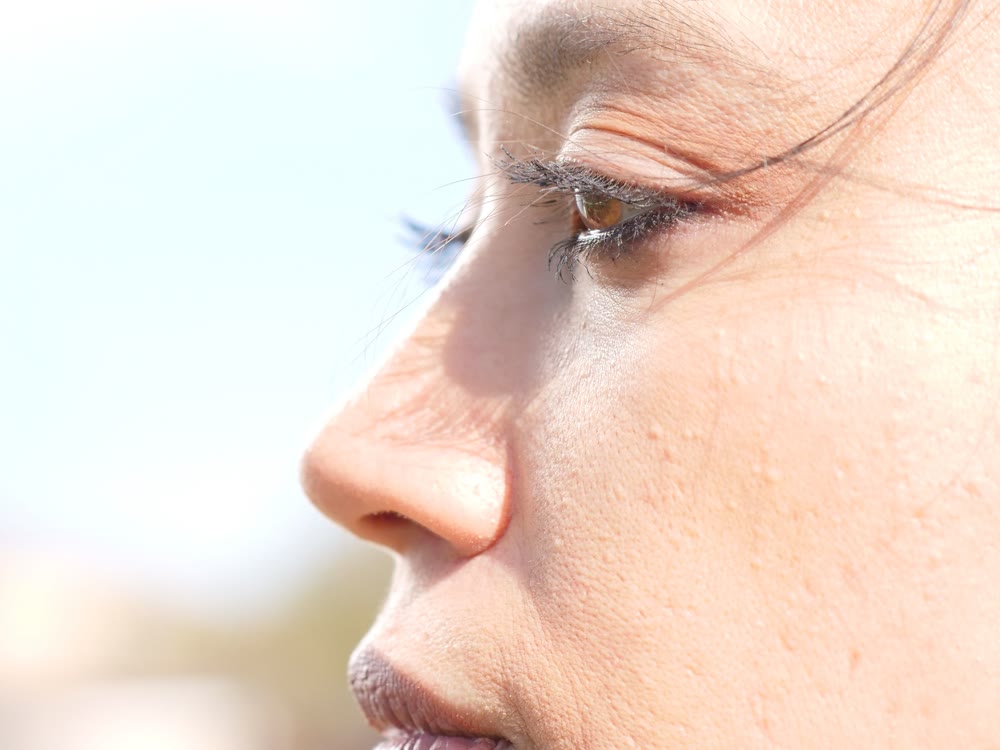
Woman with a refined nose profile

This is one of the most sophisticated and advanced techniques in reconstructive rhinoplasty. The procedure utilises 100% autologous rib cartilage from the patient to completely reconstruct the nasal septum, build a sturdy columellar strut, and shield the nasal tip, while sculpting an elegantly elevated nasal bridge.
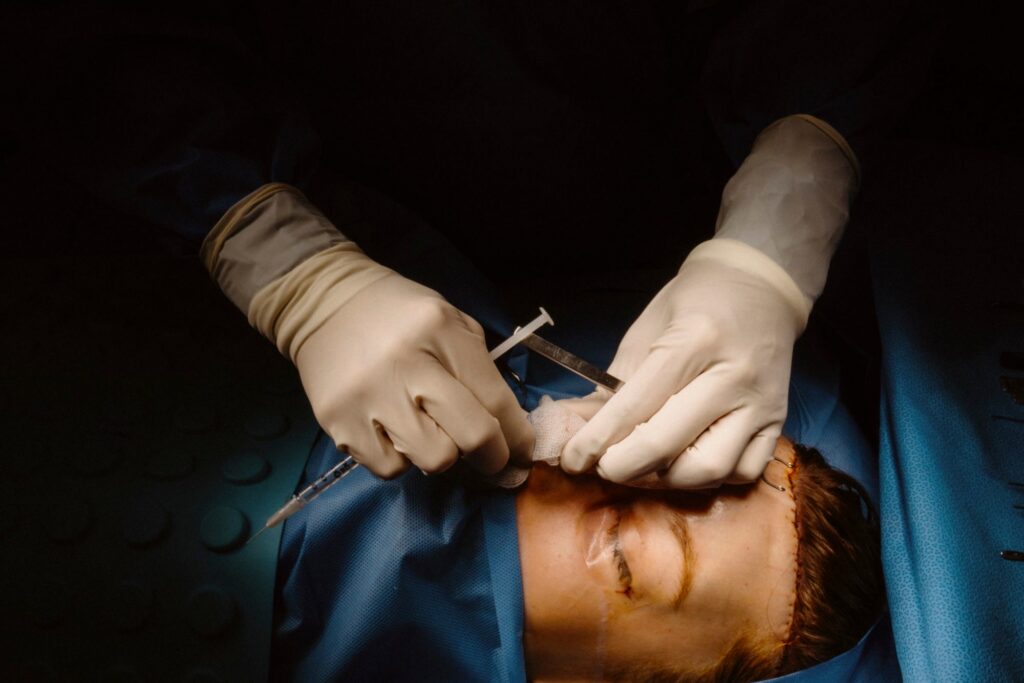
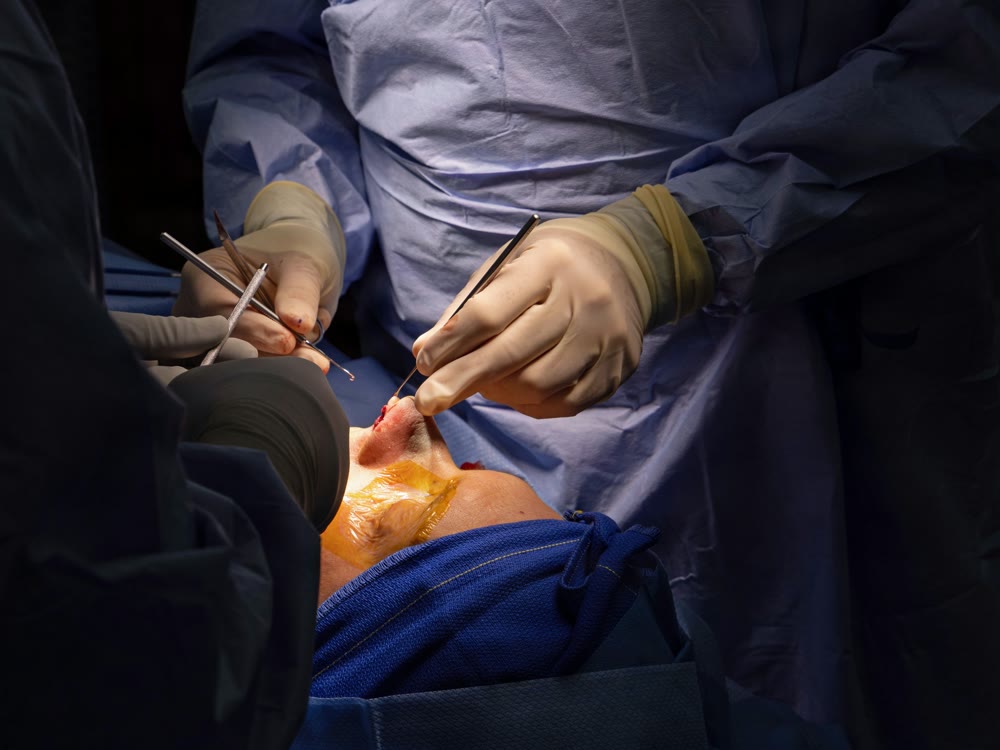
Surgeon performing a facial cosmetic procedure

Notably, Plastic Surgery & Cosmetics Department – FV applies a specialised septal fixation suturing technique that completely eliminates the need for traditional nasal packing, allowing patients to maintain clear airways and breathe comfortably immediately upon awakening from anaesthesia.

This procedure is the optimal solution for both men and women desiring a golden-ratio nasal profile (a delicate S-line or a masculine L-line). It is particularly suitable for short or pinched noses, a weak nasal columellar, or complex cases involving failed previous surgeries elsewhere that resulted in deformities or capsular contracture. The surgery must be performed under general anaesthesia in a sterile operating theatre, taking approximately 2.5 to 3.5 hours (including micro-dissection for rib cartilage harvesting and nasal reconstruction).

Because the procedure involves two surgical sites (the rib donor site and the nasal region), it requires a longer recovery period than minor aesthetic procedures. The rib harvesting site leaves a small scar of about 3 cm, discreetly concealed within the inframammary fold (fading over time), and patients may experience mild tightness in the chest and nasal area during the first few days.

Patients will stay overnight at the hospital for approximately two nights for close medical monitoring and dedicated post-operative care. Swelling and bruising will gradually subside over 1 to 2 weeks, with suture removal scheduled after 14 days. Patients can resume light daily activities after 1 to 2 weeks, but must avoid physical impact to the nose and strenuous physical exercise for the first 4 to 6 weeks.
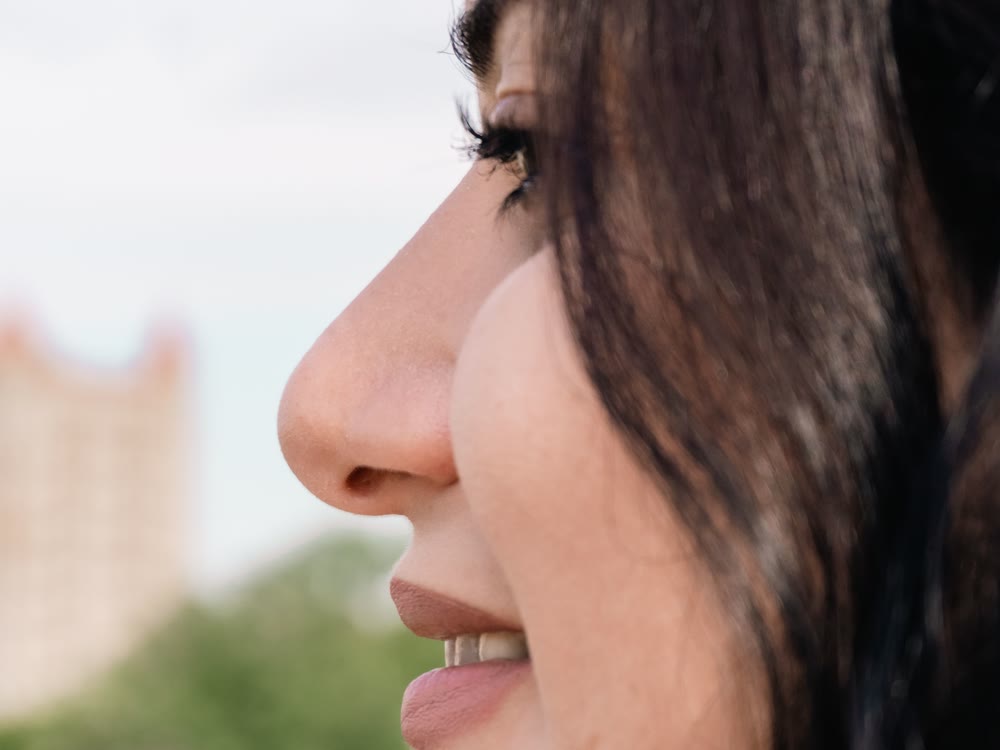
Synthetic cartilage rhinoplasty is a surgical procedure that uses biocompatible shaping implants to enhance the height and contours of the nasal bridge, creating a nasal shape that is balanced and harmonious with the face.

Woman smiling in side profile

Synthetic cartilage, such as silicone, may be considered when the primary objective is to elevate the nasal bridge and refine nasal contours in patients with suitable nasal structures. These implants can be customised to achieve the desired nasal shape. However, the choice of material depends on skin thickness, the condition of supporting tissues, and the nasal tissue’s capacity to cover the implant.

Synthetic cartilage rhinoplasty carries potential risks such as infection, implant displacement, visible implant edges, or damage to the overlying nasal skin. Patients may also experience swelling and bruising, or require revision surgery.

At FV, this surgery may be performed as a day-surgery procedure when clinically appropriate and permitted by medical evaluation. Patients can be safely discharged on the same day if post-operative safety criteria are met.

A dorsal hump, saddle deformity, or irregular nasal bridge can disrupt overall facial harmony. Reconstructive rhinoplasty is an effective procedure to correct these aesthetic imperfections by reshaping the bridge contours and structural support where needed. Depending on individual clinical assessments, the surgeon may reshape the nasal bone and cartilage or introduce graft materials to achieve a more balanced nasal profile.

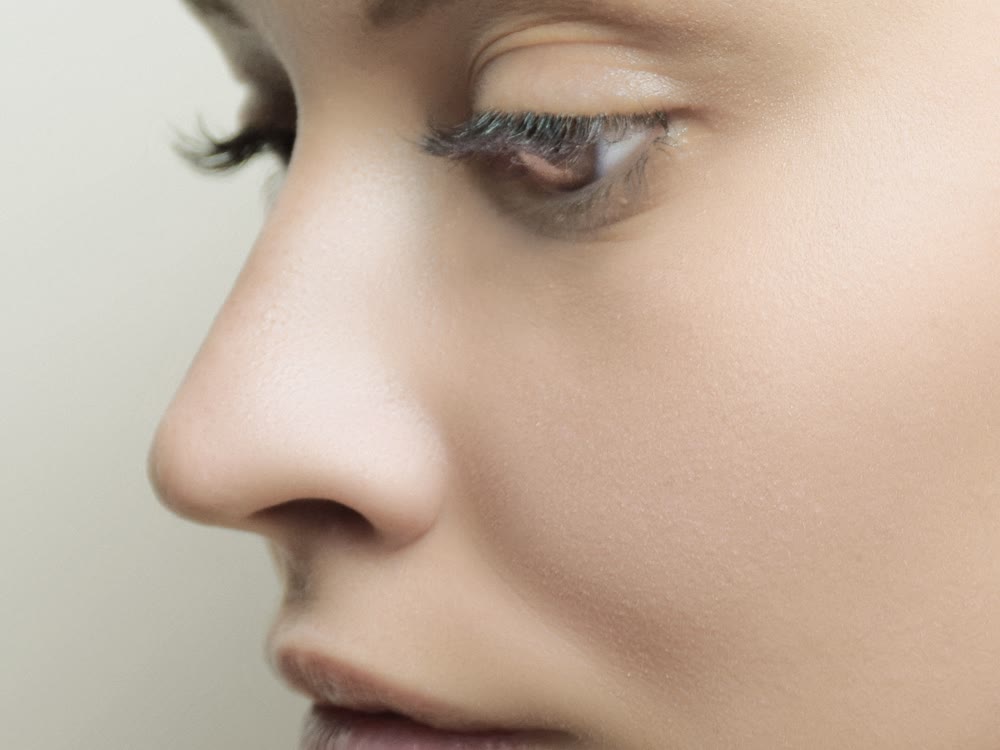
Close-up of the nasal bridge in profile

Not all cases of dorsal humps or saddle deformities require ear cartilage grafting. When clinically indicated, the surgeon will utilise autologous ear cartilage harvested from the patient to reshape or reinforce the tissue cushion at the nasal tip. Ear cartilage enhances the coverage between the skin and the underlying implant or framework, effectively reducing the risk of implant visibility, redness, or damage to the overlying tip skin.

Key Considerations for Ear Cartilage Grafting:

  • Ear cartilage possesses a natural curvature, is relatively soft, and provides a limited yield; therefore, it is unsuitable as a total replacement for cases requiring substantial bridge reconstruction or major structural support.
  • Harvesting ear cartilage may cause localised pain, swelling, minor scarring, or subtle changes in ear shape. The transplanted cartilage may also warp, undergo partial resorption, or fail to achieve the desired contour.

Wide nasal alae (nostrils) or a bulbous, rounded nasal tip can detract from the overall elegance of the nasal profile. We offer specialised surgical techniques for alar reduction and tip refinement to adjust nostril width, reshape and reduce tip size, and create a more slender, harmonious contour with the face.

Close-up of the nose and nasal tip

Key Considerations for Alar & Tip Reduction:

  • Potential Scarring: The location and visibility of scars depend on the specific surgical technique, individual healing responses, and post-operative care.
  • Preservation of Nasal Function: Excessive reduction may deform the nasal alae or compromise airway passage. Therefore, adjustments must carefully balance aesthetic goals with respiratory function.

Revision rhinoplasty is performed to correct deformities or complications resulting from previous nasal surgeries, such as a deviated nasal bridge, a contracted nasal tip, or capsular contracture affecting the shape of the nose.

Surgeon performing nasal surgery

Depending on the extent of deformity and the condition of the nasal tissue, the surgeon will thoroughly evaluate the existing structure to design a tailored surgical plan. Some cases may require partial or total nasal reconstruction, combining autologous cartilage or suitable graft materials to reinforce structural support.

Previously operated noses often present with scar tissue and compromised blood supply, making revision procedures significantly more complex than primary rhinoplasty. Consequently, aesthetic outcomes and recovery timelines vary between individuals.

Facelift & Temporal Lift

Woman with smooth, lifted facial skin

The SMAS facelift is an advanced facial rejuvenation surgery that targets the Superficial Musculoaponeurotic System (SMAS), a critical supportive tissue layer located beneath the skin.

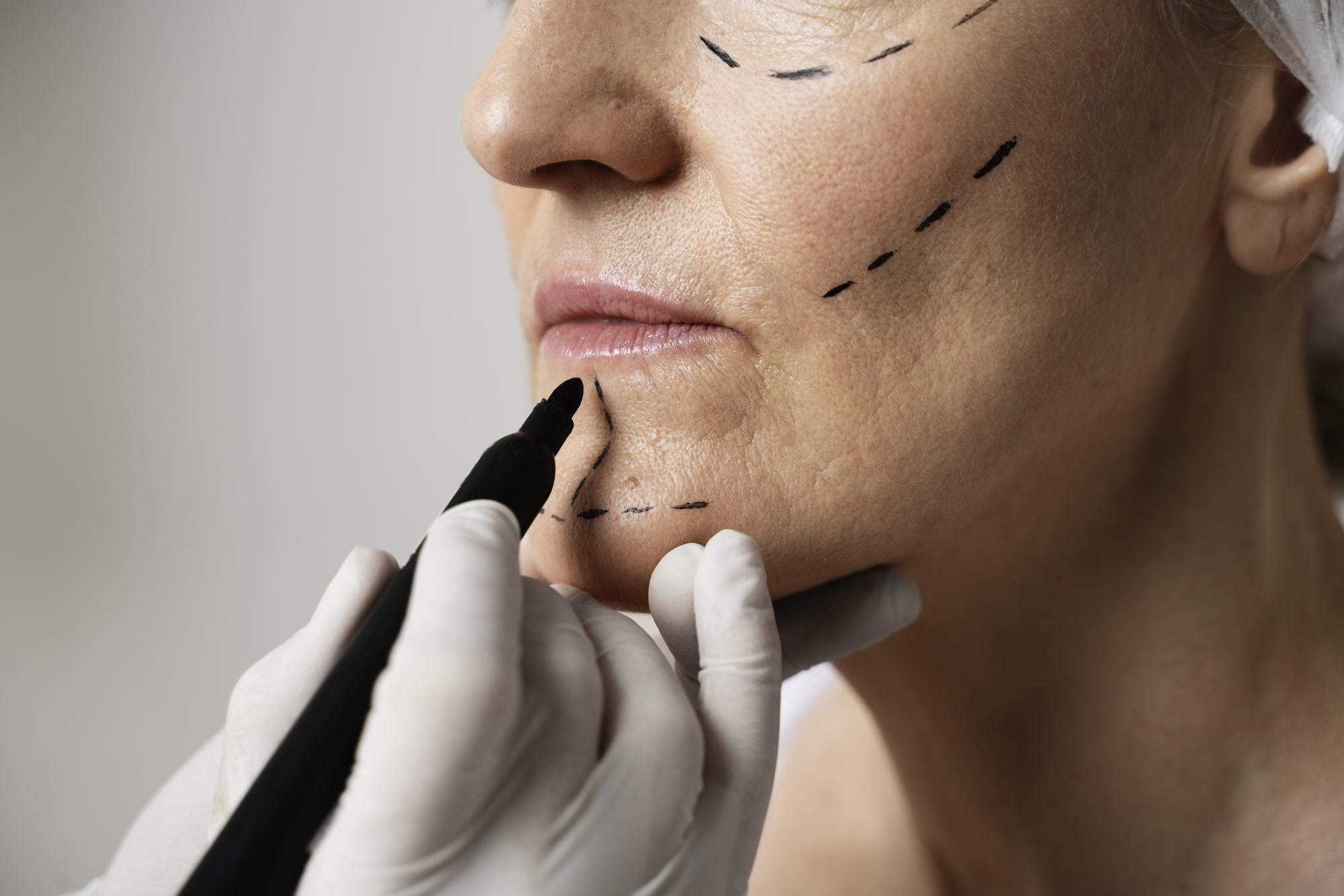
Surgical markings for a facelift

This procedure is typically considered for both men and women aged 45 and above, as well as individuals exhibiting pronounced signs of ageing, such as sagging facial and neck skin, deep wrinkles, or loss of jawline definition.

Advantages of SMAS Facelift Surgery at FV:

By repositioning the underlying supportive tissue layer rather than merely stretching the surface skin, this technique avoids an over-tightened or unnatural facial appearance.

Surgical incisions are discreetly placed around the ear and may extend into the hairline, making post-operative scars virtually imperceptible.

The surgery is performed in a sterile operating theatre, supported by an expert anaesthetic team and dedicated post-operative care within a JCI-accredited hospital committed to international quality and safety standards.

Facelift surgery is a major surgical procedure requiring general anaesthesia prior to operation and a hospital stay of 2 to 3 nights for dedicated monitoring and post-operative care. Suture removal is typically scheduled after 8 to 10 days. Patients can resume normal work after 1 to 3 weeks, but must avoid strenuous physical activity to allow for complete recovery.

SMAS facelift surgery carries potential risks of complications, including haematoma, infection, abnormal scarring, nerve injury, or facial asymmetry. At FV, patients undergo thorough pre-operative health evaluations and rigorous post-operative monitoring to ensure early detection and prompt management of any potential issues.

The Deep Plane facelift is an advanced surgical technique that repositions deeper facial tissue naturally without distorting facial expressions. This procedure helps reverse years of ageing, redefining a sharp jawline and thoroughly addressing mid-face sagging, such as deep nasolabial folds and sunken cheeks.

Facial and neck markings before a facelift

Advantages of Deep Plane Facelift Surgery at FV:

This technique releases key facial retaining ligaments, allowing the repositioning of deeper structural tissues to lift sagging cheeks, jawline, and neck without relying solely on skin tension.

Surgical outcomes can endure for many years, depending on individual tissue characteristics, natural ageing processes, and lifestyle.

Surgical incisions are strategically placed around the ears and within the hairline to minimise visible post-operative scarring once healed.

The Deep Plane facelift is typically considered for both men and women aged 45 and above, or individuals exhibiting pronounced signs of ageing, significant sagging in the mid-cheek and neck regions, and a poorly defined jawline. This procedure may be chosen when minimally invasive treatments or conventional facelifts fail to achieve the desired level of improvement.

The Deep Plane facelift is an advanced and complex surgical technique in facial plastic surgery, requiring a longer recovery period compared to other facelift methods. Although rare, the surgery carries potential risks such as fluid accumulation (seroma), prolonged bruising, temporary sensory reduction in the cheek or ear area, or hypertrophic scarring, depending on individual healing responses.

A temporal lift is a surgical procedure that elevates the tissues in the temporal region, specifically targeting the outer tail of the eyebrows and outer corners of the eyes. This helps create a more refreshed, youthful appearance and an open, rested gaze.

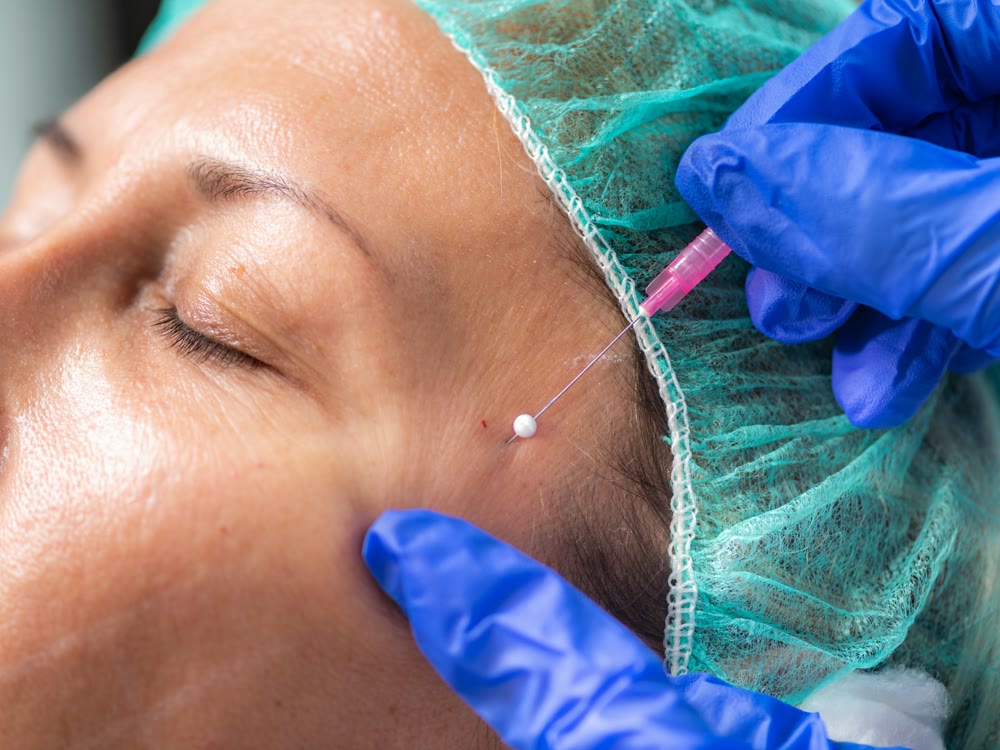
Thread lift procedure at the temple

Surgical incisions are discreetly placed within the temporal hairline to minimise visible post-operative scarring. Based on individual eyebrow position, skin elasticity, and facial structure, the surgeon will assess whether a temporal lift is suitable to achieve a natural, harmonious result.

Facial Contouring & Rejuvenation
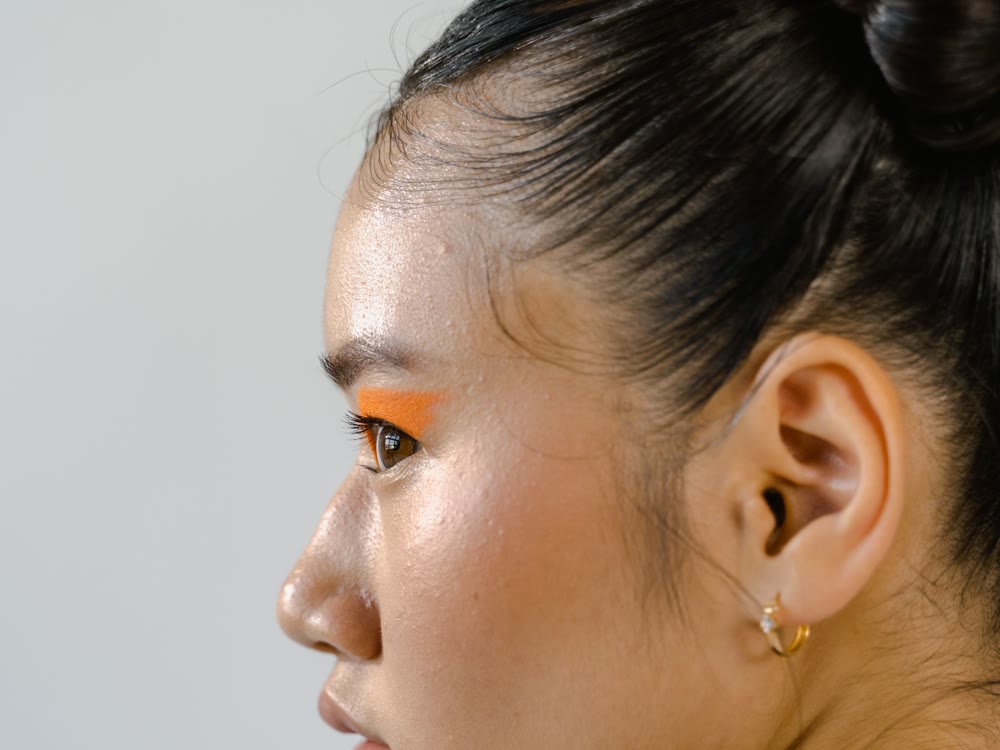
Refined chin and jawline

“Salmon DNA” is a common aesthetic term for products containing active compounds derived from the DNA of salmon or trout, typically belonging to the Polynucleotide (PN) or Polydeoxyribonucleotide (PDRN) group.

These active compounds are widely researched and applied in aesthetic dermatology to stimulate cellular restoration and nourish the skin at a cellular level.

Close-up of smooth facial skin

Key Benefits of Salmon DNA Injections:

Deeply hydrates and nourishes the skin, promoting a smoother, softer texture

Supports the skin’s natural regenerative and healing processes

Fades scars and improves the overall surface texture of scarred areas

Restores thin, compromised skin caused by corticosteroid overuse

Chin augmentation with silicone implant is a surgical procedure that utilises a solid silicone implant placed in the chin area to increase projection and enhance facial contours. This procedure is suitable for individuals with a short chin, a recessed chin, or facial disproportion, helping to create a more refined and balanced chin profile.

Side profile showing the chin

As with any surgical procedure involving implantable materials, chin augmentation carries potential risks, including infection, bleeding, localised swelling and pain, altered sensation in the chin region, implant displacement, or asymmetry. In certain cases, revision surgery or implant removal may be required.

Submental liposuction is a cosmetic surgical procedure that utilises a specialised cannula to remove targeted subcutaneous fat deposits, enhancing the contours of the chin, neck, and jawline profile.

Chin and neck contour

This procedure is suitable for individuals whose double chin is primarily caused by localised excess fat while maintaining relatively good skin elasticity. Prior to surgery, the surgeon will assess the volume of fat, skin elasticity, and underlying chin structure to determine the appropriate degree of fat removal. If significant skin laxity is present or if the double chin stems from jaw bone structure, alternative or combination procedures may be recommended.

Following surgery, the chin and neck areas may experience initial swelling, bruising, or tightness. Final results become increasingly apparent as swelling subsides and the tissues stabilise. The overall extent of improvement depends on individual anatomical characteristics and the healing process.

Dimple creation, or dimpleplasty, is a minor cosmetic procedure that creates a small indentation on the cheek by placing an internal suture to anchor the deep layer of skin to the underlying muscle, typically through a small incision inside the mouth. When you smile, the anchored skin draws inward, creating a charming accent to your smile without leaving any external facial scars.

Smiling woman

Dimpleplasty is generally a straightforward day-surgery procedure performed under local anaesthesia, requiring no overnight hospital stay.

However, as the incision is located inside the oral cavity—an environment naturally rich in bacteria—the procedure carries inherent risks, and outcomes depend heavily on precise tissue anchoring and individual healing.

Potential complications include infection, swelling, pain, asymmetry, excessively deep dimples, or persistent indentations even when the face is at rest. Dimples may also fade or disappear over time, occasionally requiring revision.

Oculoplastic & Eye Rejuvenation Surgery

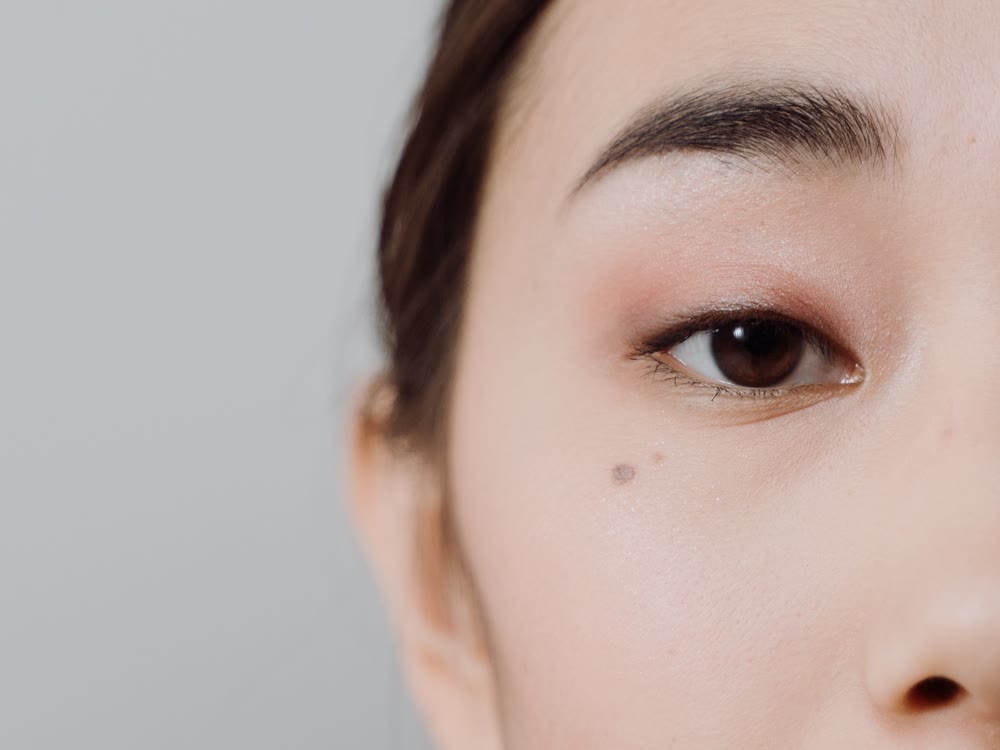
Woman with bright, youthful eyes

FV Hospital offers a comprehensive range of surgical eye rejuvenation solutions to restore a more youthful, refreshed, and naturally harmonious appearance to your eyes and facial features.

Many eye rejuvenation procedures can be performed as day surgery, allowing you to return home on the same day without an overnight stay, provided your general health permits.

Prior to surgery, you will receive a detailed consultation and evaluation with our specialist surgeon to assess your eyelid anatomy, skin condition, and overall health status.

Following treatment, your surgeon will provide clear instructions on post-operative eye care, swelling and bruising management, and your follow-up appointment schedule. Whether undergoing a minor procedure or a complex revision surgery, strict adherence to these care guidelines is essential to achieving optimal healing and aesthetic outcomes.
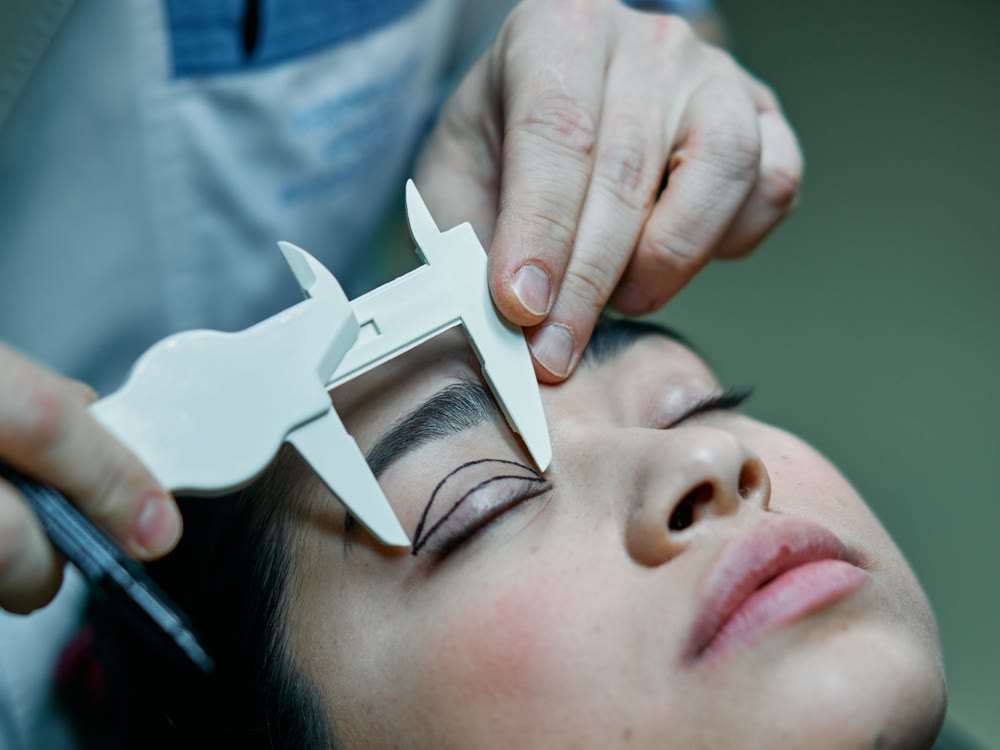
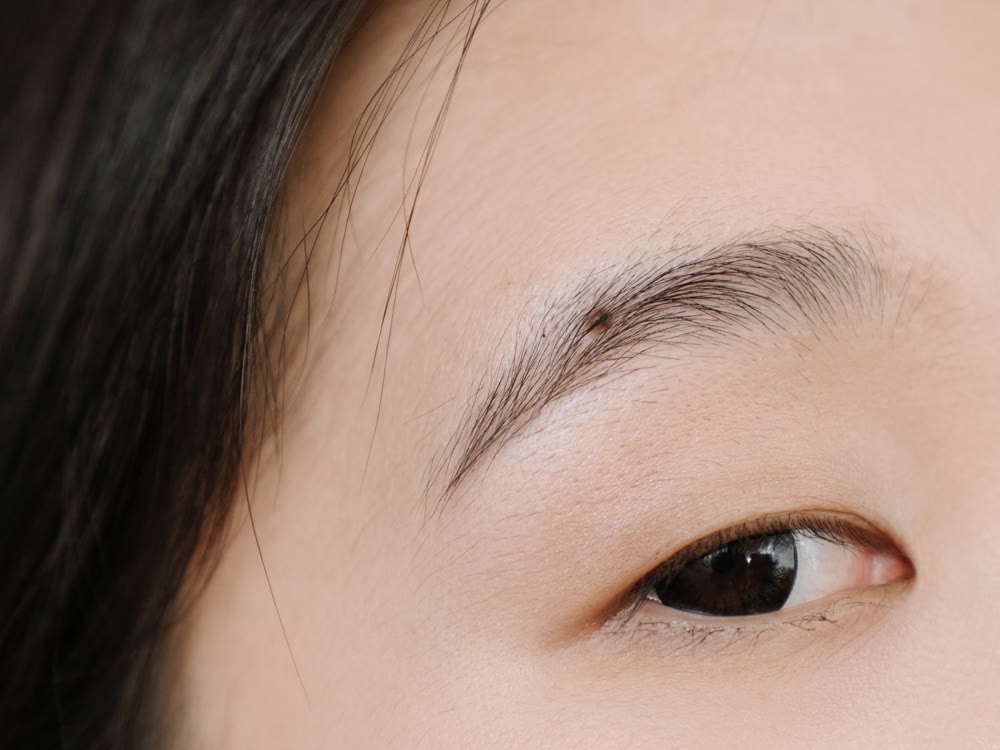
Eyelid surgery helps correct concerns such as skin laxity, upper eyelid drooping caused by excess skin, and lower eyelid fat bags. Depending on your individual condition, the surgeon may remove excess skin or reposition fat deposits in the upper and lower eyelids, restoring a refreshed, clean, and youthful contour to the eye area.

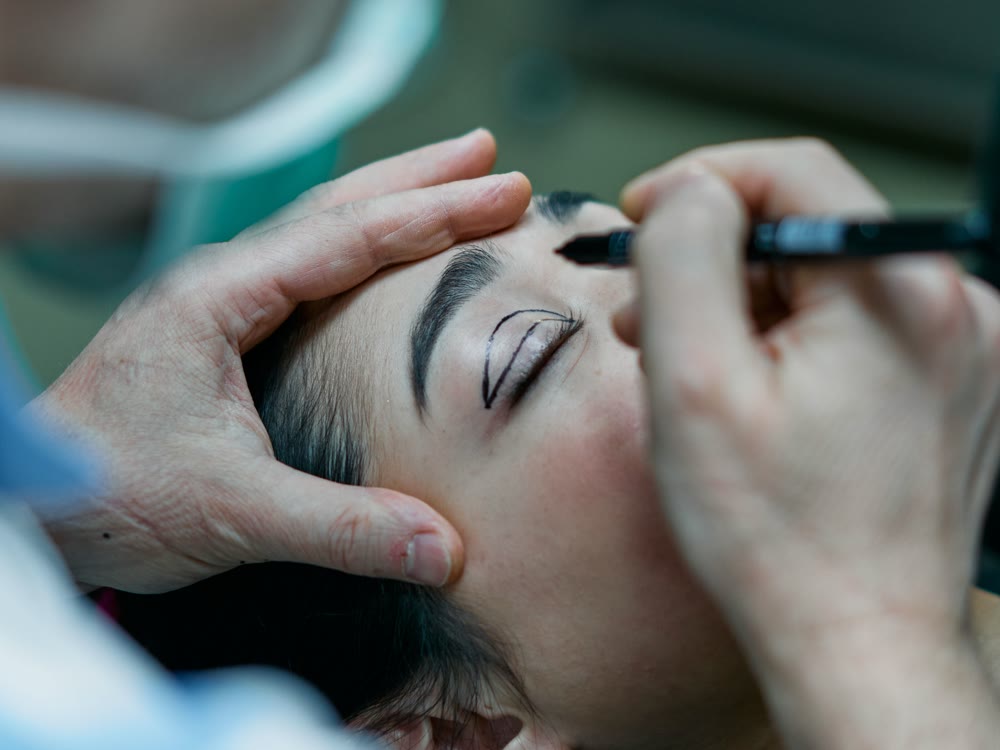
Eyelid measurement before blepharoplasty

Double eyelid stitching is a non-incisional procedure that creates a double eyelid crease using suture threads without requiring skin incisions like traditional blepharoplasty. This procedure is suitable for individuals with relatively minimal excess skin and fat who wish to achieve a more defined eyelid crease without surgical tissue removal. Following the procedure, mild eyelid swelling may occur, which typically subsides within a few days.

Close-up of the eye and eyelid crease

Over time, the skin surrounding your eyes may lose its elasticity, causing the eyebrows to sag and upper eyelid skin to appear heavy and droopy, giving the eyes a tired or prematurely aged appearance. Brow lift surgery elevates the eyebrows, corrects brow ptosis, and reduces upper eyelid hooding, restoring a refreshed and vibrant look to the eye area.

Surgeon marking the brow and eyelid area

Depending on your individual condition, the surgeon may place the incision along the upper or lower border of the eyebrow to excise excess skin and lift the brow line. The incision is strategically positioned to remain discreet; however, a subtle scar may persist, with its visibility depending on your skin type and personal healing process.

This procedure is suitable for individuals experiencing brow ptosis and age-related upper eyelid skin laxity. Prior to surgery, the specialist will evaluate your eyebrow position, the extent of excess skin, and the degree of eyelid drooping to determine whether a brow lift alone is sufficient or should be combined with other blepharoplasty techniques.

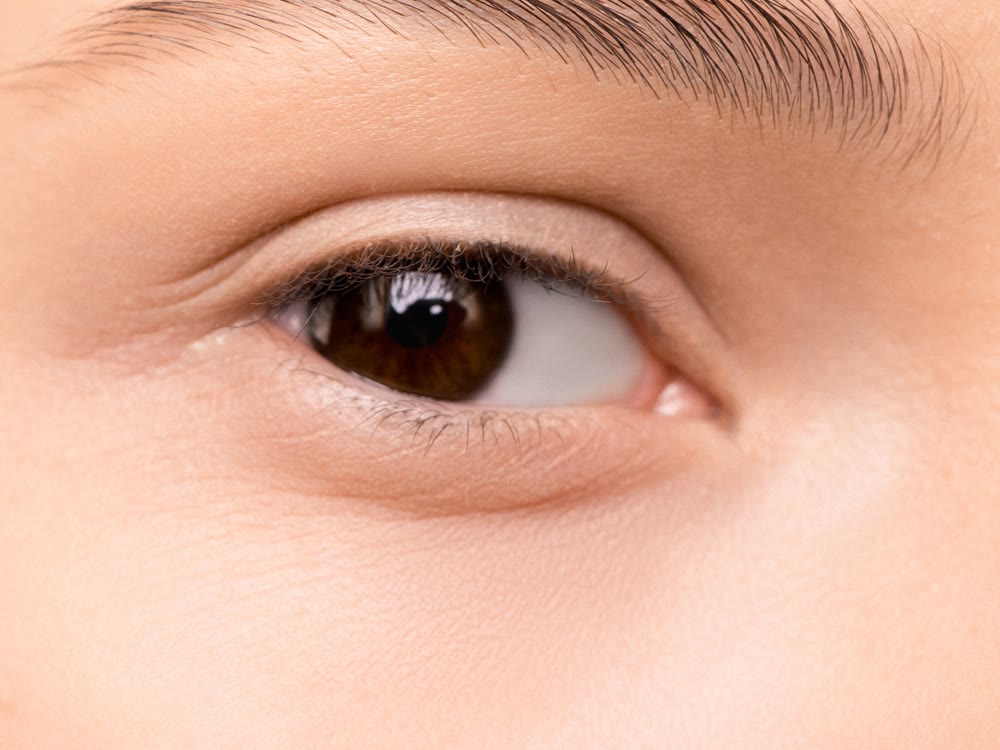
Orbital fat serves to support the eyeball; however, as supporting tissues weaken due to ageing or genetic factors, this fat can herniate forward, forming under-eye bags that give the face a tired and aged appearance. Lower blepharoplasty removes these excess fat deposits or repositions lower eyelid fat to diminish under-eye bags, restoring a smoother, neatly contoured, and more harmonious lower eye area.

Close-up of the eye and lower eyelid

This procedure is suitable for individuals with prominent lower eyelid fat bags, particularly when the lower eyelid skin retains relatively good firmness.

During lower eyelid fat removal, the surgeon creates incisions inside the lower eyelid (transconjunctival approach) to ensure no visible external scarring. Following surgery, temporary swelling and mild discomfort may occur around the eyes. Additionally, potential complications include bleeding, infection, dry eyes, lower eyelid retraction or asymmetry, and hollow under-eye contours caused by excessive fat removal.

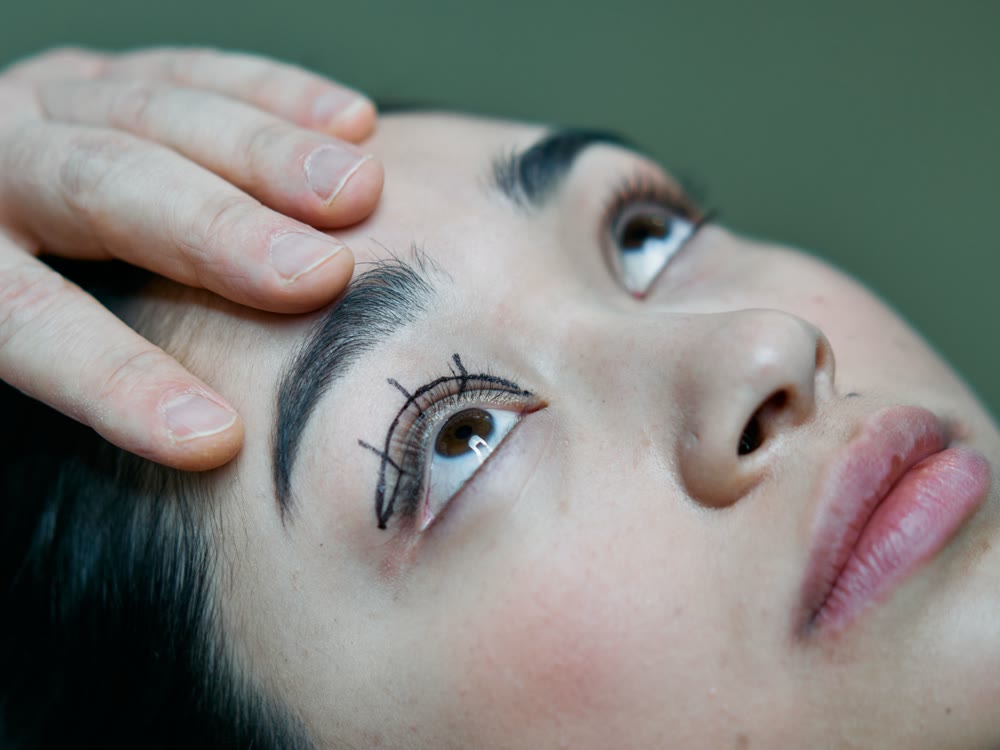
Asymmetrical eyelids, undesirable crease outcomes, or structural changes following previous surgery can affect your facial appearance and, in some cases, impair eyelid closure function. Revision eyelid surgery provides a comprehensive evaluation and effective correction for anatomical irregularities in the eyelid crease, eyelid position, or eyelid retraction.

Eyelid markings before eye surgery

This non-surgical option is designed for individuals seeking to improve skin quality and address mild signs of ageing around the eyes. Results depend on individual skin condition, the specific technology utilised, and the chosen treatment course. Laser therapy does not replace surgery in cases of prominent under-eye fat bags or significant skin laxity; additionally, dark circles have multiple underlying causes and require thorough evaluation prior to treatment.

Close-up of a woman's eyes
Doctor examining a woman's face and neck

Looking for the right aesthetic treatment?

Contact us for consultation and appointment booking

Make an Appointment
MessengerZalo