



On 18 April 2026, FV Hospital successfully held its 4th Cardiovascular Therapeutics Symposium, themed “Emerging Trends in Cardiovascular Disease Therapeutics”. The event brought together leading Vietnamese cardiologists and international experts to discuss the latest life-saving technologies that help treat heart disease more accurately and with less invasive methods.
In his opening remarks, Dr Vu Truong Son, Medical Director at FV Hospital, thanked the 500 specialists and doctors for their continued trust and participation in this prestigious cardiology conference. “Bringing the world’s latest medical techniques to FV is both our professional duty and our commitment to providing safe, high-quality care,” he shared.
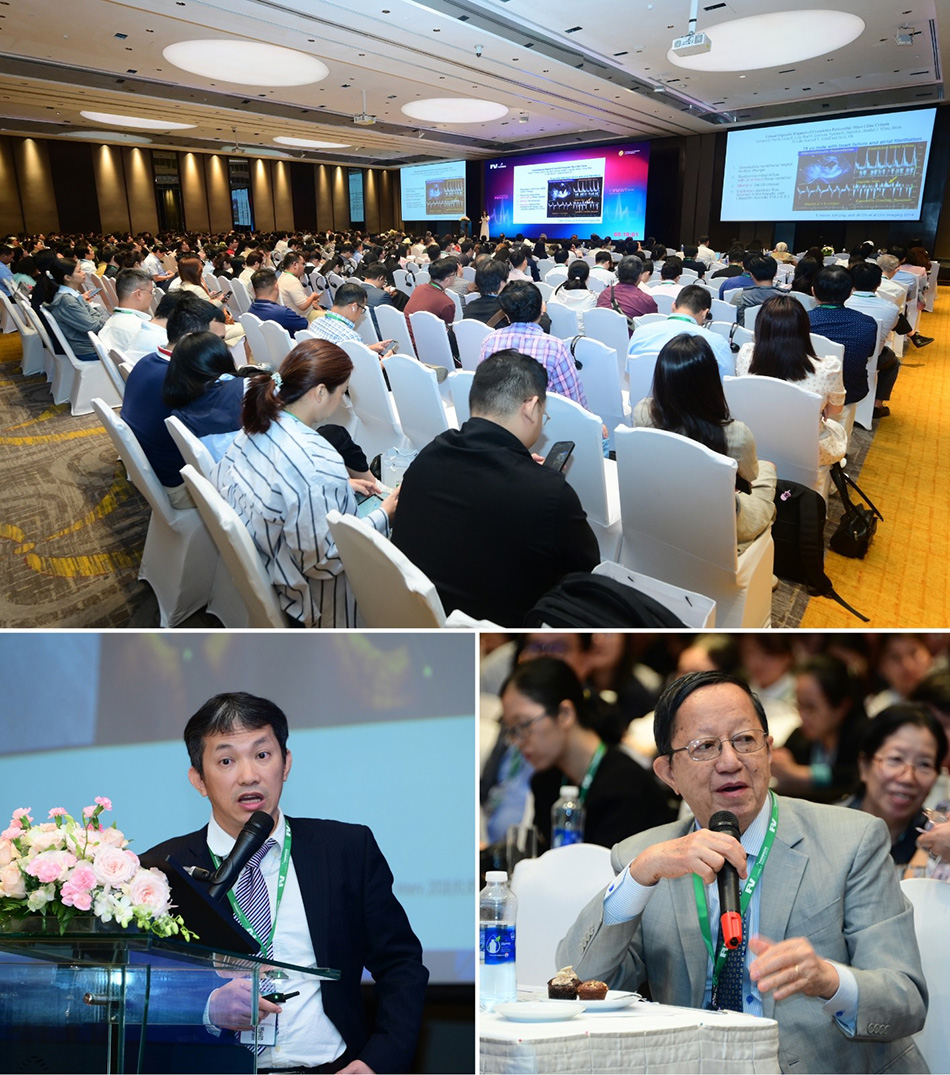
Over 500 doctors gathered to discuss key issues in cardiology.
Significant Advances in Coronary Intervention and Metabolic Disease Management
Professor Do Doan Loi (President of the Vietnam Heart Failure Association) shared the latest insights on Heart Failure with Preserved Ejection Fraction (HFpEF). This condition occurs when the heart contracts normally but becomes stiff; it is common in older patients and is often overlooked because symptoms such as shortness of breath are mistaken for signs of ageing. Therefore, the use of new drug classes such as SGLT2 inhibitors can help control heart failure early and preserve heart structure. “Early intervention, multidisciplinary coordination, and support from both family and society represent a major step forward in treating this condition,” Professor Loi explained.
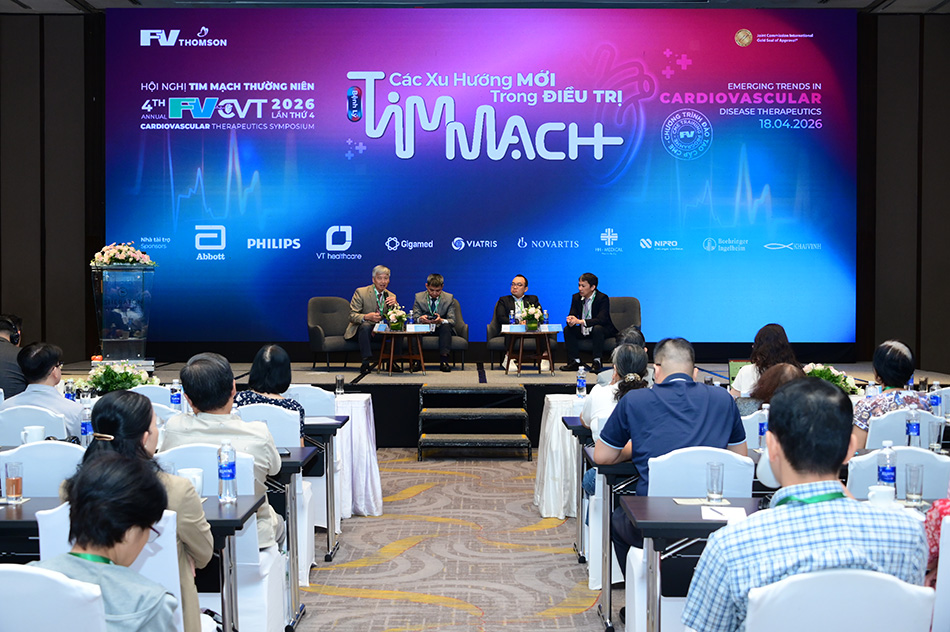
AI technology and multidisciplinary collaboration are shaping current trends in cardiovascular care
Continuing the focus on internal medicine, Dr Nguyen Quang Bay, PhD (Head of Endocrinology & Diabetes, Bach Mai Hospital) highlighted the close link between the heart, kidneys, and metabolic system. He noted that rather than treating conditions in isolation, the trend for 2026 is multi-specialty care. By using early combination therapies, doctors can simultaneously protect both the heart and kidney function for patients living with diabetes.
Dr Nguyen Quang Bay, PhD highly praised FV Hospital on his first attendance at the conference.
In the field of advanced techniques, Dr Do Huu Phuc, Specialist Level I (Cardiology & Interventional Cardiology Department, FV Hospital) introduced IVUS and OCT. These technologies are described as “intelligent eyes” that allow doctors to see inside blood vessels. Their application at FV helps ensure precise stent placement and optimal stent expansion. It also reduces the risk of restenosis compared with traditional methods, leading to better treatment outcomes.
A highlight of the first session was the presentation on Complex Percutaneous Coronary Intervention (PCI) and Intravascular Lithotripsy (IVL) by Dr Ho Minh Tuan, PhD – Head of Cardiology & Interventional Cardiology Department at FV Hospital. “The IVL technique is a true game-changer,” Dr Tuan noted. “It uses sound waves to create tiny cracks in calcified plaques, which can be as hard as rock – while minimising impact on surrounding soft tissue. This allows us to turn high-risk cases that once required major open-heart surgery into gentle, minimally invasive procedures with a high level of safety.”
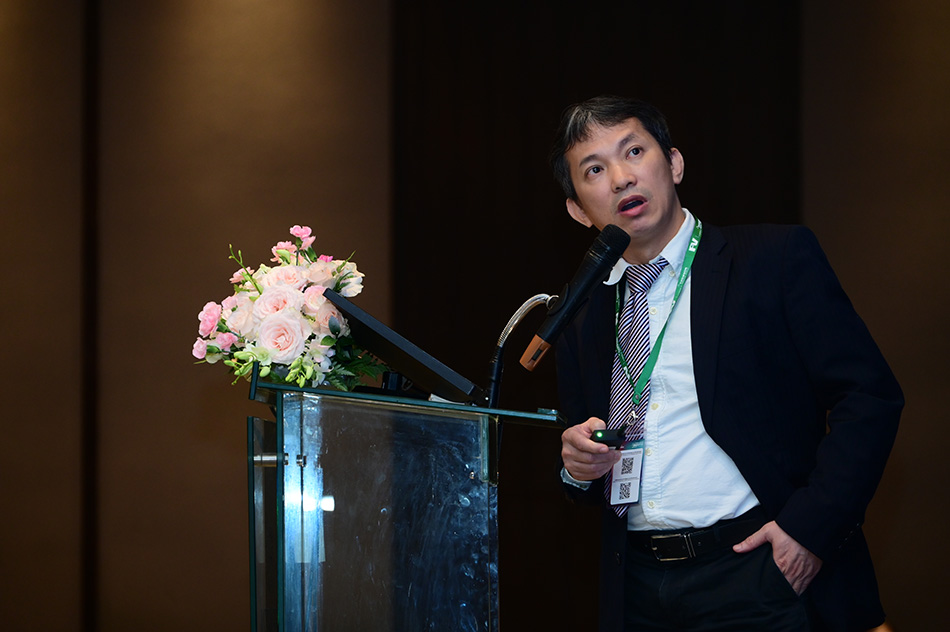
Dr Ho Minh Tuan, PhD performed Vietnam’s first IVL-assisted intervention
Furthermore, Dr Ho Minh Tuan shared details of complex cardiovascular cases treated at FV, including Left Main Coronary Artery stenosis and Chronic Total Occlusion (CTO). Many patients over 80 with multiple underlying conditions have been treated safely. This is made possible by combining state-of-the-art technologies such as OCT, IVUS, AI-integrated 3Mensio, Rotapro, and IVL.
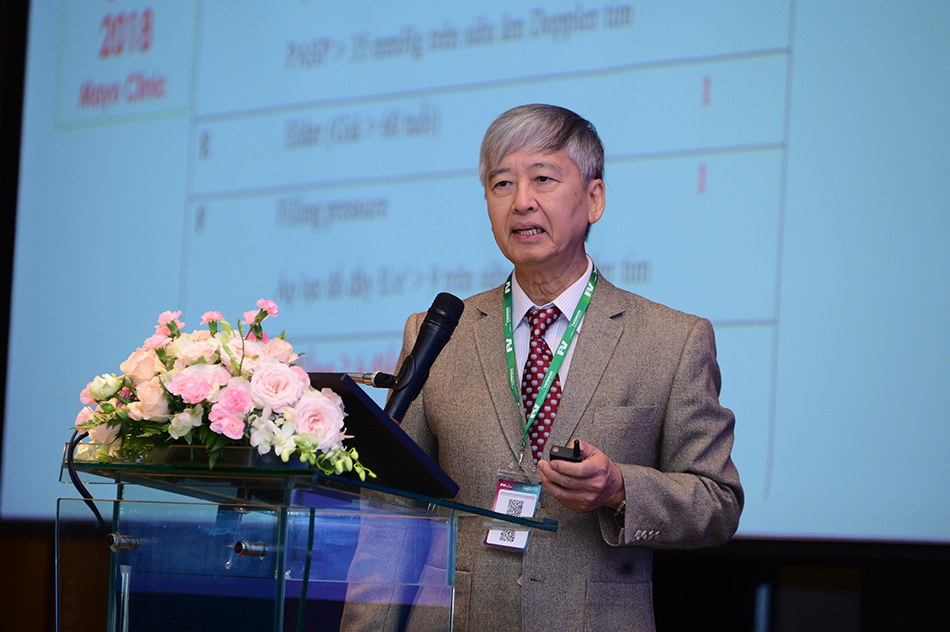
Professor Do Doan Loi noted that the Ministry of Health is developing major initiatives for cardiovascular patients
At the end of the first session, Professor Do Doan Loi shared some positive news that the Ministry of Health is currently developing major projects that combine AI and national data. These initiatives aim for a future where heart failure patients in Vietnam receive the highest standard of management and care.
Breakthroughs in Structural Heart Disease and Future Trends
The second session delved into heart valve diseases, cardiomyopathy, and stroke prevention. Opening the session, Associate Professor Pham Nguyen Vinh (Vice President of the Vietnam National Heart Association) presented the latest 2026 guidelines on myocarditis and pericarditis. He emphasised the role of Cardiac MRI for accurate diagnosis and personalised treatment using next-generation anti-inflammatory drugs. These advancements can help patients recover more quickly and reduce the risk of serious complications. “Successfully treating these conditions requires close coordination between over 10 different medical units, including specialists in psychology and genetics,” Associate Professor Vinh noted.
From an imaging perspective, Associate Professor Nguyen Thi Thu Hoai (Director of the Vietnam National Heart Institute, Bach Mai Hospital) presented applications such as Strain Rate imaging, 3D echocardiography, and myocardial scintigraphy. “Many cases are difficult to detect through imaging alone,” Associate Professor Hoai emphasised. “Close coordination between clinical examinations and multi-specialty collaboration is vital for an accurate diagnosis.” Furthermore, she highlighted that advanced imaging is a powerful tool, helping doctors to detect subtle changes in the heart muscle at the very earliest stages. This allows for timely intervention before the heart structure suffers irreversible damage.
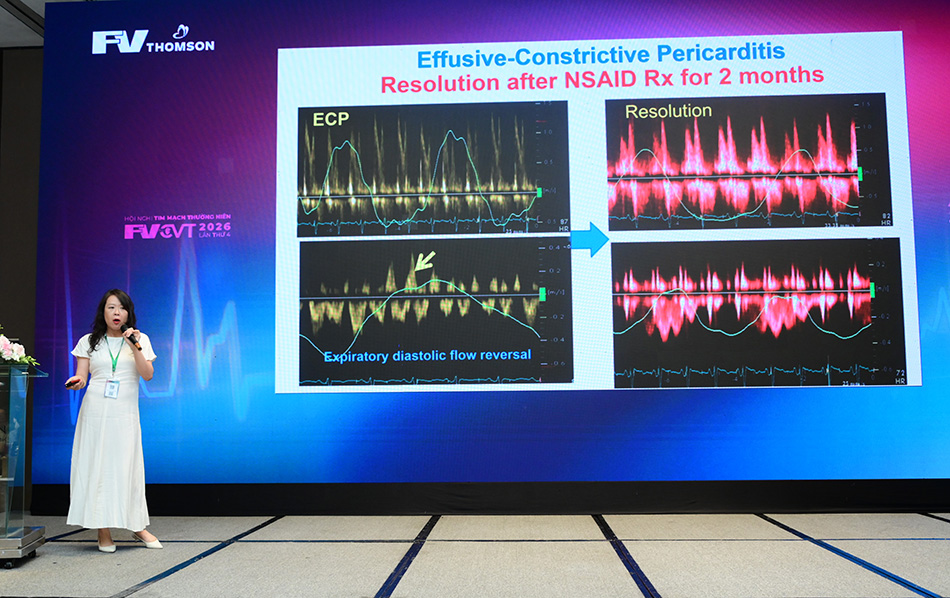
Most advanced diagnostic techniques presented at the conference are already in use at FV.
One of the most highly anticipated topics was the strategy for stroke prevention through the treatment of carotid artery stenosis. Dr Ho Minh Tuan, PhD presented vital data from the CREST-2 study.
The results showed that carotid artery stenting combined with optimal medical therapy significantly reduces stroke risk from 6.0% to 2.8% in asymptomatic patients.
Continuing with an in-depth surgical perspective, Dr Andrew Choong, a Vascular and Aortic Surgery specialist from the National University Hospital (NUH) Singapore, addressed the evolving role of Carotid Endarterectomy (CEA). He highlighted an alarming statistic: one in four people over the age of 25 will face the risk of a stroke in their lifetime. “Patient awareness of cardiovascular symptoms is vital for early diagnosis; in Singapore, we have dedicated education programmes for this,” Dr Choong explained.
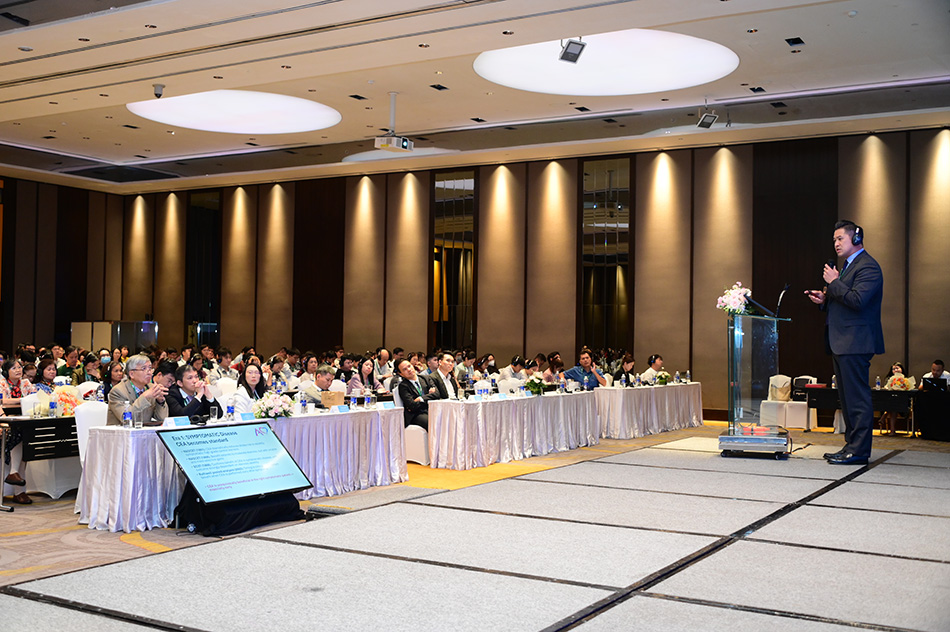
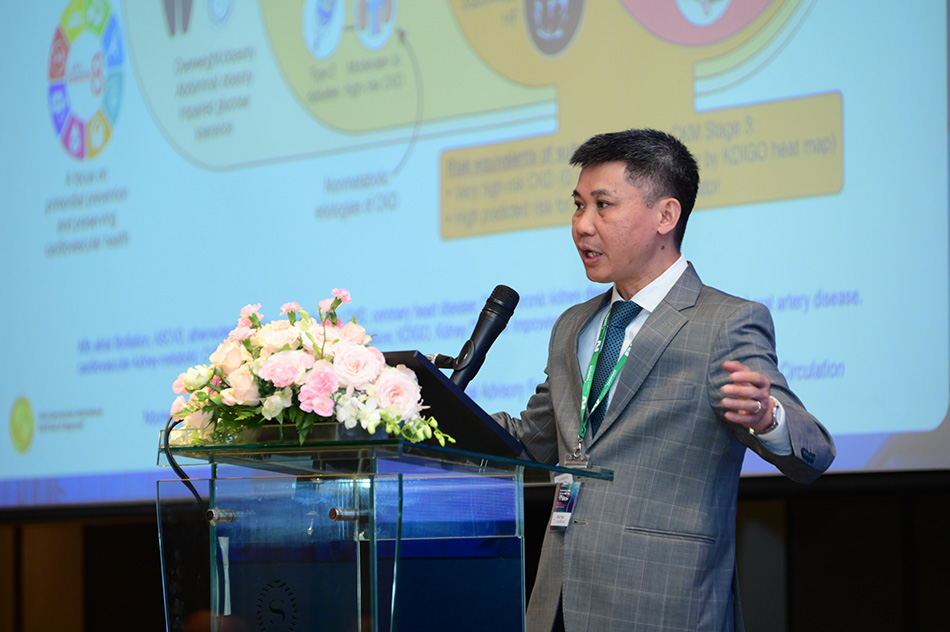
Dr Andrew Choong noted that carotid endarterectomy remains critically important
Despite the rapid growth of minimally invasive techniques, Dr Andrew Choong affirmed that CEA (Carotid Endarterectomy) remains a highly effective technique and the ‘gold standard’ for patients with severe symptomatic carotid stenosis. This is particularly true if the procedure is performed within 14 days of the first warning signs. His core message to the conference was: careful patient selection and choosing the right approach for each case (CEA or intervention) ensures optimal cerebral perfusion and treatment outcomes tailored to individual vascular anatomy.
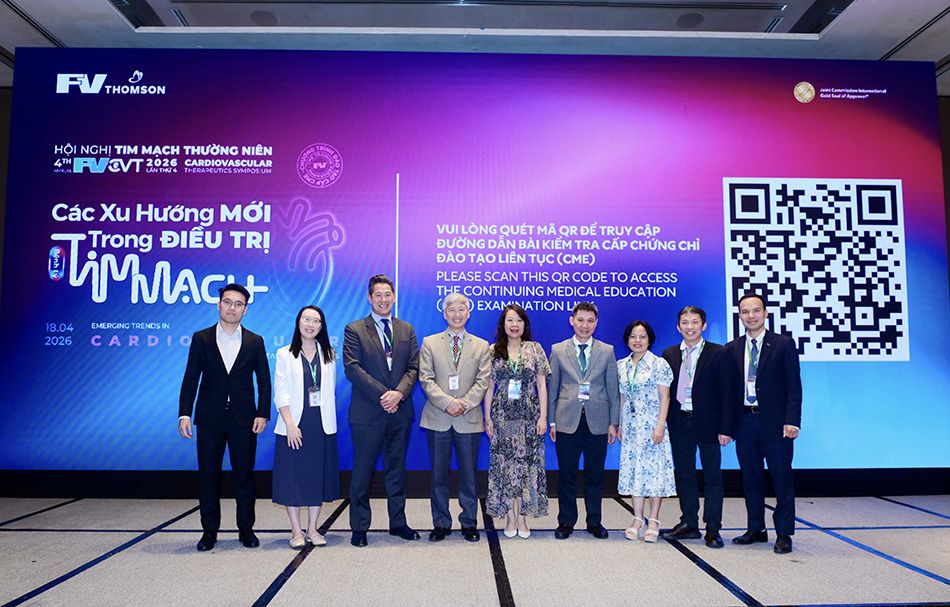
Chairs and speakers brought together leading cardiovascular experts in Vietnam
FV Hospital: Leading the Way in Advanced Cardiovascular Intervention
At the conclusion of the conference, transcatheter aortic valve implantation (TAVI), one of FV’s key strengths, was highlighted through advanced clinical reports. Dr Tran Dai Quynh Van, MSc (Cardiology & Interventional Cardiology Department, FV Hospital) introduced the power of AI-integrated 3mensio software. Acting as a highly capable ‘virtual assistant’, this technology allows doctors to create detailed 3D plans, select the perfect valve size, and predict potential risks before the procedure even begins. This helps ensure a high level of precision tailored to each individual patient.
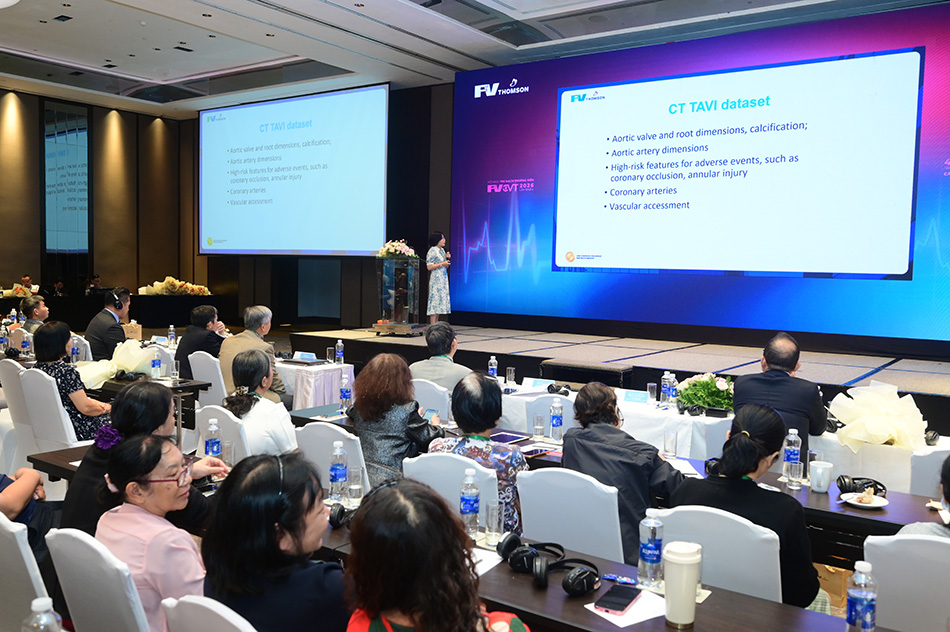
FV is the first in Vietnam to adopt the AI-integrated 3Mensio software
To conclude, Dr Ho Minh Tuan, PhD shared the exceptional clinical expertise of the FV team through a specialised session on TAVI for bicuspid aortic valve patients. This congenital condition leads to early calcification and represents a major challenge in cardiovascular intervention. Dr Tuan affirmed that the successful treatment of these complex cases at FV offers patients a remarkable chance at recovery. It allows them to avoid traditional major open-heart surgery while still achieving life-changing results.
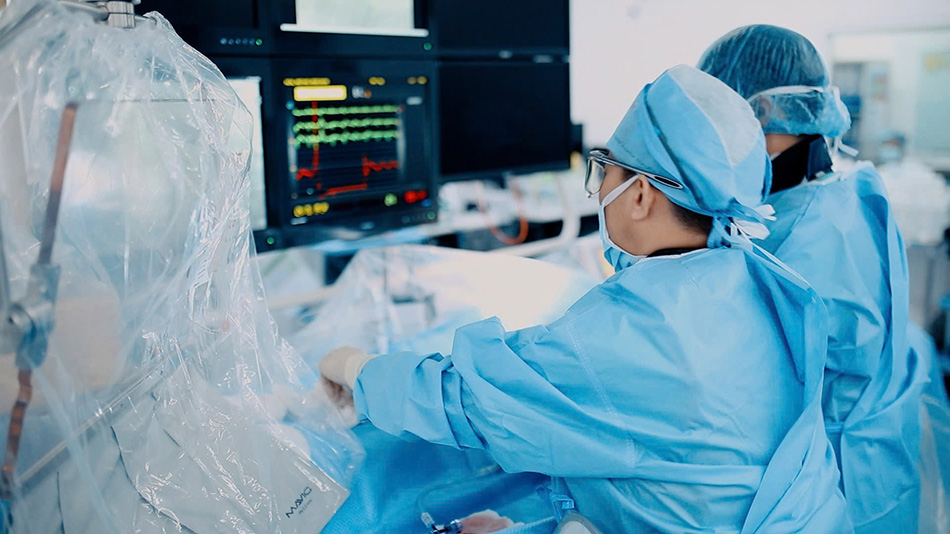
FV Hospital is home to one of Vietnam’s most advanced cardiovascular centres
By integrating advanced technologies such as 3Mensio, RotaPro, and IVL with advanced intravascular imaging like OCT and IVUS, FV has established a benchmark for high-precision treatment. This provides a strong foundation for further advancements in structural and valvular heart disease treatment.
The 4th Annual Scientific Conference once again reaffirms FV Hospital’s leading position in bringing advanced medical techniques from around the world to Vietnam. Through the seamless connection of experienced doctors, top-tier experts, and state-of-the-art equipment, FV continues to be a trusted institution for both the medical community and patients seeking excellence in cardiovascular care and intervention.
Related News
See moreRelated News
The Pink Month 2026 at FV: Raising awareness and taking proactive care of breast health
Every year, millions of women worldwide are diagnosed with breast cancer. In 2024, an estimated 2.43 million new cases and nearly 694,000 deaths from breast cancer were recorded globally. In Vietnam, GLOBOCAN 2022 estimated 24,563 new cases, making breast cancer the most commonly diagnosed cancer among women. Behind these statistics are the individual health stories […]
Shining star of Aug 2026
The Shining Star of August 2026 has been awarded to Ms Thai Truong Thuy Tien, Liaison Officer. With her dedication and professionalism, Ms Tien continually overcomes challenges and makes valuable contributions to the work of the Liaison Office. Having spent 10 years at FV, Ms Thai Truong Thuy Tien has had a memorable journey filled […]
16th Give Blood – Give Hope blood donation programme: Spreading the spirit of giving
On 25 September 2026, the 16th “Give Blood – Give Hope” blood donation programme, co-organised by FV Hospital and the Blood Transfusion Haematology Hospital, concluded successfully, receiving enthusiastic participation from FV staff, clients and community members. With 134 units of blood collected, the programme helped replenish blood supplies and support emergency care and treatment for […]

Register for ‘afternoon tea with doctors’: Breastfeeding guide & Managing common breast issues
Event Details: – Time: 14:30 – 16:00, Saturday, 24 October 2026 – Location: FV Hospital, 6 Nguyen Luong Bang, Tan My Ward, Ho Chi Minh City Speakers: – Dr Nguyen Thi Thanh Minh, MSc, Specialist Level I, FV Thomson Maternity – Dr Phung Ngoc Thu, Specialist Level I, Head of Breast Care Centre Breastfeeding is […]
The Pink Month 2026 at FV: Raising awareness and taking proactive care of breast health
Shining star of Aug 2026
16th Give Blood – Give Hope blood donation programme: Spreading the spirit of giving

