



FV Hospital has introduced a novel technique known as Transverse Tibial Transport (TTT), which brings hope to patients with diabetic foot complications by stimulating the body’s natural formation of new blood vessels.
The silent tragedy of a scratch on a numb foot
Mr N.P.T., a 68-year-old from Ho Chi Minh City, lives with diabetes and gout. Poor blood glucose control led to loss of sensation in his feet due to diabetic peripheral neuropathy. Combined with failing eyesight and age-related joint degeneration, he found it increasingly difficult to check his feet daily.
One afternoon while gardening, he sustained a small scratch on his heel. By the time he noticed it, the scratch had progressed into a deep-seated bone infection (osteomyelitis), discharging pus and producing a foul odour. When he arrived at FV Hospital, doctors warned him that he faced a serious risk of amputation.
“It was horrifying. The infection eroded the bone, and the wound produced a terrible odour,” Mr T. recalled.
Dr Truong Hoang Vinh Khiem of the Orthopaedics and Hand Surgery Department at FV Hospital notes that such cases are common: “We often remove glass fragments or sharp nails from patients’ feet, objects they trod on without realising because they felt nothing. By the time the wound discharges pus and smells, the condition has become critical.”
A way forward for the diabetic foot
Dr Khiem explains that diabetic foot care often sits in a “grey zone” between specialties. Orthopaedic surgeons handle debridement, while endocrinologists manage blood glucose. Traditional treatments (necrotic tissue debridement, negative pressure wound therapy, and antibiotics) only address the symptoms rather than the root cause. The underlying issue is peripheral arterial disease: blocked blood vessels supplying the foot and ankle deprive the tissue of an adequate blood supply. Consequently, 40% of patients face recurrence within one year, and 65% within five years.
“Patients develop an ulcer, receive treatment, and then ulcerate again. It is almost an unbreakable cycle,” Dr Khiem said.
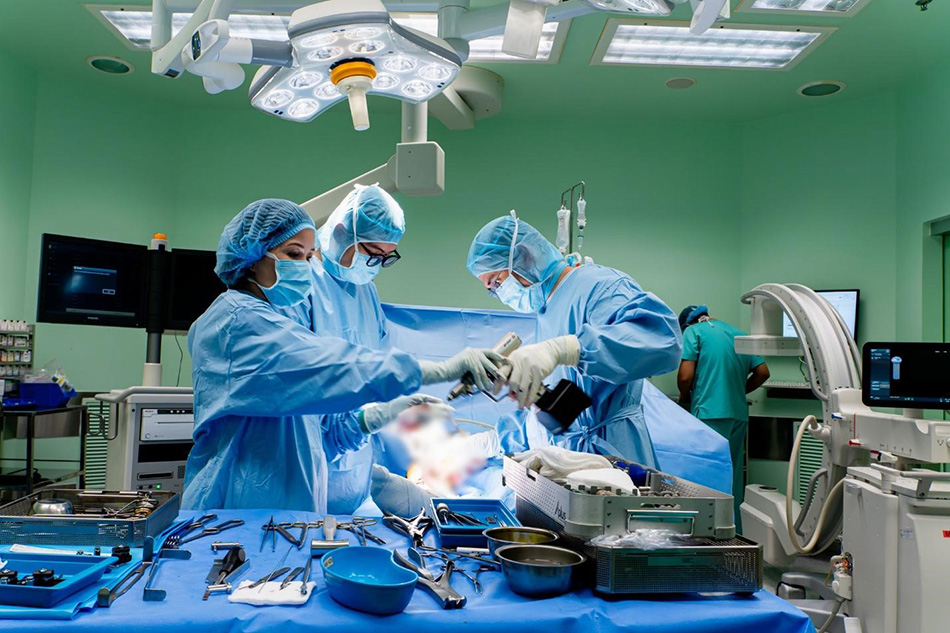
Dr Khiem performs the TTT procedure on Mr T. Image: FV Hospital
Seeking an approach to address this intractable problem, Dr Khiem focused on Transverse Tibial Transport (TTT) — a technique widely utilised in China for diabetic foot management. Rooted in the established principles of distraction osteogenesis, the technique was incorporated into China’s national treatment guidelines (2018–2023) and boasts limb salvage rates exceeding 90%.
Dr Khiem travelled to leading treatment centres in China to observe the technique in practice. Upon his return, he proposed that FV Hospital invest in the specialised instrumentation required to pioneer this approach in Vietnam.
The TTT technique: “Entering the realm of injury to awaken the body’s healing power”
Inspired by a principle of Eastern philosophy: “Entering the realm of injury to awaken the power to heal.” The core concept involves deliberately creating a controlled injury to activate the body’s own natural healing mechanisms.
To trigger new blood vessel formation, the surgeon performs a controlled osteotomy, a precise fracture of a portion of the tibial cortex (the outer layer of the shin bone). A specialised external fixator frame, worn around the lower leg, then secures and controls this bone fragment.
During the first two weeks, the patient slowly distracts the bone fragment away from its original position at a rate of 1mm per day, divided across four equally spaced adjustments. During the following two weeks, the patient adjusts the frame in the opposite direction, gradually returning the fragment to its original position. After this phase, the patient wears the frame for a further two to four weeks to allow bone consolidation and healing.
The continuous movement of the bone fragment over the first four weeks generates a powerful biological stimulus. The body, “deceived” into believing the limb has sustained serious injury, automatically triggers the formation of an entirely new network of blood vessels to supply the moving bone fragment. During the period of frame wear, the device assists the patient, allowing them to move with limited weight-bearing.
“This technique is like building an irrigation channel to carry water to parched land. Only when water arrives can the crops grow again; in the same way, only when we restore blood supply can the wound begin to heal,” Dr Khiem said.
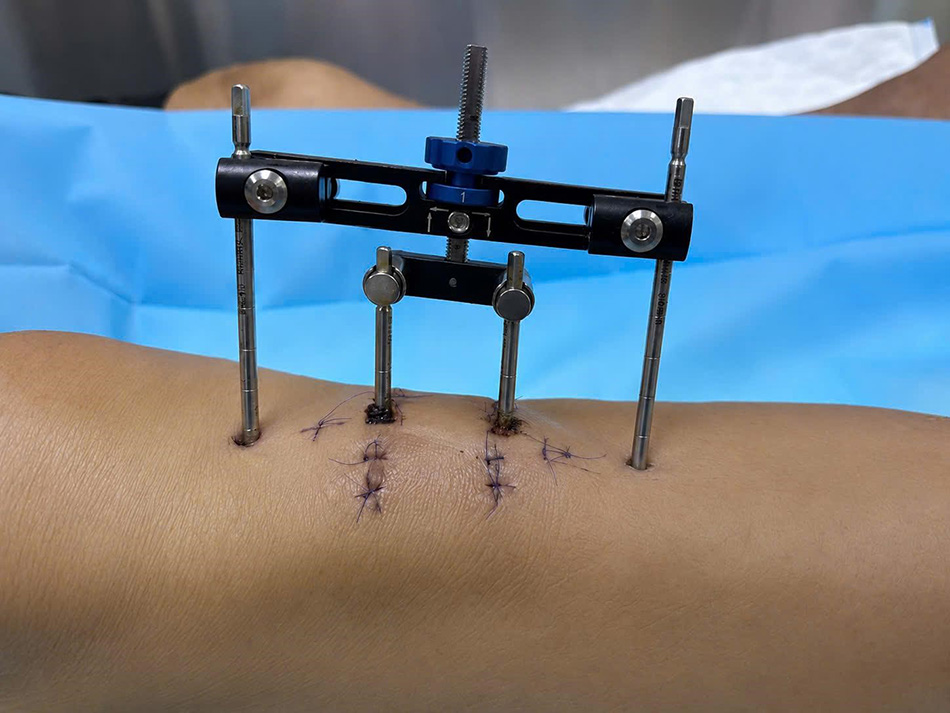
The TTT technique applied to Mr T.’s leg. Image: FV
A multidisciplinary treatment model for diabetic foot disease
After two months, thanks to the TTT technique, the deep bone infection that had threatened Mr T.’s limb had healed completely. Having faced the very real prospect of losing his foot, he can now walk normally. Visibly moved, he shared: “I am profoundly grateful to Dr Khiem and the FV team. The doctor came to care for me even on his days off, and because of that, I am able to keep my leg
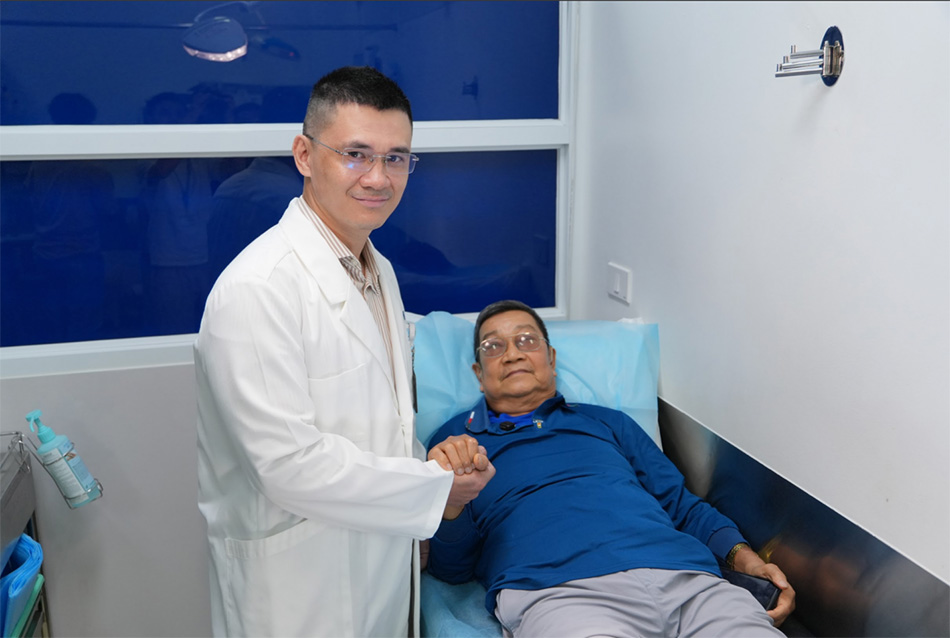
The TTT technique, performed by Dr Khiem, saves Mr T. ‘s limb. Image: FV
TTT serves as a key component within a comprehensive strategy for managing diabetic foot disease. To protect these results, patients must rigorously adhere to a controlled diet, take their medications as prescribed, attend regular foot check-ups, and always wear therapeutic footwear with custom orthopaedic insoles. Any callus formation or ulceration on the foot should prompt an immediate appointment with a specialist in diabetic foot care.
FV Hospital continues to develop an integrated multidisciplinary care model for diabetic foot disease, bringing together specialists from Endocrinology, Orthopaedics and Hand Surgery, Vascular Surgery, Microbiology, and Physiotherapy. The goal is to help every patient preserve their ability to walk, their independence in daily life, and their long-term quality of life.
| A lower limb is lost to diabetes-related complications approximately every 20 seconds worldwide. Of them, approximately 50% do not survive beyond five years. Ho Chi Minh City, with a population of approximately 12 million, is estimated to have around 800,000 residents living with diabetes — equivalent to nearly 7% of the population. This represents a significant public health burden, requiring substantial resources for ongoing treatment and long-term management. To learn more about the TTT technique for the treatment of diabetic foot complications, please visit FV Hospital’s Orthopaedics and Hand Surgery Department at 6 Nguyen Luong Bang Street, Tan My Ward (formerly District 7), Ho Chi Minh City, or call (028) 3511 3333. |
Related News
See moreRelated News
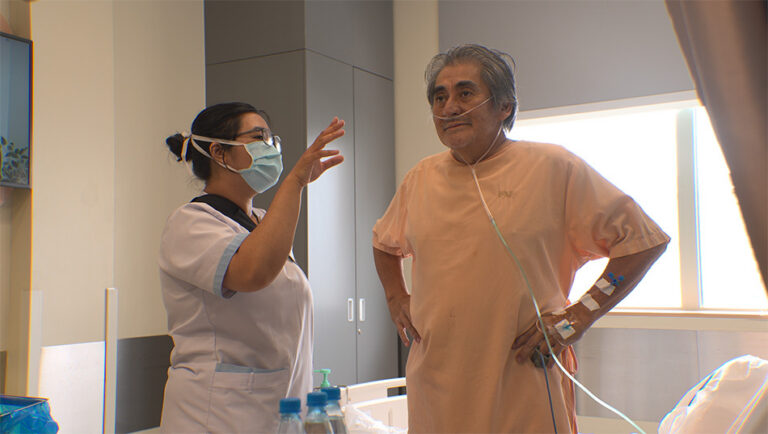
Saving 60-year-old Vietnamese-American patient from complete bilateral pulmonary artery occlusion
A 60-year-old Vietnamese-American patient was admitted with severe respiratory failure due to blood clots blocking both pulmonary arteries, a condition that can quickly lead to acute heart failure or sudden death. Following prompt catheter-directed thrombectomy at FV Hospital, he fully recovered within one week. The patient received oxygen and was transported directly to the Emergency […]
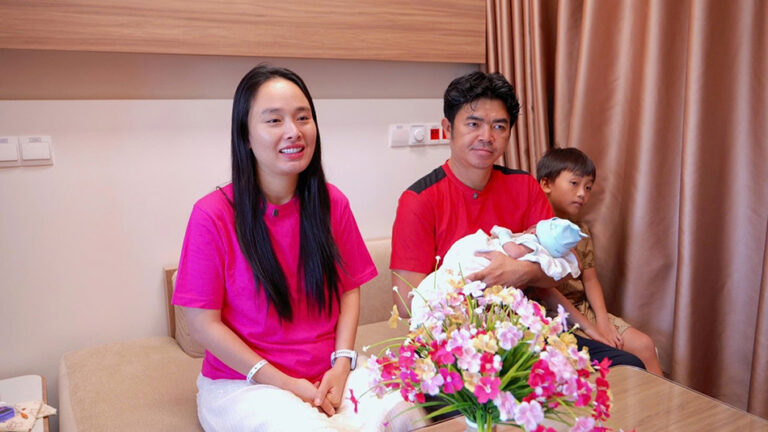
Triumphant natural delivery: Mother overcomes unmedicated induced labour at FV Thomson Maternity
After a smooth first childbirth, Mrs Tran Hang expected a similar experience for her second delivery. However, intense induced labour contractions and complete resistance to anaesthesia required a change in approach. With her resilience and the dedicated support of the FV Thomson Maternity Department, she achieved a safe and joyful delivery. Mrs Tran Hang and […]
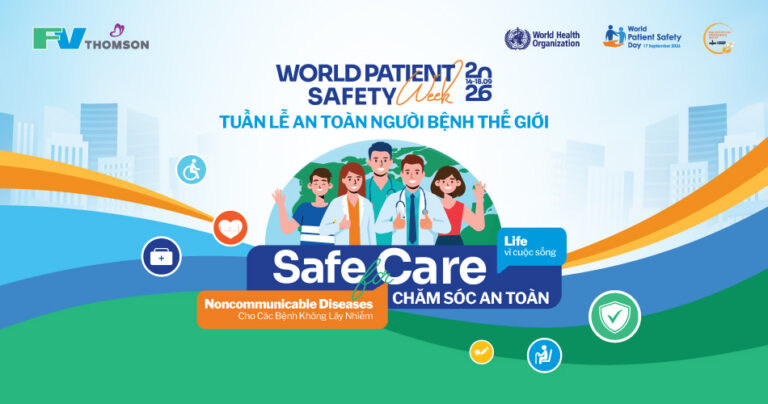
Patient Safety Week 2026 at FV Hospital: Safe care for non-communicable diseases
In response to World Patient Safety Day 2026, launched by the World Health Organization (WHO), FV Hospital is organising Patient Safety Week 2026 from 14 to 18 September 2026, under the theme “Safe care for non-communicable diseases”. Non-communicable diseases (NCDs), such as cardiovascular disease, diabetes, cancer, chronic respiratory diseases and many other long-term conditions, often […]
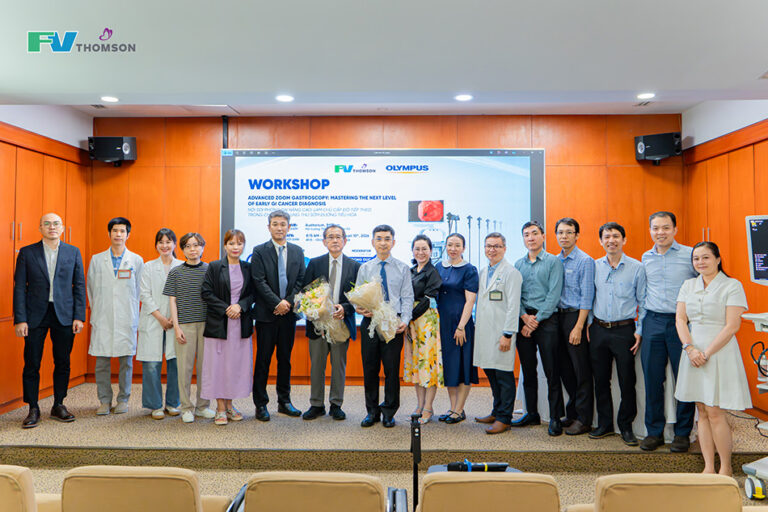
FV Hospital hold workshop on advanced magnification endoscopy for early detection of gastrointestinal cancer
On 10 August 2026, FV Hospital, in collaboration with Olympus Corporation, held the workshop “Advanced Zoom Gastroscopy: Mastering the Next Level of Early GI Cancer Diagnosis”, bringing together endoscopists, gastroenterologists, technicians and other medical professionals from hospitals and clinics in Vietnam and abroad. The workshop “Advanced zoom gastroscopy: mastering the next level of early GI […]
Saving 60-year-old Vietnamese-American patient from complete bilateral pulmonary artery occlusion
Triumphant natural delivery: Mother overcomes unmedicated induced labour at FV Thomson Maternity
Patient Safety Week 2026 at FV Hospital: Safe care for non-communicable diseases

