
Pain Clinic

Effective and Safe Pain Management

Advice on pain medication and advanced interventional pain management techniques.

An epidural injection delivers medication into the epidural space, close to the irritated spinal nerve root.

At FV Hospital, epidural injections are one of the interventional treatments used to manage spinal pain and pain caused by irritation of the spinal nerve roots. Not everyone with spinal pain needs an epidural injection. Your doctor will assess the cause of your pain and your individual condition to determine whether this treatment is suitable for you.
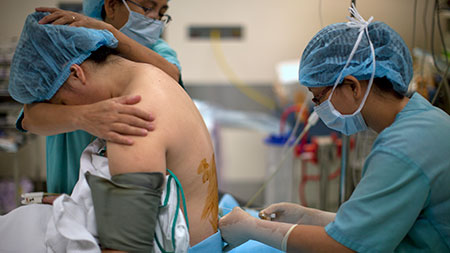
Spinal injection procedure

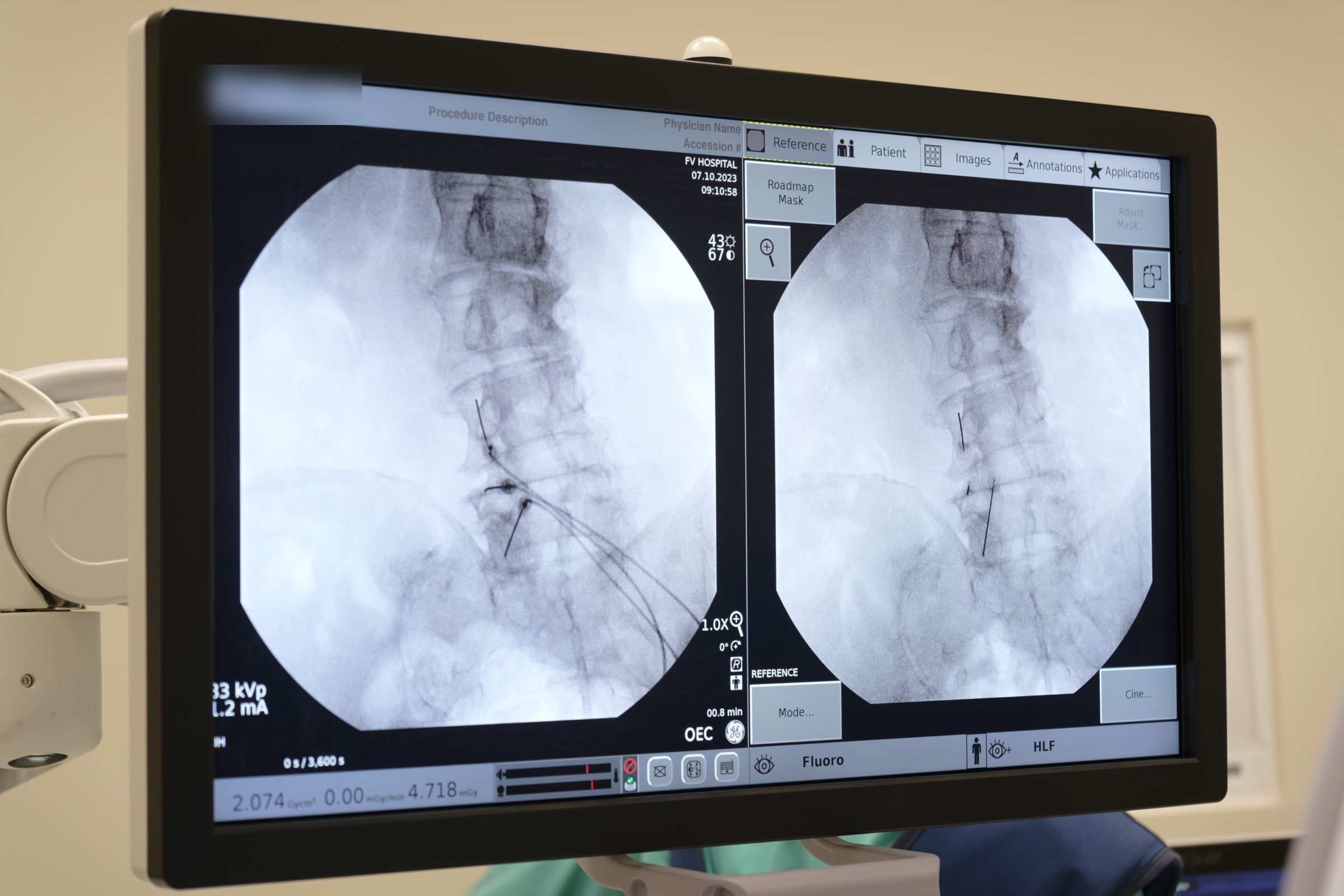
The procedure is usually performed under fluoroscopic (C-arm) guidance. This allows the doctor to identify the area to be treated and guide the needle to the intended treatment site. After the procedure, you will be monitored at the hospital and may be able to go home on the same day, depending on your doctor’s advice.

Epidural injections may be considered for:

  • Sciatica caused by a herniated disc or other spinal conditions
  • Pain radiating from the neck to the shoulder or arm due to irritation of a spinal nerve root
  • Some types of pain caused by inflammation or compression of the spinal nerve roots

Epidural injections are generally considered safe, but like any medical procedure, they can cause side effects and complications. These may include:

  • Pain or soreness at the injection site
  • A temporary increase in pain during the first few days before the medication starts to take effect
  • Temporary flushing, dizziness or nausea
  • If steroid medication is used, blood sugar levels may temporarily rise, particularly in people with diabetes.
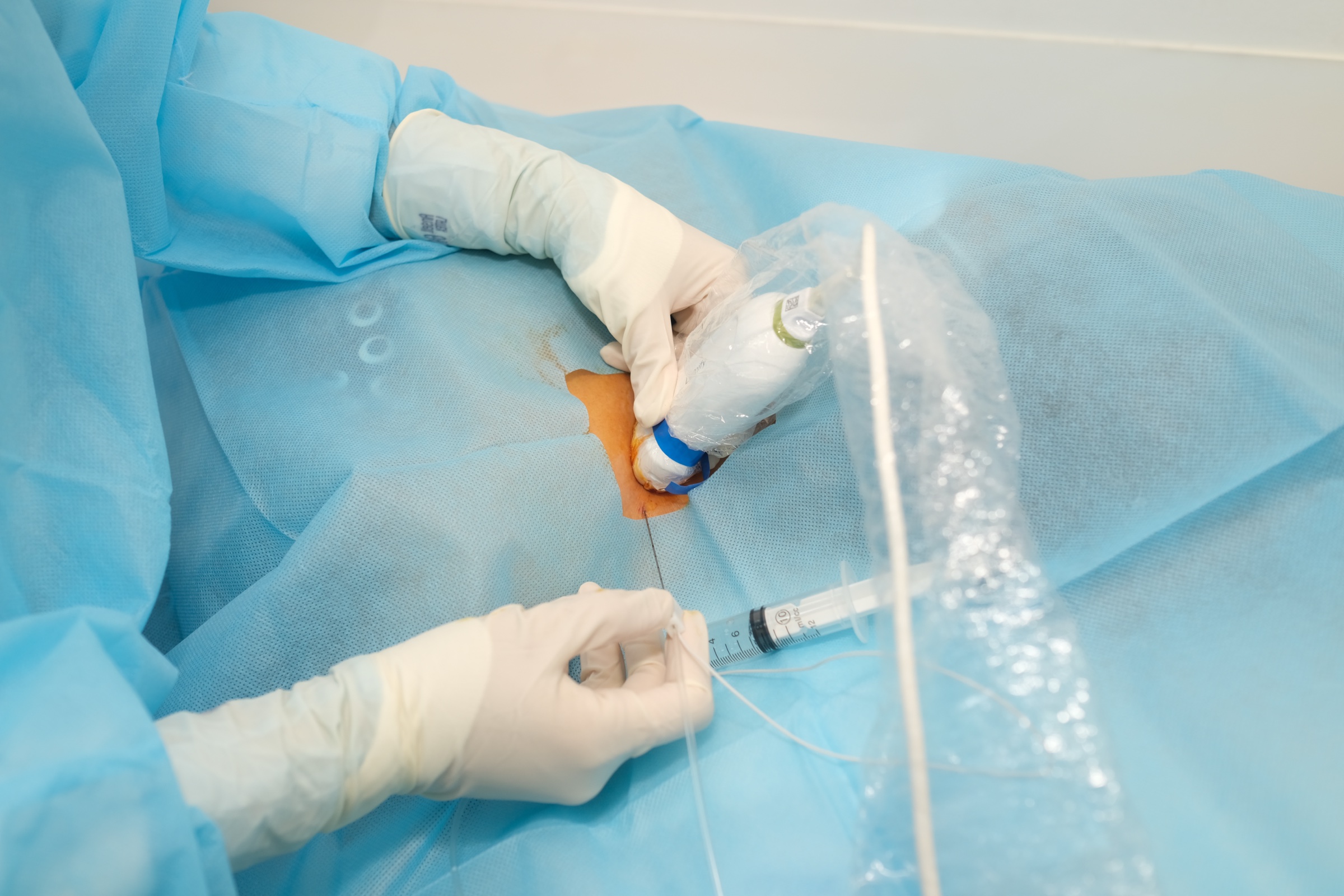
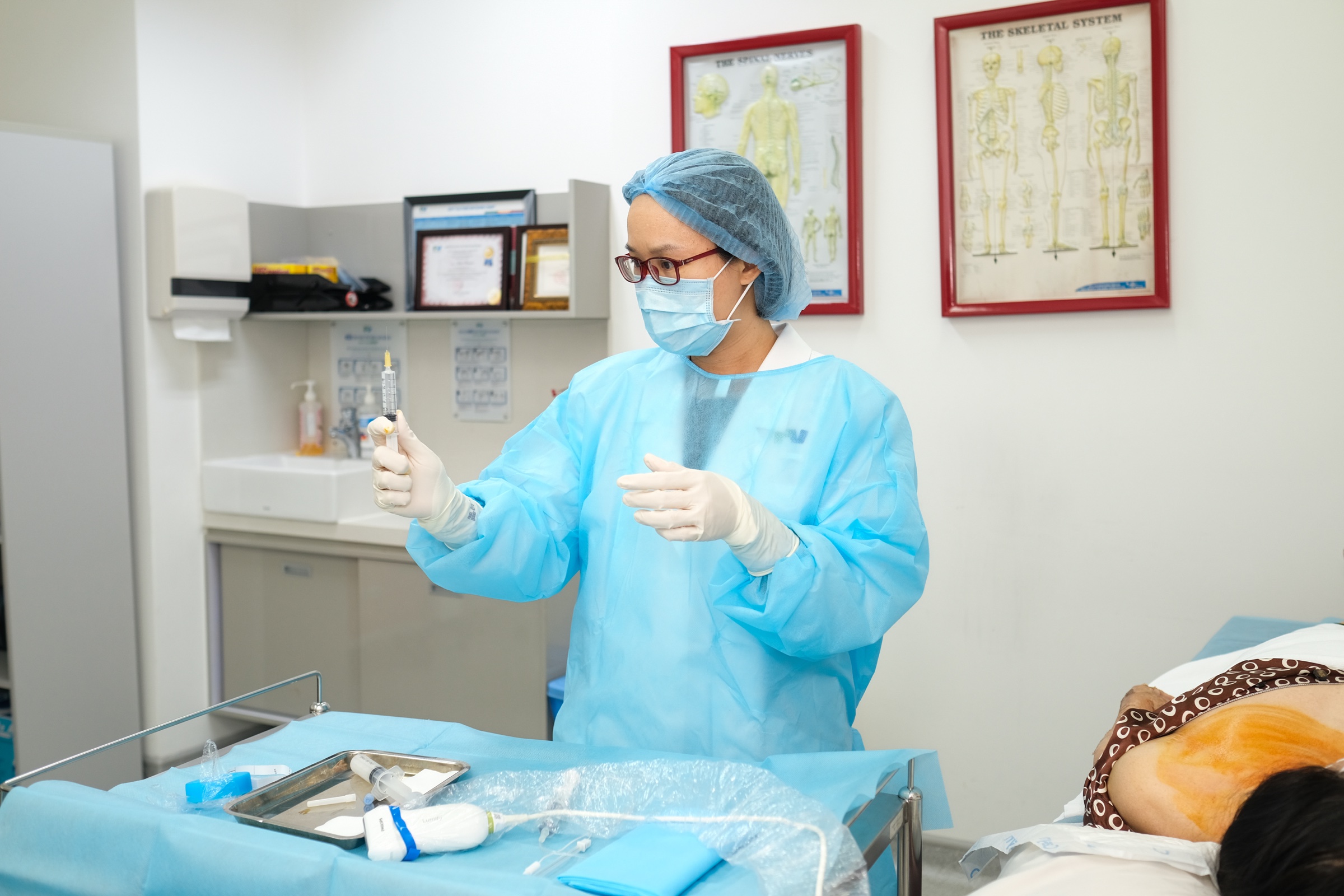
Ultrasound-guided nerve block injection at FV

Some types of pain originate from the nerves themselves. This may feel like burning, tingling, numbness or an electric shock. Nerve pain can develop after shingles, an injury or surgery, or may be associated with certain neurological and musculoskeletal conditions.

A peripheral nerve block is a procedure in which medication is injected close to the nerve causing the pain. The medication can help interrupt pain signals or target the source of the pain directly, reducing pain intensity.

Peripheral nerve blocks are usually performed under ultrasound guidance. This allows the doctor to identify the nerve and surrounding structures and monitor the path of the needle during the procedure. Depending on the location and purpose of the treatment, other imaging methods such as C-arm fluoroscopy or CT may also be used.

At FV, peripheral nerve blocks have been used to manage various types of pain, including:

  • Post-herpetic neuralgia
  • Shoulder and knee pain
  • Pain related to the spine
  • Some types of post-operative pain
  • Entrapment neuropathy

Peripheral nerve blocks are routinely used in pain management. However, as with other injection procedures, they can cause side effects. You may experience temporary pain or mild bruising at the injection site. In some cases, temporary numbness or weakness may occur in the area supplied by the treated nerve. Complications such as infection, bleeding, allergic reactions or serious nerve injury are uncommon and very rare.

Fluoroscopy images of the lumbar spine guiding a spinal injection

Facet joints are small joints located at the back of the spine. They help stabilise the spine and support movement. When these joints become worn, inflamed or injured, you may experience back or neck pain.

A facet joint injection involves injecting a local anaesthetic, often combined with a small amount of corticosteroid or other medication, into the area around the affected joint. This procedure can help identify the source of pain and may provide pain relief. Treatment outcomes vary depending on the underlying condition.

The medial branch nerves are small nerves that carry sensory signals from the facet joints and arise from the spinal nerves. In cases of chronic inflammation or advanced degeneration of the facet joints, your doctor may recommend an injection targeting these nerves to help relieve pain and identify the affected joint. If the pain persists, radiofrequency denervation may be considered. This is an important procedure that serves both a diagnostic purpose and as a step before radiofrequency denervation.

Doctors commonly use imaging guidance, such as a C-arm fluoroscopy machine, to accurately locate the injection site. Before the procedure, your doctor will explain the potential benefits, risks and suitable treatment options.

After the injection, you will be taken to a recovery area for monitoring. You may be asked to rest for 30 minutes or longer. The procedure does not require hospital admission, and you can usually go home a few hours afterwards. However, you should not drive or operate machinery for at least 24 hours after the procedure.

Platelet-rich plasma injection into the knee

At the FV Pain Management Unit, platelet-rich plasma (PRP) has been used to treat pain and musculoskeletal conditions. FV began using this treatment in 2018, and by 2026 had treated hundreds of patients with herniated discs using PRP, particularly those who were suitable for a conservative approach and did not require surgery.

PRP is prepared from your own blood. After a blood sample is taken, it is processed in a centrifuge to separate the plasma with a high concentration of platelets. Platelets contain proteins and other biological factors involved in tissue repair. The platelet-rich plasma is then injected into the area being treated. The preparation and injection process usually takes place within an hour.

At FV, doctors perform PRP injections under C-arm or ultrasound guidance. This helps them identify the area to be treated and guide the needle to the intended site.

Unlike some conventional pain-relieving injections, PRP is not intended simply to relieve symptoms. It aims to support the healing process in the affected area. However, PRP is not suitable for every cause of pain, and its effectiveness may vary depending on the condition, treatment site and individual patient.

Because PRP is prepared from the patient’s own blood, the risk of a reaction to the injected product is low. However, mild pain and swelling may occur at the injection site after treatment. There is also a very low risk of infection from the injection procedure, although it is still possible.

FV pain specialist connecting radiofrequency electrodes during an RFA procedure

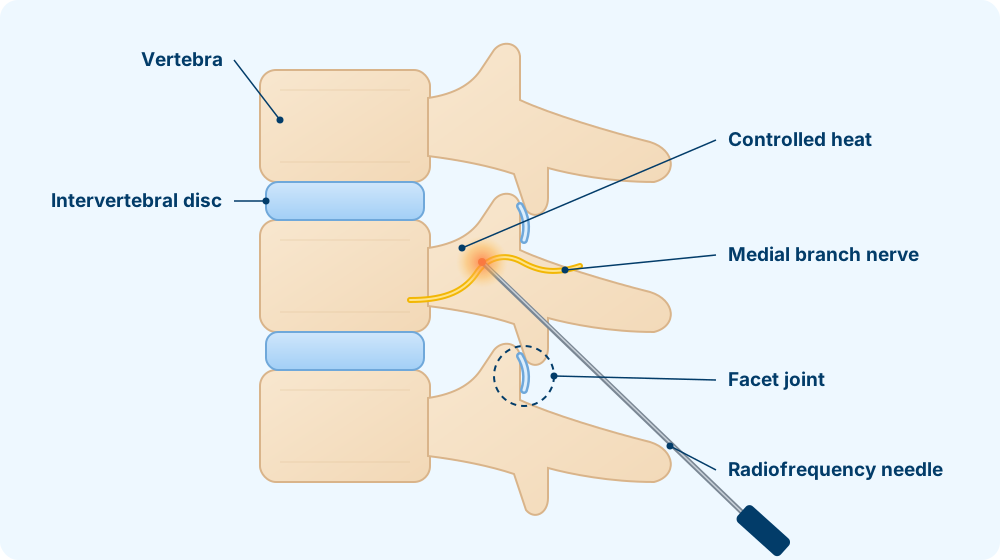
Radiofrequency ablation (RFA) uses controlled heat generated by radiofrequency energy to target the nerve responsible for pain. By reducing the nerve’s ability to transmit pain signals, the procedure can help manage pain more effectively.

Illustration of radiofrequency ablation targeting the medial branch nerve near a lumbar facet joint

RFA is a minimally invasive procedure that does not require an open incision or leave a surgical scar. Recovery is generally quicker than after open surgery, with a lower risk of complications.

RFA can be used for various types of pain, and is particularly considered for chronic pain arising from identifiable structures or nerves, including:

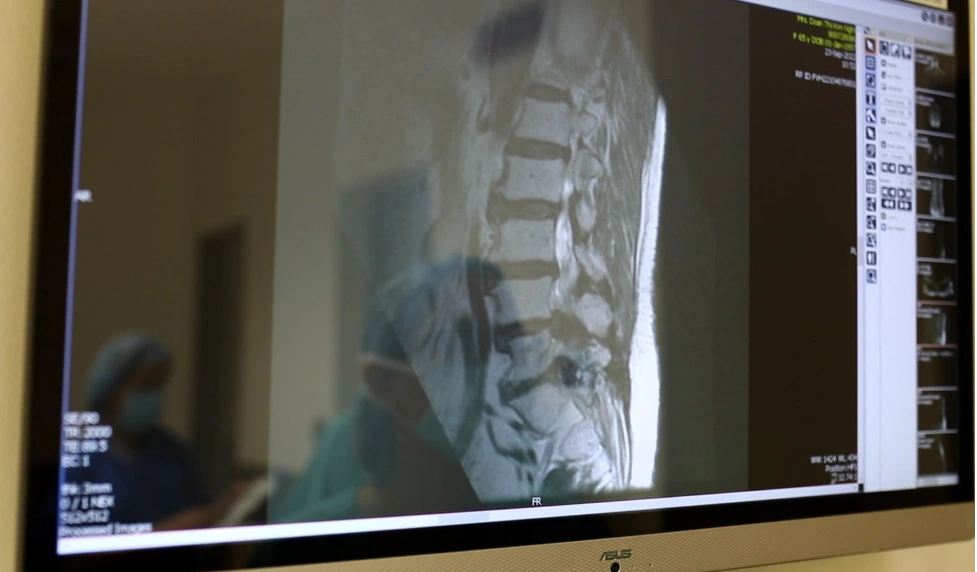
Spine MRI image displayed on a monitor
  • Pain originating from the facet joints of the spine
  • Chronic back pain
  • Some types of disc-related pain
  • Knee, hip and shoulder pain
  • Some types of nerve pain, including post-herpetic neuralgia and pain caused by nerve compression

One of the advantages of RFA is its relatively short recovery time. It may also reduce the need for pain medication by providing longer-lasting pain relief. Depending on the individual response, pain relief may last from one to three years, and some patients may experience complete pain relief, allowing them to continue with their usual activities.

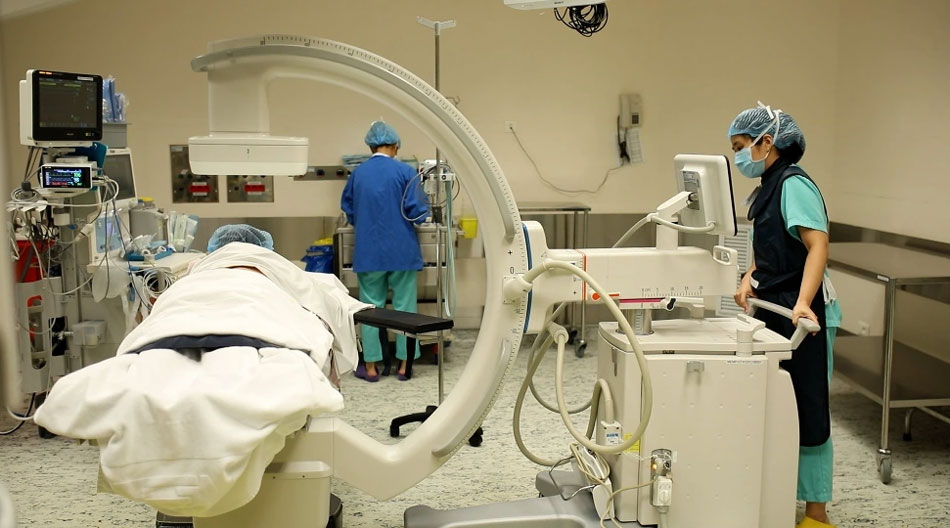
Image-guided pain procedure with a C-arm

Pulsed radiofrequency (PRF) neuromodulation is an interventional pain treatment that may be considered for certain cases of chronic pain, particularly pain associated with the nerves.

The doctor uses the same type of electrode as in radiofrequency ablation, but in a different way. Instead of delivering continuous heat, short pulses of radiofrequency energy are applied for around 6 minutes while maintaining the temperature at 42°C – a level intended to avoid damaging nerve tissue. The lower temperature is designed to modulate the nerve without interrupting nerve conduction, allowing the nerve to continue performing its normal function.

After the procedure, some people may experience mild pain or discomfort at the treatment site. Serious complications are uncommon but can occur, depending on the treatment location and the individual’s health condition.

RCE catheter procedure at FV Hospital

After spinal surgery, scar tissue can form around the spinal nerve roots. In some people, excessive scar tissue can develop into fibrous bands that attach to or surround the nerves, causing persistent or recurrent pain. This is often referred to as failed back surgery syndrome (FBSS).

People with persistent pain after spinal surgery may be treated with medication, physiotherapy, injections or other pain management procedures. In some cases, further surgery may also be considered. However, when pain is related to scar tissue and adhesions around the nerve roots, these treatments may not always directly address the scar tissue.

RCE catheter treatment is a minimally invasive procedure that does not require open surgery. It allows the doctor to guide a catheter deep into the epidural space to break down fibrous adhesions, decompress the nerve roots and deliver medication to the treatment area. This can allow the doctor to target complex areas of adhesions that may be difficult to reach with other techniques. The RCE catheter can also deliver pulsed radiofrequency energy to compressed or damaged nerve roots to help modulate their activity.

FV performed the first RCE catheter procedure in Vietnam in April 2026, together with Dr Christophe Perruchoud, President of the Swiss Society for Neuromodulation. FV’s pain specialists have been trained in this technique in Switzerland.

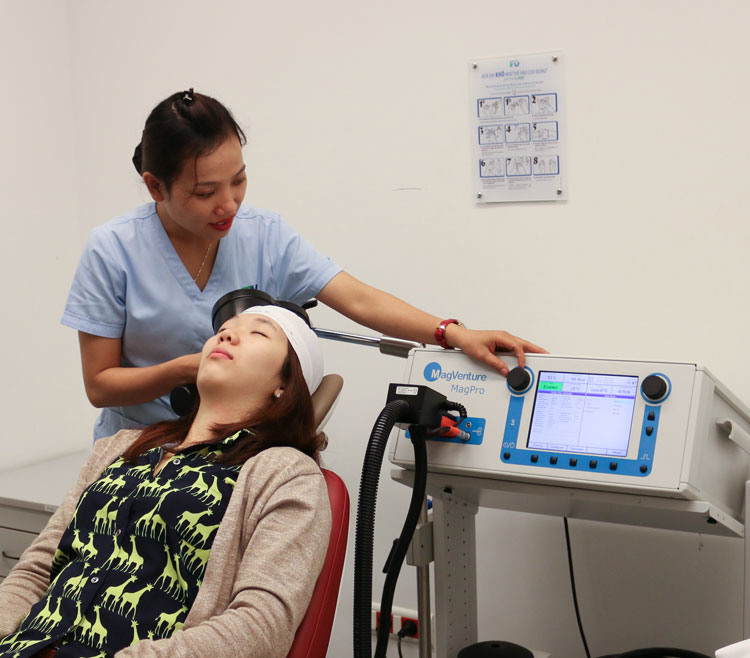
Repetitive transcranial magnetic stimulation (rTMS) is a non-invasive treatment with few side effects. It is primarily used to treat depression, anxiety disorders and insomnia, and may also be used for neuropathic pain, persistent headaches, migraine and pain that responds poorly to medication.

Each rTMS treatment session usually lasts between 20 and 40 minutes. The doctor will assess your condition and recommend an appropriate number of sessions based on the nature of your pain.

rTMS has been introduced in hospital pain clinics across Europe and is now also widely used in Vietnam. FV Hospital was among the first hospitals in Vietnam to offer rTMS as part of routine pain management, rather than limiting its use to a research setting.

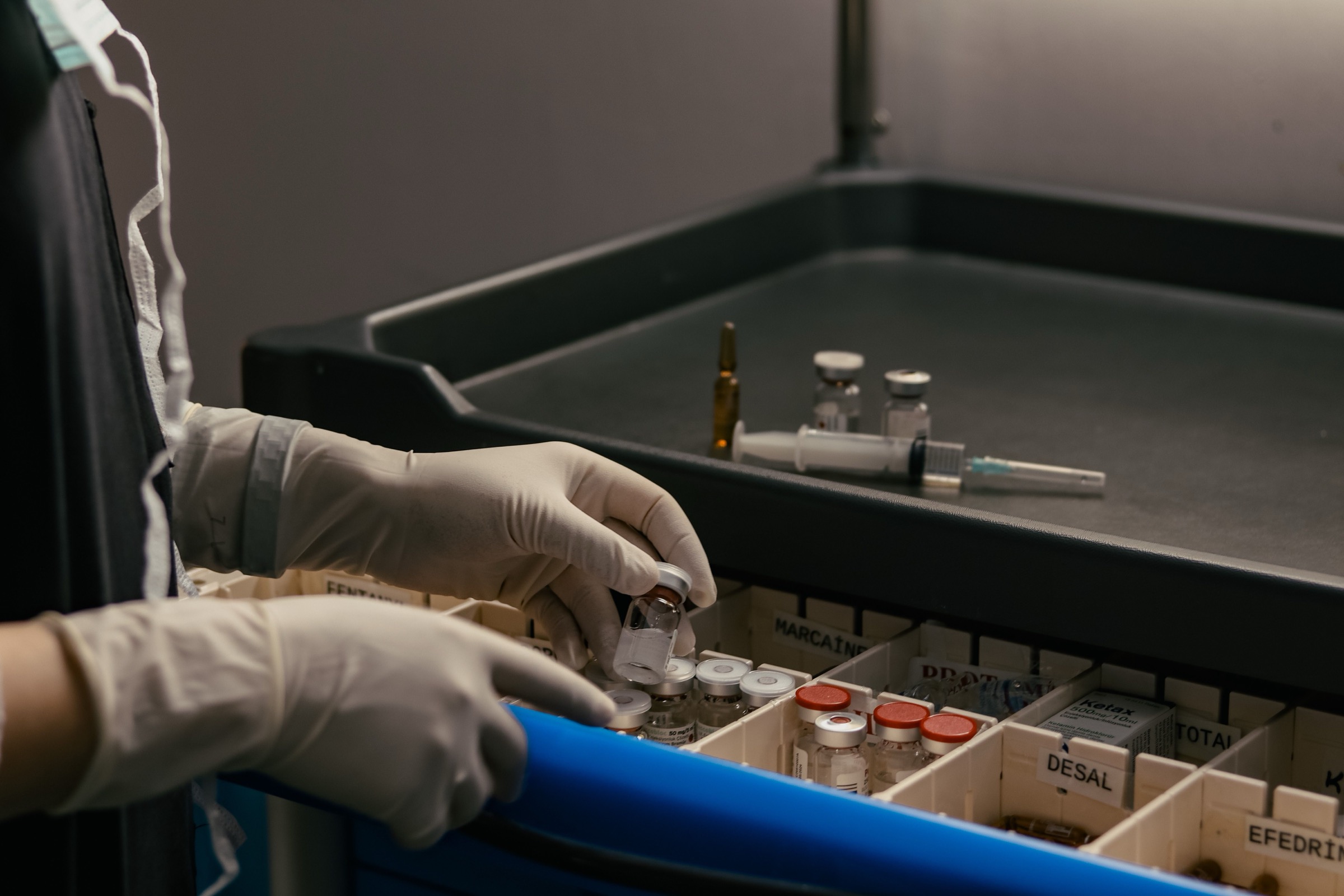
Gloved hand selecting an injectable medication vial from a procedure cart

Some people with cancer may experience pain caused by nerves or nerve plexuses being compressed, invaded or irritated by a tumour. When pain medication does not provide adequate relief or causes troublesome side effects, doctors may consider interventional procedures that target the nerves involved in transmitting pain.

Neurolysis is a technique that uses a chemical agent or heat to affect the nerves or nerve plexuses involved in pain, reducing their ability to transmit pain signals. Depending on the location and cause of the pain, the doctor may choose different nerves or nerve plexuses to target.

The procedure is performed under image guidance to accurately identify the area to be treated. Neurolysis is generally considered as part of an overall pain management plan, alongside medication, cancer treatment and other forms of palliative care.

In addition to specialised pain management techniques, your doctor may recommend medication to help control your pain. These may include common painkillers such as paracetamol and non-steroidal anti-inflammatory drugs (NSAIDs), opioid painkillers, medicines used to treat nerve pain and other specialised medications.

Types of Pain Medication

Common Painkillers

For mild to moderate pain, your doctor may recommend paracetamol or non-steroidal anti-inflammatory drugs (NSAIDs). For pain that requires stronger relief, opioids such as codeine or tramadol may be considered. The choice of medication depends on the cause and severity of your pain, as well as your overall health.

Medicines for Nerve Pain

Certain medicines, including gabapentin, pregabalin and some antidepressants, may be prescribed to help manage nerve pain. Your doctor will assess your condition and select the most appropriate treatment, taking potential side effects into account.

Morphine

Morphine is a strong opioid painkiller that may be prescribed for moderate to severe pain, including pain caused by cancer, major surgery or injury. Your doctor will assess the cause and severity of your pain, as well as your overall health, to determine the appropriate dose and formulation. Morphine may be given as tablets, an oral solution or by injection, depending on your treatment needs.

At FV, oral morphine solution is prepared by our pharmacists according to the dose prescribed by your doctor. This means you do not need to prepare or mix the medicine yourself.

Ketamine Infusion – Support for Difficult-to-Control Pain

For some patients whose pain is difficult to control with other treatments, a low-dose ketamine infusion may be considered as an additional pain management option. It must be administered under specialist medical supervision, with appropriate monitoring for potential side effects.

Methods of Administering Pain Medication

Patient's hand with an intravenous line for medication delivery

Continuous Infusion Using an Elastomeric Pump

An elastomeric pump is a small, portable device that does not require electricity. It uses pressure from an elastic reservoir inside the device to deliver medication continuously at a pre-set rate. Depending on the treatment plan, the medication may be delivered into a vein or under the skin.

The pump is set up by healthcare professionals, who will explain how to use and care for it. Follow the instructions provided by your FV healthcare team, including when the pump should be changed. Keep the device clean and dry, and contact your healthcare team if you notice leakage or if the area around the infusion site becomes red, swollen or painful.

Patient-Controlled Analgesia (PCA)

Patient-controlled analgesia (PCA) allows patients to request a dose of pain medication by pressing a handheld button connected to a programmed infusion pump. The medication is delivered through a tube, usually into a vein. The doctor or nurse sets the pump’s dose limits and safety intervals to help prevent excessive medication from being delivered.

PCA may be used in selected cases of acute pain, including pain after surgery. Patients must receive instructions from healthcare professionals and be monitored while using the device.

Using Pain Medication Safely

To manage your pain effectively and reduce the risk of side effects, please follow these precautions:

  • Take your medication as prescribed: Follow your doctor’s instructions on the dose and timing. If your medication is prescribed on a regular schedule, do not wait until your pain becomes severe before taking it.
  • Do not take additional medication without advice: Consult your doctor before taking any additional over-the-counter painkillers or combining medicines.
  • Do not stop medication without consulting your doctor: Some medicines used to treat nerve pain, such as gabapentin, pregabalin, duloxetine and amitriptyline, may need to be reduced gradually under medical supervision.
  • Tell your doctor about your medical history: Inform your doctor if you have stomach, liver, kidney or heart problems, a history of seizures, or if you are pregnant or breastfeeding.
  • Watch for side effects: Some medicines may cause drowsiness, dizziness or constipation. Avoid driving or operating machinery if you feel drowsy or dizzy. If you take opioid painkillers, ask your doctor how to prevent and manage constipation.
When Should You Seek Medical Help?

When Should You Seek Medical Help?

Contact your healthcare team promptly if your pain worsens or does not improve despite taking your medication as prescribed. You should also seek medical advice if you experience:

  • Severe dizziness, excessive drowsiness or confusion.
  • Loss of coordination or seizures.
  • Persistent vomiting, severe abdominal pain or black stools.
  • A rash, hives or swelling of the face, lips, tongue or throat.

Seek emergency medical care immediately if you experience difficulty breathing, unusually slow breathing, severe difficulty staying awake, a seizure or swelling of the throat that affects your breathing.

Pain specialist treating a patient's back at FV Hospital

Looking for the right pain treatment?

Contact us for consultation and appointment booking

Make an Appointment
MessengerZalo