



On 17 October 2026, at the Sheraton Saigon Hotel, FV Hospital hosted a scientific conference titled “A new era in gastrointestinal cancer care: breakthroughs in minimally invasive surgery, robotic surgery and multidisciplinary treatment”. The conference featured presentations by Vietnamese and international experts in surgery, gastroenterology and oncology, and attracted more than 500 attendees.
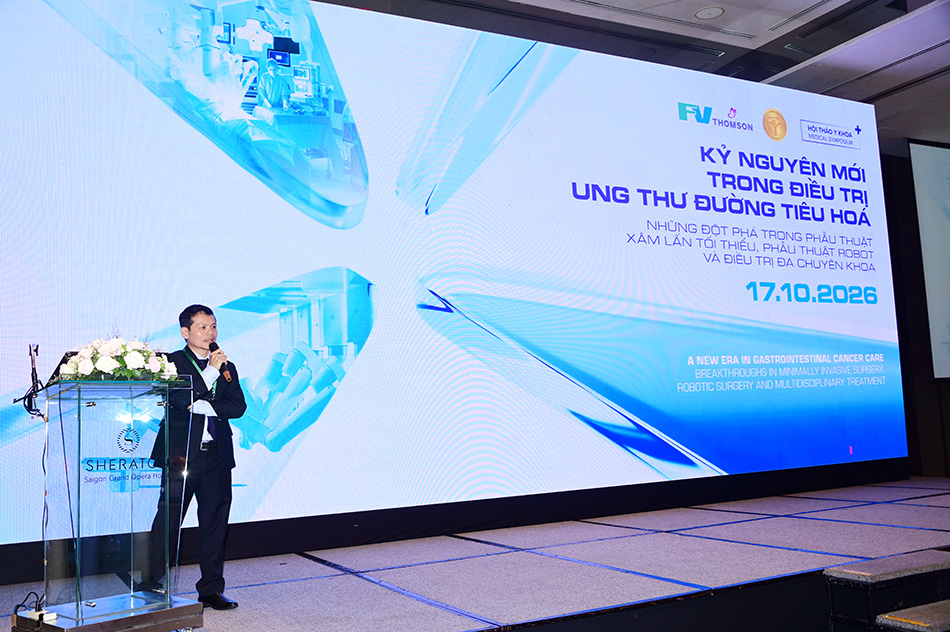
Dr Phan Van Thai, MSc, Specialist Level II – Head of the General Surgery Department, FV Hospital, delivers the opening speech.
The conference focused on the latest advances in robotic surgery, laparoscopic surgery and multidisciplinary collaboration, with contributions from the following experts:
- Dr James Ngu Chi Yong, MSc – Senior Surgeon, General Surgery Department, Changi General Hospital, Singapore
- Dr Phan Van Thai, MSc, Specialist Level II – Head of the General Surgery Department, FV Hospital
- Dr Doan Ngoc Giao, PhD – Head of the FV da Vinci Robotic Surgery Centre, FV Hospital
- Dr Bui Le Phuoc Thu Thao, Specialist Level II – Head of the Hy Vong Cancer Centre, FV Hospital
- Dr Ngo Viet Thang, MSc, Specialist Level II – Senior Consultant, General Surgery Department, FV Hospital
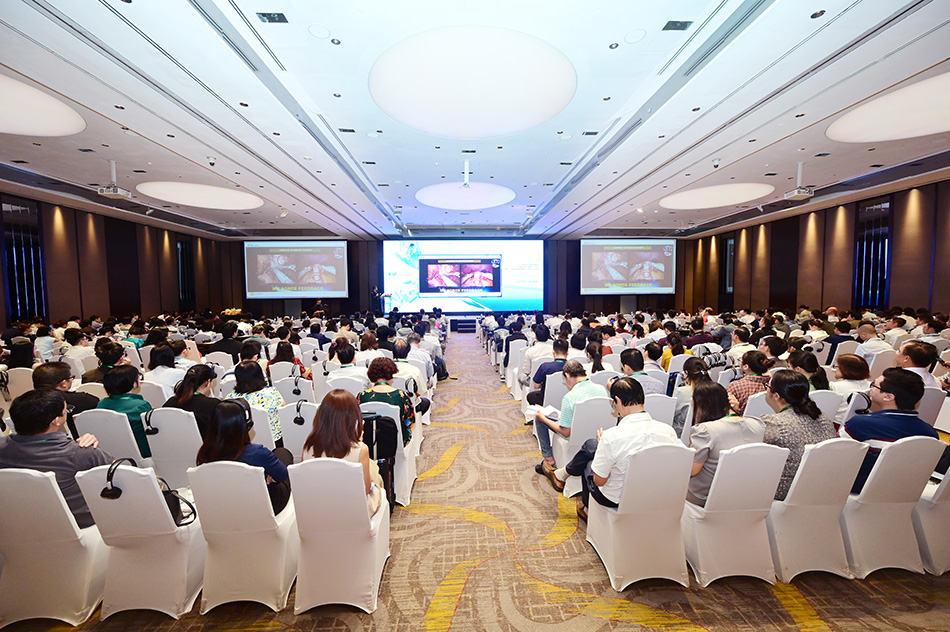
Domestic and international experts update the latest advances in gastrointestinal cancer treatment at the conference.
The sessions addressed not only surgical techniques but also aimed at improving treatment efficacy, accelerating recovery, and preserving the quality of life for patients.
Robotic surgery: Notable Post-operative differences
In colorectal cancer surgery, operating precisely in deep anatomical areas presents a significant challenge. Dr James Ngu Chi Yong, MSc, Senior Consultant Colorectal Surgeon at Changi General Hospital, Singapore, shared comparative data on robotic surgery and conventional laparoscopic surgery. He reported intraoperative blood loss of 7.5 ml with robotic anterior resection, compared with 175 ml with laparoscopic surgery. The time to resume oral intake was 14 hours versus 52 hours, while the time to recovery of bowel function was 27 hours versus 53.5 hours.
For right hemicolectomy, the reported complication rate was 20% in the robotic surgery group, compared to 40% in the laparoscopic group, with the average hospital stay for the robotic group being four days.
These findings suggest that robotic surgery may offer advantages in surgical precision and postoperative recovery. However, method selection should still be based on the patient’s condition, surgical complexity, and the clinical assessment of the care team.
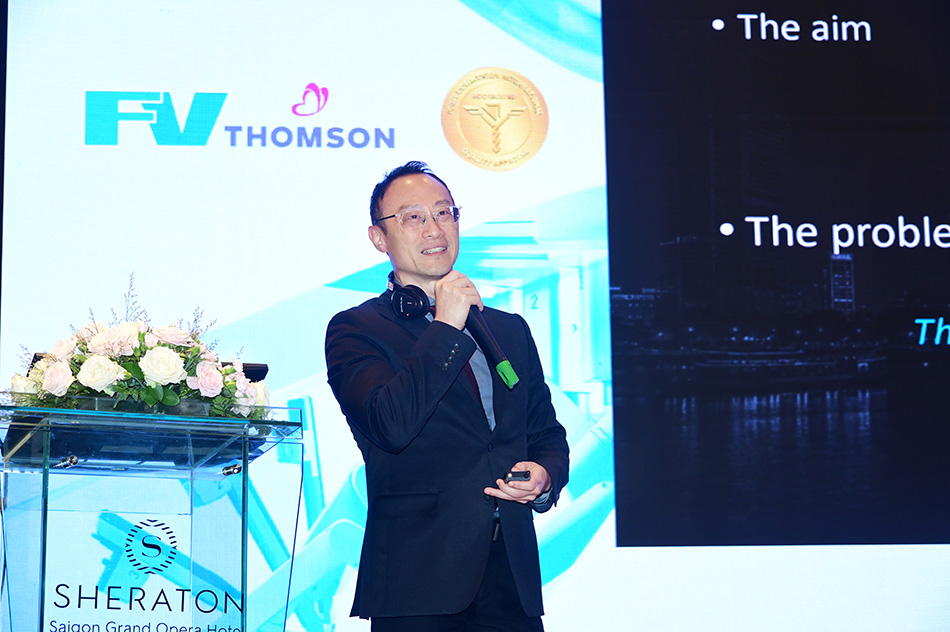
Dr James Ngu Chi Yong, MSc, Changi General Hospital, Singapore, shares insights into the use of robotic surgery in colorectal cancer care.
Gastric cancer: Optimising lymph node dissection with robotic assistance
D2 lymph node dissection is a crucial component of radical gastrectomy for gastric cancer, requiring surgeons to operate with high precision around critical vascular structures.
In his presentation, Dr Phan Van Thai, MSc, Specialist Level II – Head of the General Surgery Department, FV Hospital, analysed the role of D2 dissection and the potential of robotic applications in complex manoeuvres. In the cited study, the reported mortality rate was 37% following D2 lymph node dissection, compared with 48% following D1 dissection.
Comparative data for the robotic surgery and control groups also indicated an odds ratio (OR) of 0.49 for perioperative complications and a hazard ratio (HR) of 0.546 for recurrence within three years. These are relative measures and should be interpreted alongside the study design and statistical findings of the original research.
The presentation emphasised the role of appropriate surgical techniques in cancer control, while highlighting the potential of robotic assistance in procedures requiring a high degree of precision.
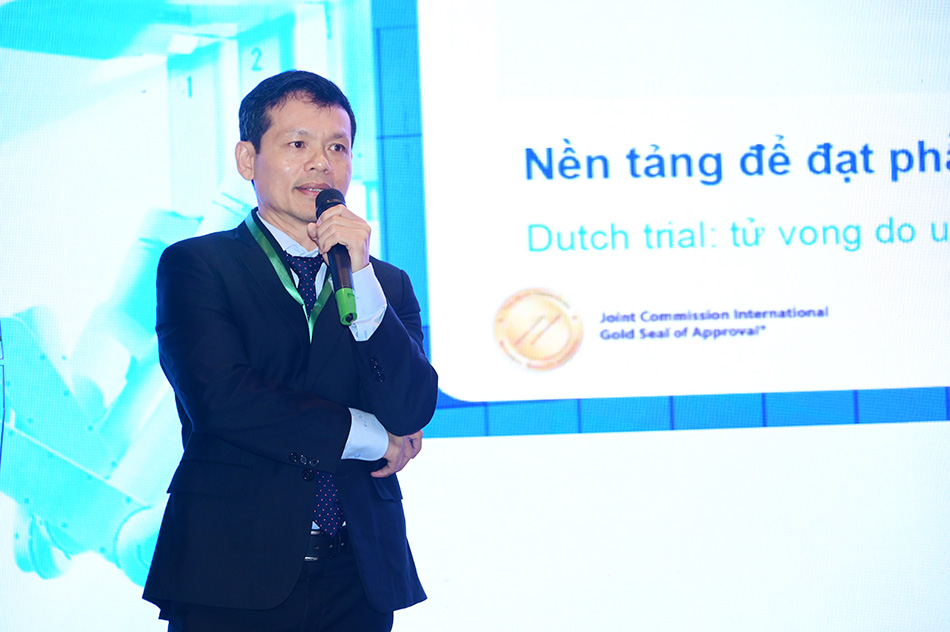
Dr Phan Van Thai, MSc, Specialist Level II – Head of the General Surgery Department, FV Hospital, presents on robotic surgery and the role of D2 lymph node dissection in gastric cancer treatment.
Complex oesophageal surgery: Technology supporting challenging cases
Oesophageal surgery carries a high level of difficulty due to the organ’s deep thoracic position, situated near major blood vessels and vital structures. Challenges multiply in patients with histories of multiple trauma, tuberculous lymphadenitis, extensive adhesions, or anatomical variations.
Drawing on clinical cases, Dr Doan Ngoc Giao, PhD, Head of the FV da Vinci Robotic Surgery Centre at FV Hospital, analysed how robotic surgery can support visualisation and instrument manoeuvrability in areas that are difficult to access. Reported blood loss in these cases ranged from 50 to 200 ml.
These cases illustrate potential applications of robotic assistance in complex surgery. Nevertheless, treatment outcomes should be assessed comprehensively, taking into account complications, recovery and postoperative progress, rather than blood loss alone.

Dr Doan Ngoc Giao, PhD – Head of the FV da Vinci Robotic Surgery Centre, FV Hospital, shares experiences in managing complex oesophageal surgery.
Rectal cancer treatment: aiming for disease control and organ preservation
In rectal cancer treatment, decisions must balance disease control with long-term quality of life. Dr Bui Le Phuoc Thu Thao, Specialist Level II, Head of the Hy Vong Cancer Centre at FV Hospital, highlighted the importance of multidisciplinary team consultations. These allow specialists to assess disease stage and recurrence risk together and develop an appropriate treatment strategy for each patient.
According to the data presented, the three-year overall survival rate was 90.5% in the MDT-supported group, compared with 78.1% in the control group.
Another approach is total neoadjuvant therapy (TNT), in which chemotherapy and chemoradiotherapy are administered before surgery according to an individualised treatment plan. For patients with rectal cancer who achieve a complete clinical response, doctors may consider a “watch-and-wait” strategy involving active surveillance instead of immediate surgery.
This approach may allow selected patients to preserve the rectum. However, it requires careful patient selection and rigorous follow-up at appropriately equipped medical facilities.
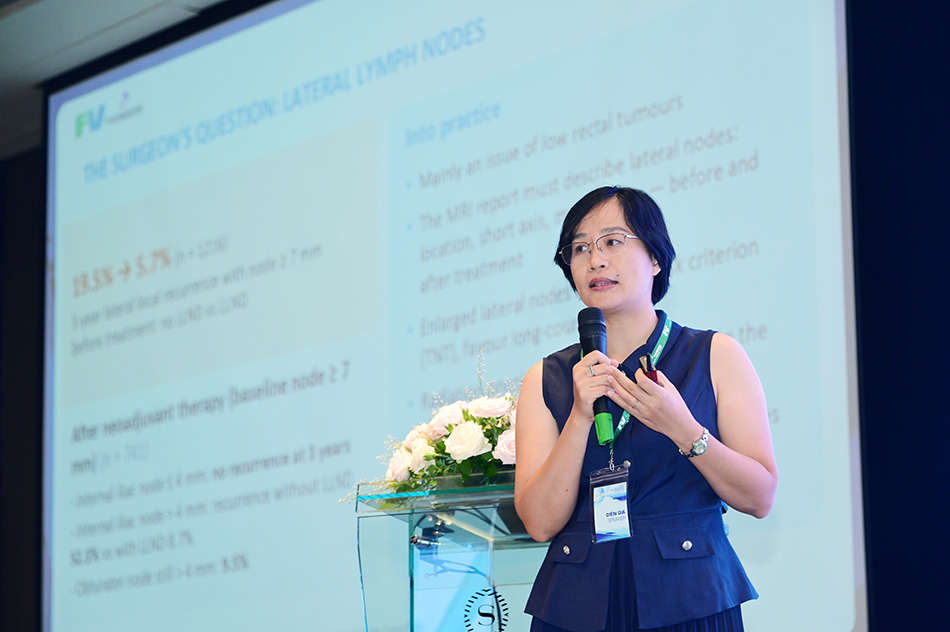
Dr Bui Le Phuoc Thu Thao, Specialist Level II – Head of the Hy Vong Cancer Centre, FV Hospital, presents on the role of MDT consultations and treatment strategies for rectal cancer.
Laparoscopic surgery for rectal cancer: Outcomes from 32 patients
Dr Ngo Viet Thang, MSc, Specialist Level II, Senior Consultant in the General Surgery Department at FV Hospital, presented outcomes from laparoscopic low anterior resection in 32 patients with rectal cancer who had received neoadjuvant chemoradiotherapy. The R0 resection rate (meaning that no cancer cells were found at the resection margins) was 96.9%, with an average of 17.84 lymph nodes removed.
At two-year follow-up, overall survival stood at 93.8%, and disease-free survival was 90.6%. No intraoperative complications were reported in this patient cohort.
The data demonstrate promising results in the cohort studied. However, the sample size of 32 patients and the two-year follow-up period should be considered when assessing long-term outcomes.
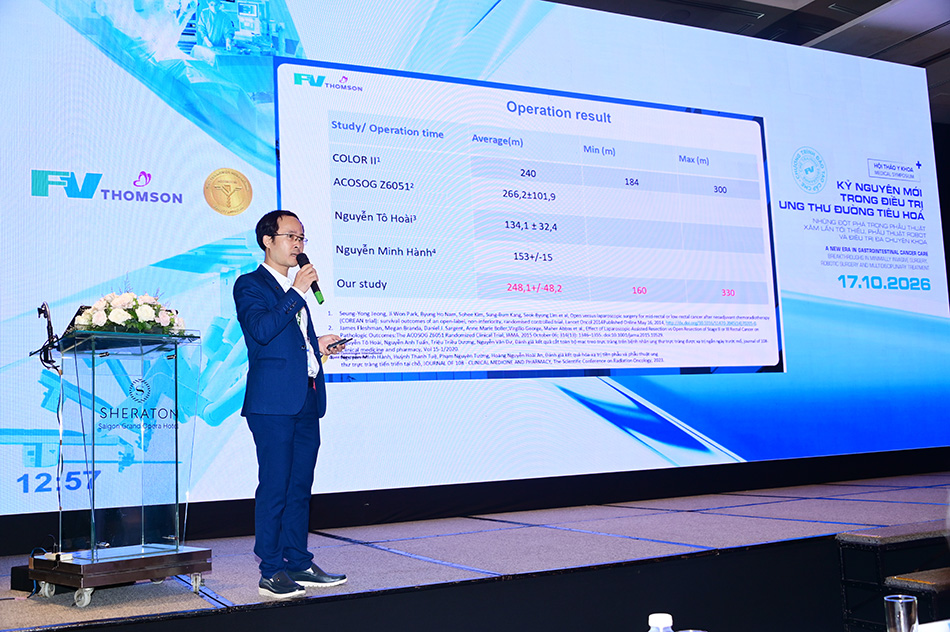
Dr Ngo Viet Thang, MSc, Specialist Level II – Senior Consultant, General Surgery Department, FV Hospital, presents laparoscopic surgical outcomes for rectal cancer post-neoadjuvant chemoradiotherapy.
Combining technology and expertise in cancer treatment
The five presentations highlighted the importance of combining surgical expertise, clinical evidence and multidisciplinary collaboration in modern gastrointestinal cancer care.
Robotic surgery may support complex procedures requiring precise manoeuvres. Treatment plans involving surgery, chemotherapy and radiotherapy must be tailored to each patient’s condition, while organ-preserving approaches may offer additional options for appropriately selected patients.
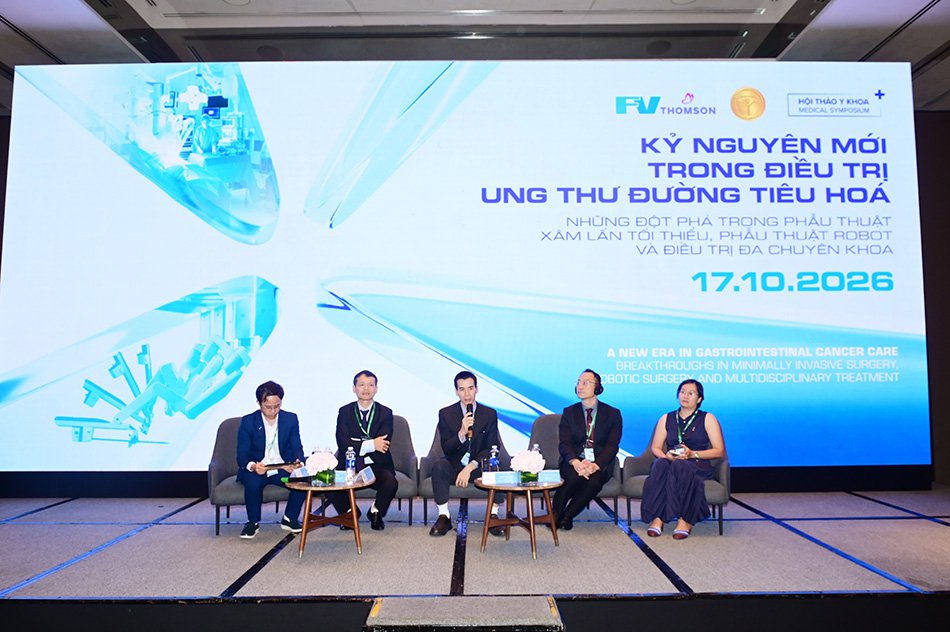
Speakers discuss clinical experiences, treatment strategies, and key considerations in modern oncology practice.
Through its Continuing Medical Education (CME) programmes, FV Hospital supports professional exchange, the sharing of clinical experience and the continuous development of medical knowledge. These initiatives aim to enhance treatment quality and safety while improving patients’ outcomes and quality of life.
Related News
See moreRelated News
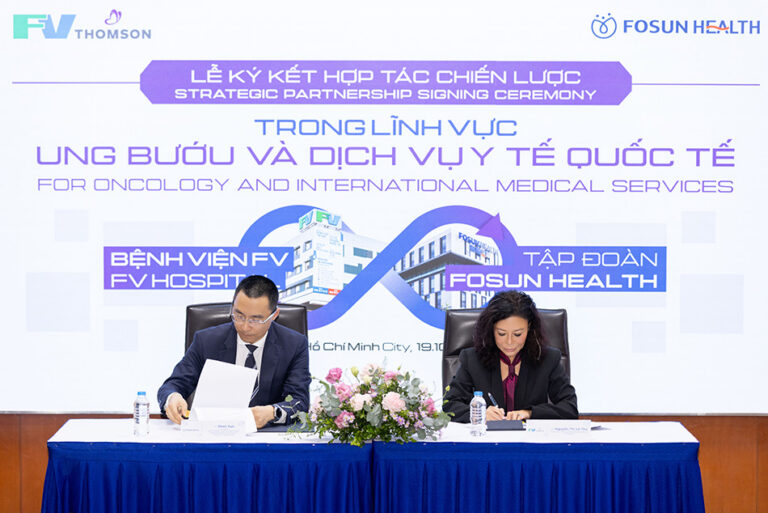
FV Hospital and Fosun Health enter strategic partnership in cancer care and other medical specialties
FV Hospital, a member of Thomson Medical Group (Singapore), and Fosun Health (China) have officially signed a Memorandum of Understanding (MoU) to establish a strategic partnership, combining their healthcare expertise in oncology, from pre-treatment diagnosis and access to specialised cancer treatments in China to post-treatment care and follow-up in Vietnam. In addition to coordinating patient […]

No pain, no lump: Are you really safe from breast cancer?
A woman attended FV Hospital’s Pink Month event to meet an old friend and decided to book a breast screening while she was there. She had no pain, no noticeable lump, and no reason to think anything was wrong. That seemingly routine decision led to a life-changing diagnosis: cancer was found in both breasts. An […]
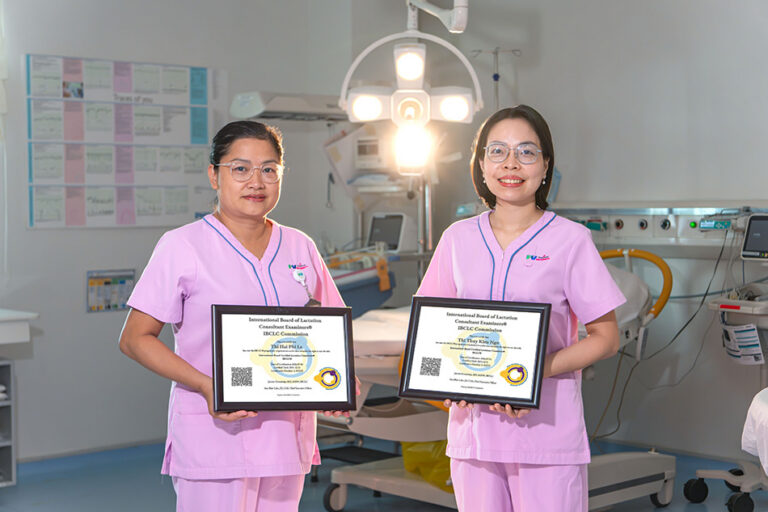
Two Vietnamese midwives attain international IBCLC certification in breastfeeding counselling
Two midwives from FV Thomson’s Maternity Department have earned IBCLC (International Board Certified Lactation Consultant) certification, the international credential for breastfeeding support specialists. This achievement represents a significant clinical milestone in infant feeding support at FV Hospital, driven by the real-world complexities these practitioners encounter daily when supporting mothers and their newborns. Beyond certification: A […]
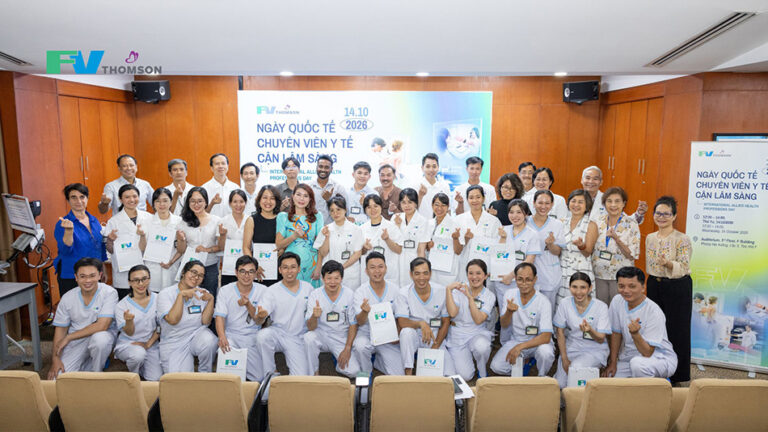
FV Hospital Celebrates International Allied Health Professions Day 2026
On 14 October 2026, FV Hospital held a special event to express its appreciation for allied health professionals. Attendees included members of the Board of Directors, heads of departments, and more than 40 allied health professionals and specialists. The event recognised the dedication of allied health professionals across a range of specialties, including Dietetics and […]
FV Hospital and Fosun Health enter strategic partnership in cancer care and other medical specialties
No pain, no lump: Are you really safe from breast cancer?
Two Vietnamese midwives attain international IBCLC certification in breastfeeding counselling

