




With four advanced rapid molecular diagnostic systems, BioFire® FilmArray®, QIAGEN QIAstat-Dx®, Cepheid GeneXpert®, and Sansure iPonatic III, the FV Hospital Laboratory & Blood Bank Department offers a wide range of rapid testing to help identify the bacteria, viruses and other infectious pathogens, helping your doctor make timely and informed treatment decisions.
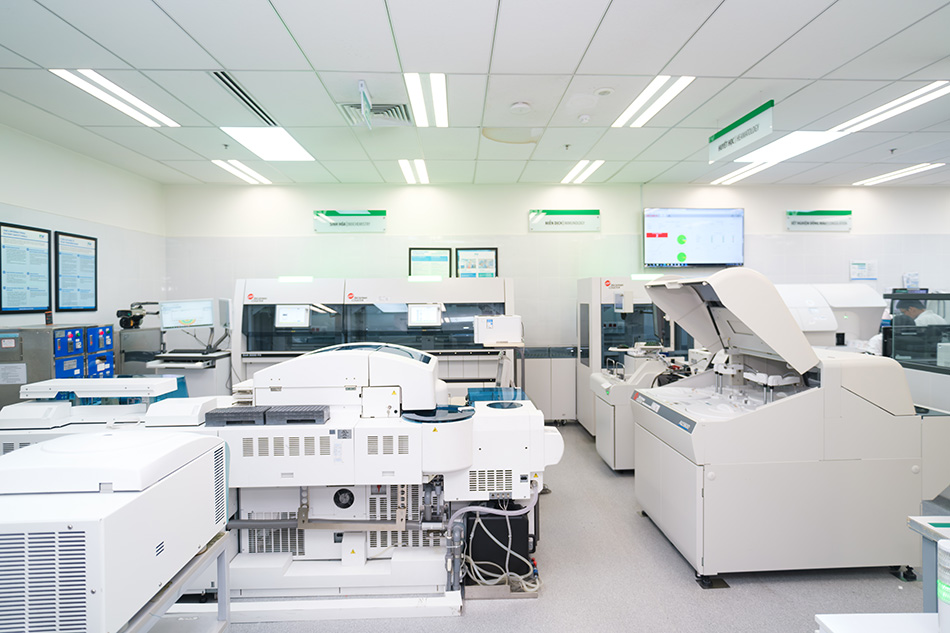
FV Hospital Laboratory & Blood Bank Department offers a wide range of rapid testing to help identify the bacteria, viruses and other infectious pathogens
Sansure iPonatic III system, specialising in respiratory infections, Group B Streptococcus in pregnancy, reproductive tract infections and HPV
The Sansure iPonatic III system was implemented in July 2026 at FV Hospital Laboratory & Blood Bank Depratment. This molecular diagnostic system uses PCR technology to automate multiple steps, from sample processing and DNA/RNA extraction and amplification to result analysis.
The system supports testing to detect various pathogens, particularly those causing respiratory infections, Group B Streptococcus during pregnancy, reproductive tract infections and HPV. Certain tests can deliver results within approximately one to two hours, helping to reduce waiting time for patients.
Notably, the system supports a targeted testing approach. Rather than routinely testing for a broad range of pathogens, doctors select the appropriate test based on the patient’s symptoms and medical history to investigate suspected causes of infection.
Identifying the suspected pathogen promptly provides doctors with additional information to assess the patient’s condition, determine an appropriate treatment plan and avoid unnecessary testing where appropriate.
BioFire® FilmArray® system, supporting rapid detection of pathogens causing respiratory infections, pneumonia, bloodstream infections, meningitis and encephalitis, gastrointestinal and joint infections
The BioFire® FilmArray® system is a molecular diagnostic system that can rapidly detect multiple infection-causing pathogens from a single specimen. Testing may be ordered when patients experience symptoms such as fever, cough, sore throat, shortness of breath, diarrhoea, abdominal pain, severe headache, stiff neck, or swollen, warm, red and painful joints, when respiratory infections, pneumonia, sepsis, meningitis and encephalitis, gastrointestinal infections, or joint infections are suspected.
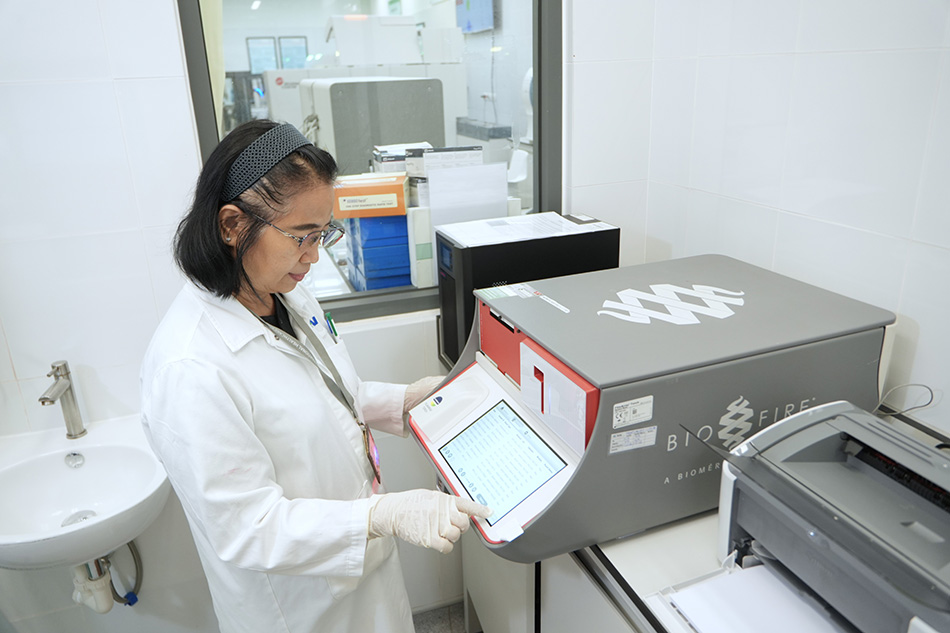
BioFire® FilmArray® system at FV Hospital
A key benefit of BioFire® FilmArray® is its ability to detect multiple pathogens from a single specimen in one test and provide results within a short timeframe, helping to reduce the time needed to identify the potential cause of infection. This may help doctors make more timely treatment decisions based on the patient’s clinical condition and test results.
Cepheid GeneXpert® system, supporting rapid detection of tuberculosis and viral load monitoring
The Cepheid GeneXpert® system supports the rapid detection of the bacteria that cause tuberculosis, as well as detection and measurement of hepatitis B virus (HBV) and hepatitis C virus (HCV) viral loads in the blood.
Testing may be ordered when patients show signs suggestive of tuberculosis, such as persistent cough, fever, night sweats and weight loss; or when viral load monitoring is required during hepatitis B or C treatment. Test results provide doctors with additional information to assess infection status, select an appropriate treatment approach and monitor treatment response.
QIAGEN QIAstat-Dx® system, supporting detection of pathogens causing respiratory, gastrointestinal, meningitis and encephalitis infections
The QIAGEN QIAstat-Dx® system helps simultaneously detect multiple bacteria, viruses and other infection-causing pathogens from a single specimen. The system is used for testing respiratory infections, gastrointestinal infections, meningitis and encephalitis, and several other infections. Doctors may consider testing when patients present with symptoms such as fever, cough, sore throat or shortness of breath; diarrhoea, abdominal pain or nausea; or severe headache, stiff neck, fever or altered mental status. Detecting multiple pathogens from a single specimen provides doctors with additional information to help identify the potential cause of illness and determine an appropriate treatment approach.
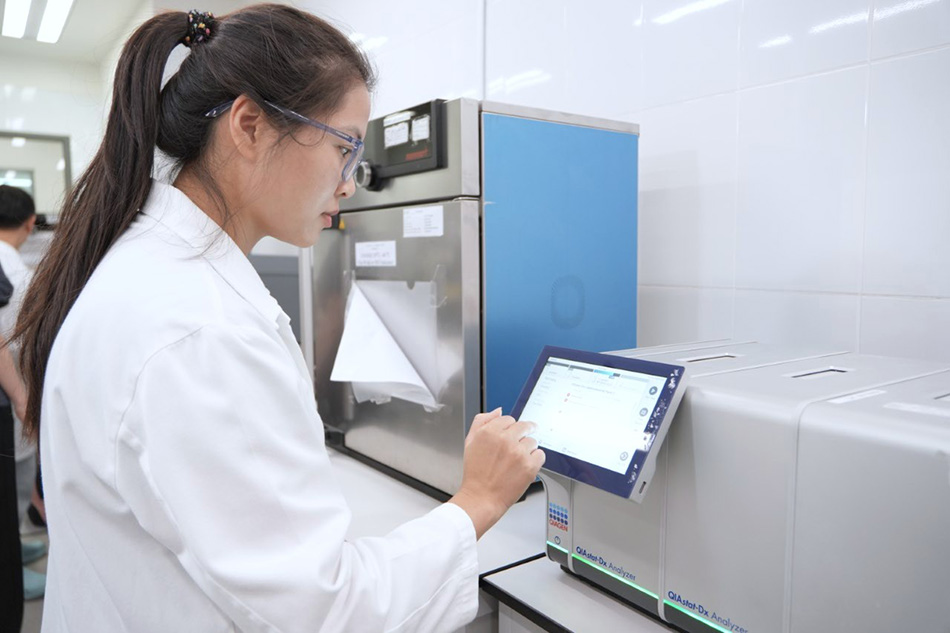
The QIAGEN QIAstat-Dx® system helps simultaneously detect multiple bacteria, viruses and other infection-causing pathogens from a single specimen.
By continuously investing in advanced molecular diagnostic technologies and combining these capabilities with the expertise of Infectious Diseases doctors and laboratory personnel at FV, we enhance our ability to provide comprehensive and timely diagnostic services, supporting doctors in making informed clinical decisions and helping patients receive appropriate care.
For more information about rapid molecular diagnostic services or to book an appointment, please contact the FV Hospital Information & Appointment Centre on (028) 35 11 33 33.
Related News
See moreRelated News
Two Vietnamese midwives attain international IBCLC certification in breastfeeding counselling
Two midwives from FV Thomson’s Maternity Department have earned IBCLC (International Board Certified Lactation Consultant) certification, the international credential for breastfeeding support specialists. This achievement represents a significant clinical milestone in infant feeding support at FV Hospital, driven by the real-world complexities these practitioners encounter daily when supporting mothers and their newborns. Beyond certification: A […]

Nutcracker Syndrome: How a one-hour stent placement ended a year of abdominal pain
FV Hospital successfully treated a complex case of nutcracker syndrome using minimally invasive endovascular stenting, sparing the patient major open surgery. Persistent abdominal pain linked to renal vein entrapment For over a year, 41-year-old Ms V.T.K.P. from Ho Chi Minh City experienced persistent, dull lower abdominal pain that worsened with prolonged sitting or standing. As […]

TROP2-directed ADCs: A breakthrough in improving outcomes in advanced/metastatic triple-negative breast cancer
Advances in the treatment of advanced/metastatic triple-negative breast cancer are providing new treatment options for patients; particularly where existing therapies have limited efficacy. Among these, TROP2-directed antibody-drug conjugates (ADCs) are receiving increasing attention from the oncology community, supported by emerging clinical evidence on their efficacy and potential to improve treatment outcomes. The Scientific Seminar organised […]
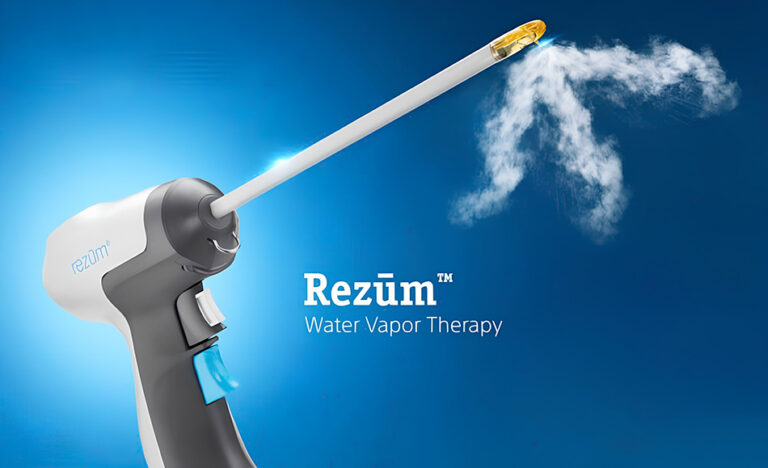
FV Hospital introduces Rezum Water Vapour Therapy: A minimally invasive option for men with benign prostatic hyperplasia
Beyond causing daily inconvenience, benign prostatic hyperplasia (BPH), commonly known as an enlarged prostate, can significantly affect patients’ sleep, overall health and mental well-being. Alongside medication and surgery, patients can now consider Rezūm Water Vapour Therapy, a minimally invasive treatment recently introduced at the Urology & Andrology Department at FV Hospital. How does Rezum work? […]
Two Vietnamese midwives attain international IBCLC certification in breastfeeding counselling
Nutcracker Syndrome: How a one-hour stent placement ended a year of abdominal pain
TROP2-directed ADCs: A breakthrough in improving outcomes in advanced/metastatic triple-negative breast cancer

