





13C-UREA Breath Test
H. pylori is a spiral bacterium implicated in gastritis, gastric ulcer, and peptic ulcer disease. The 13C-urea breath test breath…

WHAT IS A VIRTUAL COLONOSCOPY? Virtual colonoscopy, also called CT colonography, is a method of screening the colon for precancerous…

Colonoscopy
COLONOSCOPY OVERVIEW Colonoscopy is an investigation that allows your doctor to look at the inner…

FIBROSCAN
FibroScan FibroScan is the first and only non-invasive device for diagnosis and monitoring of hepatic…

Endoscopic retrograde cholangiopancreatography (ERCP)
What is ERCP? Endoscopic retrograde cholangiopancreatography, or ERCP, is an endoscopic technique that is used…
H. pylori is a spiral bacterium implicated in gastritis, gastric ulcer, and peptic ulcer disease. The 13C-urea breath test breath…
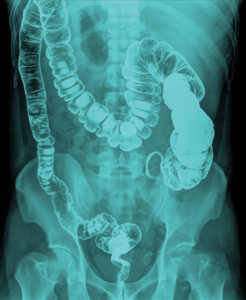
WHAT IS A BARIUM STUDY? Barium study is an x-ray examination of the oesophagus, stomach, small and large intestine whereby…
WHAT IS AN ANAL FISSURE? An anal fissure is a small tear in the thin mucosa that lines the opening…

Irritable bowel syndrome (IBS) is a common disorder that affects the large intestine (colon). It commonly causes cramping, abdominal pain,…

Gastroscopy GASTROSCOPY OVERVIEW An upper endoscopy (also called “Gastroscopy”) is a procedure used to visually examine your upper digestive system…
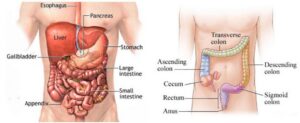
Colorectal resection WHAT IS THE LARGE INTESTINE? The large intestine (or large bowel) is the lower part of the digestive…
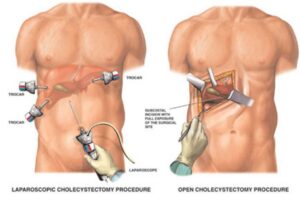
WHAT IS THE GALLBLADDER? The gallbladder is a small, pear-shaped pouch that lies under the liver in the upper-right part…
WHAT IS THE STOMACH? The stomach is the digestive organ that is connected between the esophagus and the small intestine.…
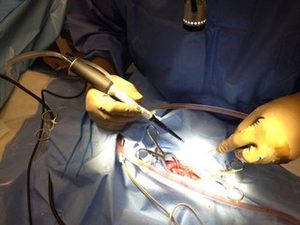
Liver primary cancer is common in Vietnam. It often develops in patients with hepatitis: the hepatitis virus triggers cirrhosis and…


