




- What is bad breath?
Bad breath (halitosis, oral malodour) is a condition where an unpleasant odour comes from the mouth, often due to the activity of anaerobic bacteria. It is a common issue, affecting 50–65% of people, not only causing discomfort for those affected but also significantly impacting their quality of life, confidence in communication, and overall health.
Approximately 90% of bad breath cases stem from issues within the mouth. However, it can also serve as an early warning sign of serious systemic conditions, including liver or kidney failure, uncontrolled diabetes, or respiratory diseases.
- Causes of Bad Breath
- From inside the mouth: The most common cause of bad breath is bacteria that break down proteins in the mouth, producing volatile sulphur compounds (VSCs).
- Bad breath can result from oral health issues such as:
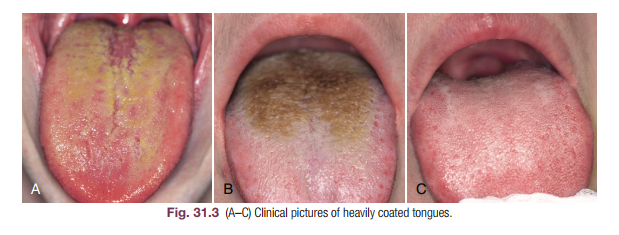
- Tongue coating (a layer on the surface of the tongue)
- Gingivitis and periodontal disease
- Cavities and dental plaque
- Food trapped between teeth
- Dry mouth due to reduced saliva production
- Bad breath can result from oral health issues such as:
- From outside the mouth:
- Respiratory diseases:
- Sinusitis, pharyngitis, tonsillitis, pneumonia
- Post-nasal drip or foreign objects in the nose causing odour
- Gastrointestinal diseases:
- Gastroesophageal reflux disease (GERD), gastric ulcers
- Systemic diseases
- Uncontrolled diabetes: Can cause a breath odour smell similar to rotting apples
- Kidney failure: Often results in a fishy breath odour
- Liver failure: Produces an unpleasant sulphur-like smell
- Respiratory diseases:
- Classification and Identification of Bad Breath
– Physiological Bad Breath:
Temporary and typically caused by:
- Inadequate brushing.
- Consumption of strong-smelling foods like onions or garlic.
– Pathological Bad Breath:
Temporary and often due to:
- Poor oral hygiene.
- Consumption of strong-smelling foods like onions or garlic.
– Pseudo-Bad Breath:
- The patient believes they have bad breath, but no detectable odour is present.
– Halitophobia:
- The patient refuses to accept the test results showing no bad breath and becomes obsessed, often associated with obsessive-compulsive disorder (OCD) or anxiety.
- Prevention and Treatment of Bad Breath
– Oral Hygiene:
- Brush your teeth at least twice a day and clean the surface of your tongue.
- Use dental floss or an interdental brush to clean between your teeth.
- Rinse with a mouthwash containing chlorhexidine or other antibacterial agents.
– Healthy Habits:
- Drink plenty of water to maintain moisture in the mouth.
- Avoid smoking and alcohol consumption.
- Limit foods with strong odours like onions and garlic.
– Regular Dental Check-ups
- Schedule a professional cleaning and oral health check-up every six months.
- Detect dental issues or underlying health conditions early.
- When to See a Doctor?
- Persistent bad breath despite maintaining good oral hygiene.
- Accompanied by symptoms such as dry mouth, toothache, or mouth and gum sores.
- Causes embarrassment or affects quality of life and social interactions.
Bad breath is a common concern and can also indicate underlying health issues. Visit the Oral & Maxillofacial Surgery – Dental Surgery Department at FV Hospital for a comprehensive examination and expert treatment by our leading specialists. We are here to help you achieve fresh breath and overall health.
| 10 Steps to Control Bad Breath1. Address Specific Causes: Treat underlying issues such as inflammation, infections, or fungal conditions, which may require medication.2. Avoid Strong-Smelling Foods: Such as onions, garlic, curry, and pungent spices.3. Limit Bad Habits That Cause Bad BreathReduce alcohol consumption.Quit smoking.4. Eat in Moderation: Maintain regular meal times and avoid skipping meals.5. Have a Full Breakfast: Regularly include fresh fruits, for example, pineapple, which contains enzymes that help clean the mouth.6. Brush Teeth and Rinse After Every Meal or at Least Twice a Day7. Maintain Proper Oral Hygiene:Get regular dental check-ups and prevent cavities.Brush teeth thoroughly using the correct technique.Use dental floss or a water flosser to clean between teeth.Rinse twice a day with a solution containing chlorhexidine, cetylpyridinium, or other mouthwashes.Scrape your tongue before bed: Use a tongue scraper to clean the surface of the tongue.8. Maintain Mouth Moisture:Use sugar-free gum to stimulate saliva production.Diabetic patients can use sugar-free gum specifically for diabetics.9. Use Breath-Freshening Products10. Care for Removable Dentures: Remove them at night and soak them in a denture cleaning solution.Note: Follow these steps consistently for lasting fresh breath. Consult a doctor if you have any questions or experience any side effects. |
Related News
See moreRelated News

Quickly identify pathogens with 4 molecular diagnostic systems at FV
With four advanced rapid molecular diagnostic systems, BioFire® FilmArray®, QIAGEN QIAstat-Dx®, Cepheid GeneXpert®, and Sansure iPonatic III, the FV Hospital Laboratory & Blood Bank Department offers a wide range of rapid testing to help identify the bacteria, viruses and other infectious pathogens, helping your doctor make timely and informed treatment decisions. FV Hospital Laboratory & […]

Two Vietnamese midwives attain international IBCLC certification in breastfeeding counselling
Two midwives from FV Thomson’s Maternity Department have earned IBCLC (International Board Certified Lactation Consultant) certification, the international credential for breastfeeding support specialists. This achievement represents a significant clinical milestone in infant feeding support at FV Hospital, driven by the real-world complexities these practitioners encounter daily when supporting mothers and their newborns. Beyond certification: A […]

Nutcracker Syndrome: How a one-hour stent placement ended a year of abdominal pain
FV Hospital successfully treated a complex case of nutcracker syndrome using minimally invasive endovascular stenting, sparing the patient major open surgery. Persistent abdominal pain linked to renal vein entrapment For over a year, 41-year-old Ms V.T.K.P. from Ho Chi Minh City experienced persistent, dull lower abdominal pain that worsened with prolonged sitting or standing. As […]

TROP2-directed ADCs: A breakthrough in improving outcomes in advanced/metastatic triple-negative breast cancer
Advances in the treatment of advanced/metastatic triple-negative breast cancer are providing new treatment options for patients; particularly where existing therapies have limited efficacy. Among these, TROP2-directed antibody-drug conjugates (ADCs) are receiving increasing attention from the oncology community, supported by emerging clinical evidence on their efficacy and potential to improve treatment outcomes. The Scientific Seminar organised […]
Quickly identify pathogens with 4 molecular diagnostic systems at FV
Two Vietnamese midwives attain international IBCLC certification in breastfeeding counselling
Nutcracker Syndrome: How a one-hour stent placement ended a year of abdominal pain

