



Post-herpetic neuralgia is the most common complication following a herpes zoster infection, often called shingles, caused by the herpes virus. The herpes virus has unique protein structures that can attach to and infiltrate the sensory nerve endings under the skin and travel along the nervous system. When the immune system is weakened, the dormant virus within the nerve fibres can reactivate and cause damage to the skin and nerves at the corresponding location. Therefore, individuals at high risk for post-herpetic neuralgia usually include patients over 50 years old, those with severe or extensive shingles rash, those with shingles on the face or body, those who do not receive prompt treatment within 72 hours of rash onset, and individuals with weakened immune systems.
Post-herpetic neuralgia typically lasts for six months to one year and in some cases can persist for several years. The characteristic symptoms of post-herpetic neuralgia include pain in the previously affected area, one-sided body pain, discomfort and tenderness when touched, brushed, or exposed to wind, increasing pain intensity described as burning, stabbing, or throbbing, sleep disturbances, and heightened pain at night. Post-herpetic neuralgia can become chronic and lead to overall physical weakness and depression in many patients.
Diagnosis of post-herpetic neuralgia is based on clinical examinations and features such as pain persisting for three months or longer after the healing of skin lesions. The pain is described as burning, aching, throbbing, or deep and dull.
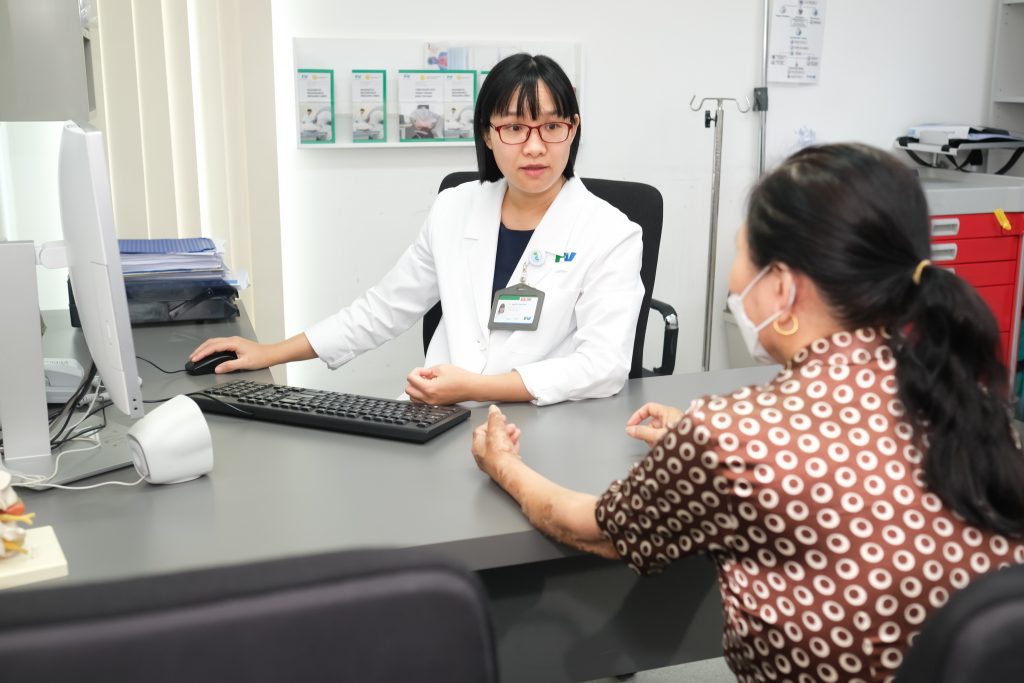
Currently, the treatment of post-herpetic neuralgia involves both internal medicine and non-pharmacological approaches. The nerve root block technique for treating post-herpetic neuralgia has been implemented at the Pain Clinic, FV Hospital, and has shown positive results. While this technique is well-known in the medical field worldwide, FV Hospital is the first hospital in the southern region of Vietnam to apply this technique in the management of post-herpetic neuralgia pain.
According to Dr Pham Hoang Manh, Pain Clinic, FV Hospital, this method offers significant relief from uncomfortable and painful symptoms. Doctors inject a local anaesthetic and anti-inflammatory medication around the affected nerve roots using ultrasound-guided techniques. To achieve the desired pain reduction, patients are typically advised to undergo two to three injections at seven- to 10-day intervals, depending on pain severity.
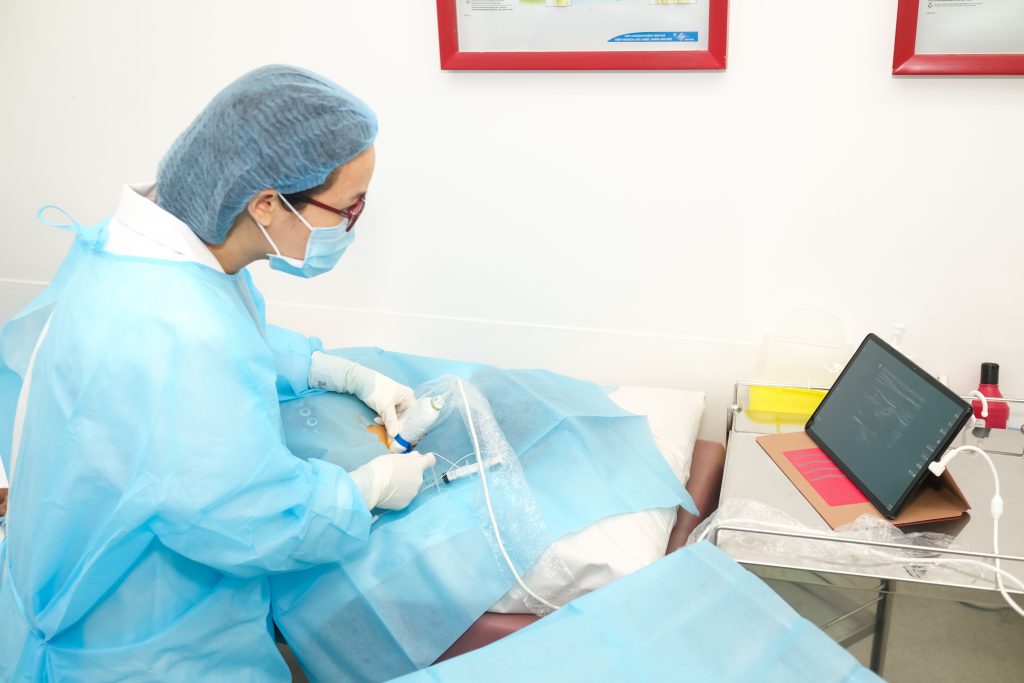
At FV Hospital, the nerve root block procedure is performed by pain management specialists who have received training overseas under the guidance of Dr Louis Brasseur, Head of FV’s Pain Clinic—an international expert with decades of experience. Dr Brasseur ensures accurate identification of nerve injection sites, needle path, and aseptic conditions to avoid complications such as infection, bleeding, and nerve damage. Procedures are carried out in JCI-accredited sterile operating rooms, which adhere to rigorous international medical standards.
To schedule an appointment with the Pain Clinic – FV Hospital, please contact: (028) 54 11 33 33, ext. 1294.
Related News
See moreRelated News

TROP2-directed ADCs: A breakthrough in improving outcomes in advanced/metastatic triple-negative breast cancer
Advances in the treatment of advanced/metastatic triple-negative breast cancer are providing new treatment options for patients; particularly where existing therapies have limited efficacy. Among these, TROP2-directed antibody-drug conjugates (ADCs) are receiving increasing attention from the oncology community, supported by emerging clinical evidence on their efficacy and potential to improve treatment outcomes. The Scientific Seminar organised […]
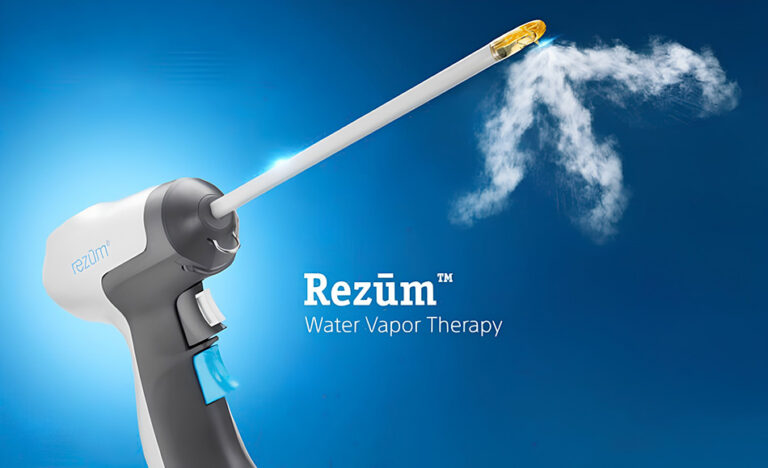
FV Hospital introduces Rezum Water Vapour Therapy: A minimally invasive option for men with benign prostatic hyperplasia
Beyond causing daily inconvenience, benign prostatic hyperplasia (BPH), commonly known as an enlarged prostate, can significantly affect patients’ sleep, overall health and mental well-being. Alongside medication and surgery, patients can now consider Rezūm Water Vapour Therapy, a minimally invasive treatment recently introduced at the Urology & Andrology Department at FV Hospital. How does Rezum work? […]
3.0 Tesla MRI system at FV: Advanced diagnostics, a more comfortable experience
FV Hospital continues to enhance the quality of its screening and routine healthcare services by introducing the state-of-the-art Philips Ingenia Elition X 3.0 Tesla Magnetic Resonance Imaging (MRI) system. This advanced technology not only helps reduce patient waiting times but also delivers exceptionally clear, high-resolution medical images. The addition of this new system underscores FV’s […]
FV First in Southern Vietnam to Use Fusion and Navigation Imaging for Liver Tumour Treatment
For the first time in Southern Vietnam, a complex liver tumour has been successfully treated using a combination of biopsy and radiofrequency ablation (RFA) guided by a next-generation Fusion and Navigation Ultrasound Imaging system at FV Hospital. The minimally invasive procedure was performed under local anaesthesia, completed quickly, and allowed the patient to recover and […]
TROP2-directed ADCs: A breakthrough in improving outcomes in advanced/metastatic triple-negative breast cancer
FV Hospital introduces Rezum Water Vapour Therapy: A minimally invasive option for men with benign prostatic hyperplasia
3.0 Tesla MRI system at FV: Advanced diagnostics, a more comfortable experience

